The cause of check engine light can range from a loose gas cap to a failing sensor, spark plug issue, or a problem in the emissions system. In many cases, the car is still drivable, but the light is telling you that the engine or emissions system needs attention. The best move depends on whether the light is steady or flashing, and on any other symptoms you notice. Below, we’ll explain the most common check engine reasons, what they mean, and what to do next.
📖 Table of Contents
- Why Is My Check Engine Light On?
- Common Check Engine Light Causes
- What Causes Check Engine Light to Come On: Symptoms to Watch
- What to Do When Check Engine Light Comes On
- Simple Troubleshooting Table: Symptoms, Likely Cause, and Next Step
- How Mechanics Diagnose the Cause of Check Engine Light
- FAQ: Common Questions About Check Engine Light Causes
- Conclusion: Start with the Basics, Then Scan the Codes
📌 Key Takeaways
- A check engine light often points to an emissions, fuel, ignition, or sensor issue — not always a major engine failure.
- A loose gas cap is one of the simplest check engine light causes, but misfires, oxygen sensors, and catalytic converter problems are also common.
- If the light is flashing, reduce driving and get the car checked soon; a steady light is less urgent but still needs diagnosis.
- The right next step is to scan for trouble codes, inspect basic items, and compare symptoms before replacing parts.
Why Is My Check Engine Light On?
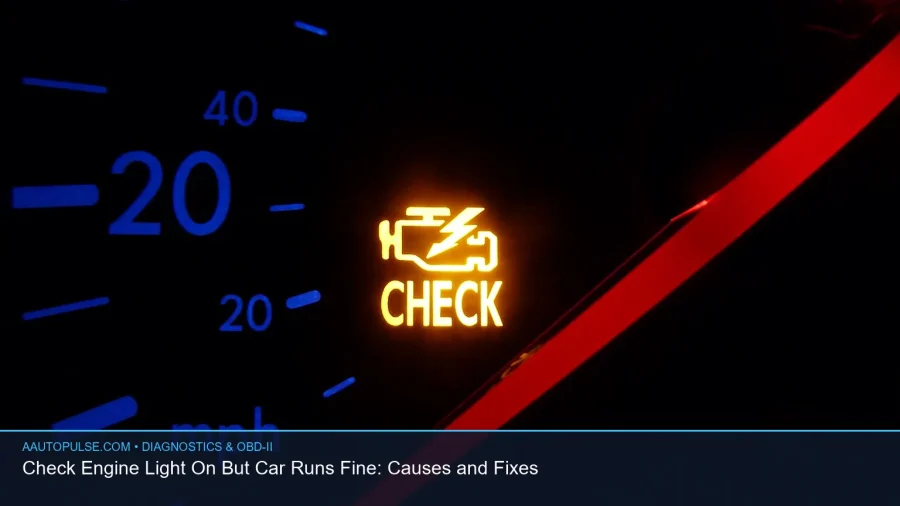
If you are asking, “why is my check engine light on,” the short answer is that the car’s computer found a problem it wants you to check. The light can come on for a simple issue, like a fuel cap that is not sealed, or for a deeper issue, like a misfire or failing emissions sensor. That is why the cause of check engine light is best found by reading diagnostic trouble codes, not guessing.
Many drivers search for the same problem using different phrases, such as “what causes check engine light to come on,” “why would my check engine light come on,” or “what could cause the check engine light to come on.” In every case, the idea is the same: the vehicle has detected something outside normal limits. The light is a warning, not a diagnosis.
Common Check Engine Light Causes

There are several common reasons check engine light comes on. Some affect driveability right away, while others mainly affect fuel economy and emissions. Below are the most common check engine reasons seen in modern vehicles.
1. Loose or Damaged Gas Cap
A loose fuel cap is one of the easiest answers when the engine light comes on. If the cap is cracked, missing, or not tightened fully, fuel vapors can leak from the evaporative emissions system. That can trigger a warning light even if the engine still runs normally.
After tightening the cap, the light may not turn off right away. In many vehicles, the system needs several drive cycles to confirm the problem is gone. If the cap looks worn or the seal is damaged, replacement may be needed.
2. Oxygen Sensor Problems
The oxygen sensor helps the engine computer balance fuel and air. If it fails, the engine may run rich or lean, which can raise emissions and hurt fuel economy. This is one of the most common check engine light causes in higher-mileage vehicles.
Many oxygen sensors last well beyond 80,000 miles, but life depends on the vehicle and driving conditions. Always verify your owner’s manual and service schedule, since some models need service sooner than others.
3. Faulty Spark Plugs or Ignition Coils
Misfires are a major reason the check engine light comes on. Worn spark plugs, weak ignition coils, or damaged plug wires can keep one or more cylinders from firing correctly. That can cause rough idle, hesitation, poor acceleration, and fuel smell from the exhaust.
Some vehicles call for spark plug replacement around 60,000 to 100,000 miles, but the exact interval varies by engine type. If the light flashes while the car shakes or loses power, treat it as a serious misfire and stop driving when it is safe to do so.
4. Mass Air Flow Sensor or Air Intake Issues
The mass air flow sensor measures how much air enters the engine. If it gets dirty or fails, the computer may send in the wrong amount of fuel. That can lead to hard starting, stumbling, or a check engine warning.
Air filter problems, cracked intake hoses, or unmetered air leaks can also cause the same kind of trouble. A quick visual check for loose clamps or torn hoses can reveal a simple fix.
5. Catalytic Converter Trouble
The catalytic converter reduces harmful exhaust emissions. If it becomes clogged or worn out, the vehicle may lose power and trigger a warning light. This issue can sometimes follow long-term misfires or ignored sensor problems.
Because a catalytic converter failure can be expensive, it should be confirmed with code data and symptom checks before any repair decision. Many drivers notice sluggish acceleration, sulfur smell, or reduced fuel economy before the light appears.
6. Evaporative Emissions System Leaks
The EVAP system keeps fuel vapors from escaping into the air. Small leaks from hoses, valves, or the gas cap can trigger the light without affecting how the car drives. This is one of the most common “engine light comes on” situations that feels minor but still needs attention.
These leaks can be hard to find without a scan tool and smoke test. If the light is on and the car seems normal, an EVAP issue is still possible.
What Causes Check Engine Light to Come On: Symptoms to Watch
The same check engine light can mean very different things, so symptoms matter. A steady light with no changes in driving may point to a sensor or emissions issue. A rough-running engine, on the other hand, often points to misfire or fuel delivery problems.
Here is a quick symptom checklist to narrow down the issue before you scan the codes.
- Steady light only: Often sensor, EVAP, or minor emissions issue.
- Flashing light: Possible misfire that can damage the catalytic converter.
- Rough idle: Spark plugs, ignition coils, vacuum leak, or fuel issue.
- Poor acceleration: Air intake, fuel delivery, or catalytic converter restriction.
- Lower fuel economy: Oxygen sensor, MAF sensor, or engine running rich.
- Gas smell or exhaust odor: Misfire, EVAP leak, or exhaust-related fault.
What to Do When Check Engine Light Comes On

If you are wondering what to do when check engine light comes on, start with the basics. Do not panic, but do not ignore it either. Your next steps depend on whether the light is steady or flashing and whether the car has other symptoms.
- Check the gas cap. Tighten it until it clicks. Look for cracks or a bad seal.
- Note how the car drives. Listen for rough idle, shaking, hesitation, or strange smells.
- Look at the light pattern. A flashing light is more urgent than a steady one.
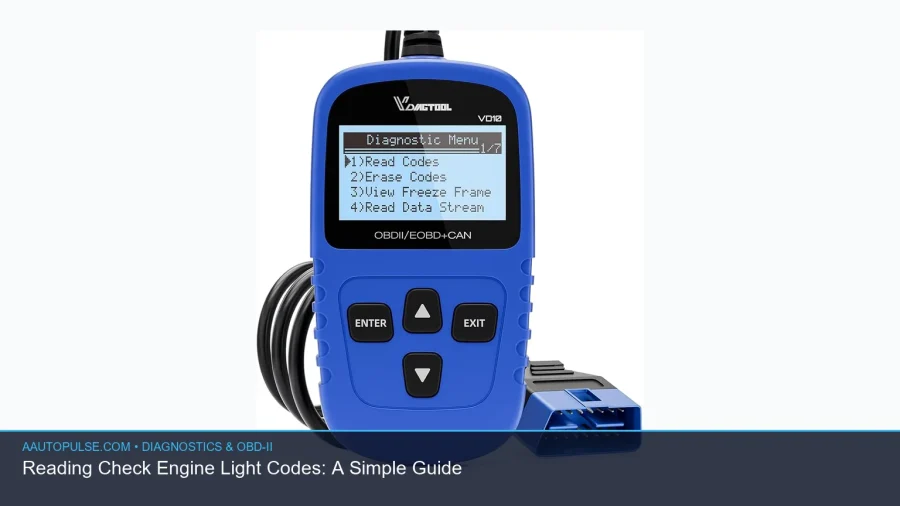
- Scan the trouble codes. Use an OBD-II scanner or visit a shop for a code readout.
- Inspect obvious items. Check hoses, air filter housing, and visible wiring for damage.
- Decide whether it is safe to drive. If the engine is shaking, overheating, or losing power, stop driving and get help.
As a rule, a steady check engine light lets you drive carefully for a short time while you arrange diagnosis. A flashing light suggests active misfire, and that can damage the engine or catalytic converter if you keep driving. When in doubt, choose safety and verification.
Simple Troubleshooting Table: Symptoms, Likely Cause, and Next Step
Use this quick guide to connect the warning light with a likely direction. It is not a substitute for code reading, but it can help you decide what to check first.
| Symptom | Possible Cause | Best Next Step |
|---|---|---|
| Steady light, no drivability changes | EVAP leak, gas cap, sensor fault | Check cap, then scan codes |
| Flashing light, engine shaking | Misfire, coil, plug, injector issue | Reduce driving and diagnose soon |
| Poor fuel mileage | Oxygen sensor, MAF sensor, fuel trim issue | Read codes and inspect intake system |
| Loss of power | Catalytic converter, fuel delivery, misfire | Avoid hard driving and get diagnosis |
How Mechanics Diagnose the Cause of Check Engine Light
A proper diagnosis starts with the trouble code, then moves to testing. A scan tool may show codes like P0300 for random misfire or P0420 for catalytic converter efficiency. Those codes point to the area of concern, but they do not always identify the exact failed part.
Good diagnosis usually includes freeze-frame data, live sensor readings, and a physical inspection. A technician may test fuel trims, check for vacuum leaks, inspect plugs and coils, or verify whether the EVAP system holds pressure. That process helps avoid replacing parts that are still good.
If your vehicle is due for maintenance, it can help to review service items at the same time. For example, some engines need oil changes about every 5,000 to 7,500 miles, while others allow longer intervals depending on oil type and driving style. Always verify the correct interval and oil capacity in your owner’s manual.
FAQ: Common Questions About Check Engine Light Causes
Can I keep driving with the check engine light on?
If the light is steady and the car feels normal, you may be able to drive short distances while you arrange diagnosis. If the light is flashing, or the engine is shaking, overheating, or losing power, stop driving as soon as it is safe. A flashing light often means an active misfire.
Why would my check engine light come on after getting gas?
One of the most common reasons is a loose, damaged, or improperly sealed gas cap. The evaporative emissions system may detect a vapor leak and set a code. Tighten the cap first, then see whether the light clears after a few drive cycles.
What causes engine light to come on without symptoms?
Small EVAP leaks, oxygen sensor faults, or certain emissions-related issues can trigger the light before you notice a drivability problem. That is why the absence of symptoms does not mean the problem is harmless. A scan code is still needed to know what is happening.
Does the check engine light always mean a serious problem?
No. Some check engine light causes are minor, such as a loose gas cap or aging sensor. But because the same light can also point to a misfire or catalytic converter issue, it should never be ignored for long.
What is the fastest way to find the cause of check engine?
The fastest path is to scan the OBD-II codes, write down the exact code numbers, and compare them with the vehicle’s symptoms. From there, a basic visual inspection can catch simple issues like cap, hose, or wiring problems. If the code points to a complex fault, professional testing may be the best next step.
Conclusion: Start with the Basics, Then Scan the Codes
The cause of check engine light is often simpler than drivers fear, but it still needs a real diagnosis. Start with the gas cap, note any symptoms, and read the trouble codes before replacing parts. That approach saves time, reduces guesswork, and helps you decide whether the issue is minor or urgent.
If your light is flashing or the car is running poorly, do not wait. Get the vehicle checked as soon as possible so a small problem does not turn into a bigger repair.