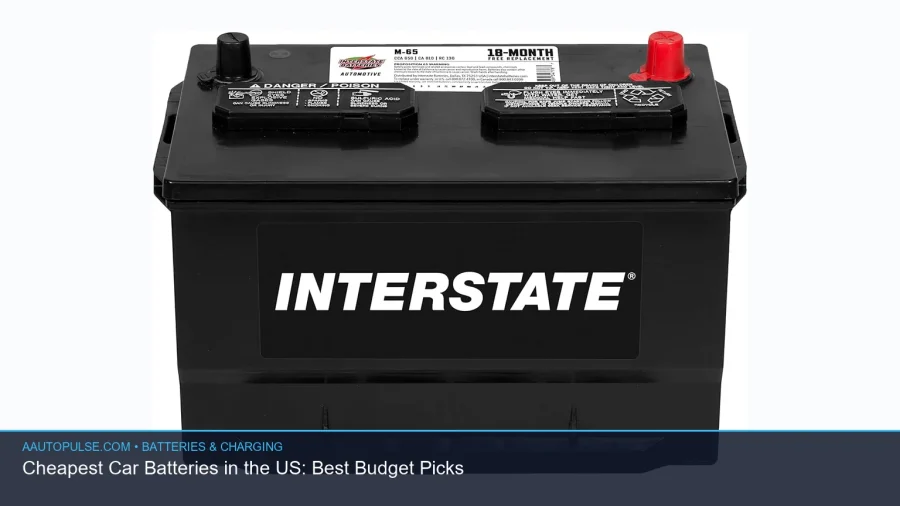
If you’re asking how much does a car battery cost in 2026, the short answer is: most drivers can expect to pay roughly $100 to $300 for a standard replacement battery, with some vehicles costing more. The final price depends on battery type, car size, cold-weather needs, and whether you buy it yourself or have it installed. In many cases, the real decision is not just the battery price, but the total replacement cost. Here’s what affects it, what to expect, and how to choose the right option for your vehicle.
📖 Table of Contents
- What Does a Car Battery Cost in 2026?
- Why the Price of a Car Battery Varies So Much
- What Is the Total Replacement Cost?
- How to Choose the Right Battery for Your Car
- Signs You Need a New Battery
- How to Save Money Without Buying the Wrong Battery
- FAQ: Car Battery Cost Questions
- Conclusion: What You Should Expect to Pay
📌 Key Takeaways
- A typical new car battery cost is about $100 to $300, but luxury, hybrid, and start-stop systems can cost more.
- The total price often includes installation, disposal fees, and taxes, so ask for the full out-the-door amount.
- Battery type matters: standard flooded lead-acid batteries are usually the cheapest, while AGM and specialty batteries cost more.
- If your car shows slow cranking, dim lights, or repeated jump-starts, it may be time to replace the battery rather than wait.
What Does a Car Battery Cost in 2026?
The cost of a car battery in 2026 depends on the vehicle and the battery technology it uses. For many gas-powered sedans and compact SUVs, a basic replacement battery often falls in the $100 to $300 range before labor. If you’re wondering how much is a new battery for a larger vehicle, premium trim, or a model with advanced electrical loads, the price can rise beyond that range.
Installation can add to the total. Some retailers include it, while others charge separately for labor, test charges, and core disposal. That means two drivers can buy the “same” battery and still pay very different final amounts.
Common price ranges by battery type
Battery chemistry and design matter because not all batteries are built for the same demands. A simple flooded lead-acid battery is usually the lowest-cost option. AGM batteries, often used in vehicles with start-stop systems or higher electrical demand, usually cost more because they are built for tougher cycling and longer durability in the right application.
| Battery Type | Typical Cost Range | Best For |
|---|---|---|
| Flooded lead-acid | Lower end of the market | Older or basic vehicles |
| AGM | Higher than standard batteries | Start-stop systems, trucks, and vehicles with high electrical demand |
| Hybrid or EV 12-volt auxiliary battery | Often higher and more variable | Hybrid and electric vehicles |
Why the Price of a Car Battery Varies So Much

There is no single answer to how much does a car battery cost because several factors move the price up or down. Vehicle fitment is a big one. A small commuter car may use a standard battery, while a full-size SUV or luxury sedan may require a larger or more specialized unit.
Climate also matters. Drivers in hot regions may see shorter battery life, while cold climates demand strong cold-cranking performance. If your battery must handle repeated short trips, heavy accessories, or start-stop operation, the right replacement may cost more up front but fit your driving pattern better.
Main cost drivers
- Battery group size: The physical size and terminal layout must match your vehicle.
- Battery type: Standard, AGM, EFB, or specialty batteries have different price points.
- Vehicle technology: Start-stop systems and many newer vehicles often need more advanced batteries.
- Labor and installation: Some vehicles are easy to service, while others need tool-based memory save steps or battery registration.
- Warranty length: Longer coverage usually adds cost, but it may improve value.
What Is the Total Replacement Cost?
The battery itself is only part of the bill. The total replacement cost can include installation, an old battery core charge, tax, and sometimes diagnostic testing. If a shop finds charging-system problems, like a weak alternator or corroded cables, the final bill can rise quickly.
Many drivers compare the sticker price and miss the full out-the-door amount. That is why it helps to ask for a written estimate before the work starts. If you are shopping for a new car battery cost estimate, always compare the complete installed price, not just the battery label.
Typical line items you may see
- Battery price: The base cost of the replacement unit.
- Installation: Labor for removing the old battery and fitting the new one.
- Core charge: A refundable fee if you return the old battery.
- Diagnostic fee: May apply if the shop tests the charging system.
- Battery registration: Needed on some vehicles with smart charging systems.
How to Choose the Right Battery for Your Car
The best battery is the one that matches your owner’s manual and driving habits. Do not buy based on price alone. A cheaper battery that does not fit your car’s requirements can cause poor performance, warning lights, or shorter service life.
Before you buy, check the group size, terminal placement, reserve capacity, and cold-cranking amps listed for your vehicle. Your owner’s manual should be the final source for fitment and specifications. If you are unsure, a parts counter or repair shop can confirm the correct match.
Selection criteria that matter most
- Correct group size: Must fit the battery tray and hold-down system.
- Required cranking power: Important for reliable starts in cold weather.
- Vehicle system type: Standard charging systems and smart charging systems are not the same.
- Warranty: Longer replacement coverage can be useful if you plan to keep the vehicle.
- Driving pattern: Short trips, city traffic, and accessory-heavy driving can justify a higher-grade battery.
| Buyer Need | Best Option | Why |
|---|---|---|
| Lowest upfront cost | Standard flooded battery | Usually cheapest for simple vehicles |
| Start-stop or heavy electrical use | AGM battery | Built for higher cycling demands |
| Long ownership horizon | Mid- to higher-tier battery with strong warranty | May offer better value over time |
Who should choose what? If you drive an older basic car and want the lowest bill, choose a standard battery that meets the manual. If your vehicle uses start-stop or has higher electrical needs, choose the battery type the manufacturer calls for, even if it costs more. If you keep your car for many years, a better warranty and stronger build may be worth the extra upfront expense.
Signs You Need a New Battery
A battery does not always fail suddenly. Often, it gives warning signs first. Catching them early can help you avoid a no-start situation in a parking lot or driveway.
If you notice several of these symptoms, the battery may be near the end of its life. However, similar problems can also come from the alternator, starter, or corroded battery cables, so diagnosis matters.
Common warning signs
- Slow engine cranking when you start the car
- Dim headlights or interior lights
- Clicking sound when turning the key or pressing start
- Battery warning light on the dash
- Needing jump-starts more than once
- Electrical accessories acting weak or erratic
How to Save Money Without Buying the Wrong Battery
You can lower costs without cutting corners. Start by confirming the exact battery your vehicle needs, then compare the total installed price across a few sellers. This helps you avoid overpaying for a battery that is more powerful than necessary or not powerful enough for the job.
It also helps to replace the battery before it dies completely if the signs are obvious. Emergency replacement often costs more in time and stress, especially if towing or roadside service is involved. Regular testing during maintenance visits can give you a clearer timeline.
Simple cost-saving tips
- Check your owner’s manual before shopping.
- Compare installed price, not just the battery label.
- Ask whether the old battery core charge is refundable.
- Look for free battery testing before replacing it.
- Verify whether your vehicle needs battery registration after installation.
FAQ: Car Battery Cost Questions
How much is a new battery for a car in 2026?
For many cars, a new battery usually costs about $100 to $300 before labor. The final price can be higher for AGM, hybrid, luxury, or start-stop applications. Always confirm the correct battery type for your vehicle first.
Is installation included in the battery price?
Not always. Some sellers include installation, while others charge separately. Ask for the full out-the-door price so you can compare offers fairly.
Why do some batteries cost much more than others?
Price differences come from battery size, chemistry, warranty, and vehicle requirements. Batteries for vehicles with start-stop systems or higher electrical demand often cost more because they are built for tougher use.
How long does a car battery usually last?
Many car batteries last about 3 to 5 years, but heat, short trips, and heavy accessory use can shorten that life. If your battery is near that range and showing symptoms, it is smart to test it.
Can I replace the battery myself?
Yes, on some vehicles you can. But many newer cars need special steps, such as battery registration or memory-saving procedures. If you are not sure, it is safer to have the battery installed by a qualified shop.
Conclusion: What You Should Expect to Pay
So, how much does a car battery cost in 2026? For many drivers, the answer is a reasonable $100 to $300 for the battery itself, with the total cost depending on installation and vehicle requirements. The best approach is to match the correct battery to your owner’s manual, compare full installed prices, and replace it before a failure leaves you stranded.
If you are shopping now, start with your vehicle’s exact battery spec, then get a few total-price quotes. That simple step can save money and help you buy the right battery the first time.