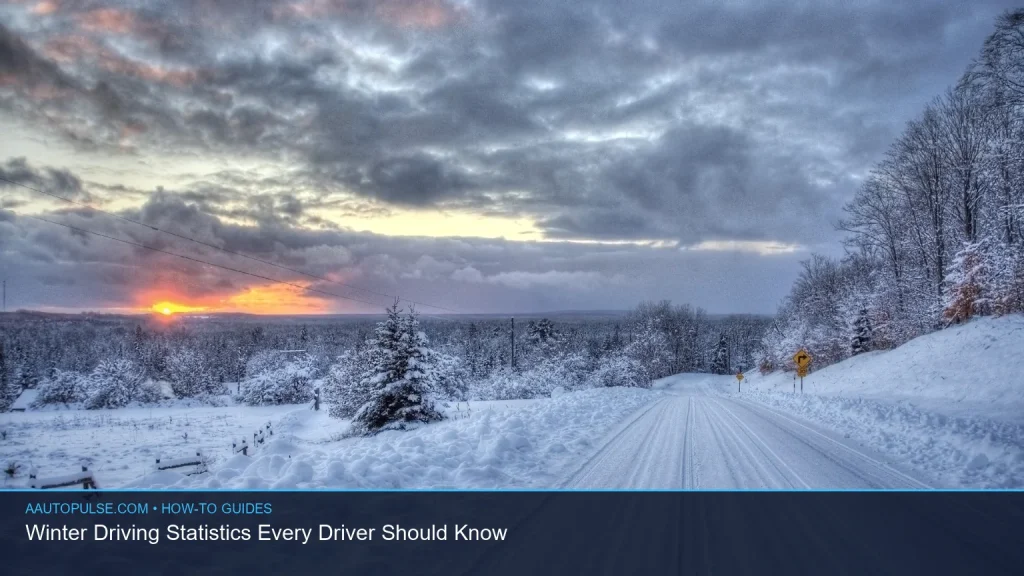
Winter driving statistics paint a clear picture: cold weather, snow, ice, and shorter daylight hours all raise crash risk. If you drive in a state that sees freezing rain or heavy snow, knowing the numbers can help you make safer choices before you turn the key. This guide breaks down the most important winter driving statistics, explains what they mean for everyday drivers, and shows how to reduce risk on the road.
📖 Table of Contents
- Why winter driving statistics matter
- The winter driving statistics every driver should know
- How winter weather changes stopping distance and control
- Which winter conditions lead to the most crashes?
- How to reduce your risk before you drive
- What to do if you start to skid
- How to choose safer winter-driving habits
- FAQ about winter driving statistics
- Conclusion
📌 Key Takeaways
- Winter weather increases crash risk because of reduced traction, poor visibility, and longer stopping distances.
- Most winter crashes are preventable with slower speeds, bigger following gaps, and properly maintained tires and brakes.
- Black ice is one of the most dangerous winter hazards because it can be hard to see until it is too late.
- Planning ahead, checking forecasts, and knowing when to delay a trip can matter as much as driving skill.
Why winter driving statistics matter
Winter driving is not just about snow tires and cold mornings. It is about risk management. Even a light dusting of snow can change how your car brakes, steers, and accelerates.
Statistics help show where danger increases most. They also help drivers focus on the habits that matter most, such as speed control, tire condition, and visibility. In short, the numbers turn vague caution into practical action.
The winter driving statistics every driver should know

Exact figures vary by state, weather event, and year, so current local data should always be checked. Still, several patterns show up again and again in national road-safety reports and crash studies.
| Winter driving risk factor | What the statistics usually show | Why it matters |
|---|---|---|
| Snow and ice | Crash rates rise when roads lose traction | Stopping distance gets longer and control gets harder |
| Low visibility | More rear-end and lane-change crashes happen in storms and fog | Drivers see hazards later and react too late |
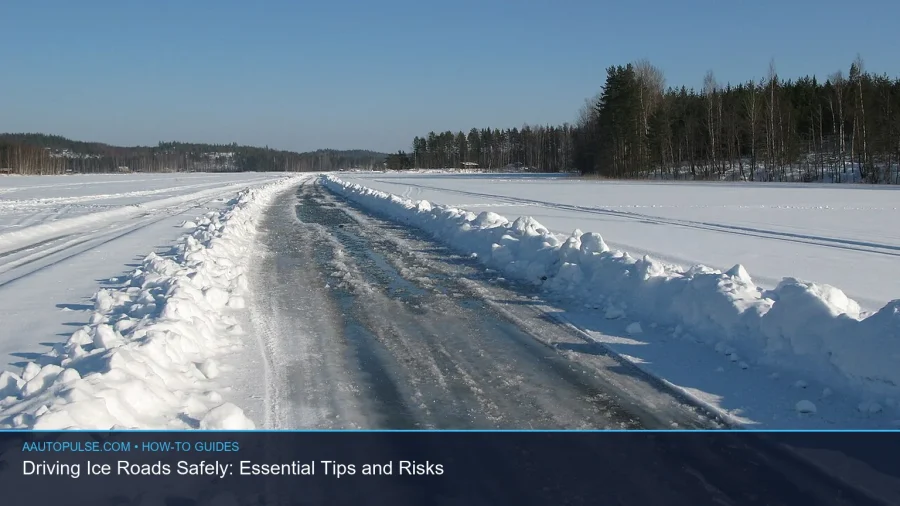
| Freezing rain / black ice | Even light icing can trigger severe loss-of-control crashes | Ice can form with little visual warning |
| Speed too high for conditions | A large share of winter crashes involve driving too fast for the road | Even a legal speed can be unsafe on slippery pavement |
One of the most important takeaways is simple: winter crashes are often less about one dramatic mistake and more about small decisions stacking up. A little too much speed, worn tires, and poor lighting can quickly become a serious problem.
How winter weather changes stopping distance and control
On dry pavement, a vehicle can brake much more predictably. On snow or ice, traction drops and the tires have less grip to work with. That means a car may need far more road to stop, even at modest speeds.
Steering changes too. If the tires cannot bite into the road surface, the vehicle may understeer, oversteer, or slide straight ahead when the driver expects it to turn. This is why winter driving statistics often point to loss-of-control crashes as a major concern.
What drivers should remember
- Leave extra space in front of your vehicle.
- Brake earlier and more gently than you would on dry roads.
- Turn, accelerate, and stop with smooth inputs.
- Assume bridges, ramps, and shaded roads may ice up first.
Many drivers overestimate what all-wheel drive can do in winter. It can help you move forward, but it does not help nearly as much when it is time to stop or turn. Tires and speed choice still matter most.
Which winter conditions lead to the most crashes?

Not every winter hazard is equal. Some conditions are far more dangerous because they sneak up on drivers. Black ice, freezing rain, drifting snow, and slush are especially risky because they can change road grip very quickly.
Nighttime and early morning driving also become more dangerous in winter. Less daylight means more time spent driving in dark conditions, and glare from low sun or wet pavement can reduce visibility further.
| Condition | Main danger | Best response |
|---|---|---|
| Black ice | Hard to detect; sudden loss of grip | Slow down before bridges, ramps, and shaded roads |
| Heavy snow | Reduced visibility and deep slush | Use low speeds and increase following distance |
| Freezing rain | Fast icing on roads and glass | Delay travel if possible |
| Whiteout conditions | Near-zero visibility | Pull over safely if visibility becomes unsafe |
If you are unsure whether conditions are too dangerous, the safest choice is often not to drive. A delayed trip is usually better than dealing with a roadside emergency in freezing weather.
How to reduce your risk before you drive
Good winter driving starts before you leave the driveway. A few quick checks can lower your risk and help your car perform more predictably in cold weather. These steps are especially important before a storm or a long trip.
- Check the forecast and road reports. Look for freezing rain, high winds, and travel advisories.
- Inspect your tires. Make sure tread is adequate and tire pressure matches the vehicle placard. Pressure often drops in cold weather, so verify it regularly.
- Test lights and wipers. Headlights, brake lights, turn signals, and defrosters all matter when visibility drops.
- Clear all windows and mirrors. Snow on the roof can slide forward and block your windshield while driving.
- Keep your gas tank above half. This helps reduce the chance of fuel-related trouble if you are delayed in traffic.
Vehicle maintenance also matters. If your brake pedal feels soft, your tires are worn, or your battery struggles in cold mornings, get those issues checked before conditions worsen. In winter, small mechanical problems can become much bigger safety risks.
What to do if you start to skid
A skid can happen even to careful drivers. The key is to stay calm and avoid overcorrecting. Sudden steering or hard braking often makes the slide worse.
- Look where you want the car to go.
- Ease off the gas.
- Steer gently in the direction of the slide.
- Do not slam the brakes unless your vehicle’s safety system specifically calls for it in an emergency.
- Once traction returns, straighten the wheel slowly.
Modern stability control, anti-lock brakes, and traction control can help, but they do not eliminate winter risk. These systems support the driver; they do not replace careful speed and spacing.
How to choose safer winter-driving habits
Some winter choices are more useful than others. Slower speed, clean windows, and proper tires matter more than a four-wheel-drive badge. If you are deciding where to spend your attention first, use the table below.
| Priority | Why it helps | Best for |
|---|---|---|
| Tires with good tread | Improves grip, braking, and steering | Drivers in snow, slush, and ice |
| Reduced speed | Gives more time to react | Everyone in winter weather |
| Longer following distance | Helps avoid chain-reaction crashes | Highway and city driving alike |
| Visibility prep | Helps you see and be seen | Night driving and storms |
Who should choose what? Drivers in snowy regions should put tires and visibility first. Urban drivers who see occasional ice should focus on speed control and clean glass. Long-distance drivers should also build in extra time and avoid driving during active storms when possible.
FAQ about winter driving statistics
Are winter crashes mostly caused by snow?
Not always. Snow is a major factor, but ice, poor visibility, and driving too fast for conditions also play a big role. In many crashes, the true issue is a mix of weather and driver behavior.
Is four-wheel drive enough for winter driving?
No. Four-wheel drive can help with traction when accelerating, but it does not shorten stopping distance on ice or snow. Tires, speed, and driving technique still matter more for safety.
How often should I check tire pressure in winter?
Check it at least once a month and before longer trips. Cold air lowers tire pressure, which can affect handling, braking, and fuel economy. Always use the pressure listed on your vehicle’s door placard or owner’s manual.
What is the safest thing to do during freezing rain?
If possible, delay travel. Freezing rain can create fast-forming ice on roads, bridges, and power lines. If you must drive, go slowly, avoid sudden inputs, and watch for slick spots.
How do safety ratings relate to winter driving?
Safety ratings matter year-round, but they do not replace winter preparation. For crash protection, check NHTSA star ratings and IIHS crashworthiness categories when shopping for a vehicle. For winter travel, you still need good tires, good visibility, and cautious driving.
Conclusion
The most useful winter driving statistics all point to the same lesson: winter crashes are often preventable. Slower speeds, more space, better tires, and smart trip planning can make a major difference when roads turn cold and slick.
Before your next winter drive, check the forecast, clear your vehicle fully, and make sure your tires and lights are ready. If conditions look bad, delaying the trip is often the safest choice.