Camping in 40 degree weather can be comfortable if you plan for cold nights, damp ground, and fast heat loss. The goal is not to “brave it out.” It is to layer well, stay dry, block wind, and keep your sleep system warm enough for the low temperature you may actually face after sunset. This guide shows you how to prepare, what to pack, and how to stay safe whether you are tent camping in cold weather, dealing with camping in freezing weather, or even considering camping in car in winter.
📖 Table of Contents
📌 Key Takeaways
- Dress in layers, and keep sweat off your skin. Moisture makes you colder fast.
- Use insulation under you as well as over you. A warm sleeping bag alone is not enough.
- Wind, wet ground, and poor ventilation are the biggest problems in 40 degree weather.
- Have a simple safety plan for hypothermia, carbon monoxide risk, and changing conditions.
What camping in 40 degree weather really means
Forty degrees Fahrenheit may not sound severe, but it can feel much colder once the sun drops, wind picks up, or rain starts. For many campers, this is the range where comfort depends on prep instead of luck. A dry, sheltered site and the right sleep gear matter more than toughness.
It also helps to think beyond the forecast high. Evening temperatures often fall quickly, and clear skies can lead to stronger overnight cooling. If you are camping in freezing weather nearby or crossing into colder mountain areas, plan for the coldest part of the trip, not the warmest hour.
Know the main cold-weather risks
The main risks are simple: heat loss, dampness, and poor decision-making. When you get chilled, you may start making mistakes like skipping food, staying in wet clothes, or ignoring early warning signs. That is how a manageable trip becomes unsafe.
In tent camping in cold weather, the ground can pull heat away from your body fast. In car camping, the air may be calmer, but condensation, limited ventilation, and temptation to overheat the vehicle can create new problems.
How to dress for warmth without sweating
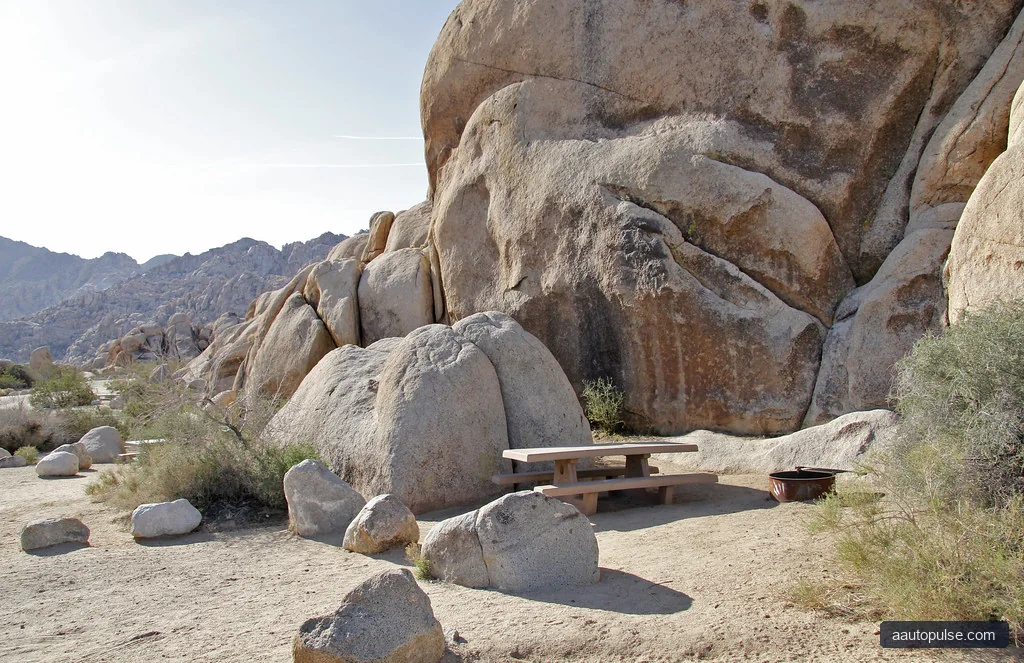
Layering is the best system for camping in 40 degree weather. It lets you add warmth when you stop moving and remove it before you sweat. Sweat is the enemy because damp fabric cools you quickly once activity slows down.
- Start with a moisture-wicking base layer. Choose fabric that pulls sweat away from your skin. Avoid cotton for sleep and long hikes.
- Add an insulating mid-layer. Fleece or lightweight synthetic insulation works well for trapping body heat.
- Finish with a wind- and water-resistant outer layer. This helps block moving air and light moisture.
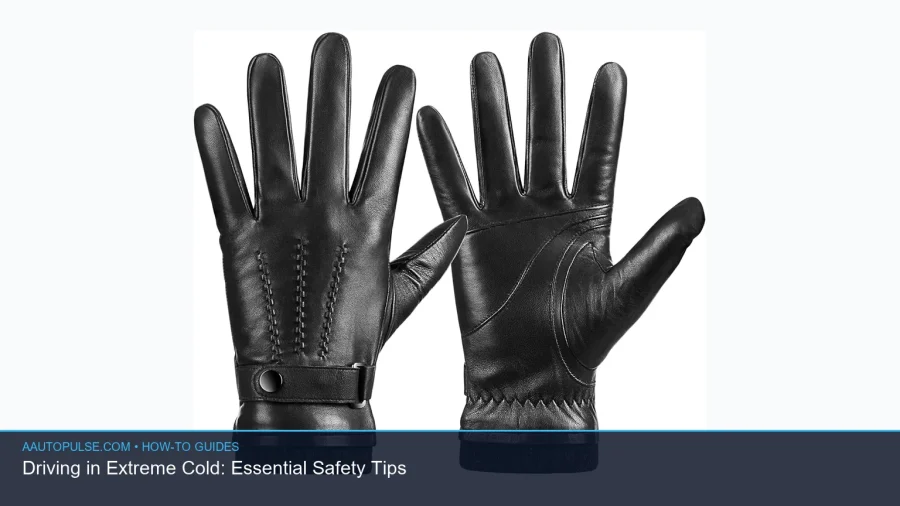
- Protect your extremities. Warm socks, a hat, and gloves can make a big difference.
- Adjust before you get hot. If you are starting to sweat, remove a layer early.
For camp, keep one dry set of clothing reserved for sleeping. Do not wear the same damp shirt or socks you used on the trail. A dry layer at night can improve comfort more than adding another blanket.
Avoid the most common clothing mistakes
Do not overdress while hiking to camp. Many campers start cold, add too much insulation, and then sweat during setup. Once the sun sets, that moisture can turn into a real problem.
Also avoid tight layers that cut off circulation. Warmth comes from trapped air and healthy blood flow, so clothing should fit comfortably, not squeeze.
Build a sleep setup that holds heat
At 40 degrees, the ground is often colder than people expect. If your sleeping pad has poor insulation, your body will lose heat downward all night. That is true even if your sleeping bag is rated for cool weather.
Use a sleep system, not just a sleeping bag. The combination of pad, bag, clothing, and site choice determines how warm you feel. If you are unsure, choose gear with more warmth than the forecast suggests you need.
| Sleep setup choice | Strengths | Limitations | Best for |
|---|---|---|---|
| Light sleep system | Easy to pack, fine for mild nights | Can feel cold near 40°F and below | Warm sleepers in protected sites |
| Three-season bag with insulated pad | Good balance of warmth and weight | May need extra layers if wind or dampness rises | Most campers in 40 degree weather |
| Warmer-rated bag with high-R-value pad | Better margin for cold nights and freezing weather | Bulkier, less minimalist | Cold sleepers and shoulder-season trips |
Who should choose what: If you sleep warm and the forecast is stable, a solid three-season setup may be enough. If you run cold, expect wind, or may face camping in freezing weather, choose a warmer bag and a better pad. If you are car camping, bulk matters less, so bring extra insulation if needed.
Pick the right site and set up for less wind
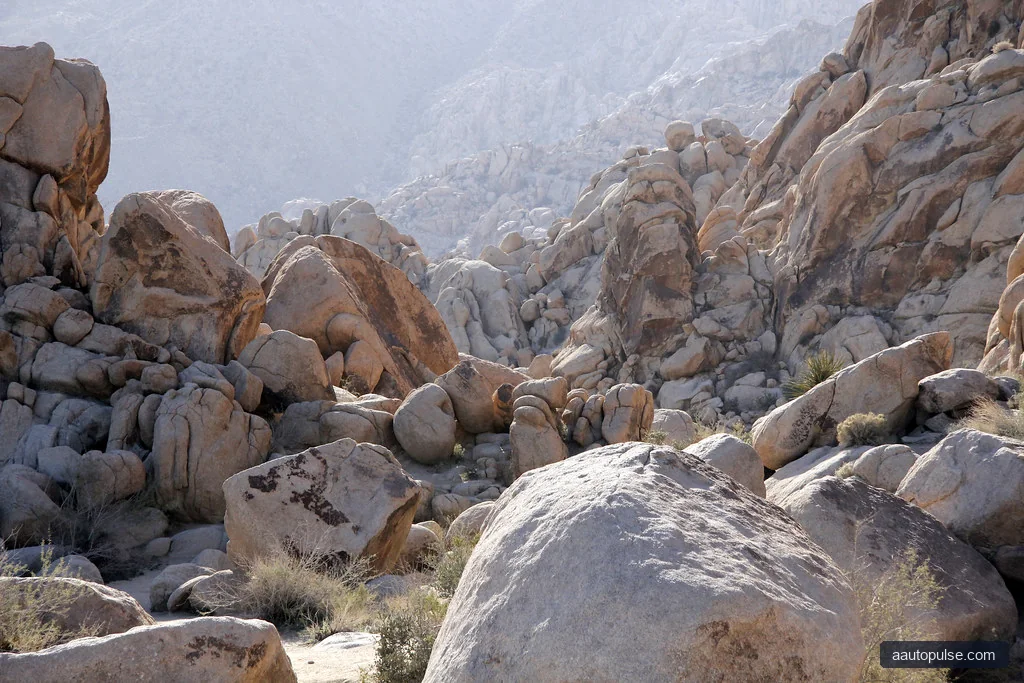
Your campsite can change the temperature you feel more than a few degrees on the forecast. A sheltered spot, out of the wind and away from low wet ground, will usually feel much warmer. Good site selection also improves sleep and reduces morning condensation.
Look for natural windbreaks like trees, hills, or landforms that block gusts without creating overhead hazards. Avoid hollows where cold air settles. Stay away from flood-prone spots, and do not pitch your tent where water may collect if the weather shifts.
Simple setup priorities
- Face the tent to reduce wind exposure. Put the lowest, smallest side into the breeze when possible.
- Clear the ground. Remove sticks and stones before setup for comfort and insulation.
- Use a groundsheet carefully. Keep it inside the tent edge so it does not catch rain and funnel water under you.
- Ventilate the tent. Even in cold air, some airflow reduces condensation.
If you are tent camping in cold weather, condensation may form on tent walls, sleeping bags, or clothing. Keep wet items separate from dry sleep gear. In the morning, air things out early if conditions allow.
Eat, drink, and move to stay warm
Your body makes heat through movement and fuel. If you skip food or underdrink, it becomes harder to stay warm. This is especially important when camping in 40 degree weather because mild cold can still drain energy over a long evening.
Eat regular meals and snacks, even if you do not feel hungry. Warm drinks can help comfort, but they are not a substitute for food, dry layers, or shelter. Choose foods that are easy to digest and simple to prepare.
Use these habits during camp
- Eat before you get cold, not after.
- Drink enough water to avoid dehydration, since cold air can be drying.
- Do short movement bursts to warm up, but avoid sweating heavily.
- Store snacks where you can reach them without unpacking everything.
Late at night, a brief walk or light camp chore can help if you start to chill. Just do not overdo it. The goal is gentle warmth, not a soaking sweat that will cool you later.
How to stay safe in freezing weather or in a car
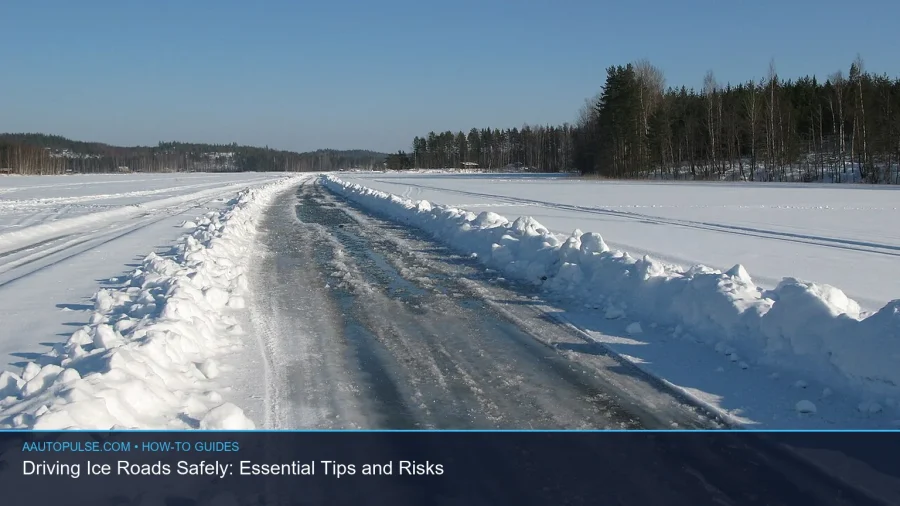
If the forecast may dip below 40, treat the trip more seriously. Camping in freezing weather increases the risk of hypothermia, frost, and ice-related problems like slippery surfaces and frozen water. Keep a backup plan in case the temperature falls faster than expected.
For camping in car in winter, the vehicle gives shelter from wind, but it adds new safety concerns. Never run a car in an enclosed or poorly ventilated space. Carbon monoxide can build up quickly and is dangerous even if you cannot smell it.
| Situation | Main risk | Best response |
|---|---|---|
| You feel shivery and tired | Early hypothermia | Add dry layers, eat, and get into shelter fast |
| Sleeping bag feels damp | Rapid heat loss | Change into dry clothes and improve ventilation |
| Car camping with engine on | Carbon monoxide exposure | Do not idle in enclosed areas; use safe ventilation and shut the engine off |
| Wet socks or gloves | Fast cooling | Swap to dry backups right away |
Decision note: If your setup cannot handle the colder end of the forecast, reschedule or switch to a warmer shelter plan. When temperatures near freezing, comfort matters less than safe margins.
FAQ
What should I wear for camping in 40 degree weather?
Wear a moisture-wicking base layer, a warm mid-layer, and a wind-resistant outer layer. Bring a hat and warm socks, and keep dry clothes for sleeping. If you sweat during the day, change before bed.
Is 40 degrees too cold for tent camping?
Not necessarily, but it depends on your gear and the overnight low. Many people can handle tent camping in cold weather at 40 degrees if they use an insulated pad, a suitable sleeping bag, and a sheltered campsite. If you sleep cold, bring extra insulation.
How can I keep my sleeping bag warmer?
Use a pad with enough insulation, wear dry sleep clothes, and reduce drafts inside the tent. A hat can help, since a lot of heat leaves through your head and neck area. Also keep the bag dry and avoid compressing loft.
Can I sleep in my car if it gets too cold?
Camping in car in winter can be safer than exposed camping in wind, but only if done carefully. Keep fresh air flowing, never run the engine in an enclosed area, and prepare for condensation and low temperatures inside the vehicle. If the car is your backup shelter, still bring proper bedding and warm clothing.
What are the early signs I am getting too cold?
Early signs include shivering, clumsiness, numb fingers, slow thinking, and unusual fatigue. If these show up, act fast: add dry layers, eat, drink, and get into shelter. If symptoms worsen, seek help immediately.
Conclusion
Camping in 40 degree weather is very doable when you treat warmth as a system. Dress in layers, keep everything dry, choose a sheltered site, and use a sleep setup that insulates from the ground as well as the air. If conditions may drop lower, prepare for camping in freezing weather instead of assuming 40 degrees is the worst-case scenario.
Before your trip, check the forecast again, pack a dry backup layer, and confirm your shelter plan. A few smart choices ahead of time can make the whole experience safer, warmer, and much more comfortable.
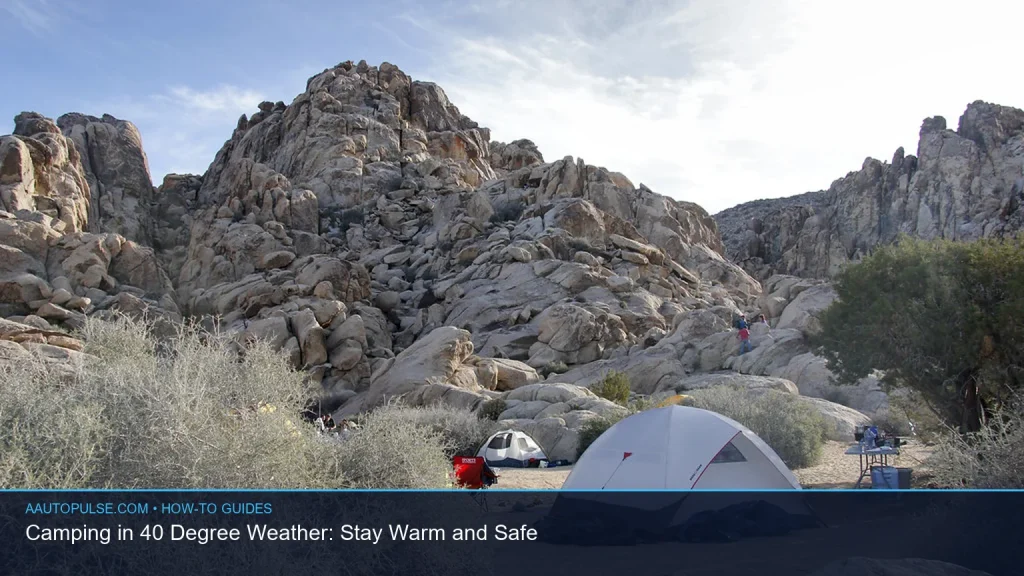
Featured image: Photo: Joshua Tree National Park / Public domain via flickr