Driving in extreme cold can be safe if you prepare the car, adjust your driving, and know when to stay off the road. The biggest risks are poor traction, weak batteries, frozen fluids, low tire pressure, and sudden whiteout conditions. This guide covers the most important steps for cold-weather travel, from winter car essentials to what to do during a blizzard. If you only remember one thing, remember this: slow down, increase space, and avoid driving when conditions are too bad to see or stop safely.
📖 Table of Contents
- What to Do Before You Drive in Extreme Cold
- How to Drive in Extreme Cold Without Losing Control
- Blizzard Driving: When to Go, When to Stop, and How to Prepare
- How to Drive a 4×4 in Snow and Why It Still Needs Caution
- Cold Weather and Tires: The Most Overlooked Safety Issue
- What to Keep in the Car for an Emergency
- When Is It Too Cold to Drive?
- FAQ
- Conclusion
📌 Key Takeaways
- Check tires, battery, fluids, wipers, and heat before you travel in freezing weather.
- Drive slower than you think you need to, and leave extra room for braking on snow, slush, or ice.
- Avoid driving in a blizzard, black ice, or whiteout conditions unless travel is truly necessary.
- Keep a winter emergency kit in the car, and follow your owner’s manual for cold-weather maintenance.
What to Do Before You Drive in Extreme Cold
Good winter driving starts before you turn the key. Extreme cold stresses nearly every part of a vehicle, especially the battery, tires, and fluids. A few minutes of preparation can prevent a roadside problem that turns dangerous fast.
Start with a quick walkaround. Clear snow and ice from the roof, hood, windows, mirrors, lights, and sensors. This helps you see better and protects other drivers from flying snow and ice while you’re moving.
Use this cold-weather checklist
- Battery: Check for slow starts, dim lights, or corrosion on terminals.
- Tires: Look at tread depth and tire pressure. Cold weather lowers pressure, so check when tires are cold.
- Fluids: Top off washer fluid with winter-rated fluid and confirm coolant is at the proper level.
- Wipers and defroster: Make sure blades are not cracked and the cabin heat clears the windshield.
- Lights: Confirm headlamps, brake lights, and turn signals work.
- Gas tank: Keep at least a half tank when possible to reduce the risk of fuel-line issues and to give you extra range if traffic stalls.
If you’re building a car winterization checklist, include the owner’s manual first. It gives the correct tire pressure, fluid types, service intervals, and battery guidance for your exact vehicle. That matters because some engines and drivetrains have special cold-weather needs.
How to Drive in Extreme Cold Without Losing Control
The main rule for driving in extreme cold is simple: be smooth. Fast steering, hard braking, and sudden acceleration all reduce traction. On snow and ice, the tires have far less grip than on dry pavement, so every input should be gentle and early.
- Accelerate slowly. Press the gas lightly to avoid wheel spin.
- Brake early. Begin slowing far sooner than normal and use steady pressure.
- Turn gradually. Make soft, controlled steering movements.
- Increase following distance. Leave much more room than you would in fair weather.
- Use low beams in poor visibility. High beams can reflect off snow and make it harder to see.
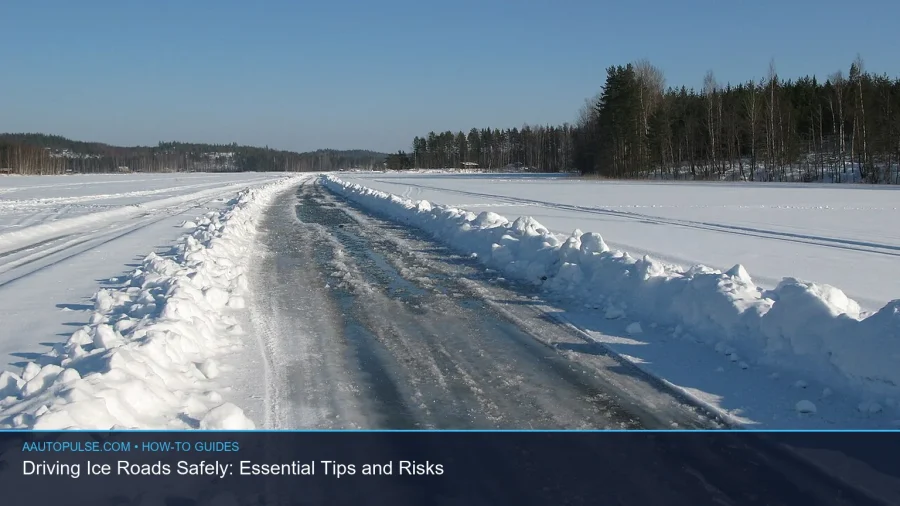
When you are driving car on ice, assume traction is limited even if the pavement looks wet. Ice can form in shaded areas, on bridges, on ramps, and near intersections. Black ice is especially risky because it often looks like clean pavement.
Watch for black ice warning signs
- The road looks shiny or darker than the surrounding pavement.
- Temperatures are near freezing after rain, mist, or snow.
- Bridges, overpasses, and untreated side roads are colder than main roads.
- Your car feels light or drifts with very little steering input.
If the vehicle starts to slide, avoid jerking the wheel. Ease off the gas and steer in the direction you want the front of the car to go. If your car has anti-lock brakes, press the brake pedal firmly and keep it steady rather than pumping it.
Blizzard Driving: When to Go, When to Stop, and How to Prepare
Driving in a blizzard is one of the most dangerous winter scenarios because visibility can drop fast and roads can disappear under snow. Even if your vehicle handles well, other drivers, stalled cars, and drifting snow can create sudden hazards. The safest choice is often to delay travel until conditions improve.
If travel cannot wait, use travel advice for stormy winter weather as a planning tool. Check road closures, local weather alerts, and estimated plow activity before you leave. Tell someone your route and expected arrival time.
| Condition | Best Response | Why It Matters |
|---|---|---|
| Light snow | Drive slowly and increase following distance | Traction is reduced, but roads may still be manageable |
| Heavy snow or whiteout | Pull off safely if possible and wait it out | Visibility and lane markers may disappear |
| Blizzard warnings | Avoid travel unless it is urgent | Roads can close, and rescue may take longer |
| Black ice | Reduce speed and avoid sudden inputs | You may not see the loss of traction until it is too late |
In many cases, the best answer to blizzard driving is not “how,” but “should you at all?” If visibility is poor enough that you cannot see lane lines, if road shoulders are buried, or if wind is pushing your car, it is safer to stop in a legal, protected place and wait.
How to Drive a 4×4 in Snow and Why It Still Needs Caution
Many drivers assume four-wheel drive or all-wheel drive makes winter roads easy. It helps you move off the line, but it does not shorten stopping distance or eliminate skids. That is why how to drive a 4×4 in snow still comes down to the same basics: slow speed, smooth inputs, and smart spacing.
Use 4×4 or AWD only when needed and according to your vehicle’s system. Some systems are automatic, while others require the driver to select a mode. Check the owner’s manual before using any lock, low-range, or terrain setting.
4×4 winter driving tips
- Do not drive faster just because the vehicle feels stable.
- Use the correct drivetrain mode for the road surface.
- Avoid sudden throttle changes that can break traction.
- Remember that braking and cornering limits are still limited by the tires.
If you’re choosing between vehicles for winter use, safety ratings help. Look for strong NHTSA 5-star ratings and good IIHS crashworthiness categories. Those ratings do not make a vehicle immune to winter hazards, but they can provide added confidence in a crash.
Cold Weather and Tires: The Most Overlooked Safety Issue
Cold weather and tires are closely linked because air pressure drops as temperatures fall. Low pressure can reduce grip, hurt fuel economy, and make steering feel less stable. Tires also harden in very cold weather, which can reduce flexibility and traction.
Check pressure more often in winter, especially after a big temperature drop. Use the pressure listed on the driver-side door placard, not the number on the tire sidewall. If your tire pressure warning light comes on, don’t ignore it.
| Symptom | Likely Cause | What to Do |
|---|---|---|
| Steering feels heavy | Underinflated tires or deep snow drag | Check tire pressure and reduce speed |
| Car pulls to one side | Uneven tire pressure or ice buildup | Inspect tires and clear wheel wells |
| Wheel spin on takeoff | Too much throttle or worn tread | Accelerate more gently and consider tire replacement |
If your tires are near the wear bars or older than recommended by the manufacturer, winter performance may be poor even if tread still looks acceptable. Always verify tire age and condition with a trusted tire professional or your vehicle documentation.
What to Keep in the Car for an Emergency
A winter emergency kit can make a long delay much safer. The right items help you stay warm, visible, and informed if you get stuck in snow or traffic stops moving. This is one of the most practical winter car essentials you can keep on hand.
Recommended winter car essentials
- Blanket or extra warm layers
- Ice scraper and snow brush
- Flashlight with fresh batteries
- Phone charger or power bank
- Water and nonperishable snacks
- First aid kit
- Small shovel
- Traction aid such as sand or kitty litter, if you choose to carry it
- Reflective warning triangle or flares, if permitted in your area
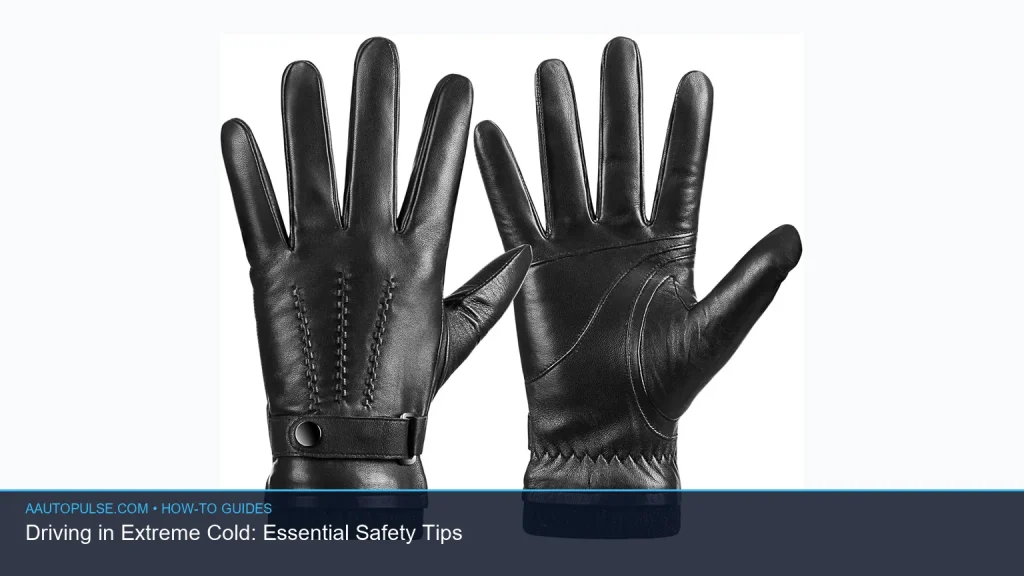
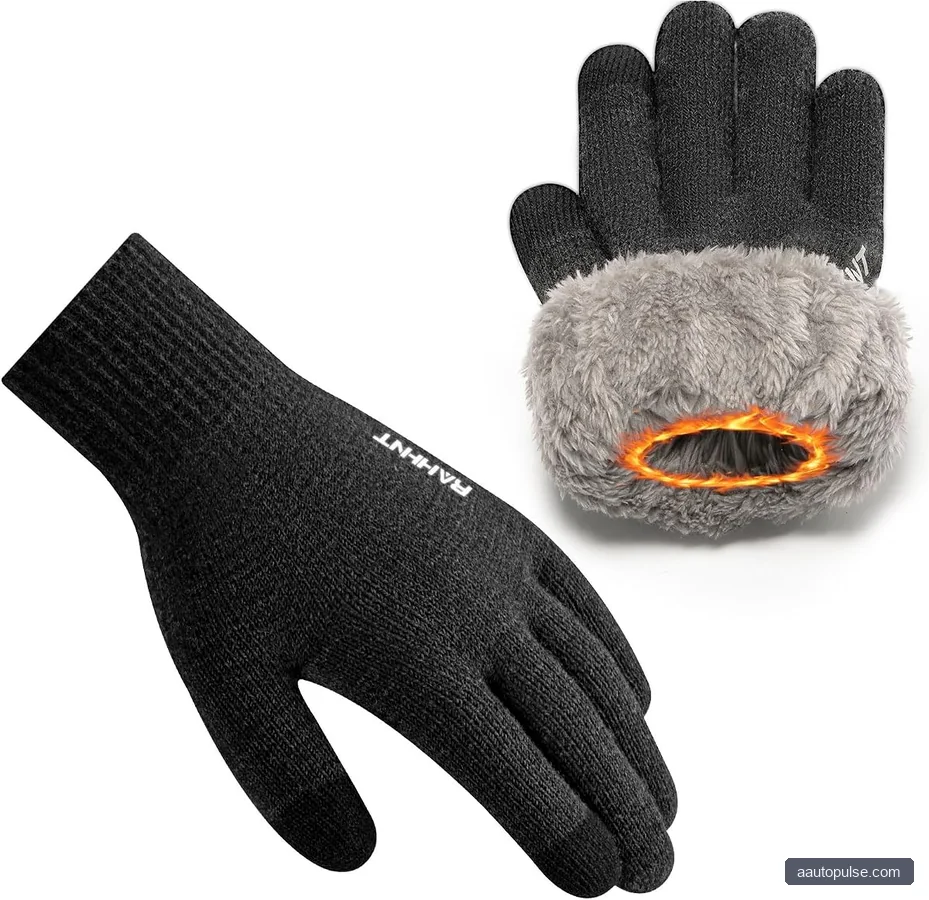
Also keep gloves, a hat, and boots in the car if possible. If you must leave the vehicle, cold injuries can develop quickly in wind and wet snow. Staying visible matters too, so bright or reflective gear can help rescuers or other drivers spot you.
When Is It Too Cold to Drive?
There is no single temperature at which every car becomes unsafe. The real question is not at what temperature should you not drive your car, but whether the vehicle is ready and the road is safe. A well-maintained car can often operate below freezing, but extreme cold increases the chance of battery failure, tire pressure loss, frozen door seals, and brittle plastics.
Consider staying off the road if the vehicle has trouble starting, the windshield will not defrost properly, the tires are severely underinflated, or weather alerts warn of dangerous travel. If you are unsure, check your owner’s manual and local travel advisories before leaving.
FAQ
How do I protect my car from snow overnight?
Park where snow is least likely to drift, keep the windshield and roof clear, and use a proper cover only if it is designed for winter use. Clear snow fully in the morning so it does not fall onto your windshield or other cars while driving.
What should I do if I start sliding on black ice?
Stay calm, ease off the gas, and avoid sharp steering. If your vehicle has anti-lock brakes, press the brake pedal firmly and keep steering in the direction you want to go.
How often should I check tire pressure in winter?
Check it at least once a month, and more often during big temperature swings. Cold weather can lower pressure quickly, so this is one of the easiest ways to improve winter safety.
Is AWD or 4×4 enough for blizzard driving?
No. AWD and 4×4 can help with traction, but they do not improve visibility or stopping distance. In a severe storm, the safest choice is often not to drive.
What maintenance should be on a winter car winterization checklist?
Include battery testing, tire inspection, fluid checks, wipers, lights, defroster performance, and emergency supplies. Follow your vehicle’s owner’s manual for service intervals, fluid types, and any model-specific needs.
Conclusion
Driving in extreme cold is mostly about preparation and caution. Check the car before you leave, drive smoothly, watch for ice, and avoid unnecessary trips when a storm is building. If conditions are severe enough, the smartest move is to wait.
Before your next winter trip, review your car winterization checklist, pack your winter car essentials, and check local weather and road alerts. A few simple habits can make cold-weather driving much safer.