If you’re shopping for a rechargeable car battery, the best choice depends on your vehicle, your driving habits, and how you use electrical systems like start-stop tech, heated seats, or an aftermarket stereo. Some batteries are built for everyday starting power, while others are made to handle deeper cycling and repeated recharging. In this guide, you’ll learn what a rechargeable car battery is, how to compare battery types, what specs matter, and how to choose the right one for reliable starting and long service life.
📖 Table of Contents
- What a Rechargeable Car Battery Does
- Types of Rechargeable Car Batteries
- How to Choose the Right Rechargeable Car Battery
- When a Rechargeable Car Battery Makes Sense for Your Driving Habits
- How to Compare Batteries Before Buying
- How to Maintain a Rechargeable Car Battery
- Troubleshooting: Signs Your Battery May Be the Problem
- FAQ About Rechargeable Car Batteries
- Conclusion: Make the Battery Match the Vehicle, Not Just the Price
📌 Key Takeaways
- A rechargeable car battery is not just about holding a charge; it must fit your vehicle’s electrical demands and charging system.
- Match the battery type to your use case: standard driving, start-stop vehicles, or heavy accessory use.
- Check group size, terminal layout, cold cranking amps, and reserve capacity before you buy.
- Always verify fitment and requirements in your owner’s manual before making a final choice.
What a Rechargeable Car Battery Does
A rechargeable car battery stores electrical energy and gives your vehicle the power it needs to start. Once the engine is running, the alternator recharges the battery and supports the electrical system. That means the battery must deliver strong starting power, then recover well during normal driving.
Most drivers use the term “rechargeable car battery” to mean any 12-volt automotive battery that can be charged again after use. In practice, though, different battery designs behave differently. Some are best for regular gas vehicles, while others are better for vehicles with stop-start systems or extra electrical loads.
If your battery keeps dying, the battery may not be the only issue. A weak alternator, loose cable, corroded terminals, or a parasitic drain can also cause repeated charging problems. That is why it helps to understand both the battery and the charging system together.
Types of Rechargeable Car Batteries
The right battery type depends on your car and how you drive it. The three most common choices are flooded lead-acid, AGM, and EFB batteries. Each one has different strengths, limitations, and charging needs.
| Battery Type | Strengths | Limitations | Best For |
|---|---|---|---|
| Flooded lead-acid | Common, affordable, widely available | More sensitive to deep discharge and vibration | Older vehicles and standard daily driving |
| AGM | Better vibration resistance, strong charging performance | Usually costlier than flooded batteries | Start-stop vehicles, larger electrical loads, colder climates |
| EFB | Improved cycling over standard flooded designs | Not as robust as AGM in demanding use | Vehicles with basic start-stop systems |
Who should choose what? If your car came with AGM, replace it with AGM unless your manual says otherwise. If your vehicle uses a start-stop system, check whether it needs AGM or EFB. If you drive a conventional sedan or truck without extra electrical load, a standard flooded battery may be enough.
How to Choose the Right Rechargeable Car Battery
Choosing a battery is easier when you focus on the specs that matter. The goal is not to buy the biggest battery. The goal is to buy the battery that fits your car, starts it reliably, and works well with the charging system.
1. Check the battery group size
Group size refers to the battery’s physical dimensions, terminal placement, and hold-down style. If the size is wrong, the battery may not fit securely, even if it has good electrical specs. Your owner’s manual or the old battery label can help you confirm the correct group size.
2. Look at cold cranking amps
Cold cranking amps, or CCA, measure how well a battery can start your engine in cold weather. This matters a lot in northern states or mountain areas. A battery with too little CCA may crank slowly, especially during winter starts.
3. Review reserve capacity
Reserve capacity shows how long the battery can support the car if the alternator is not doing its job. A higher reserve capacity can be helpful if you use accessories often or take short trips. It is not the only spec to watch, but it can add a useful margin of safety.
4. Match the terminal layout
Some batteries have top posts, side posts, or both. Terminal position matters because cables need to reach without strain. A battery that fits poorly can create installation problems and future connection issues.
5. Confirm charging compatibility
Modern vehicles use smarter charging systems than older cars. Some systems are tuned for AGM or EFB batteries and may not fully charge the wrong type. When in doubt, follow the manual and confirm compatibility before buying.
When a Rechargeable Car Battery Makes Sense for Your Driving Habits

Your daily routine affects battery performance as much as the battery itself. Short trips, long idle periods, extreme heat, and cold weather all change how often the battery gets recharged. A battery that works fine for one driver may fail early for another.
If you drive mostly short distances, the battery may not have enough time to recharge fully between starts. That can lead to slow cranking over time. If your car sits for days at a time, it may also need a battery tender or charger to stay healthy.
Drivers with high accessory use should pay close attention. Power seats, premium audio, dash cams, cargo lights, and phone chargers all add load. If you often run accessories with the engine off, choose a battery with solid reserve capacity and consider whether AGM is a better fit.
Common use cases and what tends to work best
- Daily commuter: Standard flooded or OEM-recommended battery type.
- Start-stop vehicle: AGM or EFB, depending on the original equipment spec.
- Cold-climate driver: Battery with strong CCA and reliable recharge performance.
- Accessory-heavy setup: AGM often offers better durability under repeated load.
How to Compare Batteries Before Buying
If you are comparing rechargeable car batteries, use a simple checklist. It will help you avoid buying a battery that fits physically but does not meet the car’s needs. This matters even more for newer vehicles with smart charging systems.
- Check your owner’s manual. Confirm the required battery type, group size, and CCA range.
- Inspect the old battery label. Note the group size, terminal layout, and any AGM or EFB markings.
- Compare CCA and reserve capacity. Stay within the recommended range unless the manufacturer allows an upgrade.
- Review fit and hold-down style. Make sure the battery will mount securely in the tray.
- Confirm vehicle system compatibility. Some stop-start systems need a battery registration or reset after installation.
| Selection Criteria | Why It Matters | What to Verify |
|---|---|---|
| Battery type | Must match the vehicle’s charging system | Flooded, AGM, or EFB |
| Group size | Ensures physical fit and secure mounting | Tray size and hold-down fit |
| CCA | Supports cold-weather starting | Manual recommendation and climate needs |
| Reserve capacity | Helps during short trips and accessory use | Manufacturer label or spec sheet |
How to Maintain a Rechargeable Car Battery
Good maintenance can extend battery life and reduce no-start problems. The basics are simple: keep the terminals clean, make sure the battery is secured, and avoid frequent deep discharge. Even a strong battery can fail early if it is neglected.
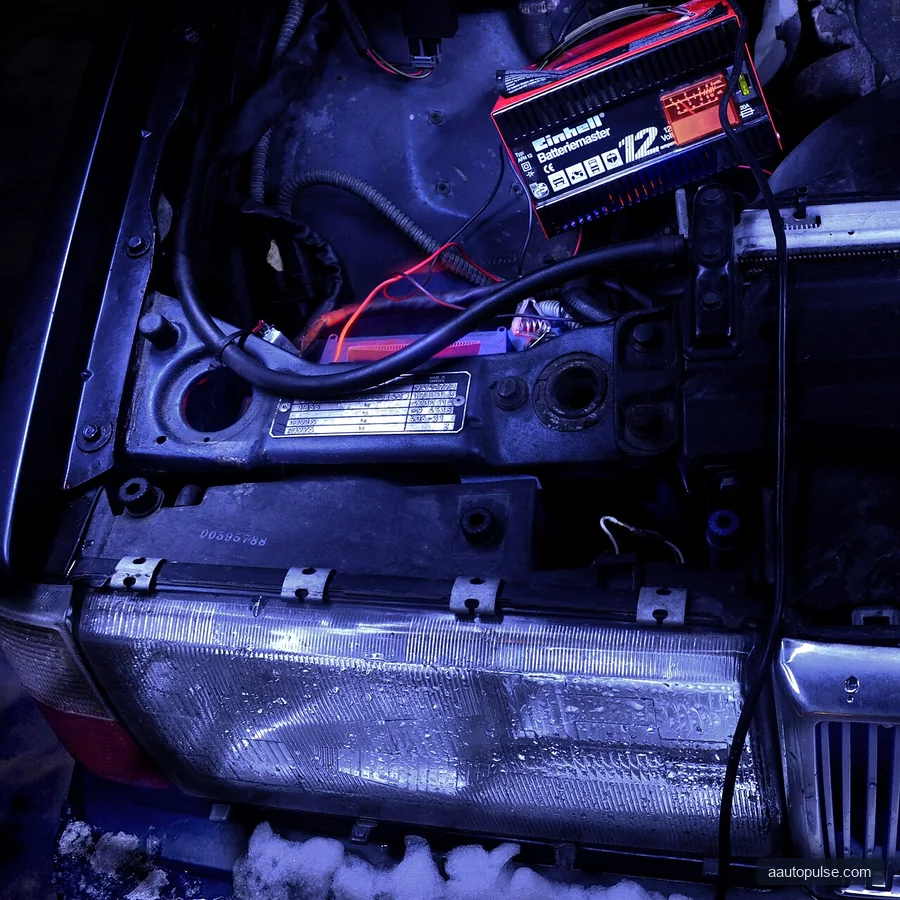
Here are a few practical habits that help. Drive long enough for the alternator to recharge the battery, especially after repeated short trips. If the vehicle sits for long periods, use a quality maintainer designed for automotive batteries. And if you notice corrosion, clean it carefully and inspect the cable ends for damage.
Battery life varies by climate, driving pattern, and vehicle load, so there is no universal replacement interval. Some drivers get several good years from a battery, while others need replacement sooner due to heat, short-trip use, or electrical demand. Your manual and a battery test are more reliable than guesswork.
Troubleshooting: Signs Your Battery May Be the Problem
Not every starting issue means the battery is bad. But the symptoms below often point to a weak battery, a charging issue, or a bad connection. If these problems keep coming back, the charging system should be checked too.
- Slow cranking when you turn the key or press the start button
- Clicking sound but no engine start
- Dim headlights or flickering interior lights
- Battery warning light on the dash
- Electrical accessories acting weak or resetting
- Battery case swelling, leaking, or heavy corrosion on the terminals
If the battery is more than a few years old, these signs deserve attention. Still, a weak alternator or parasitic drain can mimic battery failure. A proper diagnosis should test the battery, alternator output, and resting voltage before parts are replaced.
FAQ About Rechargeable Car Batteries
How do I know which rechargeable car battery fits my vehicle?
Start with the owner’s manual. It should list the required group size, battery type, and recommended CCA. You can also check the label on your current battery, but always confirm the match before buying.
Can I replace a flooded battery with AGM?
Sometimes, but not always. Some vehicles can use AGM as an upgrade, while others are calibrated for a specific battery type. Check the manual or a trusted fitment guide before switching types.
Why does my battery keep dying even after I recharge it?
The problem may not be the battery itself. Common causes include a bad alternator, loose terminals, a parasitic drain, or short trips that do not allow full recharge. A basic charging-system test can help narrow it down.
Do I need to register a new battery?
Some modern vehicles do. This is common in cars with smart charging systems or battery monitoring modules. If your vehicle requires registration or reset, follow the service procedure in the manual or use a qualified repair shop.
Should I buy the highest CCA I can find?
Not necessarily. Higher CCA can help in cold weather, but the battery still needs to fit the vehicle and match the charging system. The best choice is the one that meets the manufacturer’s requirements and suits your climate and driving style.
Conclusion: Make the Battery Match the Vehicle, Not Just the Price
The best rechargeable car battery is the one that fits your car, supports your driving habits, and works with your charging system. Focus on battery type, group size, CCA, reserve capacity, and fitment before you buy. For the safest result, always verify the details in your owner’s manual and replace the battery only after you confirm compatibility.
If you are still unsure, compare your current battery label with the manual and get the charging system tested. That simple step can save time, money, and frustration later.