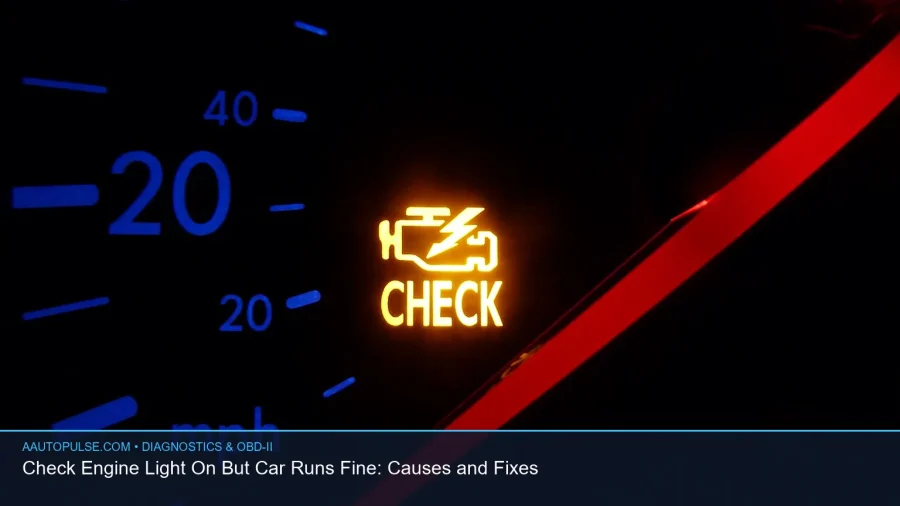
If your oxygen sensor check engine light is on, the issue is often related to a worn sensor, an exhaust leak, wiring damage, or an engine problem that is affecting air-fuel readings. In many cases, the light is not caused by the sensor alone. The right fix starts with the trouble code, a quick inspection, and a few basic checks before replacing parts. This guide explains what the oxygen sensor does, why the light comes on, and how to diagnose the problem without guesswork.
📖 Table of Contents
📌 Key Takeaways
- An oxygen sensor code does not always mean the sensor itself has failed.
- Exhaust leaks, bad wiring, vacuum leaks, and fuel system issues can all trigger an oxygen sensor check engine light.
- Reading the OBD-II code first is the fastest way to narrow the cause and avoid unnecessary parts replacement.
- If the light is flashing, or the engine runs rough, reduce driving and diagnose the issue soon to avoid catalytic converter damage.
What the oxygen sensor light really means
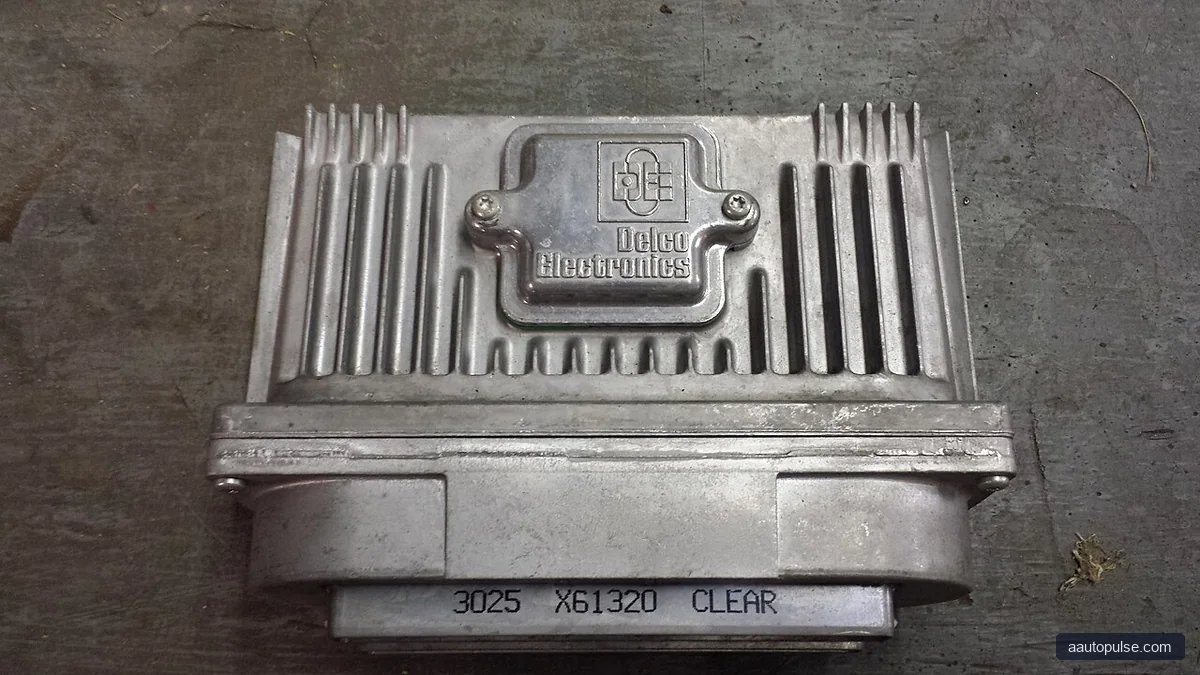
The oxygen sensor helps the engine computer measure how much oxygen is left in the exhaust. That data helps the system adjust fuel delivery so the engine runs efficiently and keeps emissions low. When the computer sees a signal that is out of range, slow, or missing, it may set a code and turn on the check engine light.
An o2 sensor check engine light can point to the sensor itself, but it can also point to a problem nearby. The engine may be running too rich, too lean, or with an exhaust leak that changes the sensor reading. That is why the code matters more than the warning light alone.
Common causes of an oxygen sensor check engine light

There are several common reasons this light appears. Some are simple, while others mean the sensor is only reporting a deeper engine issue. A proper diagnosis should start with the code and a visual inspection.
1. A worn or aging oxygen sensor
Oxygen sensors wear out over time. On many vehicles, upstream sensors may start to slow down as mileage climbs, often somewhere around 80,000 to 150,000 miles, though the exact interval depends on the vehicle. Always verify service intervals in the owner’s manual.
2. Exhaust leaks
An exhaust leak before or near the sensor can let outside air in. That extra oxygen can fool the sensor and cause a false reading. Common leak points include exhaust manifold gaskets, flex pipes, and cracked welds.
3. Wiring or connector damage
The sensor relies on clean signals and power. Heat, road debris, corrosion, and rubbing can damage the wiring harness or connector. If the signal is interrupted, the computer may set a fault even if the sensor element itself is still usable.
4. Vacuum leaks or intake leaks
Unmetered air entering the engine can cause a lean condition. The oxygen sensor then reports excess oxygen in the exhaust, and the computer may blame the sensor even though the real problem is a leak in the intake system.
5. Fuel system or engine performance issues
Bad fuel pressure, dirty injectors, a misfire, or a faulty mass air flow sensor can change the air-fuel mixture. The oxygen sensor is only reading the result. If the mixture is wrong for another reason, replacing the sensor will not solve the problem.
| Symptom or code clue | Likely cause | What to check first |
|---|---|---|
| P0130 to P0135 or similar oxygen sensor circuit codes | Sensor, wiring, heater circuit, connector issue | Connector condition, harness damage, fuse, live data |
| Lean codes with oxygen sensor code | Vacuum leak, exhaust leak, low fuel pressure | Intake hoses, exhaust leaks, fuel trims |
| Rich codes with oxygen sensor code | Leaking injector, bad sensor reading, engine control issue | Fuel trim data, injector signs, air filter, MAF sensor |
| Light returns after replacement | Underlying engine or exhaust problem | Scan for other codes and inspect related systems |
How to diagnose the problem step by step
The best way to handle an oxygen sensor check engine light is to follow a simple diagnostic path. Do not replace the sensor first unless the code and inspection clearly point there. That approach can waste time and money.
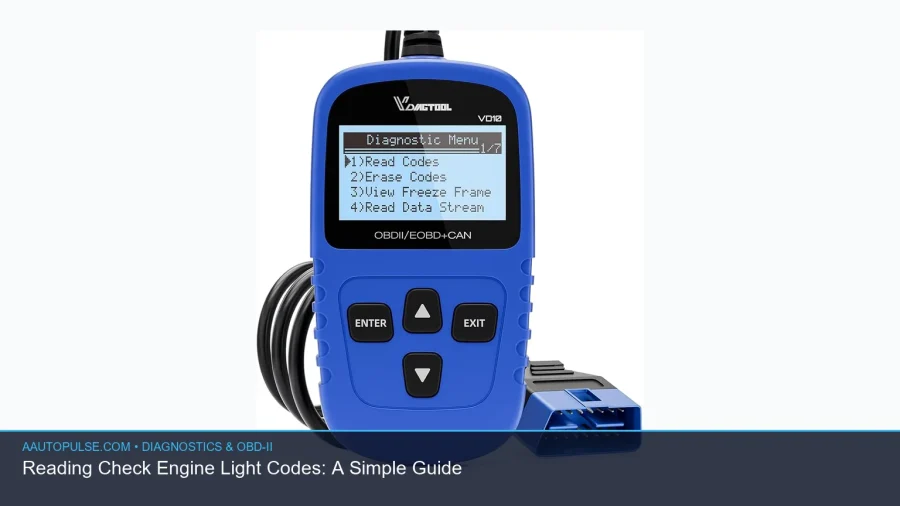
- Read the code with an OBD-II scanner. Write down the exact code and any freeze-frame data. The difference between a heater circuit code and a fuel trim code matters.
- Inspect the sensor and wiring. Look for melted insulation, loose connectors, corrosion, or damage near the exhaust.
- Check for exhaust leaks. Listen for ticking sounds on cold start and look for soot marks near the manifold, joints, or flex pipe.
- Look for vacuum leaks. Inspect cracked hoses, broken intake boots, and loose clamps. A smoke test is often helpful if available.
- Review live data. A healthy upstream sensor should usually switch as the engine warms up. A sensor that is stuck, very slow, or flat-lined may be faulty or may be reacting to another problem.
- Check related engine codes. Misfire, lean, rich, MAF, or coolant temperature codes can explain the oxygen sensor code.
When possible, compare short-term and long-term fuel trims. Large positive trims often suggest a lean condition. Large negative trims often suggest a rich condition. These clues help separate a bad sensor from a bad engine condition.
Fixes that often solve the issue
The right repair depends on what the diagnosis shows. In some cases, the fix is simple. In others, the oxygen sensor was only the messenger and not the root cause.
Replace a failed sensor when the evidence supports it
If the sensor is old, slow, or has a confirmed circuit failure, replacement may be the correct fix. Use the correct bank and sensor location, since upstream and downstream sensors do different jobs. Verify the exact part location for your vehicle before ordering anything.
Repair exhaust or intake leaks
Fix cracked hoses, leaking gaskets, broken clamps, or damaged exhaust joints before replacing the sensor. A new sensor will still see bad data if outside air or unmetered air keeps entering the system.
Repair wiring and connector problems
Sometimes the issue is as simple as a damaged connector, bad ground, or blown heater circuit fuse. Heat-shielded wiring near the exhaust is especially vulnerable. Make sure the repaired harness is secured away from hot or moving parts.
Address engine performance faults
If the vehicle has misfires, a bad thermostat, fuel pressure issues, or injector problems, those should be fixed first. An engine that runs too cold or too rich may keep triggering the light even after a new oxygen sensor is installed.
| Fix option | Best for | Strengths | Limitations |
|---|---|---|---|
| Replace oxygen sensor | Confirmed sensor failure or aging sensor | Direct fix when the sensor is truly bad | Won’t solve leaks or engine faults |
| Repair wiring or connector | Circuit, heater, or intermittent signal issues | Often low cost compared with parts replacement | Needs careful inspection and proper repair |
| Fix exhaust or vacuum leaks | False sensor readings or lean conditions | Solves the root cause in many cases | May need smoke testing or under-car inspection |
| Repair fuel or engine issue | Misfires, rich/lean conditions, drivability issues | Prevents repeat codes | Can require more advanced diagnosis |
Who should choose what? If the code points directly to the sensor circuit and the harness looks damaged, repair or replace the sensor circuit first. If you also have lean, rich, misfire, or airflow codes, focus on the underlying engine issue before replacing the sensor. If the vehicle has high mileage and no other faults, a worn sensor becomes more likely.
Can you keep driving with the light on?
Sometimes yes, but it depends on how the vehicle behaves. If the engine runs normally and the light is steady, you may be able to drive short distances while you plan a repair. Still, do not ignore it for long, because a bad air-fuel mix can hurt fuel economy and emissions.
If the check engine light is flashing, or the engine is shaking, losing power, or stalling, stop driving and diagnose it soon. A misfire or severe rich condition can damage the catalytic converter quickly. That repair usually costs far more than fixing the original issue.
How to prevent repeat oxygen sensor codes
Good maintenance can reduce the chance of a repeat oxygen sensor check engine light. Keeping the engine in tune helps the sensor do its job without being overloaded by bad fuel trim, misfires, or exhaust contamination.
- Fix vacuum leaks early.
- Repair exhaust leaks before they reach the sensors.
- Replace worn spark plugs and ignition parts on schedule.
- Use the correct engine oil and follow the manufacturer’s service intervals.
- Do not ignore other check engine codes, even if the oxygen sensor code is the one you see first.
If your vehicle has a maintenance schedule for plugs, filters, coolant, or PCV service, follow it closely. Exact intervals vary by make and model, so the owner’s manual should always be your reference.
FAQ
What does an oxygen sensor check engine light mean?
It usually means the engine computer detected a problem with oxygen sensor data, the sensor circuit, or the air-fuel mixture the sensor is reading. The sensor may be bad, but the root cause could also be an exhaust leak, vacuum leak, or engine performance problem.
Can a bad oxygen sensor cause poor gas mileage?
Yes. If the sensor sends incorrect data, the engine computer may add too much fuel or not enough fuel. That can hurt fuel economy and may also affect idle quality and emissions.
Will replacing the oxygen sensor turn off the check engine light?
Only if the sensor was the actual problem. If the light was caused by a leak, wiring issue, or another engine fault, the code may return after the replacement.
How long do oxygen sensors last?
There is no single mileage for every vehicle. Some last well past 100,000 miles, while others fail sooner. Many modern vehicles can go longer than older ones, but service life depends on heat, engine condition, and driving style. Check your owner’s manual for model-specific guidance.
Is an o2 sensor check engine light the same as a catalytic converter problem?
Not always. Oxygen sensor codes can appear before a catalytic converter code, and a failing sensor can even make the catalyst look bad. That is why the code sequence and live data matter so much in diagnosis.
Conclusion
An oxygen sensor check engine light is common, but it should not be guessed at. Start with the OBD-II code, inspect for leaks and wiring damage, and look for related engine problems before replacing parts. If you diagnose the root cause first, you save time, avoid repeat repairs, and protect the catalytic converter. If the light is flashing or the engine runs poorly, get it checked as soon as possible.