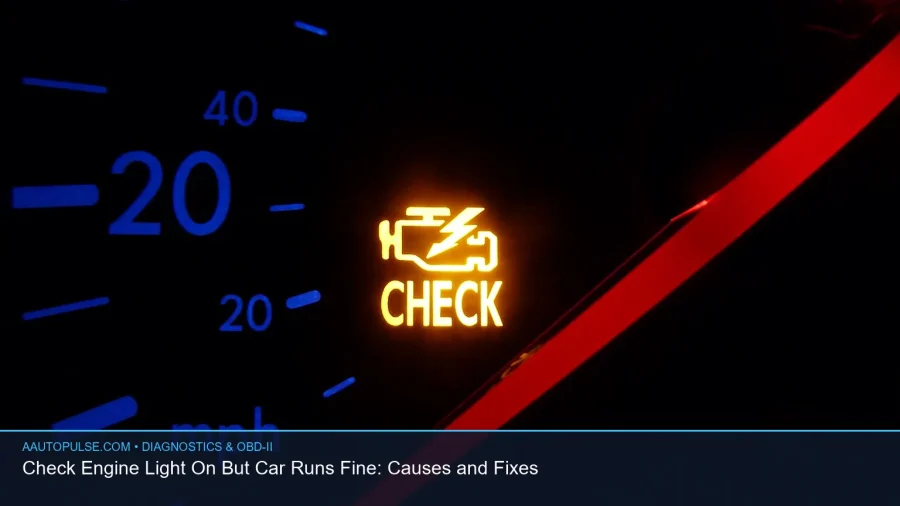
If your check engine light comes on, the fastest way to understand it is by reading check engine light codes. Those codes point you to the system or part that needs attention, so you can decide whether it is a simple fix, a soon-to-fail issue, or something that needs a shop visit. In this guide, you will learn what the codes mean, how to read them with a scan tool for check engine light diagnosis, and what to do next without guessing.
📖 Table of Contents
- What Check Engine Light Codes Actually Tell You
- How to Read Check Engine Light Codes Step by Step
- Choosing a Scan Tool for Check Engine Light Diagnosis
- How to Interpret Common Codes Without Guessing
- When You Can Keep Driving and When You Should Stop
- Common Mistakes to Avoid After Reading a Code
- FAQ
- Conclusion
📌 Key Takeaways
- Check engine codes do not name the exact broken part in every case. They point to a system, circuit, or sensor issue that needs diagnosis.
- A basic OBD-II scan tool can read generic codes on most 1996-and-newer vehicles sold in the US.
- Start with the code, then check symptoms, freeze frame data, and related codes before replacing parts.
- Some issues are safe to monitor briefly, but a flashing check engine light, rough running, or loss of power means stop driving and inspect the car soon.
What Check Engine Light Codes Actually Tell You
Check engine light codes are part of the OBD-II system, which stands for On-Board Diagnostics. When the car finds a problem, it stores a diagnostic trouble code, or DTC. That code gives you a starting point, not a final repair answer.
A code like P0300 usually means the engine has detected a random or multiple-cylinder misfire. A code like P0420 often points to catalyst efficiency below threshold. The code tells you where to look first, but the real cause could be a spark plug, vacuum leak, sensor, wiring issue, or even an exhaust leak.
Generic vs. manufacturer-specific codes
Most codes are either generic or manufacturer-specific. Generic codes are common across many makes and models. Manufacturer-specific codes may vary by brand, so the exact meaning can depend on your vehicle.
That is why the owner’s manual and a reliable code lookup source both matter. If the code is new to you, verify it against the year, make, model, and engine of your vehicle.
How to Read Check Engine Light Codes Step by Step
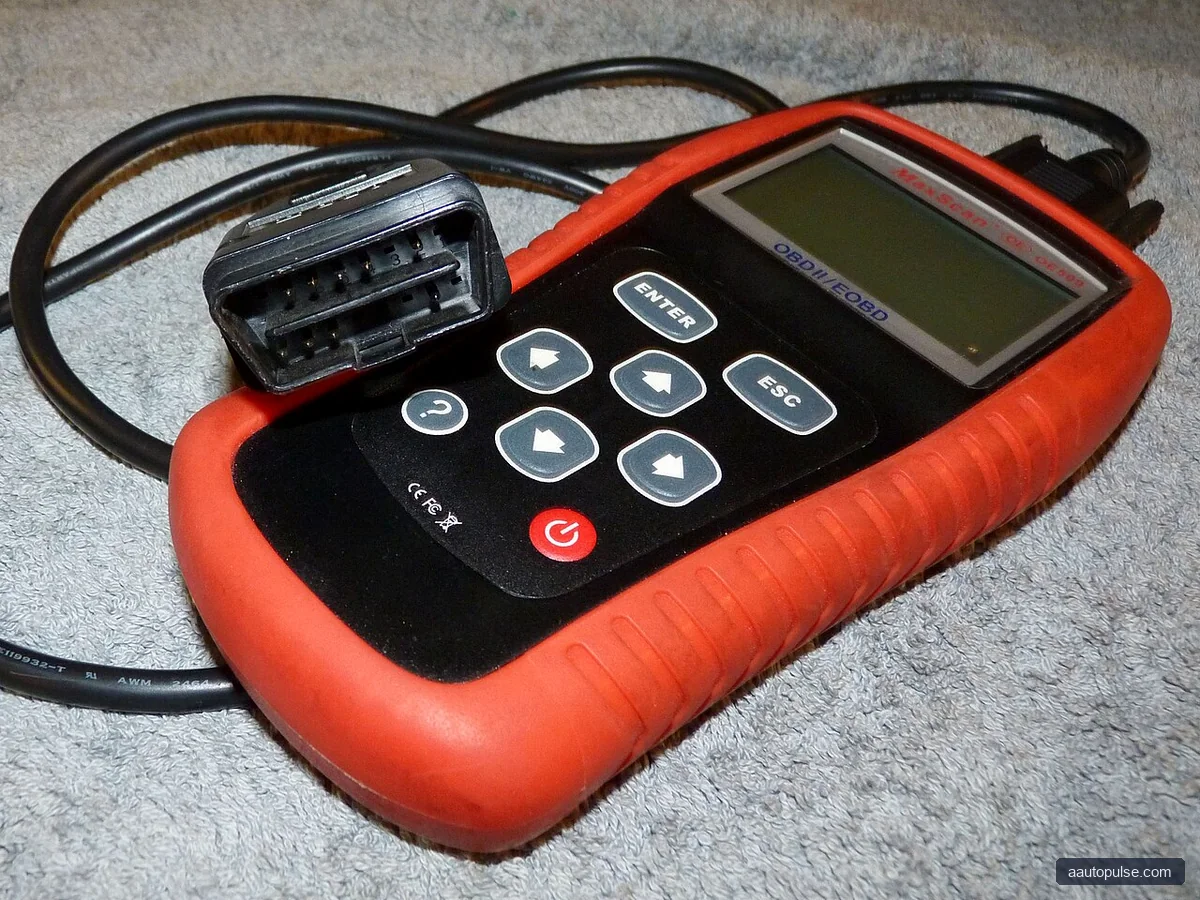
The process is simple if you have the right tool and take your time. A scan tool for check engine light diagnosis can be a basic code reader or a more advanced scanner. Either way, the goal is to pull the code, save the data, and use it to narrow the problem.
- Find the OBD-II port. On most US vehicles, it is under the dash near the steering wheel.
- Plug in the scan tool. Make sure the ignition is in the correct position, usually key on, engine off unless the tool says otherwise.
- Read stored and pending codes. Stored codes turned on the light. Pending codes may show a problem before the light comes on.
- Record freeze frame data. This captures engine speed, load, coolant temperature, and other conditions when the fault happened.
- Check for related codes. One code often travels with another, such as misfire codes plus fuel trim codes.
- Clear codes only after noting them. Clearing too soon can erase useful information and make diagnosis harder.
Do not skip the freeze frame data. It can show whether the issue happened at idle, during highway driving, on a cold start, or under heavy load. That detail often matters more than the code name itself.
Choosing a Scan Tool for Check Engine Light Diagnosis
Not every scanner does the same job. Some read only basic engine codes, while others show live data, readiness monitors, and manufacturer-specific information. If your goal is simple code reading, a basic tool may be enough. If you want deeper diagnosis, a more capable scanner is worth considering.
| Tool Type | Best For | Strengths | Limitations |
|---|---|---|---|
| Basic code reader | Quick code checks | Simple, affordable, easy to use | Limited live data and troubleshooting help |
| Mid-level OBD-II scanner | DIY diagnosis | Live data, freeze frame, readiness monitors | May not support all manufacturer functions |
| Advanced scanner | Deeper troubleshooting | More data, more tests, more vehicle coverage | More complex to use |
Who should choose what: If you only want to know why the light is on, choose a basic reader. If you plan to diagnose drivability problems, a mid-level scanner is a better fit. If you work on multiple vehicles or want more test functions, an advanced scanner gives more depth.
Selection criteria to use: look for OBD-II compatibility, live data support, freeze frame access, clear code function, and support for your vehicle type. If you drive a 1996-or-newer US vehicle, most standard OBD-II tools should connect, but features will vary by model.
How to Interpret Common Codes Without Guessing
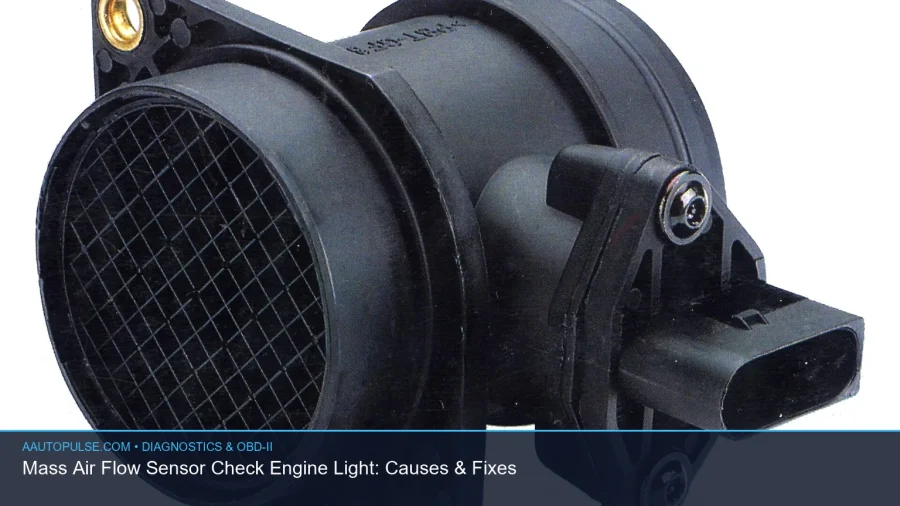
The biggest mistake is replacing the first part named in a code. A code is a clue, not a verdict. For example, a P0171 lean condition may be caused by a vacuum leak, dirty mass airflow sensor, weak fuel delivery, or exhaust leak.
Here is a simple way to think about common code patterns:
- P0xxx often refers to powertrain codes that are common across many vehicles.
- P01xx to P02xx may relate to fuel and air metering.
- P03xx often points to misfires.
- P04xx may involve emissions systems such as EGR or catalytic efficiency.
- P05xx can involve idle control, vehicle speed, or related systems.
Use the code as a filter. Then check whether the engine is running rough, using more fuel, idling poorly, or struggling to accelerate. If the symptom does not match the code, look for a secondary issue or a cause upstream from the part named by the scanner.
Quick troubleshooting table
| Code Type or Symptom | Common Meaning | Next Step |
|---|---|---|
| Misfire code with shaking | Ignition, fuel, or air issue | Inspect plugs, coils, injectors, and vacuum leaks |
| Lean code at idle | Unmetered air or low fuel delivery | Check intake leaks and fuel trim data |
| Catalyst efficiency code | Exhaust or sensor problem | Look for misfires, exhaust leaks, and O2 sensor data |
| EVAP code | Fuel vapor leak or purge issue | Inspect gas cap, hoses, purge valve, and charcoal canister lines |
When You Can Keep Driving and When You Should Stop
Not every check engine light means immediate danger, but you should never ignore it for long. A steady light with no major symptoms may allow limited driving while you schedule diagnosis. A flashing light is more serious because it often means an active misfire that can damage the catalytic converter.
Use the symptom checklist below to decide what to do next:
- Steady light, normal driving: Check the code soon and plan repair.
- Flashing light: Reduce load and stop driving as soon as it is safe.
- Rough idle or shaking: Avoid highway driving until the cause is known.
- Strong fuel smell: Treat it as urgent and inspect for leaks.
- Loss of power or stalling: Do not keep driving if the engine is unsafe or unpredictable.
For vehicle maintenance, your owner’s manual is the best source for service intervals and capacity data. Oil capacity can vary by engine, even within the same model year. The same is true for spark plug intervals, air filter timing, and coolant replacement schedules, so verify those details before doing repairs.
Common Mistakes to Avoid After Reading a Code
Many drivers spend money on the wrong fix because they stop at the code name. Avoid that by looking at the whole picture. A code can be caused by wiring, connectors, maintenance neglect, or another failing part in the same system.
Here are the most common mistakes:
- Clearing the code before writing it down.
- Replacing sensors without checking live data.
- Ignoring pending codes that are not yet turning on the light.
- Assuming a gas cap is always the problem for an EVAP code.
- Forgetting to check for related symptoms, like misfire, overheating, or poor fuel economy.
If the code returns after clearing, that is useful information. It means the fault is active or the condition still exists. If it does not return right away, you may still have a pending issue or an intermittent fault that needs more testing.
FAQ
Can I read check engine light codes without a scan tool?
Sometimes, but not usually on modern US vehicles. Older cars may have built-in blink codes, but most 1996-and-newer vehicles use OBD-II and require a scan tool for check engine light diagnosis.
Will clearing the code fix the problem?
No. Clearing the code only turns off the light and erases stored data. If the cause is still present, the code will likely come back. Always diagnose the reason first.
What is the difference between a stored code and a pending code?
A stored code has met the conditions to turn on the light. A pending code means the vehicle detected a fault, but it has not happened enough times yet to confirm it. Pending codes are useful early warnings.
Do I need a professional scanner to diagnose every code?
No. Many drivers can start with a basic reader and look up the code meaning. But if the issue involves live data, wiring, intermittent faults, or multiple related codes, a better scanner or a professional diagnosis may save time.
How often should I check for codes if the light is off?
You do not need to scan constantly, but it is smart to check if you notice rough running, poor fuel economy, or a recent repair. If the check engine light has been on and then went off, a scan can still reveal stored or pending information.
Conclusion
Reading check engine light codes is the first step to smarter repairs, not guesswork. Start with the code, note the symptoms, review freeze frame data, and then test likely causes before replacing parts. With a basic scan tool for check engine light checks and a careful process, you can often narrow the problem quickly and decide whether it is a simple fix or a shop-level diagnosis.
Next, scan the vehicle, write down all codes, and check your owner’s manual for the right service details before making repairs. If the light is flashing or the engine runs poorly, treat it as urgent and get the car inspected soon.