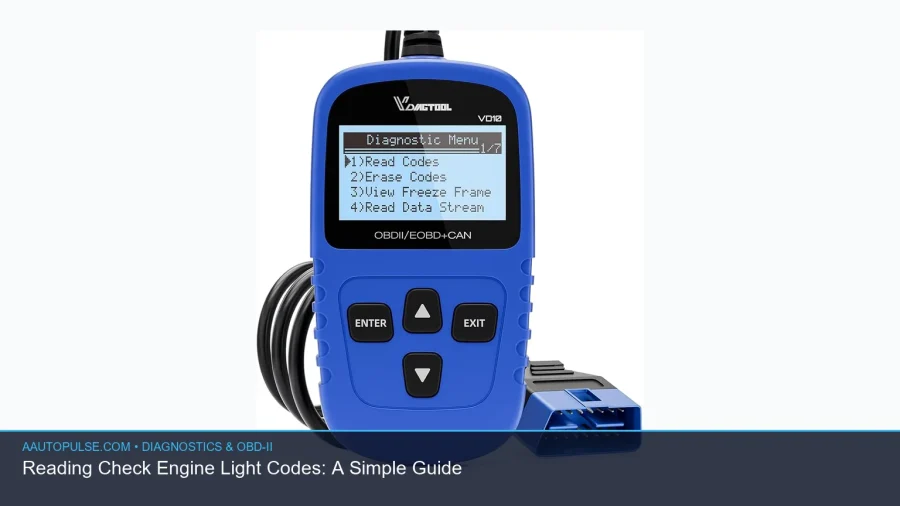
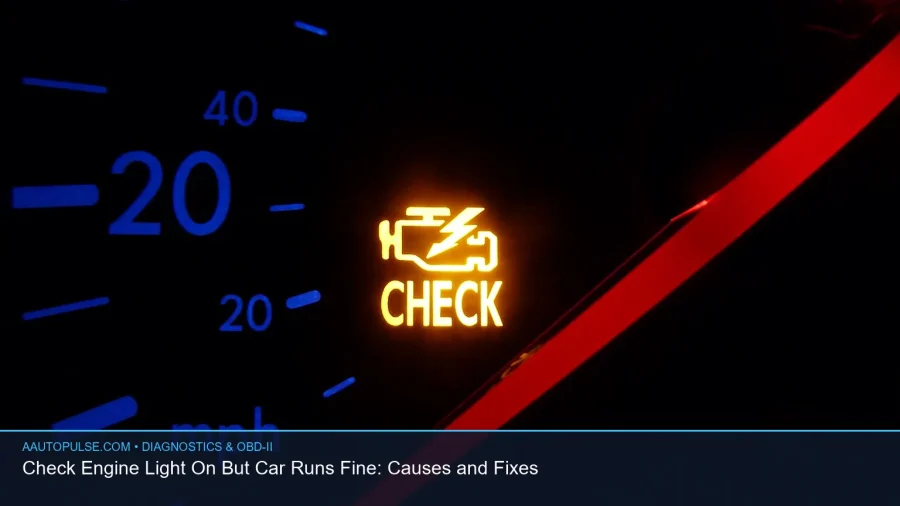
If you have a mass air flow sensor check engine light, the issue is often tied to bad airflow readings, a vacuum leak, dirty sensor, or wiring trouble. In many cases, the car still runs, but fuel economy, idle quality, and throttle response can suffer. The good news is that this code is often diagnosable with a few simple checks before you replace parts. Below, we’ll cover what the light means, the most common causes, how to test the sensor, and what to fix first.
📖 Table of Contents
- What a Mass Air Flow Sensor Check Engine Light Usually Means
- Common Causes of the Mass Air Flow Sensor Check Engine Light
- How to Diagnose the Problem Step by Step
- What Fixes Actually Work for a MAF-Related Check Engine Light
- Can You Drive With the Light On?
- How to Prevent Future MAF Problems
- FAQ
- Conclusion
📌 Key Takeaways
- A mass air flow-related check engine light usually means the engine computer is seeing airflow readings that do not match expected values.
- The most common causes are a dirty or failing MAF sensor, air leaks after the sensor, clogged air filters, and damaged wiring or connectors.
- You should check basics first: air filter condition, intake hose clamps, vacuum hoses, and the MAF connector before buying parts.
- Some MAF problems can be fixed by cleaning or repairing leaks, but persistent codes may point to a sensor replacement or another underlying engine issue.
What a Mass Air Flow Sensor Check Engine Light Usually Means
The mass air flow sensor measures the amount of air entering the engine. The engine control module, or ECM, uses that data to calculate fuel delivery. If the reading is too high, too low, or unstable, the ECM may turn on the check engine light and store a diagnostic trouble code.
Common MAF-related codes include P0100 through P0104, though the exact code depends on the vehicle. A code alone does not always mean the sensor is bad. It can also point to unmetered air entering the engine, contamination on the sensor element, or an electrical fault in the circuit.
Common Causes of the Mass Air Flow Sensor Check Engine Light

Several issues can trigger a MAF warning. Some are simple maintenance problems, while others involve deeper intake or wiring faults. The key is to diagnose in order, from easiest to most likely.
Dirty or Contaminated MAF Sensor
Oil from an over-oiled aftermarket air filter, dust, and debris can coat the sensing element. When that happens, the sensor may underreport airflow or send unstable readings. This can cause rough idle, hesitation, and poor fuel economy.
Vacuum Leaks or Air Leaks After the Sensor
If air enters the engine after passing the MAF sensor, the ECM will not account for it correctly. Common leak points include cracked intake boots, loose hose clamps, intake manifold gaskets, and brittle vacuum lines. Even a small leak can create drivability issues and a fault code.
Faulty Wiring or Connector Problems
The MAF sensor depends on stable power, ground, and signal circuits. Corrosion, broken wires, loose pins, or oil intrusion in the connector can distort the reading. Intermittent electrical faults are common because vibration and heat can make the problem come and go.
Bad Air Filter or Intake Restriction
A heavily clogged air filter can reduce airflow and make the engine run inefficiently. On many vehicles, the MAF code may appear alongside poor acceleration or a rich/lean mixture code. A restricted intake system should always be checked before replacing the sensor.
Underlying Engine or Fuel System Issues
Sometimes the MAF is reacting to a different problem. Misfires, exhaust leaks ahead of the oxygen sensors, fuel pressure problems, or a dirty throttle body can all confuse the ECM. That is why it is smart to confirm symptoms and scan data before replacing parts.
| Likely Cause | Common Symptoms | Best First Check |
|---|---|---|
| Dirty MAF sensor | Rough idle, hesitation, poor MPG | Inspect and clean the sensor with proper MAF cleaner |
| Vacuum or intake leak | Hissing sound, lean code, unstable idle | Check intake hoses, clamps, and vacuum lines |
| Electrical fault | Intermittent light, stalling, no-start in some cases | Inspect connector pins and wiring harness |
| Air filter restriction | Low power, sluggish acceleration | Check service history and filter condition |
How to Diagnose the Problem Step by Step
Before replacing the MAF sensor, work through a simple diagnostic plan. This helps avoid unnecessary parts costs and reduces the chance of missing the real fault. If you have a scan tool, compare live data with the symptoms you feel while driving.
- Read the code and freeze-frame data. Confirm whether the code is MAF-related, such as P0100, P0101, P0102, P0103, or P0104.
- Inspect the air filter and intake tract. Look for a dirty filter, loose clamps, cracked tubes, or disconnected hoses.
- Check the sensor connector. Make sure the plug is seated fully, with no broken locks, bent pins, or corrosion.
- Look for vacuum leaks. Listen for hissing, check rubber lines, and inspect the intake boot closely for splits.
- Review live airflow data. At idle, readings should be smooth and stable, though exact values vary by vehicle and engine size. Verify against service information if available.
- Clean the sensor if contamination is visible. Use only a product made for MAF sensors and avoid touching the sensing element.
- Clear the code and retest. If the light returns, the fault is likely still present or the sensor is failing.
For maintenance timing, many drivers inspect the air filter every oil change and replace it around 15,000 to 30,000 miles, depending on driving conditions. Dusty roads, towing, and stop-and-go city use can shorten that interval. Always verify your vehicle owner’s manual, since factory schedules can differ.
What Fixes Actually Work for a MAF-Related Check Engine Light

The right fix depends on what you find during diagnosis. A sensor replacement is not always the first answer. In many cases, a simpler repair solves the issue and restores normal drivability.
Clean the MAF Sensor Carefully
If the sensor is dirty but not damaged, cleaning may help. Use a dedicated MAF cleaner and let the sensor dry fully before reinstalling it. Do not use carb cleaner, brake cleaner, or compressed air on the sensing element.
Repair Intake Leaks
Replace cracked boots, tighten clamps, and renew brittle vacuum hoses as needed. A leak after the MAF sensor can cause lean running, shaky idle, and repeated codes even if the sensor itself is fine. Small leaks may be hard to see, so a smoke test can be useful in a shop setting.
Fix Wiring or Connector Damage
If the code returns after cleaning and leak checks, inspect the electrical side more closely. Repair frayed wires, clean terminals, and secure loose connectors. Intermittent sensor faults are often electrical rather than mechanical.
Replace the MAF Sensor If Needed
If testing shows the sensor is out of range, erratic, or unresponsive, replacement may be the correct fix. This is more likely when cleaning does not change the live data or when the fault returns quickly after repairs. Use the exact part type specified for your vehicle, since MAF sensors are not always interchangeable.
| Fix | Strengths | Limitations | Best For |
|---|---|---|---|
| Clean sensor | Low cost, fast, often effective | Won’t fix damaged electronics | Light contamination |
| Repair leak | Addresses root cause | Leaks can be hard to locate | Hissing, lean codes, rough idle |
| Repair wiring | Fixes intermittent faults | Needs careful inspection | Broken pins, corrosion, loose plugs |
| Replace sensor | Best for confirmed sensor failure | Can be unnecessary if diagnosis is incomplete | Confirmed bad sensor readings |
Who should choose what: if the sensor is visibly dirty and the intake is intact, start with cleaning. If there is a lean code, hissing, or unstable idle, focus on leaks first. If the light keeps returning after basic checks, then move to wiring tests and sensor replacement.
Can You Drive With the Light On?
Sometimes yes, but it is not ideal for long. A MAF problem can make the engine run too rich or too lean, which may hurt fuel economy and performance. In more serious cases, it can contribute to stalling, hard starting, or catalytic converter damage if the mixture stays incorrect for too long.
If the car runs roughly, loses power, or stalls, limit driving and diagnose it soon. If the light is flashing, treat it as urgent and stop driving if possible. A flashing check engine light usually points to a severe misfire or condition that can cause expensive damage.
How to Prevent Future MAF Problems
Prevention is mostly about clean air and careful maintenance. Replace the air filter on schedule, keep the intake system sealed, and avoid using overly oily filters unless they are specifically approved for your application. Oil residue is a common cause of MAF contamination.
It also helps to inspect the intake during regular service. A quick look at hoses, clamps, and the sensor connector can catch problems early. For many vehicles, checking these items at each oil change is a practical habit, though the official service interval should always come from the owner’s manual.
FAQ
Will cleaning the MAF sensor turn off the check engine light?
It might, but only if contamination was the real cause. After cleaning, clear the code and drive the vehicle through a normal test cycle. If the light returns, there is likely another fault such as a leak or wiring issue.
What codes are linked to a bad mass air flow sensor?
Common MAF-related codes include P0100, P0101, P0102, P0103, and P0104. The exact meaning depends on the vehicle, so always confirm with a reliable scan tool reference or repair database.
Can a dirty air filter cause a MAF check engine light?
Yes. A severely clogged air filter can change airflow enough to affect sensor readings and engine performance. It can also contribute to other drivability problems, so it should be checked early in diagnosis.
How do I know if the sensor is bad or if I have an air leak?
A bad sensor often shows erratic or implausible airflow readings even after cleaning. An air leak usually brings symptoms like hissing, rough idle, and lean mixture codes. If possible, compare live data and inspect the intake system before deciding.
Should I replace the MAF sensor just because the code came back?
Not automatically. A code returning after reset only means the problem is still present. It could still be a leak, connector issue, or another engine fault that is affecting airflow readings.
Conclusion
A mass air flow sensor check engine light is common, but it does not always mean the sensor itself has failed. Start with the basics: check the air filter, inspect the intake system, and look for wiring or connector damage. If needed, clean the sensor, clear the code, and retest before replacing parts. If the problem stays, deeper diagnosis will help you fix the root cause and avoid repeat warning lights.
Featured image: Photo: Rubenfoixench / Public domain via Wikimedia Commons