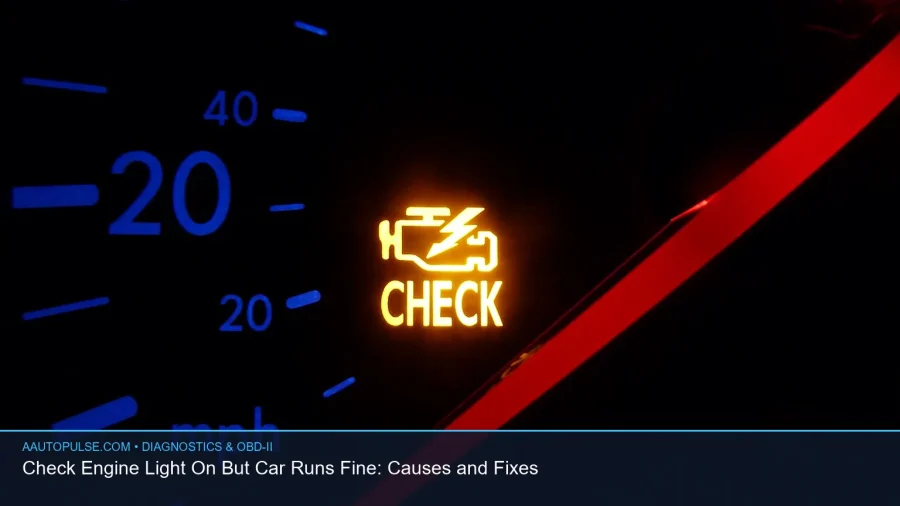
If your check engine light on gas cap loose warning just came on, the fix is often simple: tighten the gas cap, clear the seal, and drive normally for a few trips. A loose, damaged, or missing cap can trigger an EVAP leak code and turn on the light without affecting how the car drives. Still, the light should not be ignored if it stays on after you secure the cap. In that case, you may have a bad cap seal, a cracked hose, or another evaporative emissions problem that needs diagnosis.
📖 Table of Contents
- Why a Loose Gas Cap Can Turn On the Check Engine Light
- How to Fix a Loose Gas Cap the Right Way
- Loose Gas Cap Check Engine Light: When It Is More Than the Cap
- How to Tell If the Gas Cap Itself Is Bad
- What to Do If the Light Does Not Go Away
- Gas Cap Problems vs. Other Check Engine Light Causes
- FAQ: Check Engine Light On Gas Cap Loose
- Conclusion: Start with the Cap, Then Confirm the Fix
📌 Key Takeaways
- A loose gas cap is one of the most common reasons for a check engine light.
- Always tighten the cap until it clicks, then give the system time to reset after a few drive cycles.
- If the light stays on, the issue may be a worn cap seal, damaged filler neck, or EVAP leak elsewhere.
- Use your owner’s manual to confirm the correct cap style and any reset steps for your vehicle.
Why a Loose Gas Cap Can Turn On the Check Engine Light
Your fuel system is sealed so vapor does not escape into the air. That sealed setup is part of the EVAP system, short for evaporative emissions control. If the gas cap is loose or damaged, the system may detect a small leak and store a trouble code.
That is why a loose gas cap check engine light warning is so common. The car is usually not in immediate danger, but the computer sees a pressure problem and flags it. In many vehicles, the light can come on after refueling or after a short drive.
What the car is actually checking
The engine computer monitors fuel vapor pressure and looks for leaks. If it does not see the expected seal at the filler neck, it can assume there is a small EVAP leak. Common related codes include small leak or system leak faults, but the exact code varies by vehicle.
Sometimes the cap is not the real problem. Dirt on the seal, a cross-threaded cap, or a cracked hose can create the same warning. That is why the light can stay on even after you “tighten the cap.”
How to Fix a Loose Gas Cap the Right Way
If the light just came on, start with the cap itself. This is the fastest and most common fix, and it costs nothing to check. Follow these steps carefully.
- Park safely and turn off the engine.
- Open the fuel door and remove the gas cap.
- Inspect the rubber seal for cracks, flattening, or dirt.
- Wipe the seal and filler neck clean with a dry cloth.
- Reinstall the cap and tighten it until you hear several clicks.
- Close the fuel door and continue driving normally.
Do not overtighten so hard that you damage the threads. A cap should feel snug and secure, but it should still be easy to remove later. If your vehicle uses a tethered cap, make sure the tether is not pulling the cap out of alignment.
How long it takes for the light to go off
In many vehicles, the light will not turn off right away. The computer may need several drive cycles to confirm the leak is gone. A drive cycle usually means a complete cold start, normal driving, and shutdown.
Some cars may clear the warning after a few trips, while others keep the light on until the fault is resolved and the system completes its self-test. If you have the code cleared with a scan tool, the light can still return if the problem remains.
Loose Gas Cap Check Engine Light: When It Is More Than the Cap
If you fixed the cap and the warning stays on, do not assume it is harmless. The EVAP system includes the cap, filler neck, purge valve, vent valve, hoses, and charcoal canister. A problem in any of those parts can mimic a loose cap.
Here is a practical troubleshooting table to help you decide what to check next.
| Symptom | Likely Cause | Next Step |
|---|---|---|
| Light came on after refueling | Cap left loose or not sealed | Retighten cap and monitor over a few drives |
| Cap looks worn or cracked | Bad cap seal | Replace the cap with the correct OEM-spec part |
| Light stays on after tightening | EVAP leak elsewhere | Scan codes and inspect hoses, valves, and neck |
| Fuel smell near rear of car | Possible leak or damaged seal | Stop and inspect; seek diagnosis if smell is strong |
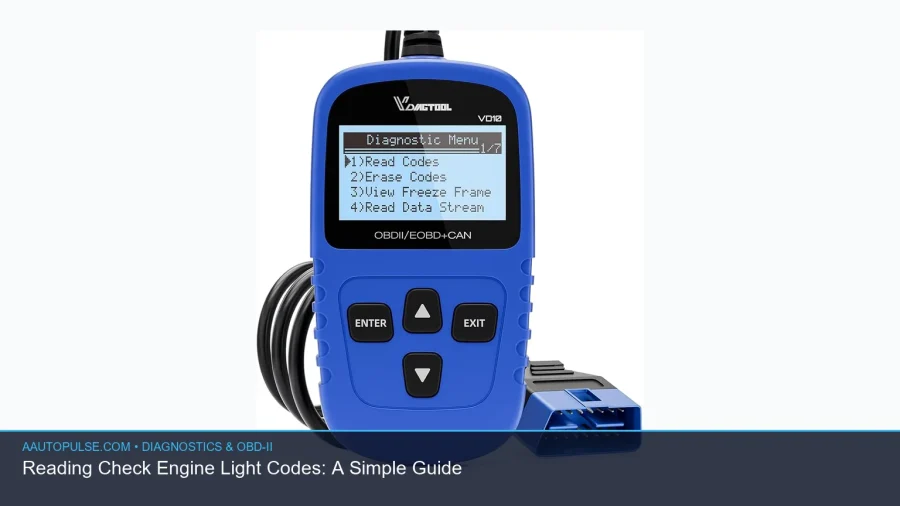
If you have access to an OBD-II scanner, check the stored code before clearing anything. That can help distinguish a simple cap issue from a larger EVAP fault. If the code points to a small leak, the cap is still a strong first suspect, but not the only one.
How to Tell If the Gas Cap Itself Is Bad
A gas cap can fail even when it looks fine at a glance. The rubber seal may be flattened, hard, or split. The threads may also be damaged, making it impossible to tighten properly.
Look for these signs:
- Cracked or missing rubber gasket
- Cap that spins too freely or never “clicks”
- Visible rust or debris on the filler neck
- Fuel odor near the gas door area
- Repeated check engine light after reinstalling the cap
If the cap is old, replacing it can be a smart next step. Just make sure the replacement matches your vehicle’s fuel system needs. Your owner’s manual or parts catalog should confirm the correct fit, especially on newer vehicles with specific sealing designs.
What to Do If the Light Does Not Go Away
If the check engine light remains on after you secure or replace the cap, it is time to diagnose the EVAP system more carefully. Many vehicles can run for several days before setting or clearing EVAP-related warnings, so do not rush to assume success or failure after one drive.
Simple next steps
- Verify the cap is the correct part and is fully tightened.
- Check the filler neck for rust, dents, or debris.
- Read the OBD-II code with a scanner.
- Inspect visible EVAP hoses for cracks or loose connections.
- Schedule a repair if the code returns or fuel smell appears.
Some drivers ask whether they can keep driving with the light on. If the car runs normally and there are no other symptoms, it is often safe for short-term driving. Even so, a persistent EVAP fault can affect emissions compliance and may lead to a failed inspection in states that use OBD readiness checks.
As a maintenance reminder, always verify your owner’s manual for model-specific guidance. Service intervals and inspection points vary by vehicle, and some manufacturers include special instructions for capless fuel systems or fuel door operation.
Gas Cap Problems vs. Other Check Engine Light Causes
It helps to separate a simple cap issue from broader engine trouble. A gas cap problem usually appears with no drivability symptoms. The engine still starts, idles, and accelerates normally.
By contrast, ignition, sensor, or fuel delivery problems often bring rough idle, hesitation, poor fuel economy, or stalling. If you notice those symptoms, do not stop at the gas cap. The check engine light may be pointing to a different issue entirely.
| Issue Type | Typical Signs | Urgency |
|---|---|---|
| Loose gas cap / EVAP leak | No major drivability issues, possible fuel odor | Low to moderate |
| Engine misfire | Rough running, shaking, loss of power | Moderate to high |
| Fuel system or sensor fault | Hard starts, poor economy, stalling | Moderate to high |
If your light flashes instead of staying solid, treat it differently. A flashing check engine light usually points to a more serious misfire and should be checked right away. A loose gas cap warning is usually steady, not flashing.
FAQ: Check Engine Light On Gas Cap Loose
Can a loose gas cap really cause the check engine light?
Yes. A loose or damaged gas cap can let fuel vapors escape and trigger an EVAP leak code. That is one of the most common reasons for a check engine light after refueling.
How tight should the gas cap be?
It should be snug and tightened until it clicks, if your cap design uses clicks. Do not force it so hard that the threads strip or the seal gets damaged.
Will the light turn off by itself after I tighten the cap?
Sometimes, yes. In many cars, the system needs several drive cycles before the computer confirms the leak is gone. If the light does not clear after a few trips, further diagnosis may be needed.
Should I replace the cap if it looks fine?
If the seal is hard, cracked, or the cap will not click tight, replacement is a good idea. If the cap looks normal but the light remains on, the problem may be elsewhere in the EVAP system.
Can I drive with a loose gas cap check engine light on?
Usually, yes for short-term driving if the car runs normally and there are no other symptoms. Still, you should fix it soon because the issue can affect emissions and may cause an inspection failure.
Conclusion: Start with the Cap, Then Confirm the Fix
If your check engine light comes on and you suspect a loose gas cap, the first move is simple: tighten the cap, inspect the seal, and give the system time to reset. That solves the issue in many cases. If the light stays on, move to a code scan and EVAP inspection so you do not miss a deeper leak.
The key is to treat a loose gas cap warning as both common and worth verifying. It is often easy to fix, but it should not be ignored if the light returns. Check the cap, confirm the code, and follow your owner’s manual for the best next step.