If you want to know how to purchase a car, the process is easier when you break it into clear steps: set your budget, pick the right vehicle, compare financing, inspect the car, and close the deal carefully. The same approach works whether you are buying new or used, from a dealer or a private seller. This guide walks you through each step so you can make a smart choice without rushing. If you are also asking how to purchase a vehicle, the core process is nearly the same.
📖 Table of Contents
- 1. Set a Budget Before You Shop
- 2. Choose the Right Type of Vehicle
- 3. How to Purchase a Car: New or Used?
- 4. Compare Financing, Cash, and Lease Options
- 5. Research the Vehicle and Check Its History
- 6. Inspect, Test Drive, and Close the Deal Carefully
- 7. Avoid Common Mistakes When Buying a Car
- FAQ
- Conclusion
📌 Key Takeaways
- Start with a realistic budget that includes insurance, taxes, registration, fuel, and maintenance.
- Compare vehicles based on your needs, not just price or features.
- Get preapproved for financing so you know your borrowing power before you shop.
- Always inspect the car, review the history, and read every contract before signing.
1. Set a Budget Before You Shop
The first step in how to purchase a car is deciding what you can truly afford. A car payment is only part of the cost. You also need to plan for sales tax, title and registration fees, insurance, fuel, repairs, and routine maintenance.
A good budget should protect your monthly cash flow. If the payment looks manageable but leaves no room for other bills, the car may be too expensive. Keep some money aside for unexpected costs, especially if you are buying a used car.
What to include in your car budget
- Purchase price
- Sales tax and registration
- Insurance
- Monthly loan payment, if you finance
- Fuel and routine maintenance
- Repairs, tires, and emergency savings
If you are financing, lenders may approve you for more than you should spend. That does not mean you should use the full amount. A safer plan is to choose a payment that still leaves room for other goals and day-to-day expenses.
2. Choose the Right Type of Vehicle
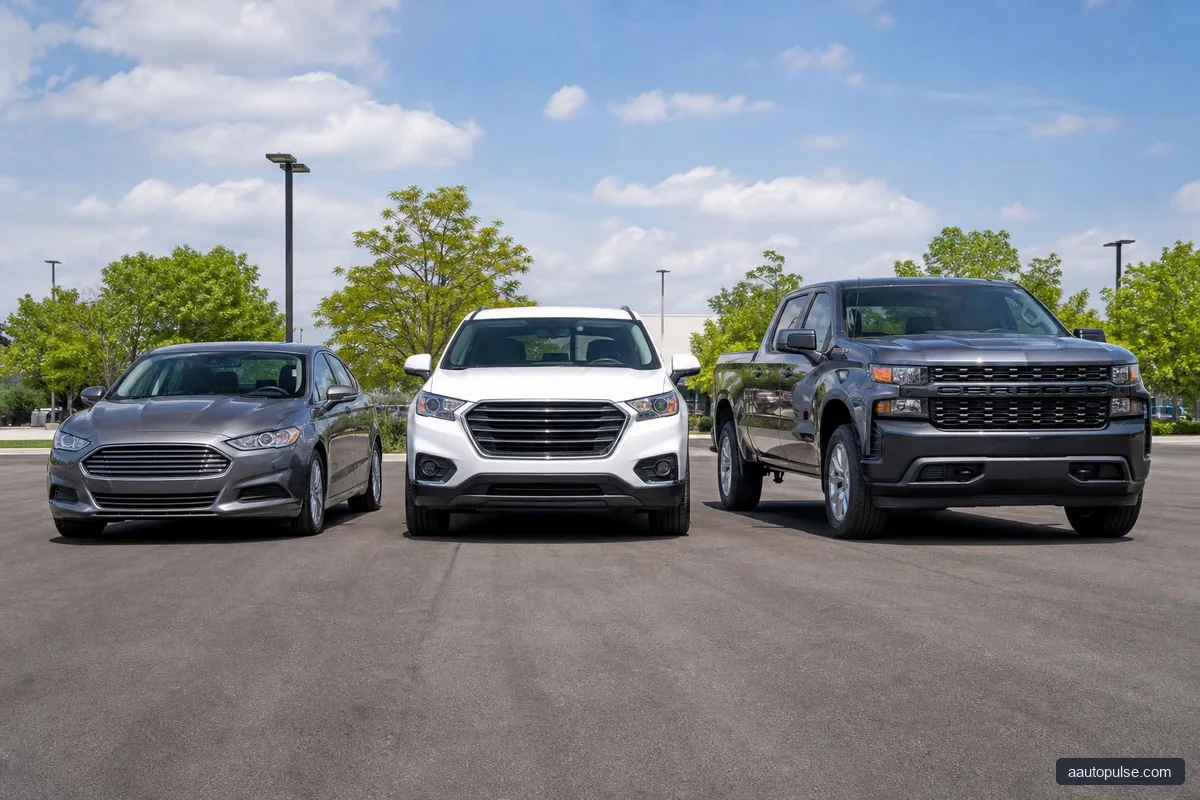
Before comparing listings, decide what kind of car fits your life. Think about your commute, passenger needs, parking space, weather, and cargo room. The best choice is often the one that meets your daily use with the fewest compromises.
For example, a compact sedan may be easier to park and cheaper to insure (see our used compact cars roundup). An SUV may offer more cargo room and higher seating, but it can cost more to buy and own. If you are deciding how to purchase a vehicle that fits a family, work commute, or weekend travel, list your must-haves first.
| Vehicle Type | Strengths | Limitations | Who Should Choose It |
|---|---|---|---|
| Sedan | Easy to park, often lower running costs | Less cargo and ground clearance than larger vehicles | Commuters and budget-focused buyers |
| SUV | More space, higher ride height | Often higher fuel and ownership costs | Families and drivers who need cargo room |
| Truck | Towing and hauling ability | Can be costly to fuel and insure | Drivers with work, towing, or utility needs |
| Hybrid or EV | Potential fuel savings, modern tech | Charging access and battery considerations | Drivers with predictable commutes or charging access |
The right vehicle is not always the newest or largest one. It is the one that best matches your budget, routine, and long-term ownership needs.
3. How to Purchase a Car: New or Used?
One of the biggest choices in how to purchase a car is deciding between new and used. Each path has tradeoffs. New cars tend to come with full warranty coverage and the latest features, while used cars often cost less upfront and can be better value if maintained well.
Used cars need more review because condition matters more. A clean title, service records, and a solid inspection are especially important. New cars still need research too, because trim levels, packages, and ownership costs can vary widely.
How to compare new vs. used
- New: Lower risk of hidden wear, but higher price and faster depreciation.
- Used: Lower purchase cost, but more need for inspection and history checks.
- CPO: Often a middle ground with inspection and limited warranty coverage, though terms vary by brand and dealer.
If you want the simplest path, a new or certified pre-owned vehicle may feel easier. If your top goal is value, a well-kept used car can be a strong option. Just make sure the savings are real after you factor in repairs and financing.
4. Compare Financing, Cash, and Lease Options

How you pay matters as much as what you buy. Cash offers simplicity, while financing spreads the cost over time. Leasing can lower monthly payments in some cases, but you do not own the car at the end unless you buy it out.
If you are researching how to purchase a car for the first time, get preapproved by a bank, credit union, or online lender before visiting a lot. A preapproval gives you a baseline rate and helps you avoid pressure from dealer financing alone.
| Payment Method | Best For | Strengths | Limitations |
|---|---|---|---|
| Cash | Buyers who want no monthly loan payment | Simple, no interest charges | Uses a large amount of savings at once |
| Finance | Buyers who want to spread out cost | Keeps more cash on hand | Interest increases total cost |
| Lease | Drivers who want a newer car more often | Often lower monthly payment than buying | Mileage limits and no ownership unless purchased later |
Who should choose what? Cash is best for buyers who want simplicity and no loan. Financing works well if you want ownership and need to spread out the cost. Leasing fits drivers who value lower monthly payments and plan to switch cars often, but it is usually not ideal if you drive a lot.
5. Research the Vehicle and Check Its History
Once you find a model you like, dig deeper before you commit. Read owner reviews, compare reliability data, and look for common issues tied to that model year. For used cars, ask for the vehicle history report and review service records carefully. Our guide to the car inspection report shows what to look for.
Look for signs of major damage, repeated repairs, or title problems. A clean-looking car can still have a hidden past. If the seller cannot provide enough information, that is a warning sign.
What to check before you buy
- Accident history and title status
- Odometer reading and wear that matches mileage
- Maintenance records
- Open recalls (look up the VIN on NHTSA’s recall tool)
- Ownership history
- Signs of rust, leaks, or uneven tire wear
For safety-focused shoppers, check crash test results too. In the US, look at NHTSA 5-star ratings and IIHS crashworthiness ratings. These can help you compare how vehicles perform in safety tests, but always review the exact model year because ratings can change.
6. Inspect, Test Drive, and Close the Deal Carefully
A test drive should tell you how the car feels in real life. Listen for unusual sounds, check steering response, and make sure the brakes feel firm and predictable. Try city streets, parking, and highway speeds if possible.
For used cars, consider an independent pre-purchase inspection. That is one of the best ways to spot issues that are hard to see during a short test drive. If the seller refuses an inspection, walk away.
Simple test-drive checklist
- Starts quickly and idles smoothly
- Brakes without pulling or vibration
- Transmission shifts cleanly
- No warning lights stay on
- Air conditioning and heat work
- Mirrors, windows, lights, and infotainment function properly
Before signing, read every line of the sales contract and financing paperwork. Confirm the final price, fees, interest rate, trade-in value, warranty terms, and any optional add-ons. If something is unclear, ask for it in writing before you sign.
7. Avoid Common Mistakes When Buying a Car
Many bad car deals come from rushing. Buyers may focus only on monthly payment, skip the inspection, or forget to compare total cost. A low payment can still be expensive if the loan is too long or the interest rate is high.
Another common mistake is buying before checking insurance costs. Some vehicles cost much more to insure, especially if they are powerful, expensive to repair, or frequently stolen. That can change what fits your budget.
| Common Mistake | Why It Matters | Better Approach |
|---|---|---|
| Shopping by payment only | Can hide a long loan or high interest | Compare total price and total loan cost |
| Skipping the inspection | May miss expensive problems | Use an independent mechanic for used cars |
| Ignoring fees | Raises the real purchase cost | Ask for an out-the-door price |
| Rushing the signature | Leaves no time to catch errors | Review every document before signing |
FAQ
How do I purchase a car for the first time?
Start by setting a budget, getting preapproved for financing, and deciding what type of car fits your needs. Then compare vehicles, check the history, test drive the car, and review the contract carefully. Taking it one step at a time helps you avoid pressure and mistakes.
How to purchase a vehicle from a private seller?
Meet in a safe place, verify the title, confirm the seller’s ID, and ask for service records. Test drive the car and consider a pre-purchase inspection by a mechanic. Never hand over money until you understand the title transfer process in your state.
Should I buy a car with cash or finance it?
Cash avoids interest and monthly payments, but it uses more of your savings at once. Financing keeps more cash available and can make a better car more accessible. The right choice depends on your budget, savings, and comfort with debt.
What should I check on a used car before buying?
Check the title, accident history, maintenance records, tire wear, warning lights, and signs of leaks or rust. A mechanic inspection is highly recommended. Also look for recalls and review safety ratings when available.
How do I know if I am getting a fair deal?
Compare the asking price with similar vehicles in your area, then review the total out-the-door cost. A fair deal should also fit your budget and pass inspection. If the seller will not explain fees or allow questions, keep shopping.
Conclusion
Learning how to purchase a car comes down to preparation. Set your budget, choose the right vehicle, compare payment options, research the car’s history, and inspect it before you buy. If you take those steps in order, you can make a confident decision and avoid costly surprises.
Next, make a short list of vehicles, get preapproved for financing, and start comparing total costs. If the numbers and the condition look right, you will be in a strong position to buy with confidence.