
If you’re wondering how to rent a car in the US, the process is simpler than it may seem. You choose a rental company, compare vehicle options, book with the right documents, pick up the car, and return it on time with the fuel and condition the contract requires. The main challenge is not the booking itself; it’s knowing what to check before you sign. This guide breaks down how renting a car works, step by step, so you can avoid common fees, pick the right vehicle, and travel with less stress.
📖 Table of Contents
📌 Key Takeaways
- You usually need a valid driver’s license, a credit or debit card, and to meet the rental company’s age rules.
- Book early, compare pickup locations, and read the fuel, mileage, and insurance terms before you reserve.
- Inspect the car at pickup, document any damage, and keep copies of your contract and return receipt.
- Most problems come from late returns, fuel mistakes, toll charges, or skipping the damage check.
1. Understand the basic rental process
At a high level, renting a car in the US follows the same pattern almost everywhere. You reserve a vehicle, show your documents at pickup, accept the rental terms, and return the car by the agreed time and location. If you know the steps before you arrive, the process feels much easier.
So, how does renting a car work in practice? The company places a temporary hold on your payment method, verifies your identity and driving eligibility, and gives you a vehicle based on the class you booked. You are then responsible for the car until you return it in the condition required by the contract.
What you usually need
- A valid driver’s license
- A credit card, and sometimes a debit card is allowed with extra rules
- Proof of insurance may be requested, depending on your coverage choice
- Additional ID if the rental company asks for it
Age rules matter too. For a fuller checklist, see what you need to rent a car in the US. Many companies require renters to be at least 21, and younger drivers may pay added fees or face limited vehicle choices. Rules can vary by state, company, and location, so check them before you book.
2. Compare rental options before you reserve
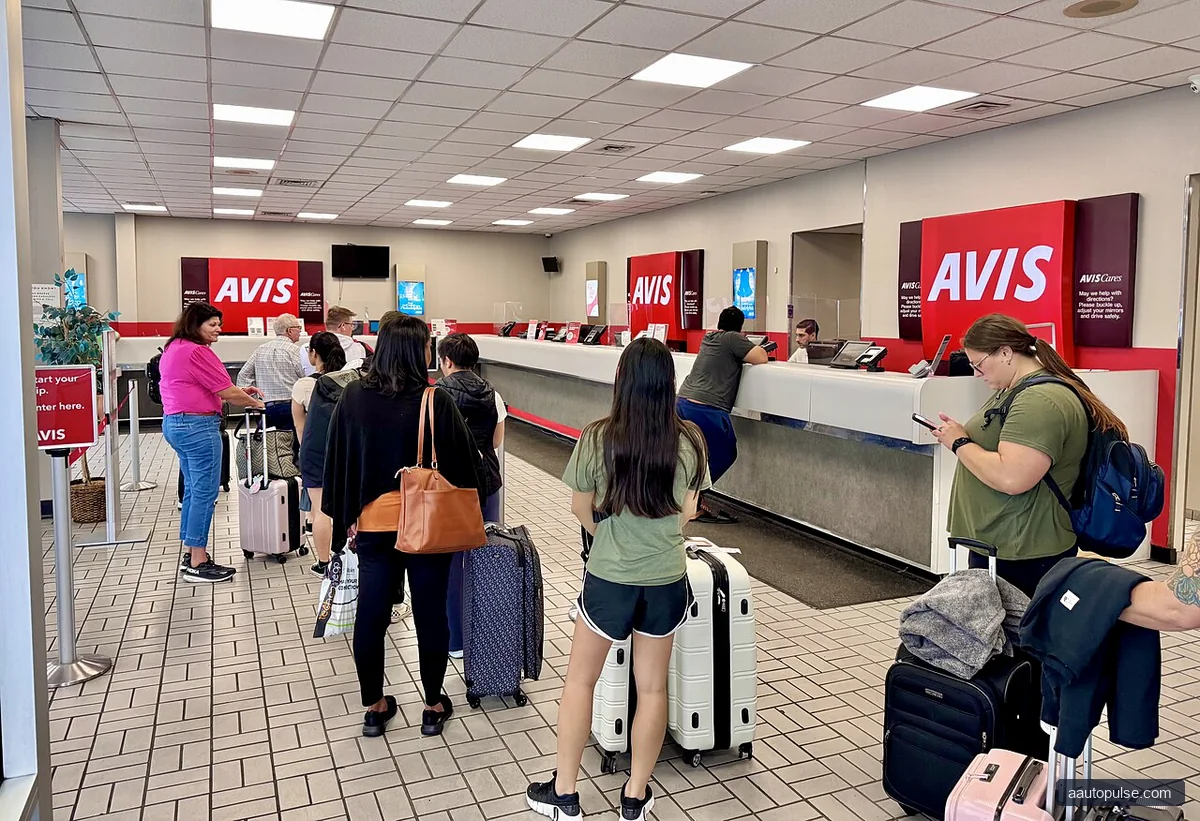
The best rental is not always the cheapest one on the screen. Location, pickup hours, vehicle size, mileage rules, and payment policies can affect the final cost and convenience more than the daily rate alone. Airport rentals are often easiest, while off-airport locations can sometimes be simpler on fees, but you should compare both.
Think about your trip first. A compact car may work well for city driving, while an SUV or minivan may be better for family travel, luggage, or winter weather. If you plan long highway drives, a more comfortable mid-size car can be a smarter choice than the lowest-cost class.
| Option | Best for | Strengths | Limitations |
|---|---|---|---|
| Economy / Compact | Solo trips, city driving, short errands | Easy to park, usually lower cost, good fuel use | Less room for passengers and luggage |
| Mid-size / Full-size | Business trips, road trips, family travel | More comfort and trunk space | May cost more than smaller classes |
| SUV / Minivan | Large groups, gear, winter travel | Cargo room, seating flexibility | Higher fuel use, larger size to park |
| Luxury / Specialty | Special occasions, premium comfort | Higher-end features and styling | Often more expensive and more restricted |
Who should choose what? Pick economy or compact if your trip is simple and you want easy parking. Choose mid-size or full-size if comfort and trunk space matter more. Go with an SUV or minivan if you need room for people or bags. Reserve specialty vehicles only if the trip truly calls for them.
3. Book the rental the smart way
When you are ready to reserve, read the terms before you click confirm. Look closely at pickup and return times, age rules, payment requirements, mileage limits, and whether the price includes taxes and fees. A deal that looks good at first can become expensive if it has strict rules or extra charges.
If you are comparing several companies, use the same trip dates and vehicle class so you are comparing similar offers. Also check the pickup location. An airport counter may be open later, while a neighborhood branch may have better weekday service but shorter hours.
Important items to check before booking
- Cancellation policy
- Fuel policy, such as full-to-full
- Included mileage, if any limit applies
- Additional driver fees
- Young driver rules and fees
- Cross-border or out-of-state travel limits
If you plan to use a debit card, confirm the company’s policy first, and see our guide to car dealerships that rent vehicles for another option. Some locations require extra ID, return travel proof, or a higher deposit hold. That is one of the most common surprises for first-time renters.
4. Pick up the car and inspect it carefully
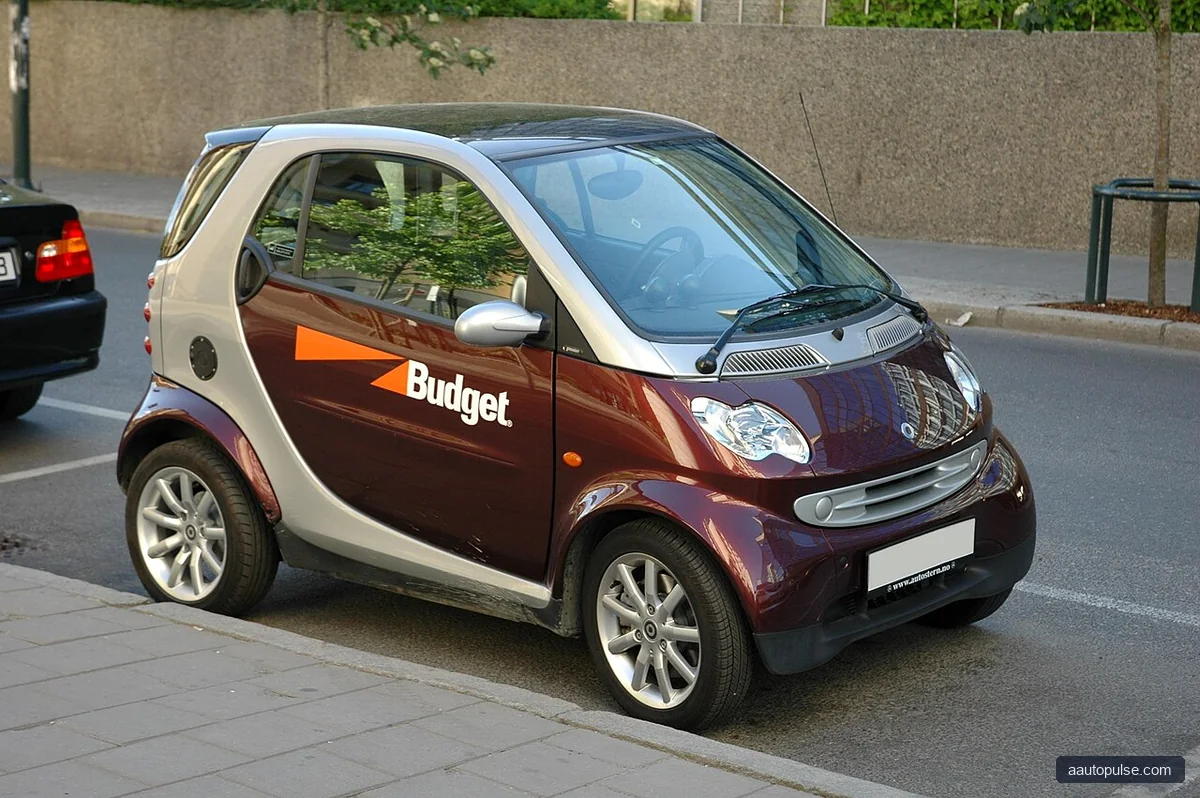
On pickup day, bring your license, payment card, and reservation details. The rental agent will verify your identity, explain the contract, and ask you to review any optional add-ons. Take your time here. A few extra minutes can help you avoid disputes later.
Before you leave the lot, walk around the car and check it closely. Look for scratches, dents, cracked glass, tire damage, dashboard warnings, and anything else that does not match the inspection form. Take clear photos or a short video that shows the full car, the license plate, and any visible damage.
Quick pickup checklist
- Match the car’s make, model, and license plate to your paperwork.
- Check fuel level, mileage, and any notes on existing damage.
- Test headlights, turn signals, wipers, and the horn.
- Set your mirrors, seat, and steering position before driving off.
- Ask how to contact roadside help if needed.
Do not accept extra coverage or equipment unless you need it. The agent may offer GPS, toll programs, child seats, or insurance upgrades. These can be useful, but they are not always necessary. Review what you already have through your personal auto policy, credit card, or travel coverage before you say yes.
5. Drive responsibly and avoid common fees
Once you have the car, your job is simple: follow the contract and return the vehicle on time. The biggest avoidable charges often come from late returns, smoking residue, toll violations, extra cleaning, or returning the car with less fuel than required. A little planning goes a long way.
Keep the car locked, avoid off-road use unless allowed, and do not let unauthorized drivers operate it. If you need to change plans, contact the rental company early. Waiting until after the fact can make a small issue much more expensive.
Common problems and what to do
| Problem | Best response |
|---|---|
| You may return late | Call the company as soon as possible and ask about the grace period or extension rules. |
| The fuel is not full | Refuel near the return location and keep the receipt if you can. |
| You notice new damage | Report it right away and document it with photos. |
| A warning light appears | Pull over safely and contact roadside assistance or the rental company. |
If you are unsure about the contract language, ask for clarification before you drive away. It is easier to correct a misunderstanding at pickup than after the final bill arrives.
6. Return the car the right way
Returning the car is the last step, but it matters just as much as pickup. Plan enough time for traffic, fueling, and the return walk-around. If the car is due at a busy airport, give yourself extra time so you are not rushed.
Before drop-off, remove all personal items, trash, toll transponders, and child seats if they are yours. Fill the tank if your contract requires full-to-full return. Then ask for or save proof that the vehicle was returned on time and in acceptable condition.
Return checklist
- Refuel according to the contract
- Remove all belongings and trash
- Take final photos of the car and odometer if useful
- Get a return receipt or digital confirmation
- Review the final charge after the trip ends
Keep your records until the final payment clears. If a billing issue appears later, photos, receipts, and the return confirmation can help you resolve it faster.
FAQ: how to rent a car in the US
Do I need insurance to rent a car?
Not always, but you do need to understand what coverage you already have. Some personal auto policies and some credit cards may offer rental coverage, while others do not. Check your own policy details before relying on them, and confirm what the rental company is offering before you decline or purchase anything.
Can I rent a car with a debit card?
Often yes, but debit card rules are usually stricter than credit card rules. You may face additional ID checks, deposit holds, or travel proof requirements. Policies vary by company and location, so confirm in advance if you plan to pay with debit.
What is the easiest way to avoid extra rental fees?
Return the car on time, refuel it as required, keep it clean, and inspect it at pickup and drop-off. Also avoid unnecessary extras, because add-ons can increase the total quickly. Reading the contract before you sign is one of the best ways to avoid surprise charges.
How does renting a car work for young drivers?
Drivers under 25 can usually rent in the US, but they may pay additional fees and have fewer vehicle choices. Some locations also set different age thresholds or restrictions for certain vehicle classes. Always check the age policy before booking.
Should I rent at the airport or off-site?
Airport locations are often more convenient if you are flying in and want to leave right away. Off-site locations may be easier for some local trips and can sometimes have different pricing or fee structures. The best choice depends on your schedule, pickup time, and total cost after fees.
Conclusion
Learning how to rent a car is mostly about preparation. Compare options, confirm the rules, bring the right documents, inspect the vehicle, and return it exactly as required. If you follow those steps, you can avoid most of the common problems that first-time renters face.
Before your next trip, review the rental terms, check your insurance coverage, and save your pickup and return records. A few minutes of planning can make the whole experience smoother and far less stressful.