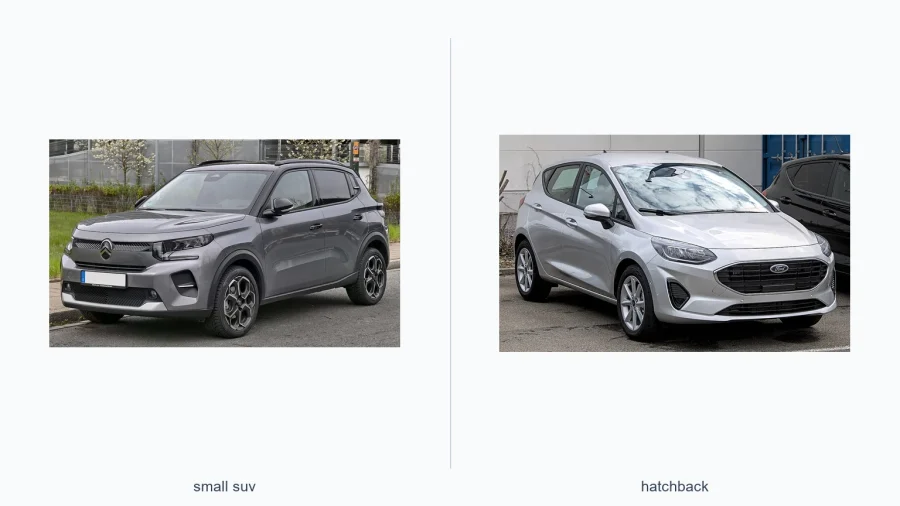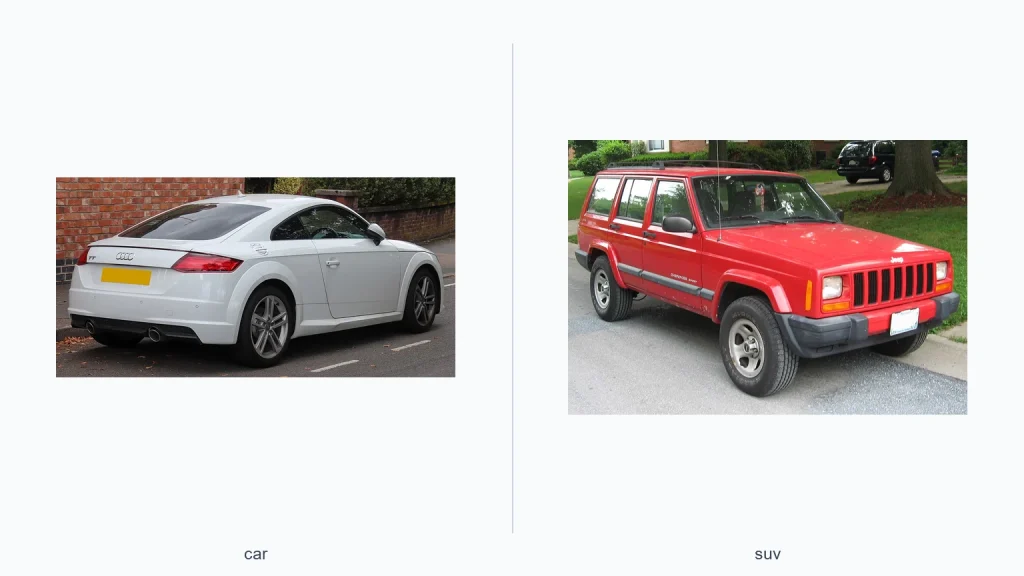
If you are deciding between a car and an SUV, the best choice depends on how you drive, what you carry, and where you go most often. A car usually wins for comfort, fuel use, and easy parking. An SUV usually wins for space, higher seating, and a more flexible family setup. In this car vs suv guide, we’ll compare the real trade-offs so you can decide whether a sedan, small SUV, or larger SUV fits your life best.
📖 Table of Contents
- Car vs SUV: The Core Difference
- How to Compare Your Daily Needs
- Car Strengths and Limitations
- SUV Strengths and Limitations
- Small SUV vs Sedan: Which Is the Better Middle Ground?
- What Matters for Safety, Visibility, and Confidence
- Comfort, Family Life, Pets, and Road Trips
- Car vs SUV Verdict: Who Should Choose What?
- FAQ
- Conclusion
Products mentioned
- Femuar Trunk Organizer, Hanging Backseat Car Storage Bag for SUV (42″*18″)
View current product details - Gtongoko Dog Car Barrier for SUV, Heavy Duty Steel Wire Mesh Pet Divider for Vehicles Adjustable Universal Fit Dog Travel Barrier for Cars Trucks & SUVs, Cargo
View current product details - Supercar vs SUV Racing 3D Simulator
View current product details - Monster Trucks & Police Car Cartoons
View current product details - Vankor Car Trash Can with Lid Leak Proof Car Accessories for Women
View current product details - URPOWER Dog Car Seat Cover for Back Seat, 100% Waterproof Hammock for Car
View current product details
Availability, specifications, and prices can change; verify them on the product page.
📌 Key Takeaways
- Choose a car if you want lower running costs, easier parking, and a smoother daily commute.
- Choose an SUV if you need more cargo room, a higher ride height, or a better setup for kids, pets, or weekend gear.
- A small SUV vs sedan comparison often comes down to space versus efficiency; many buyers are happiest with a compact SUV if they want a middle ground.
- The right answer is personal: city drivers, road-trippers, families, and pet owners may each need a different vehicle.
Car vs SUV: The Core Difference
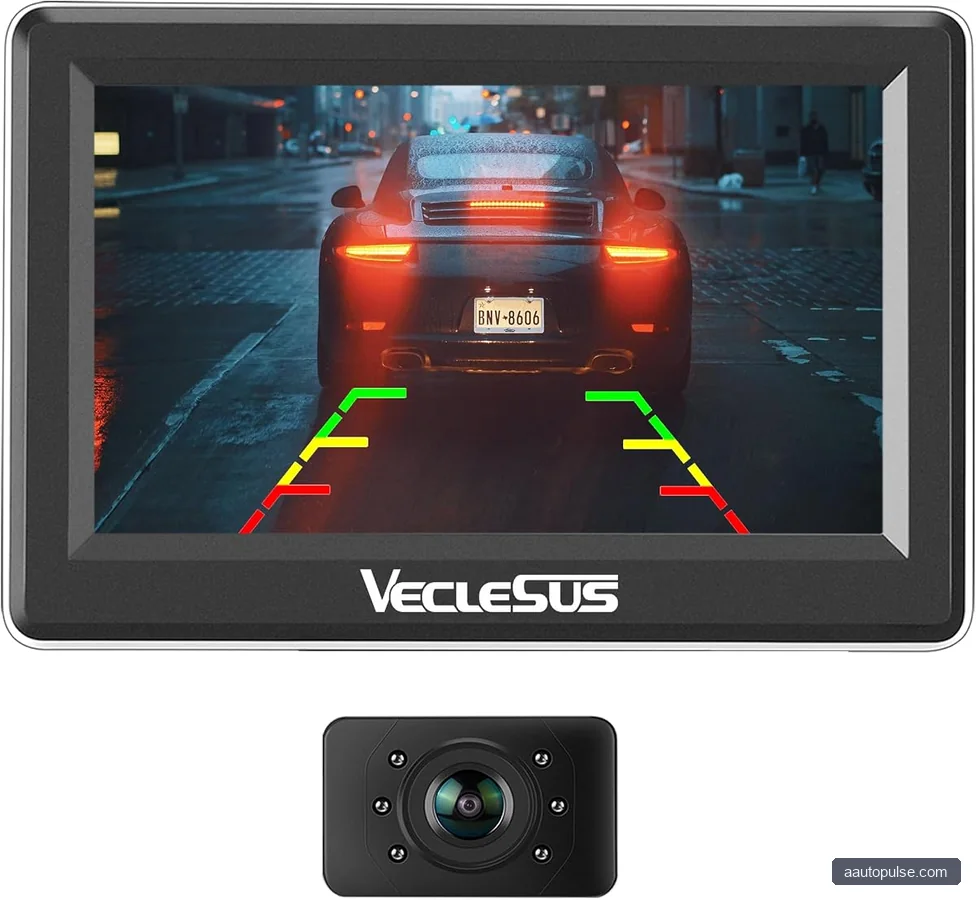
The main difference between a car and an SUV is how they are built and how they feel to live with. Cars, especially sedans and hatchbacks, usually sit lower and are shaped for efficiency and easy handling. SUVs sit higher, offer more upright seating, and often give you more cargo flexibility.
If you are asking “car or suv,” think beyond the badge. The real question is how much space you need, how often you carry passengers, and whether you value comfort, fuel savings, or versatility more.
| Category | Car | SUV |
|---|---|---|
| Driving feel | Usually lighter and easier to maneuver | Often feels taller and more commanding |
| Fuel use | Often better | Often worse, though many new models are improved |
| Cargo space | Good, but limited by shape | Usually more flexible |
| Parking | Usually easier | Can be harder in tight spaces |
How to Compare Your Daily Needs
The best way to choose is to map the vehicle to your real routine. A long highway commute, a crowded city block, and a suburban family schedule all point to different answers. The same is true if you drive with pets, sports gear, strollers, or work tools.
Use these selection criteria
- Passengers: Do you usually drive alone, with one other adult, or with several family members?
- Cargo: Do you carry groceries only, or do you need room for luggage, folding seats, or bulky items?
- Driving environment: Is your life mostly city, highway, snow, or mixed roads?
- Parking space: Do you often park in tight garages, apartment lots, or street spaces?
- Comfort preference: Do you want easier entry and a higher seat, or a lower, car-like ride?
For many buyers, the decision is less about what looks better and more about what causes less stress every day. If you are constantly squeezing into parking spaces, a car may feel better. If you are always loading people and gear, an SUV may save time and effort.
Car Strengths and Limitations
Cars remain popular for a reason. They are often simpler to live with, easier to park, and more efficient on fuel than larger vehicles. For commuters and city drivers, that can mean less hassle and lower day-to-day running costs.
A car also tends to feel more composed at lower ride heights, especially on smooth roads. If you mainly drive solo or with one passenger, you may not need the size or weight of an SUV.
Strengths of a car
- Usually better fuel economy than an SUV
- Often easier to park and turn in tight areas
- Lower step-in height for many passengers
- Often a strong value choice for commuting
Limitations of a car
- Less cargo flexibility than most SUVs
- Can sit too low for some drivers or older passengers
- May feel cramped with taller passengers or bulky gear
If you are deciding on a sedan or SUV, a sedan often makes the most sense for drivers who care most about efficiency and simplicity. If your needs are modest, a sedan can be the smartest and most practical answer.
SUV Strengths and Limitations
SUVs are built for versatility. The higher seating position helps many drivers feel more confident, and the extra room can be useful for families, pets, road trips, and errands. For a lot of households, that added flexibility matters more than fuel savings.
That said, an SUV is not automatically better. It can cost more to fuel, may be harder to park, and sometimes feels larger than needed for daily life. If you do not use the extra space, you may end up paying for room you rarely enjoy.
Strengths of an SUV
- More cargo and passenger flexibility
- Higher seating position and easier visibility for many drivers
- Often easier for loading kids, pets, and gear
- Useful for mixed driving and weekend travel
Limitations of an SUV
- Often uses more fuel than a comparable car
- Can be bulkier in parking lots and garages
- May cost more to buy, insure, or maintain depending on the model
When shoppers ask, “should I get a sedan or SUV,” the honest answer is often about lifestyle, not status. If your weeks include school drop-offs, sports bags, pets, and road trips, an SUV may earn its keep. If not, a car may be the easier win.
Small SUV vs Sedan: Which Is the Better Middle Ground?
The small suv vs sedan comparison is one of the most common because compact SUVs try to blend the best parts of both. They offer a taller seat and more cargo flexibility than many sedans, while staying easier to live with than larger SUVs. For a lot of US drivers, this is the sweet spot.
A compact SUV can be a smart pick if you want an easier climb-in height and room for weekend gear, but still need something manageable in traffic. A sedan may still win if you want the better efficiency and smoother driving feel of a traditional car.
| Best for | Small SUV | Sedan |
|---|---|---|
| Families with active schedules | Often a better fit | Can work, but may feel tighter |
| Daily commuting | Good, but not always the most efficient | Usually the easier choice |
| Cargo flexibility | Usually stronger | Adequate for lighter loads |
| Tight parking | Manageable, but larger than many cars | Usually easier |
Who should choose what? If you want a balance of space and everyday usability, a small SUV is often the better pick. If you value a lower purchase footprint and better efficiency, a sedan is usually the safer bet.
What Matters for Safety, Visibility, and Confidence
Many shoppers choose an SUV because they feel safer sitting higher. That feeling can matter, but it is not the whole safety story. Real safety depends on the vehicle’s crashworthiness, active safety tech, and how well it performs in tested conditions.
When you compare models, look for recognized safety evaluations such as NHTSA 5-star ratings and IIHS crashworthiness categories. Those are more useful than guessing based on vehicle size alone.
What to check before you buy
- Forward collision warning and automatic emergency braking
- Blind-spot monitoring
- Lane departure alerts or lane keeping assist
- Rear cross-traffic alert
- Headlight performance, especially for night driving
Visibility also matters in daily life. SUVs often give a better view over nearby traffic, while cars can feel easier to place in a lane or a parking spot. The best choice is the one that helps you drive confidently without adding stress.
Comfort, Family Life, Pets, and Road Trips
Your vehicle should fit the life you actually live. Families with child seats, strollers, sports bags, and snack spills often appreciate the easier loading and roomier setup of an SUV. Pet owners may also prefer the extra space and flexible rear area.
That is where some real-world accessories come in. A product like the Femuar Trunk Organizer, Hanging Backseat Car Storage Bag for SUV (42″*18″) suggests how important cargo organization can be in larger vehicles. Likewise, the Gtongoko Dog Car Barrier for SUV and the URPOWER Dog Car Seat Cover for Back Seat reflect the common need to manage pets safely and keep seats cleaner.
For everyday messes, a simple item such as the Vankor Car Trash Can with Lid Leak Proof Car Accessories for Women shows how small storage solutions can make either a car or SUV easier to live with. The vehicle itself matters, but smart organization often matters too.
Who should lean toward an SUV?
- Parents who regularly carry kids and gear
- Pet owners who need more flexible cargo space
- Drivers who take frequent road trips
- People who want easier entry and exit
Who should lean toward a car?
- Single drivers or couples with modest space needs
- Commuters who prioritize fuel savings
- City drivers with tight parking
- Buyers who want a simpler, lower-cost daily driver
Car vs SUV Verdict: Who Should Choose What?
If your life is mostly commuting, light errands, and occasional weekend trips, a car is often the better fit. It is easier to park, usually easier on fuel, and often cheaper to live with. For many people, that makes it the smartest long-term choice.
If your life includes family hauling, pets, frequent cargo needs, or a preference for a higher driving position, an SUV may fit better. For shoppers who want a middle path, a compact SUV often offers the best compromise in the car vs suv debate.
| If you value… | Choose a Car | Choose an SUV |
|---|---|---|
| Fuel savings | Yes | Usually no |
| Cargo room | Only if your needs are light | Yes |
| Easy parking | Yes | Sometimes harder |
| Family flexibility | Sometimes | Usually yes |
FAQ
Is a car better than an SUV for city driving?
Usually yes. A car is often easier to park, turn, and fit into tight spaces. If your driving is mostly city-based, the lower size and better efficiency can make a big difference.
Should I get a sedan or SUV for a family?
If you have kids, strollers, pets, or lots of gear, an SUV is often easier to live with. If your family is small and you do not carry much, a sedan may still be enough and can cost less to run.
Is a small SUV vs sedan decision mostly about fuel economy?
Fuel economy matters, but it is only one factor. Space, seating height, cargo flexibility, parking, and how often you drive with passengers all play a role.
Are SUVs always safer than cars?
No. Safety depends on the vehicle’s design and test results, not just its size. Check NHTSA 5-star ratings and IIHS crashworthiness categories when comparing specific models.
What if I want one vehicle that can do a little bit of everything?
A compact SUV is often the closest match. It usually gives you more flexibility than a sedan without feeling as large as a full-size SUV.
Conclusion
The best car vs suv choice comes down to your daily life, not just preference. Choose a car if you want efficiency, easy parking, and a simpler commute. Choose an SUV if you want more space, a higher seat, and more room for family life or travel.
If you are still unsure, make a short list of your top three needs, then test-drive both body styles in the same week. That side-by-side comparison usually makes the right answer clear fast.