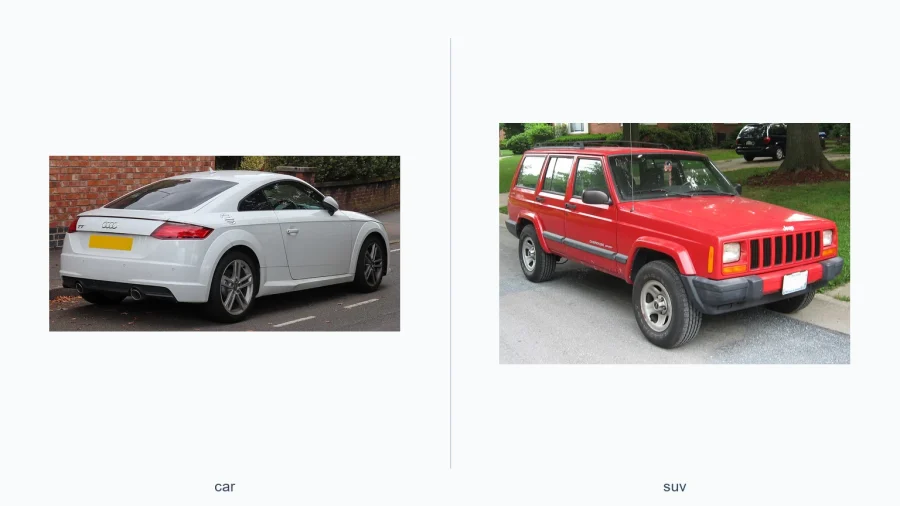
If you’re trying to choose between a small SUV and a hatchback, the best answer depends on how you drive, what you carry, and where you park. In many cases, a hatchback gives you lower running costs and easier city use, while a small SUV gives you a higher seating position, more cargo flexibility, and a bit more confidence in rough weather. This guide breaks down the real-world differences so you can decide which body style fits your life best.
📖 Table of Contents
- What’s the real difference between a small SUV and a hatchback?
- Small SUV vs hatchback: the everyday trade-offs
- Compact vs SUV: which is better for city driving and commuting?
- Hatchback vs sedan pros and cons: where does the hatchback fit?
- Space, comfort, and cargo: what fits your life better?
- Ownership costs, weather use, and practical extras
- Who should choose what? A clear verdict
- FAQ
- Conclusion
Products mentioned
- Car Trunk Organizer with Cooler for Small & Compact SUV, Hatchback
View current product details - SUV Tailgate Tent with Awning, 2-Person Hatchback Tent for Camping
View current product details - Small Car Cover All Weather Protection with Silver Stripe Design,Hatchback Car Cover Universal Fit Nissan Leaf, Honda Civic Hatchback, Mazda 3 Hatchback, VW Gol
View current product details - Floor Mat Backrest Cargo Liner for Honda Civic Hatchback 2022-2026
View current product details - CKE for Honda Civic Hatchback 2022-2026 Window Louvers -Glossy Black
View current product details - WINDSMILE Windshield Wiper Blades Replacement for Honda Civic Hatchback
View current product details
Availability, specifications, and prices can change; verify them on the product page.
📌 Key Takeaways
- Choose a hatchback if you want easier parking, better fuel economy, and a lower purchase price in most cases.
- Choose a small SUV if you want a higher ride height, easier loading, and a more flexible cabin for family use or road trips.
- Compact vs SUV often comes down to space and driving feel: compacts are usually cheaper to own, while SUVs feel more versatile.
- The best choice is the one that matches your daily routine, not the one that looks bigger or sounds more practical on paper.
What’s the real difference between a small SUV and a hatchback?

A hatchback is a car with a rear liftgate and a shared cargo area, so the back seats can fold down for extra space. It usually has a lower roofline, lower seating position, and a car-like ride. A small SUV is built higher, often with more ground clearance and a more upright body shape.
That difference matters in daily use. A hatchback tends to feel lighter and easier to maneuver, while a small SUV usually feels roomier and more flexible. If you’re comparing small suv vs hatchback, think less about labels and more about how the vehicle will fit your commute, errands, passengers, and parking situation.
| Factor | Small SUV | Hatchback |
|---|---|---|
| Driving position | Higher, more upright | Lower, more car-like |
| Cargo flexibility | Usually strong | Very good for size |
| Fuel economy | Often lower than a hatchback | Often better |
| Parking and agility | Good, but bulkier | Usually easier |
Small SUV vs hatchback: the everyday trade-offs
The best way to compare these vehicles is by use case. A hatchback often wins on simplicity. It is easy to live with in tight city streets, school pickup lines, and crowded parking lots.
A small SUV often wins on comfort and flexibility. The higher seat can help some drivers feel more confident, and loading kids, groceries, or bulky items can be easier because the cargo area is more upright.
Strengths of a hatchback
- Usually easier to park and turn in tight spaces.
- Often lighter, which can help with fuel use and handling.
- Great cargo access for its size because of the liftgate and fold-flat seats.
- Typically a better fit if you mostly drive alone or with one passenger.
Strengths of a small SUV
- Higher seating position for a better view of the road.
- More upright cargo area for boxes, strollers, or pet gear.
- Can feel more comfortable for families or taller drivers.
- Often comes with roof rails or more flexible storage options.
Neither body style is “better” in every way. The key is to match the vehicle to your real habits, not just your wishlist. If your daily drive is short and urban, a hatchback may be the smarter choice. If you regularly carry passengers, gear, or groceries, a small SUV may make life easier.
Compact vs SUV: which is better for city driving and commuting?
When shoppers search for compact vs suv, they are often comparing how easy the vehicle is to live with day to day. Compact cars and hatchbacks usually win for city commuting because they are easier to park, often cost less to fuel, and can feel less bulky in traffic.
Small SUVs can still work well in the city, especially if you want easier entry and exit or a more commanding view. But they may use more fuel and take up more space in tight parking situations, which matters if you live in an apartment complex or dense neighborhood.
Selection criteria for commuters
- Parking space: If your garage or street parking is tight, choose the smaller footprint.
- Fuel use: If you drive a lot, even a small difference in efficiency can add up.
- Ride height: If getting in and out matters, the SUV may feel easier.
- Traffic comfort: Hatchbacks often feel more nimble in stop-and-go driving.
If you commute mostly alone and want a practical, low-stress vehicle, a hatchback is often enough. If you split time between commuting and family hauling, the small SUV may justify its extra size.
Hatchback vs sedan pros and cons: where does the hatchback fit?
Searches for hatchback vs sedan pros and cons usually come from shoppers who want versatility without jumping to an SUV. A hatchback can be a strong middle ground because it gives you sedan-like driving manners with a more usable cargo opening.
Compared with a sedan, a hatchback is usually more flexible for bulky items. Compared with a small SUV, it may be easier to drive, cheaper to own, and simpler to park. That makes it a strong choice if your needs are practical but not oversized.
| Body style | Pros | Cons |
|---|---|---|
| Hatchback | Good cargo access, easy to park, often efficient | Less ride height, may feel smaller with more passengers |
| Sedan | Quiet cabin, separate trunk, often efficient | Less flexible cargo opening |
| Small SUV | Higher seating, versatile cargo area, family-friendly | Usually more expensive to buy and run |
For many U.S. drivers, a hatchback is the “best of both worlds” answer. It avoids the bulk of an SUV while still giving you a practical rear opening. If you do not need the extra height, it can be a very smart compromise.
Space, comfort, and cargo: what fits your life better?
One of the biggest reasons people choose a small SUV is passenger comfort. The upright seating position can make long drives feel less cramped, and the taller cabin may help rear passengers get in and out more easily. That can matter if you have kids, older relatives, or frequent carpool duty.
A hatchback may surprise you with how much it can hold when the rear seats fold down. It is often more than enough for weekly shopping, sports gear, luggage, or a dog crate, especially if you pack smart and use cargo organizers.
Some practical accessories can help either body style. For example, listings such as Car Trunk Organizer with Cooler for Small & Compact SUV, Hatchback show that organizers are useful in both layouts. Products like Floor Mat Backrest Cargo Liner for Honda Civic Hatchback 2022-2026 also highlight how hatchbacks often benefit from cargo protection when families or pets are part of the picture.
When the small SUV makes more sense
- You need easier child-seat loading.
- You carry larger items often.
- You want a more upright, open feel inside the cabin.
- You prefer a higher driving position.
When the hatchback makes more sense
- You mostly drive solo or with one passenger.
- You want a smaller vehicle for tight parking.
- You value lower fuel use and simpler day-to-day handling.
- You still want fold-flat cargo versatility.
Ownership costs, weather use, and practical extras
Cost is another major difference in the small SUV vs hatchback debate. In general, hatchbacks are often less expensive to buy and may cost less to insure and fuel, though actual numbers vary by trim, engine, and market. Small SUVs may bring extra costs, but they can also add convenience that some families feel is worth it.
For weather and outdoor use, a small SUV may feel more capable because of the higher stance and added clearance. Still, if your driving is mostly urban or suburban, a hatchback with the right gear can handle everyday needs very well.
This is where practical accessories can matter more than body style. A product such as SUV Tailgate Tent with Awning, 2-Person Hatchback Tent for Camping suggests that some drivers use either type for weekend trips. Likewise, a Small Car Cover All Weather Protection with Silver Stripe Design shows that hatchback owners often look for simple exterior protection instead of moving to a larger vehicle.
If you’re comparing compact vehicles for life in a cold or wet climate, think about traction, tire choice, and storage needs first. The body style alone does not guarantee weather confidence. Proper tires, wipers, and regular maintenance usually matter more than the badge on the back.
Who should choose what? A clear verdict
If you want the short answer: choose a hatchback if you want the easiest, most efficient daily driver. Choose a small SUV if you want more comfort, a higher view, and a more flexible cabin for people and gear.
For many buyers, the deciding factor comes down to how often they carry passengers or bulky cargo. If that happens only occasionally, a hatchback is usually the smarter buy. If it happens every week, the small SUV earns its keep.
| Choose this if you… | Best fit |
|---|---|
| Want the easiest city parking and strongest fuel efficiency | Hatchback |
| Need a higher seat and more comfortable family loading | Small SUV |
| Want the most flexible middle ground between compact and utility | Hatchback or compact SUV, depending on size needs |
| Carry people, pets, and gear often | Small SUV |
FAQ
Is a hatchback cheaper to own than a small SUV?
Often, yes. Hatchbacks usually cost less to buy and may be cheaper to fuel and insure, but the exact difference depends on the model, trim, and local insurance rates. Check the window sticker and current ownership estimates for the specific vehicles you are considering.
Is a small SUV safer than a hatchback?
Not automatically. Safety depends on the exact vehicle, its crash performance, and its safety technology. Look for current NHTSA 5-star ratings and IIHS crashworthiness categories for the specific models you are comparing rather than assuming one body style is safer.
What is the difference between compact vs sedan for daily use?
In everyday driving, a compact vehicle is usually easier to park and may use less fuel, while a sedan can offer a quieter trunk-separated cabin and a more traditional feel. If you want more cargo flexibility, a hatchback often splits the difference between compact and sedan.
Is a hatchback good for families?
Yes, for smaller families or families with modest cargo needs, a hatchback can work very well. It is especially useful if you want an efficient car that still handles strollers, groceries, sports gear, or weekend luggage without moving up to an SUV.
What accessories make a hatchback more practical?
Useful additions include cargo organizers, all-weather mats, trunk liners, and quality wiper blades. Product examples found during research include Floor Mat Backrest Cargo Liner for Honda Civic Hatchback 2022-2026 and WINDSMILE Windshield Wiper Blades Replacement for Honda Civic Hatchback, which show the kind of maintenance and utility items hatchback owners often consider.
Conclusion
The small suv vs hatchback choice comes down to balance. If you want a simple, efficient, easy-to-park vehicle, go hatchback. If you want more space, a higher seating position, and easier loading, go small SUV.
Before you decide, test both in the real world: sit in the driver’s seat, check rear-seat access, open the cargo area, and imagine your daily routine. That is the fastest way to pick the body style that truly fits your life.