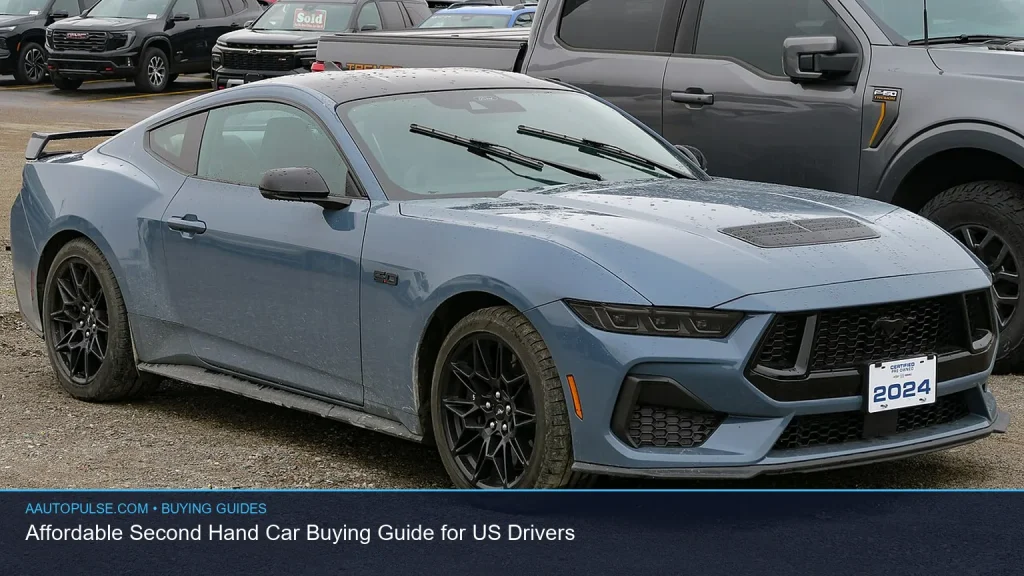
Buying an affordable second hand car can be a smart move if you want lower upfront cost, slower depreciation, and more choice. The key is knowing what to inspect, which models tend to be reliable, and when the market gives you the best deal. In this guide, you’ll learn how to compare options, spot warning signs, and choose a used car that fits your budget without creating surprise repair bills.
📖 Table of Contents
- Why Buying Used Makes Sense for US Drivers
- How to Set a Smart Budget Before You Shop
- What to Look Out for When Buying a Used Car
- How to Compare Reliable Used Autos
- When Is the Best Time to Buy a Used Car?
- Inspection, Safety, and Maintenance Checks You Should Not Skip
- A Simple Used Car Buying Process That Reduces Risk
- FAQ
- Conclusion
📌 Key Takeaways
- An affordable used car should be judged by total ownership cost, not just sticker price.
- The best time to buy a used car is often late in the month, end of quarter, or when inventory is high and demand is softer.
- A good pre-purchase inspection, clean history report, and test drive can save far more than a small discount ever will.
- Reliable used autos often come from models with strong service records, simple maintenance needs, and proven safety ratings.
Why Buying Used Makes Sense for US Drivers
For many drivers, the main appeal of a used car is value. A new car loses value quickly, while a used one has already taken the biggest depreciation hit. That means you can often get more features, more space, or better safety equipment for the same budget.
The other big advantage is choice. If you are shopping for a commuter sedan, a family SUV, or a first car for a new driver, the used market gives you more ways to match your needs and budget. Still, the cheapest option is not always the smartest one if it needs major repairs soon.
When people ask, “is it better to buy used car or new?” the answer depends on your priorities. New cars bring full warranty coverage and the latest tech, but used cars usually offer better value and lower depreciation. If your goal is to stretch your money, an affordable second hand car is often the stronger financial choice.
How to Set a Smart Budget Before You Shop
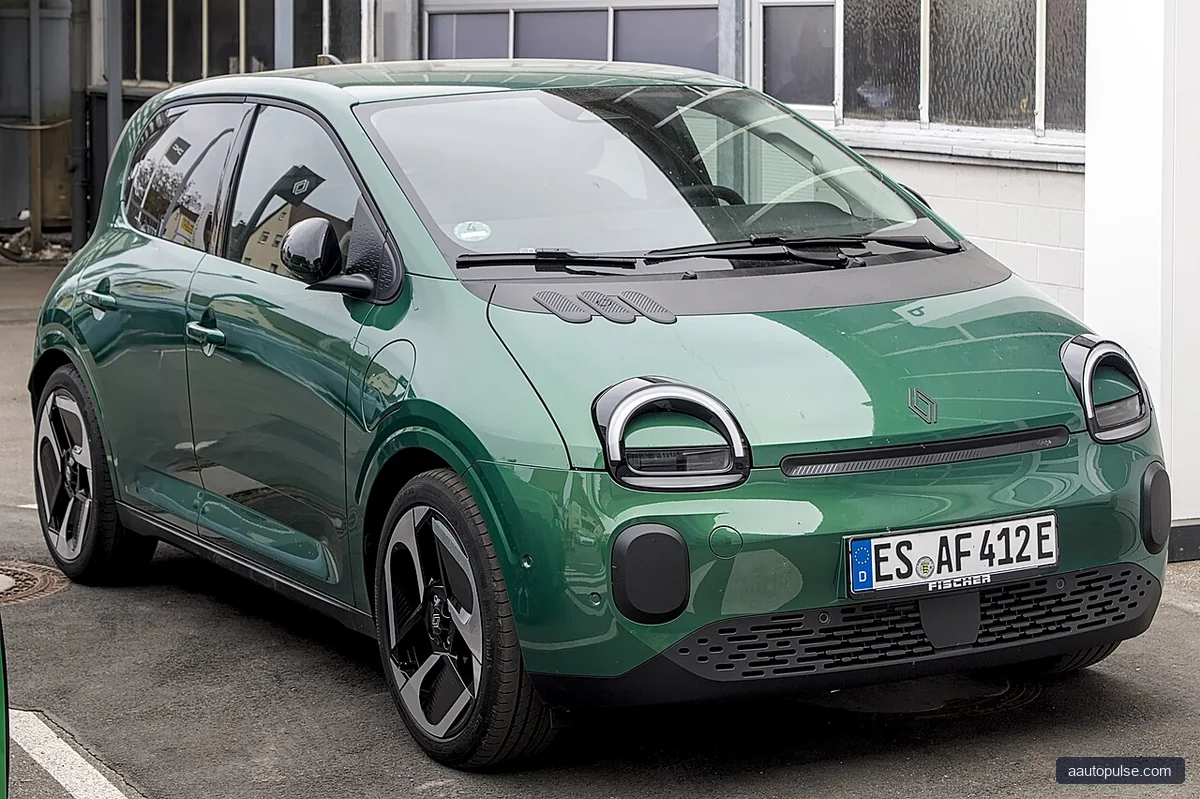
Start with a total budget, not just a monthly payment target. Your real cost includes insurance, registration, sales tax, fuel, maintenance, and possible repairs. A car that looks cheap at first can become expensive fast if it needs tires, brakes, or a timing belt soon after purchase.
A helpful rule is to leave room for an inspection and an initial repair fund. That way, you are not forced to skip needed work after the purchase. If your budget is tight, focus on simple, reliable models with a strong maintenance history.
Use this quick budget filter
- Set your maximum all-in budget.
- Reserve money for inspection and paperwork.
- Keep a repair buffer for immediate maintenance.
- Compare insurance estimates before you commit.
If you are comparing two cars, the lower purchase price does not always win. The better deal is the one with the lower expected ownership cost over the next few years.
What to Look Out for When Buying a Used Car
If you are wondering what to look out for when buying a used car, start with the basics: title status, service history, accident history, and visible wear. These clues can tell you whether the car was cared for or neglected. A clean exterior does not always mean a healthy car underneath.
Ask for maintenance records whenever possible. Oil changes, brake work, tire rotations, and fluid services are good signs. Missing records are not always a deal-breaker, but they should make you more careful during inspection.
Things to check while buying a used car
- Tires: Uneven wear can point to alignment issues or suspension problems.
- Brakes: Watch for grinding, vibration, or a soft pedal.
- Engine: Look for leaks, rough idling, smoke, or warning lights.
- Transmission: Shifting should feel smooth, not delayed or jerky.
- Interior controls: Test windows, locks, lights, A/C, infotainment, and backup camera.
- Exterior and frame: Check for mismatched paint, rust, or signs of crash repair.
During the test drive, listen for clunks, squeaks, humming, or vibration. Also pay attention to how the car starts cold, how it brakes, and whether it tracks straight on the road. If anything feels off, pause and investigate before you buy.
How to Compare Reliable Used Autos

Not every used car ages the same way. Some models are known for simple maintenance and long service life, while others can be costly once mileage rises. That is why shoppers often search for reliable used autos rather than just low-priced ones.
In general, the best used car to buy is the one that matches your needs, your budget, and your ability to maintain it. A reliable compact sedan may be a better choice than a larger SUV if you mainly drive in town and want low running costs.
| Option | Strengths | Limitations | Who should choose what |
|---|---|---|---|
| Compact sedan | Often easy to park, fuel-efficient, and cheaper to insure | Less cargo room, may feel small for families | Commuters and first-time buyers |
| Midsize SUV | More space, better visibility, useful for families | Higher fuel and maintenance costs | Drivers needing cargo space or extra seats |
| Used hybrid | Good fuel savings, strong city driving value | Battery condition matters; repairs can be model-specific | High-mileage commuters |
| Rental fleet vehicle | Usually maintained on schedule and priced competitively | May have higher mileage or more cosmetic wear | Value-focused buyers who inspect carefully |
Who should choose what? If you want the lowest running cost, a compact sedan is often the safest bet. If you need more room, choose a midsize SUV only after checking maintenance records and fuel costs. If you are open to buying a rental car, focus on condition, mileage, and service history rather than the label itself.
When Is the Best Time to Buy a Used Car?
If you are asking when is the best time to buy a used car, the answer is usually tied to inventory and demand. The best time to buy a used car is often when sellers are motivated and buyers are less active. That can mean late in the month, around holiday sales periods, or when a dealership wants to move older stock.
Seasonal timing can matter too. Tax refund season can push demand up, while colder months may bring less competition in some markets. That said, local inventory matters more than the calendar alone, so compare listings in your area before waiting for a perfect moment.
If you need a car now, do not wait too long for a theoretical deal. A well-priced, well-documented vehicle today can be better than a slightly cheaper car next month that has hidden problems.
Inspection, Safety, and Maintenance Checks You Should Not Skip
A strong inspection process is the best defense against buyer’s remorse. If possible, get a pre-purchase inspection from a trusted mechanic. This is especially important for higher-mileage cars, rental returns, and vehicles with incomplete service records.
For safety, check the vehicle’s crash ratings using standard sources such as NHTSA 5-star ratings and IIHS crashworthiness categories. These ratings do not tell you everything, but they help you compare how a vehicle performed in crash and safety tests.
Maintenance and diagnostic basics to review
- Oil changes: Many used cars need service every 5,000 to 7,500 miles, but verify the owner’s manual.
- Brake fluid: Common service intervals are about every 2 to 3 years, depending on the vehicle.
- Coolant: Some vehicles use long-life coolant for many years, but intervals vary widely.
- Transmission service: Intervals vary a lot by make and model, so check the manual before assuming.
- Tire tread: Uneven or low tread may hint at alignment or suspension issues.
If the car has a check engine light, do not assume it is minor. Ask for a code scan and a clear explanation of the fault. A small sensor issue can be easy to fix, but it can also hide a larger problem, so confirm before you buy.
A Simple Used Car Buying Process That Reduces Risk
Using a step-by-step process keeps emotions out of the deal. It also helps you compare cars fairly, instead of making a fast decision based on color, trim, or sales pressure. The best buyers slow down at the right moments and move quickly only when the evidence is strong.
- Choose 2 to 4 models that fit your budget and needs.
- Check safety ratings and common reliability concerns.
- Review service records, title status, and accident history.
- Inspect the car in daylight and take a long test drive.
- Get a mechanic’s inspection before signing anything.
- Compare the final price, fees, and repair needs against other options.
Be cautious with any deal that feels rushed. Sellers who discourage inspections, avoid paperwork, or pressure you to commit right away often create more risk than value. A fair car will still be a fair car after a proper review.
FAQ
What is the best used car to buy for value?
The best used car to buy for value is usually one with a strong reliability record, low operating costs, and easy access to parts and service. For many US drivers, that often means a compact or midsize sedan, though the right answer depends on your space, fuel, and safety needs. Always compare the exact vehicle history, not just the model name.
Is buying a rental car a good idea?
Buying a rental car can be a good idea if the vehicle has a clean title, regular maintenance, and no signs of heavy wear. Rental cars may have higher mileage or more cosmetic damage, but they are often serviced on schedule. A careful inspection matters more than the former rental label.
What are the most important things to check while buying a used car?
The most important things to check while buying a used car are the title, service history, tires, brakes, engine condition, transmission behavior, and warning lights. You should also review safety ratings and take a proper test drive. If possible, have a mechanic inspect the vehicle before purchase.
How can I tell if a used car is really reliable?
Look for a history of regular maintenance, clean ownership records, and a model known for dependable service. Reliable used autos usually have fewer signs of neglect, fewer warning lights, and fewer strange noises on the road. Even then, the individual vehicle’s condition matters more than the badge on the hood.
Should I wait for the best time to buy a used car?
If you are not in a hurry, waiting for the best time to buy a used car can help you find better inventory or negotiating room. But if your current vehicle is failing or you need transportation soon, a good car at a fair price is better than waiting for a perfect market moment. Focus on quality first, timing second.
Conclusion
The smartest way to buy an affordable second hand car is to combine budget discipline, vehicle research, and a careful inspection. Compare total ownership cost, check safety and reliability data, and never skip the test drive or mechanic review. If you stay patient and choose with facts, you can find a used car that fits your needs and protects your wallet.
Next, narrow your shortlist, verify history reports, and compare final out-the-door costs. That simple process can turn a stressful purchase into a confident one.