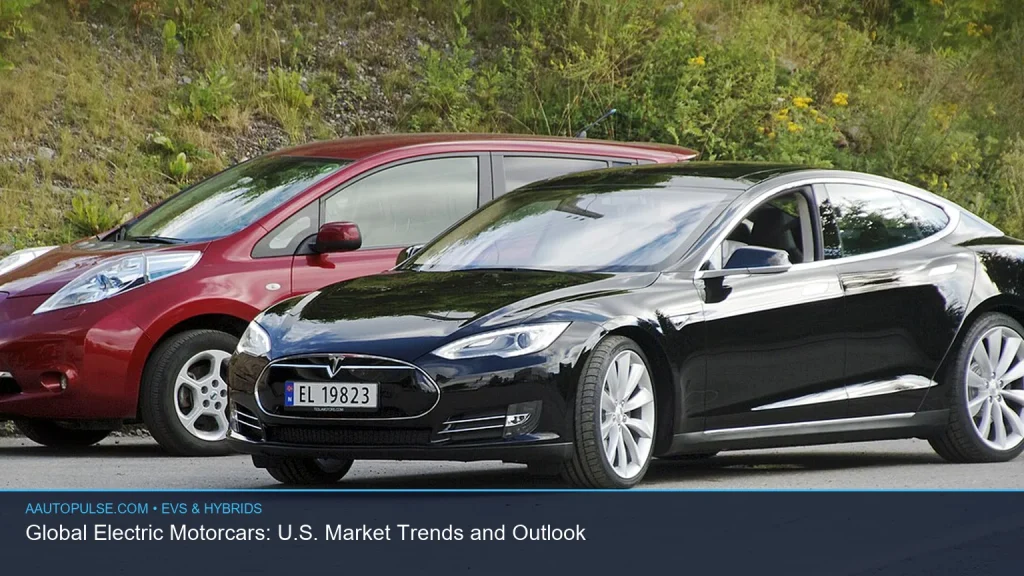
Global electric motorcars are no longer a niche idea. They are shaping how U.S. buyers think about daily driving, charging, and long-term ownership. This article explains what is driving the market, where growth is strongest, and what the U.S. outlook looks like next. If you are trying to understand the shift, the key question is not whether EVs will matter, but how fast the market will change and what that means for American drivers, fleets, and manufacturers.
📖 Table of Contents
- What “Global Electric Motorcars” Means in the U.S. Market
- U.S. Market Trends Shaping Electric Motorcar Demand
- Global Supply Chains and Why They Matter to U.S. Buyers
- Comparison: What U.S. EV Shoppers Should Prioritize
- Outlook: What Could Shape the Next Few Years
- How U.S. Buyers Can Evaluate an Electric Motorcar
- FAQ About Global Electric Motorcars
- Conclusion: What U.S. Readers Should Do Next
📌 Key Takeaways
- Global electric motorcars are expanding because battery costs, charging access, and model variety continue to improve.
- The U.S. market is growing, but adoption still depends on incentives, charging speed, local infrastructure, and buyer confidence.
- Manufacturers are balancing range, price, and software features to win more mainstream shoppers.
- For U.S. buyers, the best choice depends on commute length, home charging access, climate, and total ownership needs.
What “Global Electric Motorcars” Means in the U.S. Market
The term global electric motorcars refers to battery-powered passenger vehicles sold across multiple regions, including North America, Europe, and Asia. In the U.S., the category includes compact commuter cars, midsize sedans, crossovers, and luxury EVs that are influenced by worldwide supply chains and technology trends.
That global reach matters because the U.S. market does not develop in isolation. Battery chemistry, chip supply, charging standards, and software updates often move across borders before they show up on American roads. As a result, U.S. buyers are not just choosing a car. They are also choosing a vehicle shaped by international design, regulation, and competition.
Why this category is gaining attention
Electric motorcars appeal to buyers who want lower fuel use, smoother driving, and fewer tailpipe emissions. They also attract fleet managers and city planners looking to reduce operating costs and local pollution. On the other hand, shoppers still weigh charging access, cold-weather range, and resale value before making the switch.
U.S. Market Trends Shaping Electric Motorcar Demand

The U.S. electric vehicle market has moved from early adopters toward broader mainstream interest. That shift is being driven by several clear trends: more model choices, better public charging, and greater comfort with home charging. Buyers now see electric motorcars as practical for more than short urban trips.
At the same time, the market is becoming more competitive. Automakers are adjusting prices, adding software-based features, and improving battery performance to keep pace with rivals. This competition benefits consumers, but it also makes the market harder to read because incentives and trim changes can shift quickly.
Trend 1: More body styles, more mainstream appeal
Early EV demand leaned heavily toward premium buyers and tech-focused shoppers. Today, crossovers and family-friendly models are bringing in a much wider audience. That matters in the U.S., where many households want one vehicle that can handle commuting, errands, and road trips.
Trend 2: Charging access is still the deciding factor
Home charging remains the strongest predictor of EV satisfaction. Buyers who can charge overnight usually find ownership easier and more predictable. For apartment dwellers or drivers without driveway access, public charging availability can still make or break the decision.
Trend 3: Consumers are watching total cost, not just sticker price
Many shoppers compare monthly energy costs, maintenance needs, tax incentives, and resale value. Electric motorcars often have fewer routine service items than gas vehicles, but upfront pricing can still be a barrier. U.S. buyers are becoming more analytical and less focused on range alone.
Global Supply Chains and Why They Matter to U.S. Buyers
Electric motorcars depend on a worldwide network of battery materials, electronics, software platforms, and assembly plants. If one part of that chain slows down, pricing and availability can change in the U.S. market. This is one reason why EV inventory and incentives can look different from one quarter to the next.
Battery supply is especially important. The chemistry used in a vehicle affects weight, charging behavior, cold-weather performance, and long-term durability. While many buyers do not need to track every technical detail, they should understand that changes in battery sourcing can influence real-world ownership experience.
What U.S. shoppers should watch
- Model availability: Some EVs are built in North America, while others arrive from overseas and may face longer lead times.
- Charging standards: Connector compatibility and adapter access can affect convenience.
- Policy shifts: Incentives may change based on sourcing rules, income limits, or vehicle assembly location.
- Software support: Updates, app features, and charging-network integration can vary by brand.
Comparison: What U.S. EV Shoppers Should Prioritize
Because there is no single best electric motorcar for every driver, it helps to compare the most important decision factors. The table below is not a product ranking. It is a practical guide to what matters most for different types of buyers.
| Buyer Priority | Best Fit | Strengths | Limitations | Who Should Choose What |
|---|---|---|---|---|
| Lowest daily operating stress | EV with home charging access | Convenient overnight charging, easy routine use | Requires driveway, garage, or reliable outlet setup | Choose this if you can plug in at home most nights |
| Long-distance flexibility | EV with strong DC fast-charging support | Better road-trip usability | Fast-charging quality still varies by region | Choose this if you drive interstate routes often |
| Lower upfront risk | Model with stable incentives and broad service access | Easier ownership planning | Policy and availability can change | Choose this if you want predictable support and resale potential |
| Best value focus | Efficient mainstream EV | Balanced range, charging, and daily use | May lack premium features | Choose this if you care most about practicality |
Strengths across the category: lower tailpipe emissions, smooth acceleration, fewer oil changes, and strong city driving comfort.
Limitations across the category: charging time, infrastructure gaps, battery degradation concerns, and varying cold-weather range.
Verdict: Home charging owners should lean toward a mainstream EV with practical range. Frequent travelers should prioritize fast-charging support and route planning tools. Budget-focused shoppers should compare total ownership cost, not just the purchase price.
Outlook: What Could Shape the Next Few Years
The near-term outlook for global electric motorcars in the U.S. is positive, but not guaranteed to move in a straight line. Adoption will likely keep rising as charging access improves and more buyers gain confidence in EV ownership. Still, growth may be uneven across regions because local utility rates, winter weather, and housing types all affect convenience.
Automakers are also under pressure to make EVs easier to live with. That means better battery efficiency, faster charging curves, simpler apps, and stronger service networks. For U.S. consumers, the winning vehicles will be the ones that reduce friction, not just the ones that post the biggest range number.
Key forces to watch
- Charging network expansion: More reliable fast chargers can ease range anxiety.
- Battery improvements: Better chemistry may support longer life and better cold-weather use.
- Policy changes: Federal and state incentives can shift demand quickly.
- Used EV market growth: A stronger used market could open EV ownership to more households.
How U.S. Buyers Can Evaluate an Electric Motorcar
If you are considering an EV, start with your routine instead of the brochure. Think about how many miles you drive, where you park, and how often you leave your local area. That simple step filters out a lot of bad matches before you ever compare trims.
- Check your charging options. Confirm whether you can install a home charger or use dependable public charging nearby.
- Review your daily mileage. Match your commute and errands to a comfortable battery range buffer.
- Study your route patterns. If you take road trips often, map charging stops before buying.
- Compare ownership costs. Look at insurance, energy use, maintenance, and any available incentives.
- Read the owner’s manual and charging guidance. Battery care instructions can vary by model, climate, and usage pattern.
Caution: Avoid choosing an EV based only on maximum range or fast-charging claims. Real-world use depends on weather, speed, terrain, and how full the battery is when you begin charging. Always verify current specifications and incentive rules before making a purchase decision.
FAQ About Global Electric Motorcars
Are global electric motorcars the same as U.S.-market EVs?
Not exactly. Global electric motorcars include vehicles sold in multiple countries, while U.S.-market EVs are the models available in America. Some are designed mainly for the U.S., while others are adapted from international platforms.
Is home charging really necessary?
It is not required, but it is often the easiest way to own an EV. Home charging makes daily use simpler, especially for commuters. Without it, public charging becomes a bigger part of the ownership experience.
What should I compare first when shopping for an EV?
Start with charging access, real-world range, and your driving pattern. Then compare warranty coverage, service availability, and software features. These factors affect day-to-day ownership more than a spec sheet alone.
Do electric motorcars need less maintenance than gas cars?
Usually, yes. EVs often skip oil changes and have fewer moving parts in the drivetrain. Even so, tires, brakes, cabin filters, coolant systems, and software still need attention. Always follow the vehicle’s maintenance schedule in the owner’s manual.
Will the U.S. EV market keep growing?
Most signs point to continued growth, but the pace may vary. Charging buildout, incentives, and consumer confidence will shape adoption. The market is still maturing, so change can be fast and uneven.
Conclusion: What U.S. Readers Should Do Next
Global electric motorcars are becoming a major part of the U.S. auto market, but the best choice still depends on your life, not just the trend. If you have home charging and mostly local driving, the case for an EV is stronger. If you rely on long road trips or have limited charging access, the decision deserves more research.
Next, compare your commute, parking setup, and travel habits against current EV options. Then verify current specs, incentives, and charging support before you buy. That approach will help you choose a vehicle that fits both today’s market and your real-world needs.