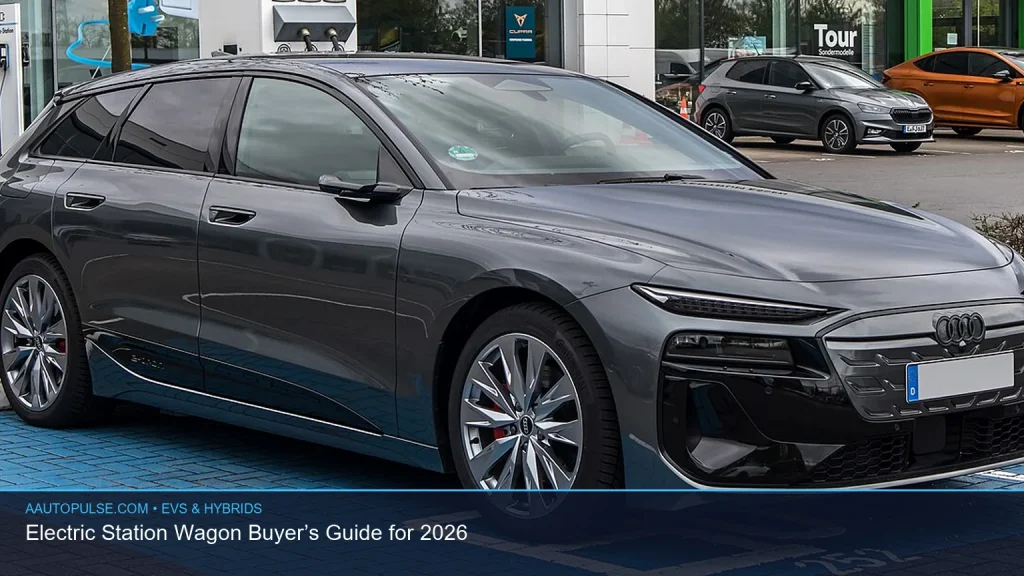
If you want the space of a crossover with the lower, easier-to-load shape of a car, an electric station wagon may be the best fit. For 2026 shoppers, the big question is not just which model looks good, but which one matches your daily range needs, cargo use, charging access, and winter driving plans. This guide breaks down what matters most, what trade-offs to expect, and how to compare options with confidence before you buy.
📖 Table of Contents
- What an Electric Station Wagon Really Offers
- How to Choose the Right Electric Station Wagon for 2026
- Electric Station Wagon Comparison Table
- Range, Charging, and Real-World Use
- Safety, Space, and Everyday Family Checks
- Common Ownership Questions: Maintenance, Tires, and Long-Term Costs
- Who Should Choose an Electric Station Wagon?
- FAQ
- Conclusion
📌 Key Takeaways
- An electric station wagon blends EV efficiency with the cargo room and low load floor many families want.
- Range, charging speed, rear-seat space, and cargo shape matter more than badge or styling claims.
- Compare how you drive most days, not how far the vehicle can go on paper under ideal conditions.
- Always verify current specs, trims, safety ratings, and availability before you shop, since EV lineups change fast.
What an Electric Station Wagon Really Offers
An electric station wagon is designed to give you a long roof, useful cargo space, and a practical rear opening, while replacing the gas engine with an electric powertrain. That makes it a smart middle ground for buyers who want more room than a sedan but less bulk than many SUVs.
For many US shoppers, the appeal is simple: easier loading, better efficiency, and a shape that can feel more stable and car-like on the road. If you carry strollers, sports gear, pets, or weekend luggage, the wagon format can be more usable than a taller vehicle with a similar footprint.
Why this body style still matters
Crossovers dominate the market, but wagons remain attractive because they often ride lower, handle well, and use space efficiently. In EV form, the flat floor from the battery pack can also help create a roomy cabin and a wide cargo area.
That said, not every wagon-shaped EV is the same. Some lean toward family use, while others focus more on performance, luxury, or style. The best choice depends on how much space you need and how much charging convenience you have at home or work.
How to Choose the Right Electric Station Wagon for 2026
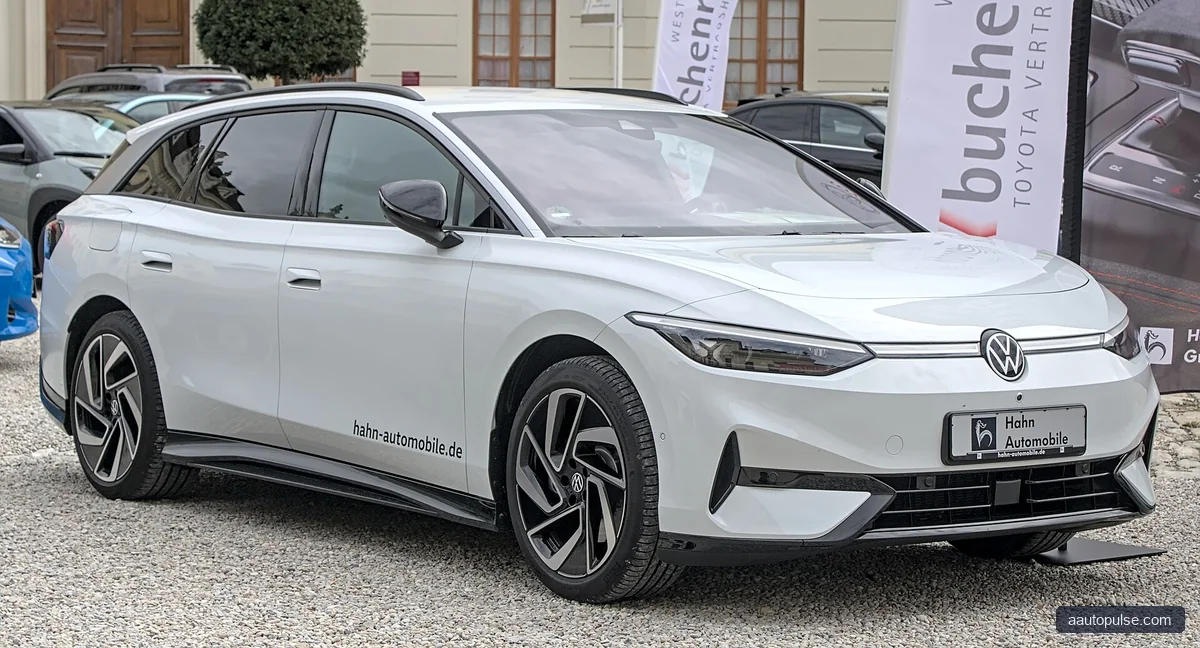
The best electric station wagon for you is the one that fits your routine without creating charging stress. Start with your daily mileage, your access to Level 2 home charging, and whether you often take longer trips.
Then think about the shape of your real cargo. A stroller, grocery runs, dog crates, golf clubs, and hockey bags all load differently, so a wagon’s cargo floor height and opening size can matter just as much as total volume.
Selection criteria that matter most
- Range: Look for enough real-world range to cover your weekday driving with a buffer.
- Charging speed: Fast DC charging helps on road trips, but home charging matters most for daily use.
- Cargo practicality: Check the liftgate opening, floor height, and rear-seat fold flat design.
- Rear-seat comfort: Make sure adults or child seats fit without forcing the front seats too far forward.
- Cold-weather behavior: EV range can drop in winter, so plan for that if you live in the North or Midwest.
- Service and software support: Verify how updates, apps, and warranty coverage are handled in the US.
Electric Station Wagon Comparison Table
The table below does not list specific models because current product availability changes often. Instead, it shows the main buyer profiles that matter when comparing any electric station wagon.
| Buyer type | What to prioritize | Strengths | Limitations | Who should choose this |
|---|---|---|---|---|
| Daily commuter | Efficiency, home charging, easy parking | Low operating effort, smooth ride, simple charging routine | Range loss in cold weather, road-trip planning still matters | Drivers with predictable weekday routes and garage or driveway charging |
| Family hauler | Rear-seat room, cargo space, safety features | Easy loading, good visibility, flexible storage | Some wagons have less third-row utility than SUVs | Households that value easy access and smart cargo use |
| Road-trip driver | Fast DC charging, route planning, battery preconditioning | Comfortable cruising and strong trip efficiency | Charging stops add time compared with gas vehicles | Buyers who regularly travel beyond home charging range |
| Performance-focused buyer | Power delivery, handling, brake feel, tires | Quick acceleration and stable road manners | Often higher tire wear and lower efficiency | Drivers who want wagon utility without giving up speed |
Range, Charging, and Real-World Use
Range is one of the most important numbers on the window sticker, but it is not the whole story. Real-world range changes with speed, temperature, cargo load, wheel size, and cabin heat use. If you live in a hot or cold region, build in extra margin.
For a station wagon, daily convenience usually depends more on charging access than on maximum battery size. A homeowner who can plug in overnight may be happier with a moderate range EV than a larger-battery model that still needs frequent public charging.
Use this simple charging decision process
- Estimate your normal daily miles, not your longest vacation trip.
- Check whether you can install Level 2 home charging or already have access to it.
- Confirm nearby public charging options for errands and road trips.
- Look for battery preconditioning if you travel in cold weather or use DC fast charging often.
- Make sure the charging port and app experience are easy to live with, not just impressive on paper.
Caution: A fast-charging claim may sound great, but your actual charging time depends on battery state, charger output, temperature, and vehicle software. Always verify the latest charging data from the manufacturer and independent current testing.
Safety, Space, and Everyday Family Checks
Safety should be a core part of any EV wagon decision. When you compare models, look for current NHTSA 5-star ratings and IIHS crashworthiness results, including categories such as small overlap front, moderate overlap front, side, and roof strength where available.
Also review active safety equipment like automatic emergency braking, lane keeping, blind-spot monitoring, and rear cross-traffic alert. These features do not replace careful driving, but they can help in crowded parking lots and busy traffic.
Family fit checklist
- Can two car seats fit without blocking front-row comfort?
- Is the rear door opening wide enough for easy child-seat access?
- Does the cargo floor stay flat when the rear seats are folded?
- Is the liftgate opening tall enough for boxes, pets, or strollers?
- Is visibility good enough for parking and lane changes?
If you plan to use the wagon for family hauling, do not rely only on brochure photos. Sit in the rear seat, test the cargo area, and try folding the seats yourself. Small details like latch placement, seatback angle, and cargo lip height can affect daily use more than peak horsepower.
Common Ownership Questions: Maintenance, Tires, and Long-Term Costs
Electric vehicles usually need less routine maintenance than gas cars because there is no engine oil to change and fewer moving parts in the powertrain. Still, they are not maintenance-free. Tires, brakes, cabin filters, suspension parts, and wiper blades still need attention.
For general EV upkeep, check your owner’s manual for exact service intervals. Many EVs call for cabin air filter replacement roughly every 15,000 to 30,000 miles, brake-fluid checks about every 2 years, and tire rotations often around 5,000 to 7,500 miles, but the schedule varies by brand and model.
What to watch for
- Tire wear: EV weight and instant torque can wear tires faster than expected.
- Brake feel: If regen braking changes or pedal response feels different, have it checked.
- 12V battery issues: Weak auxiliary batteries can cause strange warning lights or no-start problems.
- Software updates: Keep infotainment and vehicle software current for fixes and feature changes.
- Charging errors: Inspect the charge cable, port, and connector if charging becomes inconsistent.
Diagnostic tip: If you notice reduced range, unusual warnings, or charging interruptions, start with simple checks first. Look at tire pressure, recent weather changes, cabin heat use, and recent software updates before assuming there is a battery fault.
Who Should Choose an Electric Station Wagon?
An electric station wagon is a strong match for buyers who want flexible cargo space, easy loading, and a more car-like drive than a tall SUV can provide. It can also be a smart choice for drivers who already have home charging and mostly travel predictable routes.
It may be less ideal if you need maximum ground clearance, off-road capability, or the biggest possible cargo volume. In that case, a crossover or SUV may serve you better, especially if you regularly drive on rough roads or need more vertical space.
Choose an electric station wagon if you:
- Want EV efficiency without giving up cargo usefulness.
- Prefer a lower ride height for easier loading and a car-like feel.
- Have reliable charging access at home or work.
- Value rear-seat comfort and a practical hatch area.
Consider another body style if you:
- Need higher ground clearance for snow, gravel, or trails.
- Want the broadest possible model selection in the US market.
- Frequently drive long distances with limited charging access.
- Need a third row with true family-friendly space.
FAQ
Are electric station wagons good for road trips?
Yes, they can be, especially if they support strong DC fast charging and battery preconditioning. The key is to plan routes around charging stops and understand how weather, speed, and load affect range.
Is an electric station wagon better than an SUV?
It depends on your needs. A wagon often feels easier to drive, lower to the ground, and more efficient, while an SUV usually offers more ride height and sometimes a more upright seating position.
How much maintenance does an electric station wagon need?
Usually less than a gas vehicle, but not zero. Expect tire rotations, brake checks, cabin air filter changes, windshield wiper replacement, and software updates, all according to the owner’s manual.
What safety ratings should I look for?
Check for current NHTSA 5-star ratings and IIHS crashworthiness results. Also review the presence and performance of active safety systems like emergency braking and lane support.
What should I verify before buying?
Confirm current trim availability, range, charging speed, warranty terms, and safety ratings. Because EV lineups change quickly, the latest manufacturer and independent review information matters.
Conclusion
The best electric station wagon for 2026 is the one that fits your life, not just your wish list. Focus on range, charging access, cargo use, safety scores, and how the vehicle feels in the spaces you use every day.
Before you buy, compare your top choices side by side, test the rear seat and cargo area, and verify the latest specs and ratings from reliable sources. That careful approach will help you choose a wagon that feels practical now and still makes sense years from now.