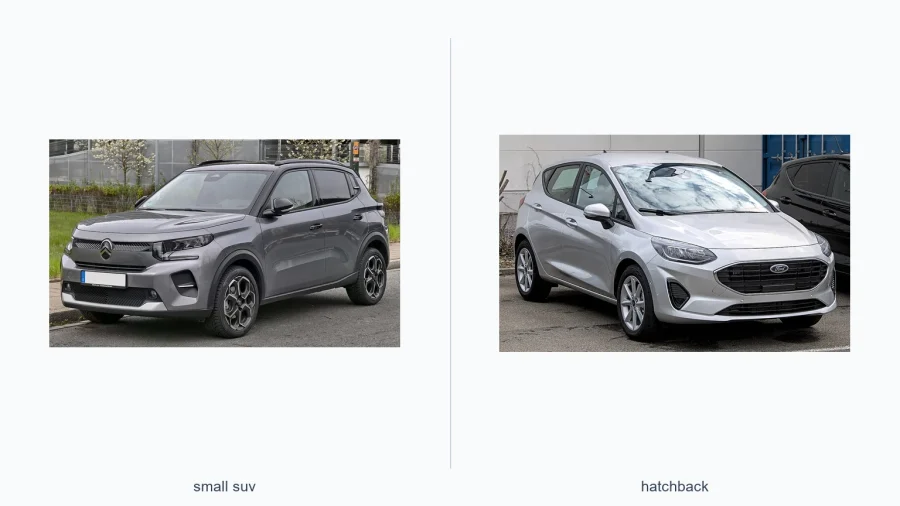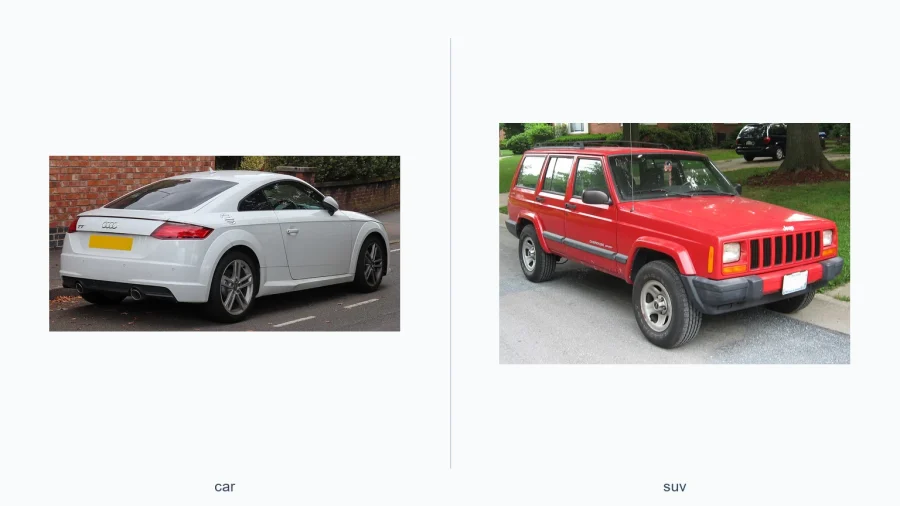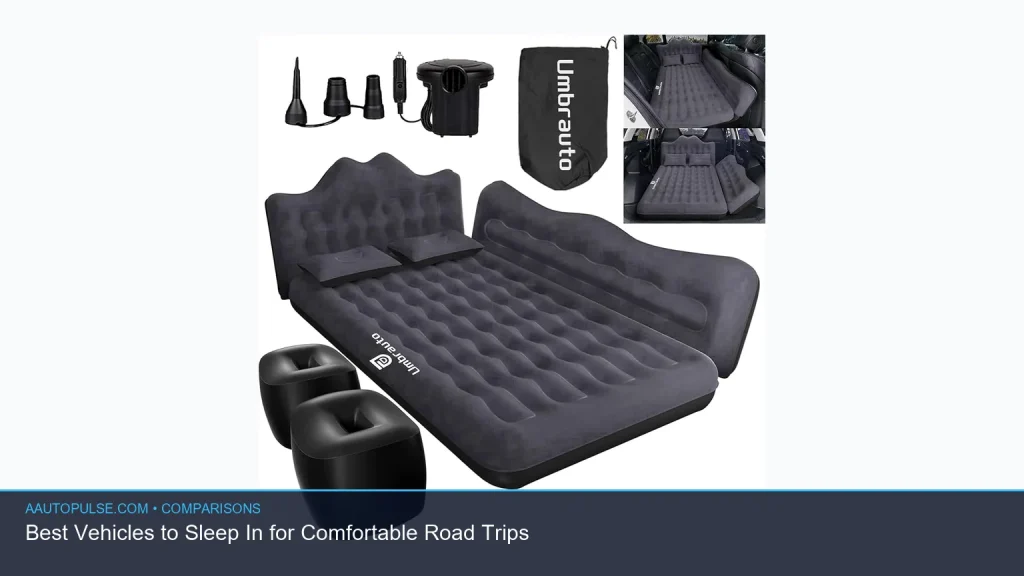
If you’re looking for the best vehicles to sleep in, the right answer depends on space, seat shape, climate control, and how much setup you want to do. For most road trippers, the best choices are SUVs, minivans, and some wagons or large hatchbacks because they give you a flatter cargo area and more room to stretch out. Sedans can work too, but they usually need more compromise. Below, we compare the best vehicle types for sleeping comfortably, what makes them work, and which one fits your trip style best.
📖 Table of Contents
- What Makes a Vehicle Good for Sleeping In?
- 1. Minivans: The Easiest Answer for Comfortable Sleeping
- 2. Full-Size SUVs: Strong Comfort and More Versatility
- 3. Midsize SUVs: The Best Balance for Most Travelers
- 4. Wagons and Large Hatchbacks: Underused but Very Smart
- 5. Sedans: Possible, but Usually Not the Best Choice
- How to Pick the Right Sleeping Vehicle for Your Trip
- Safety, Comfort, and Practical Overnight Tips
- FAQ
- Final Verdict: Which Vehicle Type Should You Choose?
📌 Key Takeaways
- Minivans are often the easiest and most comfortable choice for sleeping, thanks to flat floors and lots of interior space.
- Midsize and full-size SUVs are strong all-around picks if you want room, road-trip comfort, and easy passenger-to-cargo flexibility.
- Wagons and larger hatchbacks can be surprisingly good cars for sleeping in when you want better fuel use and easier parking.
- The best setup depends on seat fold-flat design, cargo length, ventilation, and safety, not just vehicle size.
What Makes a Vehicle Good for Sleeping In?
The best cars to sleep in share a few simple traits: a flat or nearly flat sleeping surface, enough cargo length for your height, and space to move without feeling boxed in. Good ventilation matters too, especially if you plan to sleep in warm weather or while camping.
Also look at window tint, sunshades, rear seat fold quality, and whether the vehicle has a way to keep the cabin quiet and cool overnight. A comfortable sleeper is less about luxury and more about layout.
Selection criteria to compare
- Sleeping space: Can an adult lie down fully, or at least diagonally?
- Seat configuration: Do the rear seats fold flat, or do they leave a slope?
- Climate comfort: Can the vehicle stay cool or warm safely overnight?
- Access: Is it easy to get in, get out, and store bedding?
- Privacy: Are the windows easy to cover?
- Versatility: Can the same vehicle handle passengers, luggage, and road trips?
| Vehicle Type | Sleeping Comfort | Main Strength | Main Limitation |
|---|---|---|---|
| Minivan | Excellent | Most interior room and easiest layout | Less rugged image, larger footprint |
| Full-size SUV | Excellent | Large cargo area and road-trip comfort | Can be harder to access and park |
| Midsize SUV | Very good | Balanced space and daily usability | Sleeping area may be shorter than expected |
| Wagon / large hatchback | Good | Efficient, easier to drive, still roomy | Less interior height |
| Sedan | Fair | Quiet, efficient, common | Limited flat sleeping space |
1. Minivans: The Easiest Answer for Comfortable Sleeping
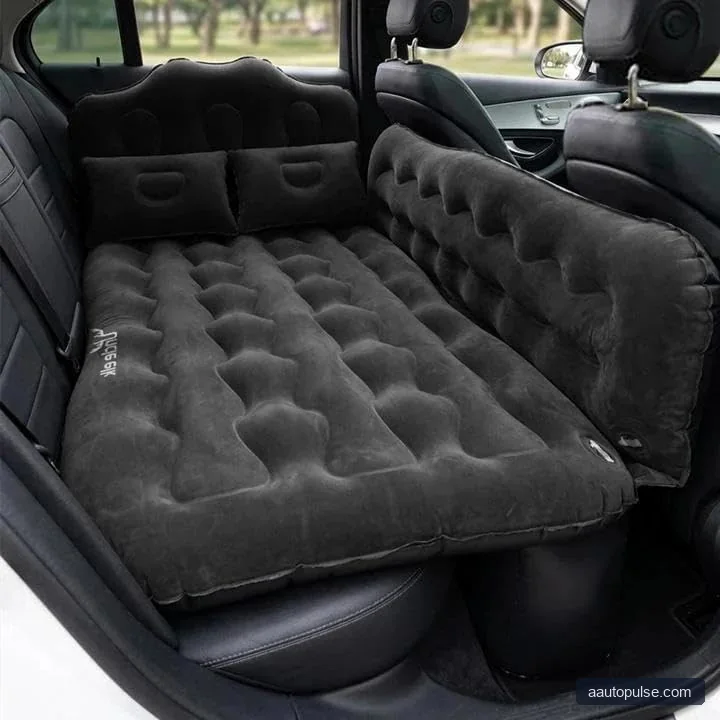
If your main goal is to sleep well, minivans are often the best vehicles to sleep in. Their big advantage is a boxy shape, low floor, and flexible seating, which makes it easier to create a flat space for a mattress or pad. That matters more than most drivers expect on a long trip.
Minivans also tend to offer easy access through sliding doors, which is helpful if you’re climbing in and out at rest stops or campgrounds. For families or couples who want a road-trip sleeper that still works as a daily vehicle, this category is hard to beat.
Why they stand out
- Large interior volume
- Usually easier to build a flat sleeping platform
- Good cargo flexibility for luggage, coolers, and bedding
- Better privacy options with rear windows and shades
Limitations: Minivans are not the most compact option, and some drivers simply prefer the feel of an SUV. They can also be less appealing if you want a rugged look or higher ground clearance for rough roads.
2. Full-Size SUVs: Strong Comfort and More Versatility
Full-size SUVs are among the best cars to sleep in when you want both space and a commanding driving position. They usually provide a longer cargo area than smaller crossovers, which helps if you are tall or want to avoid curling up too much.
They are especially useful for road trips that mix sleeping, hauling gear, and transporting several passengers during the day. If you want one vehicle that can do almost everything, this is a strong choice.
Best for
- Tall sleepers who need extra length
- Trips with camping gear or bulky luggage
- Drivers who want comfort and road presence
Limitations: Full-size SUVs can be bulky, and the rear cargo floor may not be perfectly flat without planning. Fuel use is often higher than in smaller options, so they are not always the most efficient pick for long highway miles.
3. Midsize SUVs: The Best Balance for Most Travelers
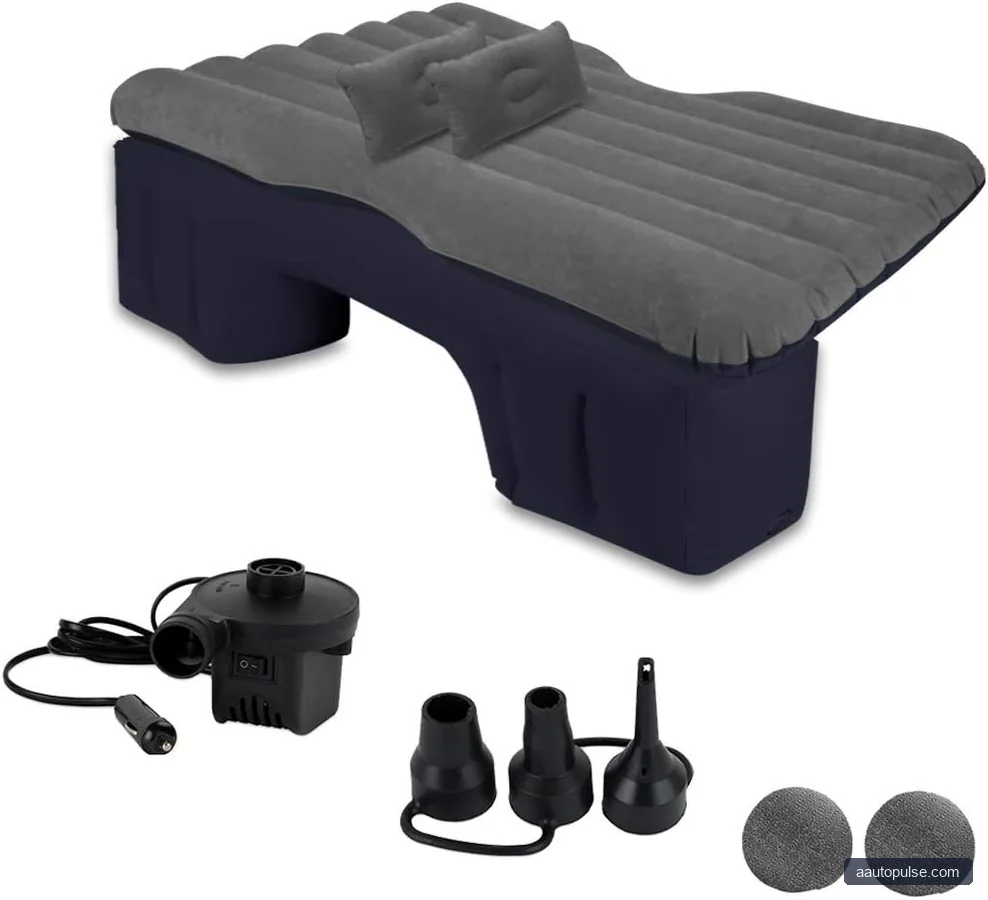
Midsize SUVs are often the sweet spot for shoppers who want good cars for sleeping in without moving up to a very large vehicle. They usually have enough room for one adult, or even two if the setup is carefully planned, while staying easier to drive and park than a full-size SUV.
This category works well for solo road trippers, couples, and weekend travelers. Many midsize SUVs also offer fold-flat rear seats, which can make the sleeping area much more usable than a sedan or smaller crossover.
What to watch for
- Rear seats that do not fold completely flat
- Wheel-well bumps that reduce floor space
- Short cargo length that may affect taller sleepers
Who should choose one: If you want a practical daily driver that can also handle occasional overnight trips, a midsize SUV is usually the safest middle ground.
4. Wagons and Large Hatchbacks: Underused but Very Smart
Wagons and large hatchbacks do not always get enough attention in discussions about the best vehicles to sleep in. They often offer a long cargo floor, useful rooflines, and better fuel efficiency than many SUVs. That makes them a smart choice for drivers who want comfort without a huge vehicle.
They can be especially appealing if you travel often but still need easy parking, lower ride height, and a more car-like feel. The main tradeoff is that some models have less height above the sleeping area, so changing clothes or sitting upright can feel tighter.
Strengths and limitations
- Strengths: easier to drive, efficient, and surprisingly roomy
- Limitations: less vertical space and sometimes shorter rear openings
If you are comparing the best cars to sleep in and want something more subtle than an SUV, a wagon can be a great option. It is one of the most overlooked categories for road-trip sleeping.
5. Sedans: Possible, but Usually Not the Best Choice
Sedans can work for overnight sleep in a pinch, but they usually rank lower than other body styles. The trunk is separate from the cabin, so your sleeping space is limited to the rear seat area, which is often short and angled.
That said, sedans can still make sense for solo travelers who already own one and want a simple overnight setup. Folding rear seats and reclining front seats can help, but the comfort level rarely matches that of a minivan or SUV.
When a sedan makes sense
- You only need occasional sleeping space
- You travel light
- You value fuel efficiency and easy parking over comfort
Important caution: If you sleep in a sedan, make sure you maintain safe airflow and follow local rules about overnight parking. Comfort matters, but so does staying safe and legal.
How to Pick the Right Sleeping Vehicle for Your Trip
The best vehicle for sleeping is the one that matches your body size, travel style, and trip length. A tall solo traveler needs a different setup than a couple on a weekend getaway. Before you buy or pack, compare the sleeping area, load floor shape, and how easy it is to set up at night.
- Measure your height and needed sleep length. Add a little room for pillows and leg movement.
- Check the cargo length with seats folded. Verify this in the owner’s manual or dealer materials, since published figures can vary by trim.
- Look for a flat load floor. A nearly level surface is much better than one with a steep slope.
- Test window coverage and airflow. Good privacy and ventilation improve sleep quality fast.
- Think about storage. You still need space for bags, water, and shoes.
| Traveler Type | Best Vehicle Type | Why |
|---|---|---|
| Solo traveler | Midsize SUV or wagon | Good balance of space, comfort, and easy driving |
| Couple | Minivan or full-size SUV | More room for two people plus bedding |
| Budget-conscious road tripper | Wagon, hatchback, or existing sedan | Lower cost to own and easier to live with |
| Family camper | Minivan or full-size SUV | Best mix of passenger space and sleep setup |
Safety, Comfort, and Practical Overnight Tips
Sleeping in a vehicle is not just about comfort. It is also about safety, especially if you are parking in unfamiliar places or using climate control overnight. Whenever possible, sleep in legal, well-lit, and secure locations.
For vehicle safety in general, check crash ratings before buying. Standard references include NHTSA 5-star ratings and IIHS crashworthiness categories, which can help you compare vehicles beyond sleeping comfort alone.
Quick overnight checklist
- Crack a window slightly if conditions require airflow and it is safe to do so
- Use sunshades or window covers for privacy
- Keep keys and a phone within reach
- Do not block exhaust areas if idling is unavoidable
- Follow the owner’s manual for any battery or climate-control guidance
If you are shopping for a new vehicle mainly for sleep trips, also ask about rear-seat folding mechanisms, remote start behavior, and whether the climate system can handle longer idle periods safely. Verifying these details in the manual or with the dealer is worth the time.
FAQ
What are the best cars to sleep in if I am tall?
For tall sleepers, minivans and full-size SUVs usually work best because they offer more cargo length and better space to stretch out. Wagons can also work well if their rear opening and folded seat area are long enough. Always verify the usable flat length for your exact trim.
Are good cars for sleeping in always larger vehicles?
No. Larger vehicles are often better, but not always. A well-designed wagon or large hatchback can be more comfortable than a poorly laid-out SUV. The best choice is the one with the flattest and longest usable space, not just the biggest body.
Can I sleep in a sedan on a road trip?
Yes, but sedans are usually less comfortable than SUVs, wagons, or minivans. They work best for short trips, solo travelers, or emergency overnights. If you plan to do it often, look for a vehicle with more rear-seat space and better folding rear seats.
What should I check before buying a vehicle mainly for sleeping?
Check cargo length, rear seat fold quality, privacy options, and ventilation. Also review safety ratings such as NHTSA 5-star scores and IIHS crashworthiness results. Since trim levels can change features, confirm details in the owner’s manual and current manufacturer materials.
How do I make any vehicle more comfortable for sleeping?
Use a supportive pad or mattress, block light with shades, and keep your gear organized so you have room to move. A small pillow setup and good airflow can make a big difference. Comfort improves fast when the sleeping surface is flat and the cabin stays cool or warm as needed.
Final Verdict: Which Vehicle Type Should You Choose?
If comfort is your top priority, minivans are usually the best vehicles to sleep in. If you want a more versatile choice with strong road-trip ability, full-size SUVs are an excellent second pick. For most everyday travelers, midsize SUVs offer the best balance of sleep space, drivability, and usefulness.
Wagons and large hatchbacks are smart, underrated options if you want efficiency and easier parking. Sedans can work, but they are best viewed as a backup solution rather than the ideal sleeper.
Before you decide, measure your needs, compare layouts, and check safety and interior details in current manufacturer information. The best choice is the one that fits your body, your trip, and your comfort goals.