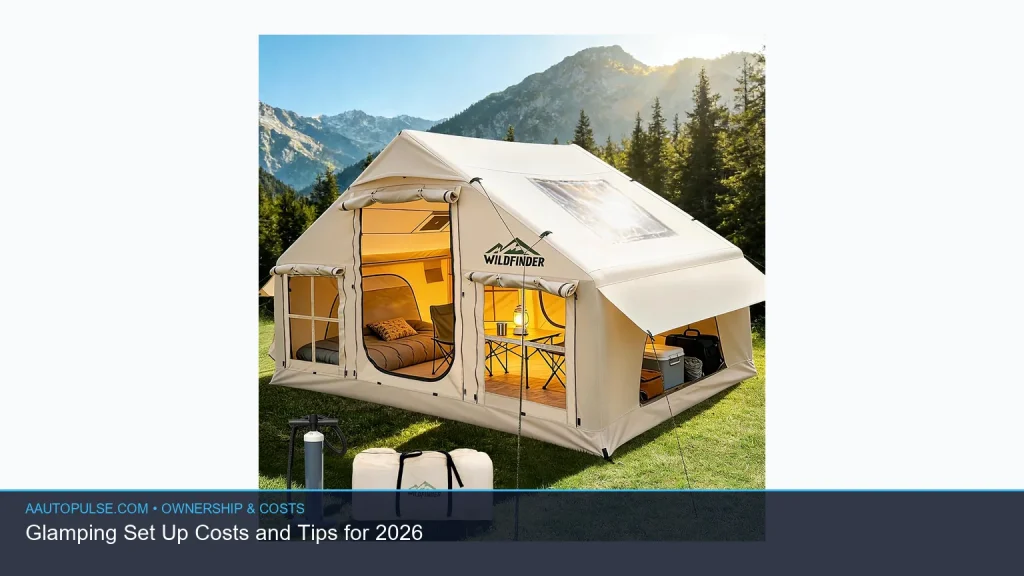
If you’re planning a glamping setup in 2026, the biggest question is not just what it costs, but what kind of experience you want to create. A simple backyard-style setup can stay modest, while a high-comfort, guest-ready space can climb fast once you add shelter, power, heat, plumbing, and decor. This guide breaks down the main cost buckets, smart glamping ideas, and the choices that matter most so you can build a setup that fits your budget and your goals.
📖 Table of Contents
📌 Key Takeaways
- A glamping setup cost depends mostly on shelter type, utilities, comfort level, and whether you plan to host guests.
- Simple setups can be built with fewer fixed costs, while guest-ready builds need more planning for power, water, climate control, and safety.
- The best glamping ideas are practical first: weather protection, easy cleaning, good lighting, and a layout that feels private and comfortable.
- In 2026, budget for both build costs and ongoing costs like maintenance, cleaning, electricity, permits, and replacement items.
What a Glamping Setup Actually Includes
A glamping setup is a campsite or stay space that blends outdoor living with added comfort. Instead of roughing it, you add a more refined shelter and amenities that make the stay easier and more enjoyable. That can mean a canvas tent, yurt, tiny cabin, dome, camper conversion, or a backyard-style retreat.
The cost varies because “glamping” can mean very different things. A basic weekend setup may only need a tent platform, bedding, lighting, and portable power. A full hospitality setup may also need bathroom access, weatherproof flooring, climate control, internet, permits, and safety gear.
Common elements in a glamping setup
- Primary shelter
- Flooring or raised platform
- Bed and bedding
- Lighting and power source
- Heating, cooling, or ventilation
- Bathroom solution
- Storage, seating, and decor
- Safety items such as fire protection and carbon monoxide awareness where needed
Glamping Set Up Cost Breakdown for 2026
The biggest cost driver is shelter. A basic tent setup is far less expensive than a hard-sided structure or custom build. Once you move into guest-ready glamping, the cost rises because comfort and durability matter more than one-time camping use.
Think of your budget in layers: shelter, interior comfort, utilities, site prep, and ongoing care. That makes it easier to decide where to spend and where to keep things simple.
| Setup Type | Best For | Strengths | Limitations |
|---|---|---|---|
| Basic DIY setup | Personal use, short stays | Lowest cost, flexible, easy to move | Less weather protection, fewer comforts |
| Mid-range setup | Weekend hosting, stronger comfort focus | Better style, better function, more durable | More site prep and maintenance |
| Guest-ready setup | Rental or commercial use | Higher comfort, better guest appeal | Higher upfront and ongoing costs |
Who should choose what: if you want a low-risk entry point, start with a basic DIY setup. If you want repeat guests or a polished experience, a mid-range setup is the better balance. If your goal is a rental or long-term hosting, a guest-ready setup is usually worth the extra planning.
How to Budget for a Glamping Set Up
A strong budget starts with the end use. A private retreat needs comfort and easy upkeep. A business setup needs durability, guest flow, and compliance with local rules. That is why the same glamping ideas can cost very different amounts depending on where and how you use them.
Before you buy anything, map out the space and decide what is truly essential. A smaller setup with smart choices often feels better than an overbuilt one with wasted features.
Step 1: Set your purpose
Ask whether the setup is for personal use, family weekends, guest stays, or a short-term rental. That choice drives every other decision. Guest use usually requires better lighting, easier cleaning, and more durable materials.
Step 2: Define must-haves and nice-to-haves
Must-haves are shelter, sleep comfort, and weather protection. Nice-to-haves may include rugs, decor, hot water, extra seating, or internet. Keeping the list separate helps prevent budget creep.
Step 3: Plan for hidden costs
Many first-time setups overlook delivery, permits, site clearing, waste removal, and replacement items. If the site is remote, transportation and power solutions can also add up fast. Build a buffer into the budget so you do not stall halfway through the project.
Best Glamping Ideas by Budget and Use
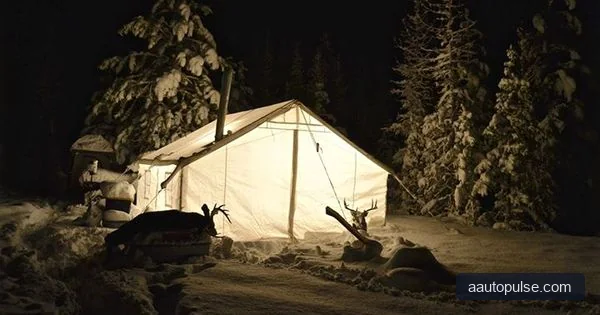
The best glamping ideas are the ones that fit your land, your climate, and your tolerance for upkeep. A beautiful setup that is hard to clean or hard to heat will lose its charm quickly. Keep the design simple, sturdy, and easy to maintain.
Low-budget ideas
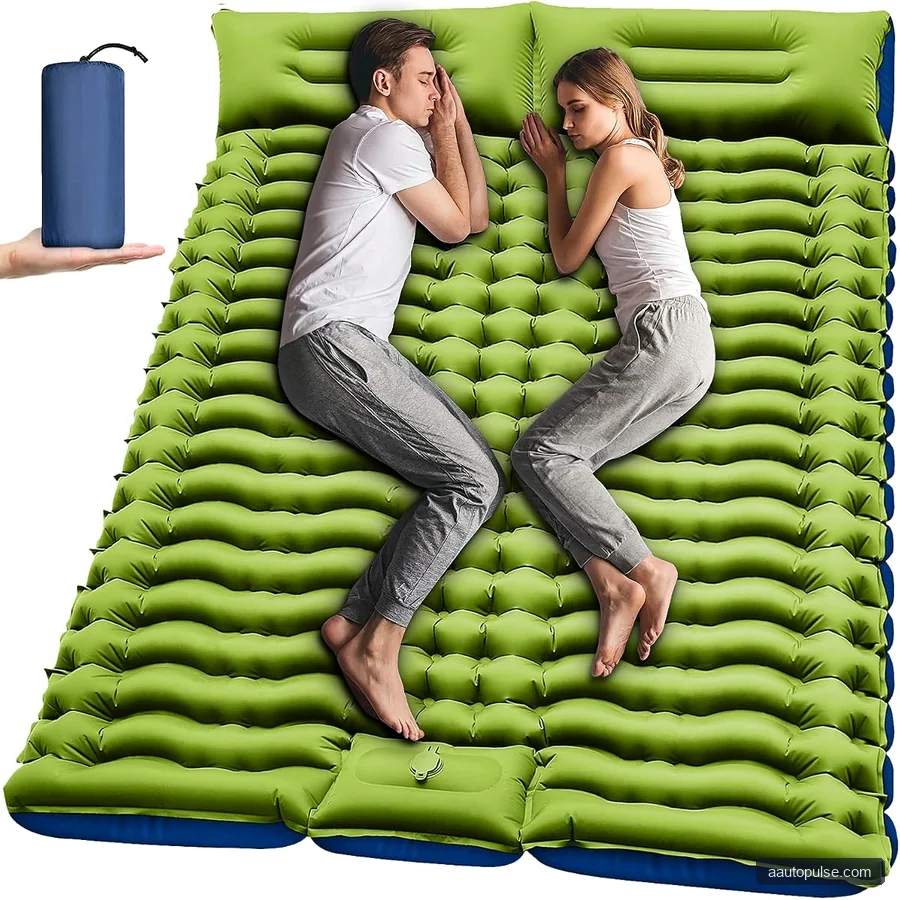
For a simpler glamping setup, start with a quality tent, a ground tarp or platform, a real mattress or padded sleeping system, and layered lighting. Add soft touches like rugs, curtains, and storage bins to make the space feel intentional. These ideas work well for personal retreats and seasonal use.
Mid-budget ideas
At the mid-range level, many people add a raised deck, weather-resistant furniture, better insulation, and a more reliable power source. This is often the sweet spot for people who want comfort without turning the project into a full construction job. It also gives the setup a more finished look for guests.
Higher-end ideas
For premium guest experiences, focus on privacy, climate control, and convenience. That may include a more permanent structure, dedicated bathroom access, upgraded lighting, and a stronger layout for luggage, seating, and storage. The goal is to make the stay feel simple for the guest and manageable for the host.
| Priority | Why It Matters | Good Rule of Thumb |
|---|---|---|
| Weather protection | Keeps the space usable and comfortable | Choose the shelter before decor |
| Sleeping comfort | Most guests judge the stay by sleep quality | Invest early in the bed setup |
| Lighting and power | Improves safety and daily convenience | Use layered, simple lighting |
| Easy cleaning | Lowers labor and keeps the space fresh | Choose wipeable, durable materials |
Hidden Costs and Ongoing Expenses to Expect
One of the biggest mistakes is treating a glamping setup as a one-time purchase. In reality, the ongoing costs can matter as much as the build itself. If you plan to host guests, those recurring expenses become part of the business model.
Even a simple setup needs upkeep. You may need to replace linens, refresh lighting, repair wear on fabric or flooring, and handle seasonal storage. If the site is exposed to heavy sun, wind, moisture, or snow, replacement cycles can come sooner than expected.
Common ongoing costs
- Cleaning supplies and laundry
- Electricity or fuel for power and heat
- Water access or delivery
- Trash and waste removal
- Repairs for flooring, zippers, seals, or furniture
- Permit renewals or local compliance costs
Site care also matters. Clearing drainage paths, managing pests, and checking for weather damage are all part of a realistic glamping budget. If you ignore upkeep, the space may stop feeling premium very quickly.
Glamping Setup Tips That Save Money and Improve Comfort
The best glamping setup is not the most expensive one. It is the one that feels good to use and easy to maintain. Small design choices can save money while making the space more welcoming.
- Start with a simple layout. Keep paths, sleeping space, and storage easy to move through.
- Buy the best shelter you can afford. The shell matters more than decorative extras.
- Use soft layers for warmth and style. Rugs, blankets, and curtains can change the feel fast.
- Choose durable, wipeable materials. They save time and hold up better over seasons.
- Build around the weather. Shade, drainage, ventilation, and insulation all matter.
- Keep utilities simple. A reliable basic setup is better than a complex one that breaks often.
Also think about privacy. People often search for glamping ideas because they want a space that feels special, not crowded. Small touches like spacing, screening, and a defined entry can make a big difference without a major cost increase.
What to Check Before You Build
Before you spend on a glamping setup, verify local zoning, permit rules, and utility access requirements. In the US, these can vary a lot by county, city, and property type. If you plan to host paying guests, review local short-term rental rules as well.
Also consider climate, flood risk, wildfire risk, and seasonal access. A beautiful setup is not worth much if the site is hard to reach or difficult to protect. Choosing the right location often saves more money than trying to fix a poor one later.
FAQ
How much does a basic glamping setup cost?
A basic glamping setup can be relatively modest if you keep it simple and use a tent-based or portable approach. The final cost depends on shelter, bedding, lighting, and whether you add power or a platform. Since prices change often, it is best to verify current costs for any materials you plan to buy.
What is the most important part of a glamping setup?
The most important part is the shelter, because it controls comfort, weather protection, and durability. After that, sleeping comfort and power or lighting usually matter most. Decor is helpful, but function should come first.
Do I need permits for a glamping setup in the US?
Often, yes, especially if you build a more permanent structure or host guests. Permit and zoning rules vary by location, so check with your local building department and zoning office before you start. If you are on rented land or managed property, get written approval first.
What are the best glamping ideas for a small space?
The best glamping ideas for a small space focus on efficiency: compact furniture, layered storage, simple lighting, and one strong focal point such as a comfortable bed or seating nook. Use light colors and keep pathways open so the area feels larger. Good organization matters more than extra decor.
How do I keep a glamping setup low-maintenance?
Choose durable materials, limit clutter, and make cleaning easy from the start. Avoid complicated utilities unless you truly need them. A low-maintenance setup is usually the one with fewer moving parts and fewer fabric-heavy or hard-to-clean surfaces.
Conclusion
A smart glamping setup balances comfort, cost, and ease of upkeep. Start with the shelter, build around the weather, and add only the features that truly improve the stay. If you want the best result, focus on practical glamping ideas first and treat decor as the finishing touch. Before buying, confirm local rules and map out both upfront and ongoing costs so your 2026 setup stays enjoyable, realistic, and worth the investment.