
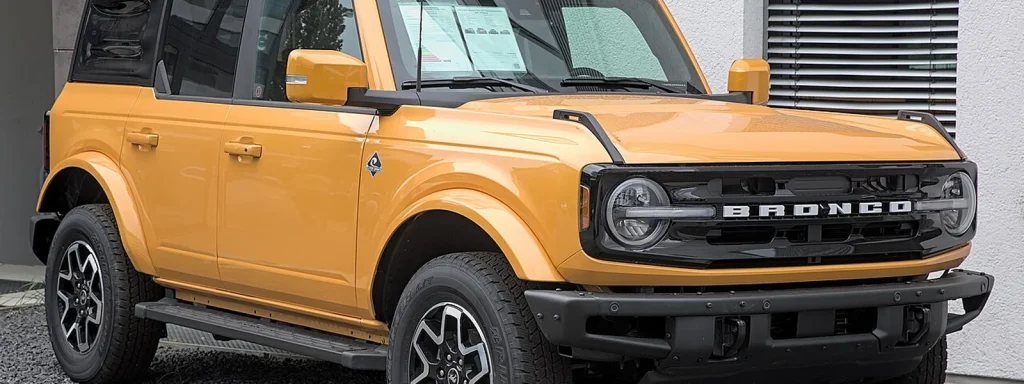
If you’re researching the bronco crash test, the short answer is this: safety ratings can help you understand how a Bronco is expected to perform in a crash, but you should always read the exact test type and model year before drawing a conclusion. The Ford Bronco and Bronco Sport are not the same vehicle, and their scores can differ. In this guide, we break down how crash testing works, what NHTSA and IIHS ratings mean, and how to use those results to make a smarter safety decision.
📖 Table of Contents
- What a Bronco Crash Test Really Tells You
- How NHTSA and IIHS Crash Ratings Work
- Bronco Crash Test: What to Check Before You Judge the Ratings
- Which Safety Areas Matter Most in a Bronco?
- How to Read Bronco Safety Results Without Getting Misled
- Bronco vs. Bronco Sport: Why the Difference Matters
- Common Questions About Bronco Safety Ratings
- Final Verdict: What the Bronco Crash Test Means for Buyers
📌 Key Takeaways
- “Bronco crash test” results depend on the exact model: Bronco and Bronco Sport are tested separately.
- Use both NHTSA star ratings and IIHS crashworthiness results to get a fuller safety picture.
- Look beyond one headline score; front overlap, side impact, roof strength, and child seat checks all matter.
- Always verify the model year and trim, since safety equipment and ratings can change over time.
What a Bronco Crash Test Really Tells You
A crash test is not a perfect prediction of a real-world accident. It is a controlled way to measure how a vehicle protects people in common crash types. For shoppers, that means the rating is a useful safety signal, but not the whole story.
When people search for bronco crash test, they usually want to know whether the SUV is safe and how it compares with other choices. The best answer comes from looking at multiple test programs and the exact vehicle tested. A result for one model year or body style does not automatically apply to all versions.
That matters even more with the Bronco name, because Ford uses it on different vehicles. The two-door and four-door Bronco, and the smaller Bronco Sport, can face different test outcomes and equipment mixes.
How NHTSA and IIHS Crash Ratings Work
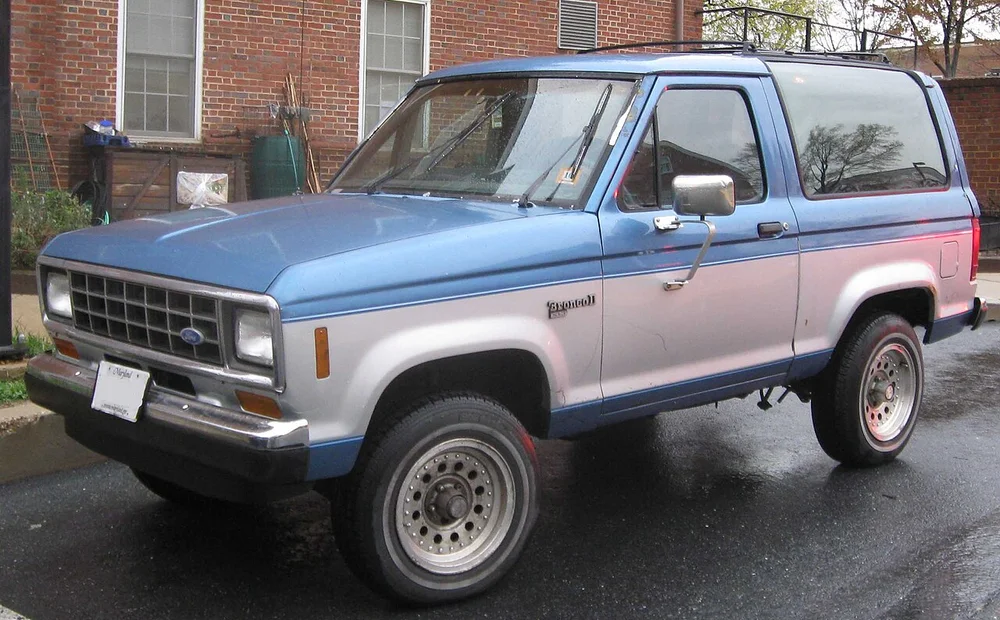
In the U.S., two names matter most for safety research: NHTSA and IIHS. They use different methods, so their results should be read together, not separately. That is why a clean-looking “car crash test 2” score from one source is not enough on its own.
NHTSA: Star Ratings
The National Highway Traffic Safety Administration uses a 5-star system. More stars mean better performance in the test category. NHTSA ratings may cover frontal crash, side crash, and rollover risk.
These ratings are easy to scan, which makes them useful for quick comparisons. Still, a star score does not explain every detail of structure or restraint performance. If you want the full picture, read the category breakdowns.
IIHS: Crashworthiness Categories
The Insurance Institute for Highway Safety uses terms such as Good, Acceptable, Marginal, and Poor in its crashworthiness evaluations. IIHS often looks closely at how well the vehicle protects front-seat occupants in offset crashes and side impacts. It also evaluates headlight performance and front crash prevention on many vehicles.
This makes IIHS especially helpful if you want to know how a vehicle may protect people in more realistic collision patterns. A strong IIHS result can be a good sign, but it still should be reviewed alongside NHTSA ratings and the vehicle’s safety equipment.
Bronco Crash Test: What to Check Before You Judge the Ratings
Before you rely on any Bronco safety score, confirm the exact vehicle tested. A four-door Bronco may not share the same test record as the Bronco Sport, and model-year changes can affect equipment and results. Small differences can matter in crash testing.
Start with these checks:
- Model name: Bronco or Bronco Sport?
- Body style: Two-door or four-door?
- Model year: Ratings can change over time.
- Test source: NHTSA, IIHS, or both?
- Test category: Frontal, side, roof strength, or child seat checks?
If you only look at the overall score, you may miss a weak spot. For example, a vehicle can do well in one type of test and less well in another. That is why a complete reading is better than a single headline number.
Which Safety Areas Matter Most in a Bronco?
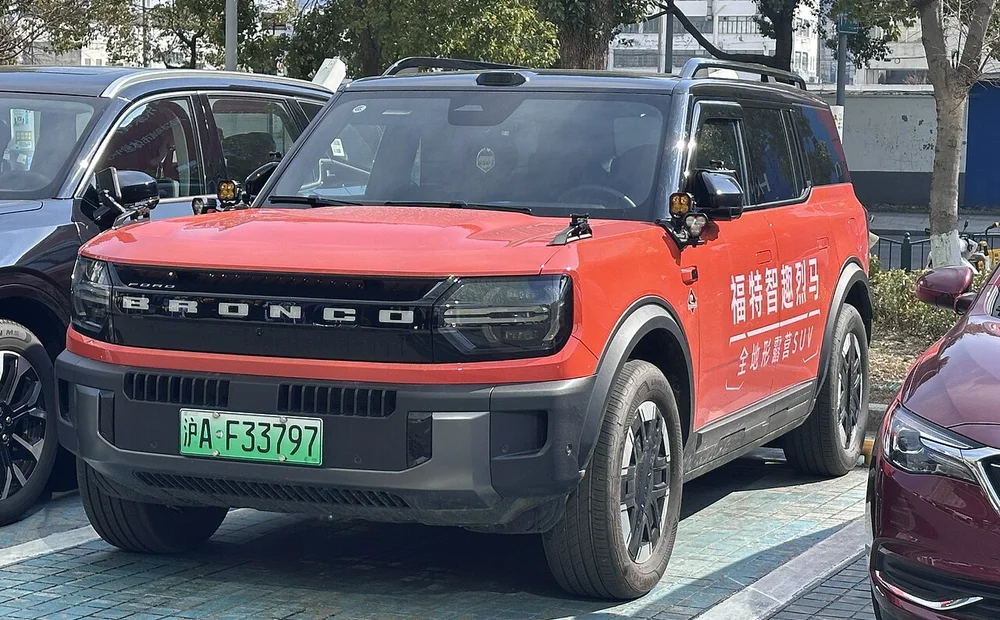
For SUVs, the most important test areas usually include frontal crash protection, side impact protection, roof strength, and rollover risk. These categories help show how the structure and restraints work together during a severe crash. For families, child seat fit and rear-seat protection also matter a lot.
When comparing Bronco safety results, pay attention to how the vehicle performs in the categories below. This is often more useful than focusing on one overall label.
| Test Area | What It Measures | Why It Matters |
|---|---|---|
| Frontal crash | Protection in a head-on collision | Shows how well the cabin and restraints protect the driver and front passenger |
| Side crash | Protection from a T-bone impact | Important because side crashes can happen with less crumple zone space |
| Roof strength / rollover | How the roof holds up in a rollover | Useful for SUVs, especially taller ones |
| Head restraints | Whiplash protection | Helps reduce neck injury risk in rear-end impacts |
| Front crash prevention | Driver-assist tech performance | Can help reduce the chance of a crash in the first place |
How to Read Bronco Safety Results Without Getting Misled
It is easy to misread crash data if you only glance at the final score. The smarter approach is to look for patterns across multiple categories. A vehicle that earns strong marks in frontal and side tests is generally a more reassuring choice than one with mixed results.
Use this simple decision process:
- Find the exact vehicle: Match the model year, trim, and body style.
- Check both agencies: Review NHTSA and IIHS if available.
- Read the weak points: Do not skip low-scoring test categories.
- Look at safety tech: Automatic emergency braking, lane support, and blind-spot warning can add real value.
- Confirm current details: Make sure the rating applies to the same version you plan to buy.
If you are comparing trims, remember that safety equipment can vary. A lower trim may still be a solid choice, but it may not have every driver-assist feature. That is one reason it helps to check the exact build sheet before deciding.
Bronco vs. Bronco Sport: Why the Difference Matters
People often search one phrase and assume there is one answer. In reality, the Bronco family includes different vehicles that can behave differently in crash testing. The larger Bronco and the Bronco Sport are not direct substitutes from a safety testing standpoint.
The best rule is simple: never assume one rating covers the whole nameplate. If you are comparing the two, match the ratings to the same exact vehicle and the same model year. That is the only fair comparison.
| What to Compare | Why It Helps |
|---|---|
| Exact model | Prevents mixing up Bronco and Bronco Sport results |
| Model year | Safety equipment and test outcomes can change |
| Test source | NHTSA and IIHS use different methods |
| Driver-assist features | Can affect real-world crash avoidance |
Who should choose what?
Choose the vehicle with the stronger combined safety record if your priority is family protection and daily commuting. If you plan to drive in dense traffic, give extra weight to front crash prevention and side impact results.
Choose based on your use case if you need off-road capability, cargo flexibility, or a specific body style. Safety matters, but the right vehicle is the one that fits both your driving needs and your comfort with the test results.
Common Questions About Bronco Safety Ratings
Below are a few of the most common questions shoppers ask when they research Bronco crash data. These answers are meant to help you interpret ratings, not replace the official test reports.
Is the Bronco safe?
The safest answer is that you should check the exact model year and version you want. A Bronco can be a strong safety choice if it performs well in both NHTSA and IIHS testing, but you should confirm the current ratings before buying.
Are crash test ratings the same for every Bronco trim?
No. Different trims can have different equipment, and some safety features may be standard on one version but not another. That is why the VIN, trim sheet, or official test listing matters.
Which is more useful, NHTSA or IIHS?
They are both useful in different ways. NHTSA is great for quick star-rated comparisons, while IIHS gives deeper insight into crashworthiness and crash avoidance. Using both gives you a more complete view.
Does a good crash test rating mean the Bronco will prevent injury in every crash?
No vehicle can guarantee that. Crash tests measure performance in controlled scenarios, but real-world crashes vary by speed, angle, occupant position, and the other vehicle involved. Ratings reduce uncertainty; they do not eliminate risk.
Where can I verify the latest Bronco crash test results?
Check the official NHTSA and IIHS websites for the newest test data. If you are shopping used, verify the exact model year and trim so you are not relying on the wrong rating.
Final Verdict: What the Bronco Crash Test Means for Buyers
The bronco crash test story is not just about one score. It is about reading the right ratings for the exact model you want, then comparing how it performs across frontal, side, rollover, and crash prevention categories. That gives you a far better safety picture than any single headline number.
If you are shopping today, make the official NHTSA and IIHS reports part of your decision. Confirm the model year, compare the test categories, and choose the Bronco version that best fits your safety priorities and driving needs.


