If you’re trying to figure out the right oil capacity for your car or truck, the short answer is this: it depends on the engine, the oil filter, and sometimes whether the vehicle has a turbo or oil cooler. Most passenger cars take about 4 to 6 quarts, while many trucks take 6 to 8 quarts or more. The safest way to confirm how many quarts of oil your vehicle needs is to check the owner’s manual or look up the exact engine code before you drain anything.
📖 Table of Contents
- What oil capacity means and why it matters
- How many quarts of oil do common cars and trucks take?
- What changes the oil capacity in a vehicle?
- How to find your exact oil capacity
- Signs your oil level may be too low or too high
- Oil change intervals, refill amounts, and smart maintenance habits
- Choosing the right oil service approach for your vehicle
- FAQ about oil capacity
- Conclusion: verify the spec before you pour
📌 Key Takeaways
- Oil capacity is not the same for every vehicle. Engine size, filter design, and driveline layout can change how much oil you need.
- Most cars take 4 to 6 quarts. Many trucks need 6 to 8 quarts, and some larger engines need even more.
- Always verify with the owner’s manual. The dipstick and manual are the best way to confirm the exact fill amount.
- Use the right oil and fill slowly. Adding too much oil can cause leaks, foaming, and engine problems.
What oil capacity means and why it matters
Oil capacity is the total amount of engine oil your vehicle holds when filled to the proper level. It is usually measured in quarts in the U.S., which is why people often ask, “how many quarts of oil does a car take?”
Getting the right amount matters because engine oil does more than lubricate. It also helps cool the engine, reduce wear, clean internal parts, and protect seals. Too little oil can starve the engine, while too much oil can raise pressure and cause damage.
Oil capacity is listed with a specific filter type in many manuals. That means the number can change slightly if the filter is replaced, if a different filter is used, or if the engine has a dry-sump system.
How many quarts of oil do common cars and trucks take?
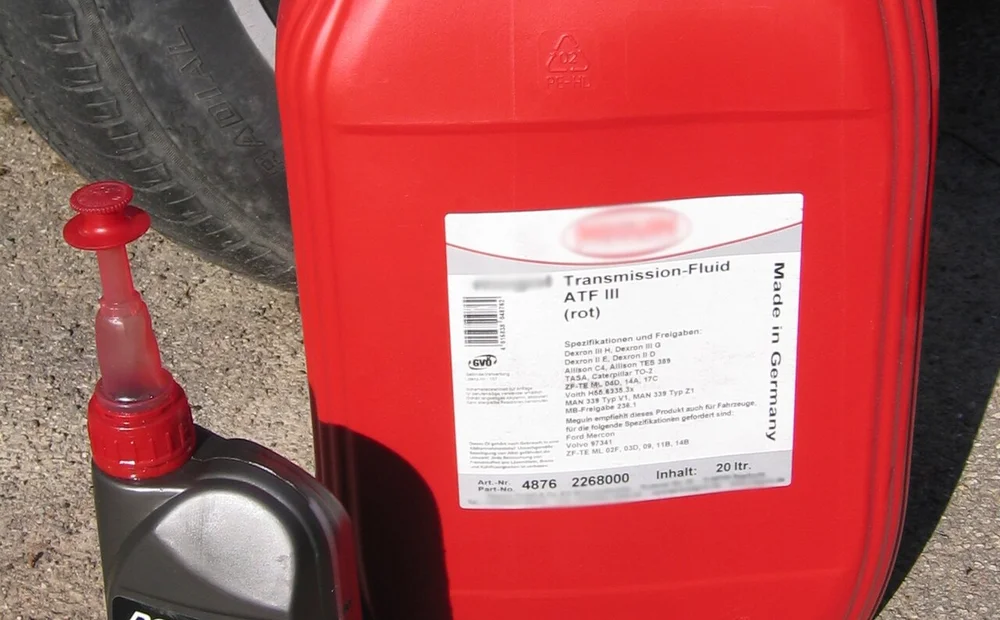
There is no single answer that fits every vehicle, but there are common patterns. Compact cars and sedans often need less oil, while larger SUVs, pickups, and turbocharged engines often need more.
Use the table below as a general guide only. It is not a replacement for the owner’s manual or the exact service data for your engine.
| Vehicle type | Typical oil capacity | Notes |
|---|---|---|
| Small 4-cylinder car | 4 to 5 quarts | Common in compact sedans and hatchbacks |
| Midsize car or crossover | 5 to 6 quarts | Many 4-cylinder and V6 engines fall here |
| Full-size sedan or SUV | 6 to 8 quarts | Larger engines often need more oil capacity |
| Half-ton pickup | 6 to 8 quarts | V6, V8, and turbo engines can vary |
| Heavy-duty truck | 8 quarts or more | Diesel and large-displacement engines usually need more |
If you are asking, “how much oil for an oil change?” the answer should include the filter change too. A dry engine with a new filter may need a slightly different amount than a quick top-off between service intervals.
What changes the oil capacity in a vehicle?
Several design choices affect oil capacity. The same vehicle model may even have more than one oil spec depending on the engine option.
Engine size and layout
Smaller engines usually hold less oil. Bigger engines, including V6 and V8 setups, often need more to keep all internal parts protected during hard use.
Turbochargers and cooling systems
Turbocharged engines often need extra oil volume because the turbo adds heat and load. Some engines also use oil coolers, which can change the total fill amount.
Oil filter design
Some filters hold a meaningful amount of oil on their own. If the filter housing is large or mounted remotely, the final fill amount can increase.
Dry-sump vs. wet-sump systems
Most daily drivers use a wet-sump system. Performance vehicles and some specialty engines may use dry-sump designs, which can store far more oil and require exact service procedures.
How to find your exact oil capacity
If you want the most accurate answer, use the vehicle-specific method first. This is the best way to avoid overfilling or running low after a change.
- Check the owner’s manual. Look in the maintenance or fluids section for oil type and capacity.
- Confirm the engine code. Many vehicles offer more than one engine, and each one can have a different fill amount.
- Use a trusted service database. A factory manual or a reliable repair database can help if the manual is missing.
- Replace the filter, then fill in steps. Add most of the oil first, then top off slowly.
- Wait, then read the dipstick. Let the oil settle for a few minutes before checking the level.
A common mistake is pouring in the full listed capacity too fast without checking. That can leave the engine overfilled if the old filter was not fully drained or if the vehicle needed less than expected.
Signs your oil level may be too low or too high
Oil level problems can create symptoms before serious damage happens. Knowing the warning signs helps you catch a problem early.
| Issue | Common signs | What to do |
|---|---|---|
| Low oil | Oil light, ticking noise, burning smell, rough running | Check level immediately and add the correct oil |
| Overfilled oil | Foamy oil, smoke, leaks, strong oil smell, dipstick above full mark | Drain excess oil to the proper level |
| Incorrect oil type | Poor cold starts, louder engine, possible warning light | Verify viscosity and specification in the manual |
If the oil pressure warning light comes on, do not keep driving to “see if it clears.” Shut the engine off when safe and check the level. Low oil pressure can damage the engine fast.
Oil change intervals, refill amounts, and smart maintenance habits
Oil capacity answers how much oil the engine holds, but service intervals tell you when to replace it. Many modern vehicles can go around 5,000 to 7,500 miles between oil changes under normal driving, while some synthetic-oil systems may allow longer intervals. Severe use such as towing, short trips, hot weather, or dusty roads can shorten that window.
Always follow the schedule in the owner’s manual, not a one-size-fits-all rule. The right interval depends on the engine, oil spec, and driving conditions.
Here are practical habits that help:
- Check the oil level monthly and before long trips.
- Use the viscosity grade listed in the manual, such as 0W-20 or 5W-30.
- Replace the drain plug washer if your vehicle calls for it.
- Record the mileage and oil type after each service.
- Recheck the level after the first drive following an oil change.
If your vehicle consumes oil between changes, track how much you add and how often. A slow drop may be normal on some engines, but rising use can point to a leak, worn seals, or internal wear.
Choosing the right oil service approach for your vehicle
For most drivers, the best choice is simple: use the factory-recommended oil specification and fill to the exact capacity listed for your engine. The table below can help you decide how to approach a basic oil service.
| Approach | Best for | Strengths | Limitations |
|---|---|---|---|
| DIY oil change | Owners who know their engine and have tools | Lower cost, full control, easy level check | Requires correct parts, disposal, and careful measuring |
| Professional service | Drivers who want convenience | Faster process, helpful for hard-to-access filters | Still needs verification of exact fill level and oil spec |
| Top-off only | Engines that are slightly low between services | Quick fix for mild oil loss | Not a substitute for full oil changes |
Who should choose what? If you already know your exact engine and capacity, DIY service can work well. If your vehicle has a cartridge filter, tight engine bay, or special oil spec, a professional service may be the easier option. If you only need to top off between intervals, add oil slowly in small amounts and recheck the dipstick after each addition.
FAQ about oil capacity
How many quarts of oil does a car take on average?
Most cars take about 4 to 6 quarts, but that is only a general range. Smaller engines may take less, and larger or turbocharged engines may take more. Always confirm the exact number for your model and engine.
Can I add the full oil capacity at once?
You can add most of it at first, but it is smarter to stop short of the final amount and check the dipstick. That helps prevent overfilling, especially if some oil stayed in the engine after draining or the filter size differs.
What happens if I put in too much oil?
Too much oil can aerate or foam, which reduces lubrication. It can also cause leaks, smoking, and in some cases damage seals or the catalytic converter. If the dipstick shows above the full mark, remove the extra oil.
Does oil capacity include the oil filter?
Usually, the listed capacity is the engine fill amount after an oil and filter change. Some manuals specify a separate amount for dry fill versus oil change service, so read the exact note in your manual.
Why does the same model have different oil capacities?
Different engines, model years, turbo setups, and oil pan designs can change the capacity. Even within one vehicle line, a 4-cylinder, V6, and hybrid version may each have different fill specs.
Conclusion: verify the spec before you pour
Oil capacity is one of the simplest maintenance details, but it matters a lot. The right answer depends on the exact engine, and the safest way to find it is to check the owner’s manual before your next oil change. If you are unsure, start with the manual, confirm the engine code, and fill slowly while watching the dipstick.
For the best results, use the correct oil type, stay within the recommended interval, and recheck the level after service. That small habit can help protect your engine for the long haul.