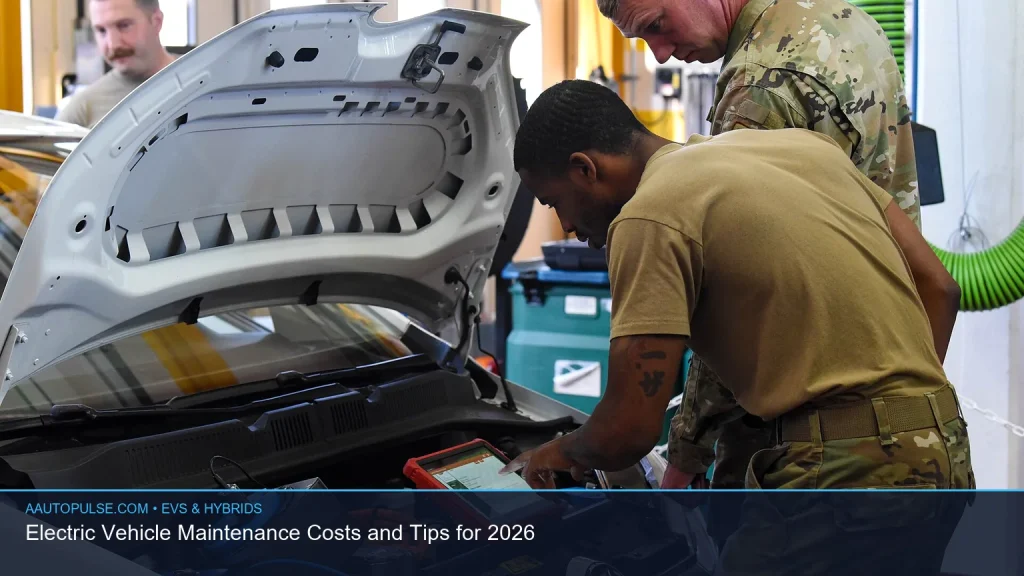
Electric vehicle maintenance is usually simpler and often cheaper than gas car upkeep, but it is not “no maintenance.” Most EVs skip oil changes, exhaust work, and many brake repairs, yet they still need tires, cabin filters, brake fluid checks, coolant service on some models, battery care, and software updates. If you are wondering what EV ownership costs in 2026, the short answer is this: expect lower routine maintenance than a gasoline car, but budget for tires, periodic inspections, and brand-specific service. The smartest move is to follow your owner’s manual, because service intervals can vary a lot by model.
📖 Table of Contents
- What Electric Vehicle Maintenance Costs Usually Look Like
- Do Electric Vehicles Need Oil Changes?
- Common EV Maintenance Items and Realistic Service Intervals
- How to Lower Electric Vehicle Maintenance Costs in 2026
- EV Maintenance Troubleshooting: Signs You Should Book Service
- EV Maintenance Costs vs. Gas Car Costs: What Owners Should Expect
- FAQ: Electric Vehicle Maintenance in 2026
- Conclusion: The Smartest Way to Plan EV Maintenance
📌 Key Takeaways
- Most EVs have lower routine maintenance costs than gas cars because they have fewer moving parts and no engine oil changes.
- Tires, brakes, cabin filters, and battery thermal systems are the main service items to watch in 2026.
- Ask the question “do electric vehicles need oil changes” only if you are comparing EVs to hybrids or range-extended models; pure EVs do not need engine oil changes.
- Your owner’s manual matters most, since service intervals for coolant, brake fluid, and inspections vary by vehicle.
What Electric Vehicle Maintenance Costs Usually Look Like
Electric vehicles tend to cost less to maintain than gas-powered cars because they do not use spark plugs, serpentine belts, exhaust systems, or engine oil. That means fewer routine visits and fewer wear items tied to a combustion engine. For many drivers, the biggest ongoing cost is not the drivetrain itself, but tires and scheduled inspections.
Still, EV upkeep is not zero-cost. Common service items include tire rotations, cabin air filters, brake fluid, coolant service on some models, wiper blades, 12-volt battery checks, and software updates. A good EV ownership budget should treat maintenance as “lower and different,” not “free.”
Where the savings usually come from
The main savings come from the simpler powertrain. An EV motor has fewer moving parts than a gas engine, and regenerative braking reduces wear on pads and rotors. In many cases, brake pads last longer, and some drivers may go many miles before needing major brake work.
Another savings source is the lack of oil service. Since there is no engine oil to replace in a pure EV, you avoid one of the most common maintenance visits for gas vehicles. That is why the question “do electric vehicles need oil changes” has a simple answer for battery-electric cars: no.
Where owners still spend money
Tires are often the biggest regular expense. EVs are heavy and deliver instant torque, which can wear tires faster than expected if you drive hard or let pressures run low. Cabin air filters and brake fluid are small line items, but they still matter for comfort and safety.
Some EVs also need coolant service for the battery and power electronics. This is not the same as engine coolant service on a gas car, but it can still be a scheduled item. Because service intervals differ, always verify the mileage and time limits in the owner’s manual.
Do Electric Vehicles Need Oil Changes?

For a pure battery-electric vehicle, no, electric vehicles do not need oil changes because there is no internal combustion engine. That means no engine oil, oil filter, or drain plug service. This is one of the biggest reasons EV maintenance is simpler than conventional car maintenance.
However, not every electrified vehicle is the same. Plug-in hybrids and some range-extended vehicles still have a gasoline engine, so they may need oil changes at normal intervals. If you are shopping across EV types, check whether the vehicle is a full EV, a hybrid, or a plug-in hybrid before assuming oil service is eliminated.
| Vehicle type | Oil changes needed? | Typical maintenance focus | Best for |
|---|---|---|---|
| Battery-electric vehicle | No | Tires, brakes, filters, coolant on some models, software | Drivers who want the simplest routine upkeep |
| Hybrid | Yes | Oil changes, brakes, filters, hybrid system checks | Drivers who want fuel savings with gas backup |
| Plug-in hybrid | Yes | Oil changes, EV battery care, brakes, filters, fluids | Drivers who want electric commuting and long-trip flexibility |
Selection criteria: If your goal is the lowest routine maintenance burden, a full EV is the cleanest choice. If you want the comfort of gasoline backup, a hybrid or plug-in hybrid may fit better, but you should expect more traditional maintenance. The best choice depends on your driving habits, charging access, and how much service complexity you want to manage.
Verdict: Pure EVs win on simplicity. Hybrids and plug-in hybrids can still save fuel, but they do not remove oil service.
Common EV Maintenance Items and Realistic Service Intervals
EV maintenance is mostly about inspection, wear items, and fluids. Exact mileage intervals differ by brand, but there are common patterns that help you plan. Use these as general guides, then confirm your owner’s manual for the final schedule.
Typical service items to watch
- Tire rotation: often every 5,000 to 7,500 miles, depending on tire wear and driving style.
- Cabin air filter: often every 15,000 to 30,000 miles, or sooner in dusty or high-pollen areas.
- Brake fluid: often checked every 2 years, with replacement based on time or moisture content.
- Coolant for battery and electronics: some EVs require service around 100,000 miles or at specific time intervals, but this varies widely.
- 12-volt battery: inspected periodically, since many EVs still rely on a small auxiliary battery for startup and accessories.
- Wheel alignment: as needed, especially after potholes, curb strikes, or uneven tire wear.
Some EV makers also recommend regular brake cleaning or lubrication in regions with road salt, heavy rain, or long idle periods. Regenerative braking helps slow the car, but it can also mean the friction brakes are used less often, which may allow corrosion to build up. That is one reason inspections still matter.
When in doubt, follow the vehicle-specific schedule instead of relying on a generic rule. A battery-electric SUV, a sporty EV sedan, and a long-range pickup may all have different needs. The owner’s manual is the final authority.
How to Lower Electric Vehicle Maintenance Costs in 2026
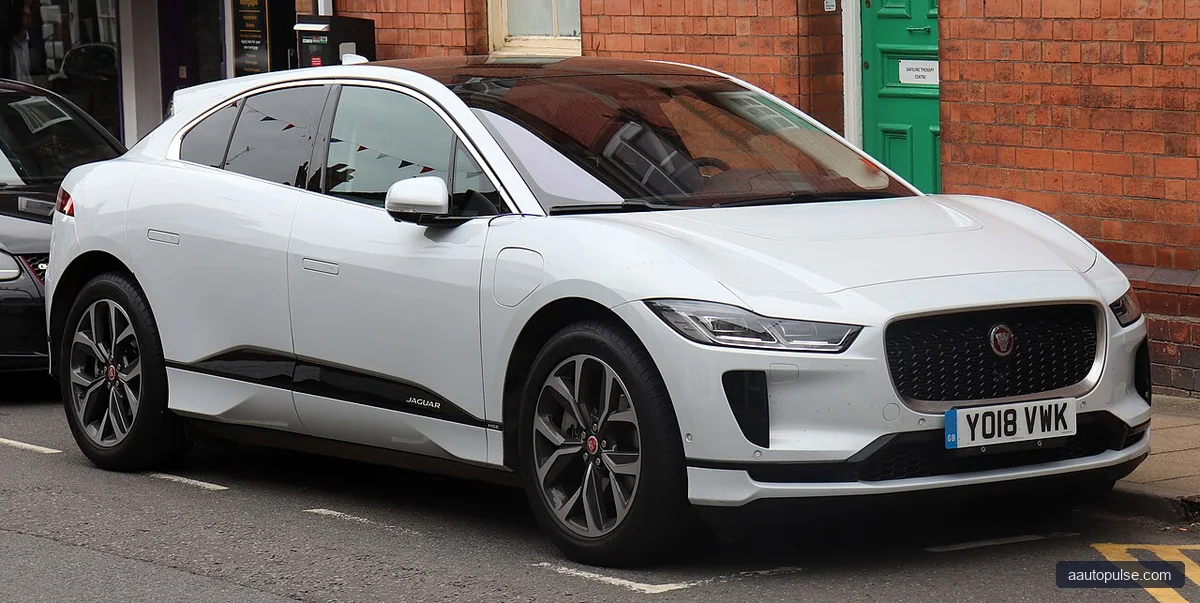
If you want to keep electric vehicle maintenance costs down, focus on prevention. Small habits can make a large difference because many EV expenses are wear-related rather than repair-related. That means tire care, brake care, and battery health habits matter more than frequent fluid changes.
- Check tire pressure monthly. Underinflated tires wear faster and can reduce range. Use the door-jamb placard or owner’s manual for the correct PSI.
- Rotate tires on schedule. EV torque can wear the front or rear tires unevenly, depending on drivetrain layout.
- Drive smoothly. Hard launches and aggressive cornering can shorten tire life and raise wear costs.
- Use regenerative braking wisely. It helps extend brake life, but you still need periodic brake use and inspection.
- Keep software updated. Updates may improve charging, efficiency, diagnostics, or climate control behavior.
- Watch the 12-volt battery. If accessory systems act odd, ask for a test. Small battery issues can create big headaches.
Another smart move is to track maintenance by time, not just miles. Many EV fluids and inspections are time-based, especially brake fluid and coolant. If you drive low annual miles, a calendar reminder can keep you from missing service even when the odometer stays low.
EV Maintenance Troubleshooting: Signs You Should Book Service
Most EVs are reliable when maintained, but warning signs should never be ignored. Some symptoms are simple tire or alignment issues, while others point to battery, charging, or electrical faults. If you see repeated alerts, schedule service sooner rather than later.
| Symptom | Possible cause | What to do |
|---|---|---|
| Uneven tire wear | Incorrect pressure, alignment, rotation delay | Check pressure, inspect tread, book alignment |
| Reduced range | Cold weather, tire pressure, battery conditioning, driving style | Review recent conditions, check tires, confirm charging behavior |
| Brake noise or vibration | Corrosion, worn pads, rotor issues | Have brakes inspected, especially if the car sits often |
| Charging errors | Cable, port, software, or battery management issue | Try a different charger, then seek diagnosis if the issue repeats |
| Electrical warning light | System fault, 12-volt problem, sensor issue | Check the manual, reduce driving if advised, and schedule inspection |
If your EV displays a warning that suggests power limitation, charging failure, or battery fault, do not keep driving as if nothing happened. Follow the dashboard instructions and consult the owner’s manual. If the car shows a critical alert, arrange professional service right away.
EV Maintenance Costs vs. Gas Car Costs: What Owners Should Expect
In broad terms, electric vehicle maintenance costs are usually lower than gas-car maintenance costs because EVs eliminate engine-related service. That means no oil changes, fewer fluids, and less brake wear in many cases. The savings can be meaningful over time, especially for high-mileage drivers.
But a lower average does not mean every EV will be cheap to maintain in every year. Tire replacement can be more frequent on heavy, powerful EVs, and some brand-specific repairs may require specialized tools or trained technicians. A well-cared-for EV often has a lower maintenance burden, but budget planning still matters.
If you are comparing total ownership, look at your driving habits. A daily commuter who charges at home and drives smoothly may see strong maintenance savings. A driver who logs heavy highway miles, tows, or accelerates hard may spend more on tires and inspections.
FAQ: Electric Vehicle Maintenance in 2026
How often should I service an electric vehicle?
There is no one universal schedule. Many EVs need tire rotations every 5,000 to 7,500 miles, cabin filters every 15,000 to 30,000 miles, and brake fluid checks about every 2 years, but the exact intervals depend on the model. Always check the owner’s manual for the official schedule.
Do electric vehicles need oil changes?
Pure battery-electric vehicles do not need oil changes because they do not have an internal combustion engine. Hybrids and plug-in hybrids still may need engine oil service, so the answer depends on the powertrain type.
Are EV brakes cheaper to maintain?
Often, yes. Regenerative braking can reduce pad and rotor wear, so brake service may be less frequent than on a gas car. Still, brakes should be inspected regularly because corrosion, moisture, and low-use conditions can create problems.
What is the biggest maintenance cost for EV owners?
For many drivers, tires are one of the biggest recurring costs. EV weight and instant torque can wear tires faster than expected if pressures are off or driving is aggressive. Cooling system service and specialized repairs can also add cost on some models.
Can cold weather increase EV maintenance needs?
Cold weather can increase wear in indirect ways. Tire pressure often drops, range can fall, and some drivers use the heater and defroster more often. It is smart to check tire pressure more often in winter and keep up with scheduled inspections.
Conclusion: The Smartest Way to Plan EV Maintenance
Electric vehicle maintenance is usually simpler than gas-car maintenance, but it still needs attention. Focus on tires, brakes, filters, fluids, software, and the 12-volt battery, and do not skip scheduled inspections just because the car has no engine oil. If you are comparing models in 2026, use the owner’s manual, not assumptions, as your guide.
The best next step is easy: review your service schedule, set reminders for tire rotations and fluid checks, and ask your dealer or independent EV technician which items are time-based for your exact model. That approach keeps costs predictable and helps your EV stay efficient, safe, and ready for daily driving.
Featured image: Photo: U.S. Air Force photo by Airman Sydney Franklin / Public domain via Wikimedia Commons