If you’re wondering does traction control use more gas, the short answer is: usually not much. Traction control is designed to help your tires grip the road, and in normal driving it only affects fuel use a little, if at all. In some cases, it can even help you avoid wheel spin that wastes energy. But if the system is working hard on slippery roads, your fuel economy can dip slightly. Below, we’ll break it down in simple terms and clear up other common fuel-saving questions too.
📖 Table of Contents
- What traction control actually does
- Does traction control use more gas?
- Traction control vs. driving style: what really burns gas
- Does putting your car in neutral save gas?
- Will cruise control save gas?
- How to preserve gas while driving without fighting your traction system
- When to turn traction control off and when not to
- FAQ
- Conclusion
📌 Key Takeaways
- Traction control usually does not use much extra gas. It only steps in when wheels slip.
- On slick roads, traction control can help efficiency by reducing wheel spin. Spinning tires wastes fuel and slows you down.
- Driving habits matter more than traction control. Smooth speed, steady throttle, and proper tire pressure have a bigger impact.
- Turning traction control off is not a gas-saving trick. It is mainly a traction and safety tool.
What traction control actually does
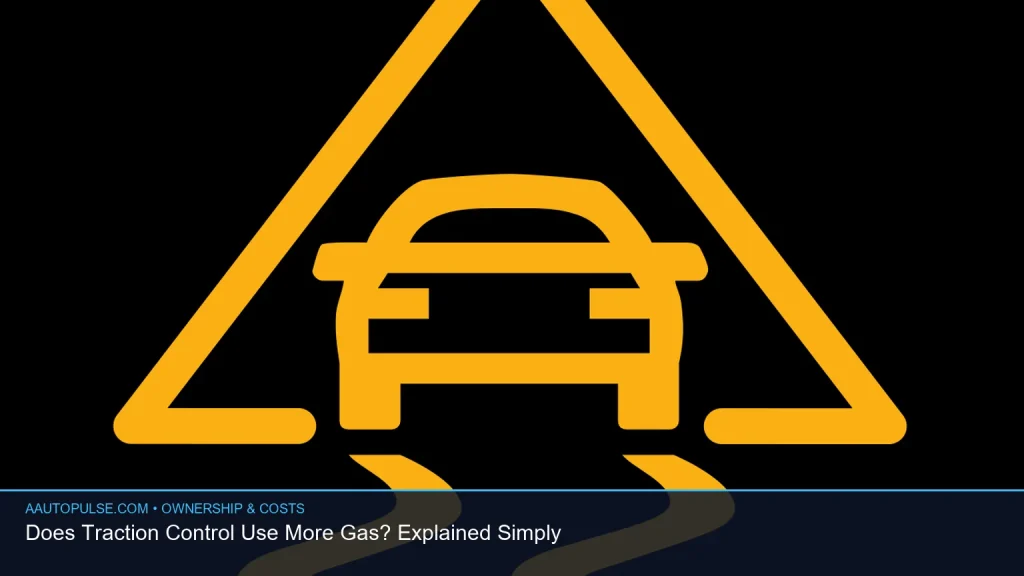
Traction control is a system that helps keep your drive wheels from spinning too much when you accelerate. If the car senses slip, it can reduce engine power or lightly brake one wheel to restore grip. That helps you move forward more safely on wet, snowy, icy, or loose roads.
It is different from cruise control, which helps maintain speed. Traction control only acts when the system detects loss of grip. In normal dry-road driving, it usually stays quiet and has little effect on fuel use.
Does traction control use more gas?
In most everyday driving, the answer is no, not in any meaningful way. Traction control does not run all the time like the engine or air conditioning. It only works when a wheel starts slipping, and those moments are usually brief.
There can be a small fuel cost when the system intervenes, because it may cut engine power or apply brakes to a spinning wheel. But that cost is often minor. In fact, if traction control prevents excessive wheel spin, it may reduce wasted fuel compared with a driver repeatedly flooring the accelerator.
The bigger fuel question is not the traction control system itself. It is how often your tires lose grip and how aggressively you drive. Smooth driving uses less fuel than hard launches, jerky throttle inputs, and constant wheel slip.
When traction control may affect fuel economy a little more
Fuel use can rise slightly if traction control is working often. That can happen on snow, ice, mud, gravel, or steep hills. On those surfaces, the system may keep trimming power and braking a slipping wheel, which can make progress slower and less efficient.
Still, that small efficiency tradeoff is usually worth it for better control. The system is there to help you stay stable and avoid getting stuck. In normal commuting, it should not be a reason to turn traction control off.
Traction control vs. driving style: what really burns gas
If you want to save fuel, your driving habits matter far more than traction control. Rapid acceleration, speeding, and stop-and-go driving all increase fuel use. A calm, steady style usually beats any attempt to “outsmart” the car’s stability systems.
This is also where the common questions come in. Many drivers ask whether putting the car in neutral, driving slower, or driving faster changes gas use. The answer depends on the situation, but the basic rule is simple: smooth and steady usually wins.
| Driving choice | Fuel impact | Best use |
|---|---|---|
| Smooth acceleration | Usually saves gas | Everyday driving |
| Hard acceleration and wheel spin | Uses more gas | Avoid when possible |
| Driving slower | Often saves gas, up to a point | Best on highways and open roads |
| Driving faster | Usually uses more gas | Only when traffic and conditions require it |
Does driving slower save gas?
Usually, yes. Driving slower can save gas because wind resistance rises fast as speed increases. On highways, even a small speed drop can help efficiency. But going too slow in the wrong gear, or constantly changing speed, can reduce that benefit.
The sweet spot is steady driving at a reasonable speed. For many vehicles, moderate highway speeds are more efficient than fast cruising. The exact best speed varies by vehicle, load, road grade, and transmission, so your owner’s manual and fuel-economy guidance matter.
Does driving faster use more gas?
Yes, in most cases it does. Higher speed means more air resistance, and the engine must work harder to maintain momentum. That is why fuel economy often drops at highway speeds compared with city speeds around a smooth, constant pace.
Acceleration matters too. Repeated hard launches from a stop use extra fuel, and that can be even worse if the tires spin. So if traction control is kicking in often, the issue may be aggressive driving rather than the system itself.
Does putting your car in neutral save gas?
For modern cars, putting the car in neutral does not reliably save gas while driving. In many vehicles, letting off the gas in gear already reduces fuel delivery significantly. Shifting to neutral can remove engine braking, but it also reduces control and is not a good fuel-saving strategy in normal driving.
At stops, keep the car in park or drive as appropriate rather than trying to “coast” in neutral. That is safer and usually better for the transmission and your response time. If you are trying to save gas, focus on smooth braking, smoother acceleration, and fewer unnecessary stops instead.
Will cruise control save gas?
Often, yes on flat highways. Cruise control helps keep speed steady, which can reduce small speed swings that waste fuel. On open roads with light traffic, it may help you avoid the habit of speeding up and slowing down.
But cruise control is not always the best choice. In hills, on winding roads, or in slippery weather, it may use more throttle than a careful driver would. In those cases, manual control can be safer and sometimes more efficient.
How to preserve gas while driving without fighting your traction system
If your goal is to preserve gas while driving, the best methods are simple and work with traction control, not against it. You do not need to disable useful safety features just to chase small fuel gains. Instead, use habits that reduce wasted energy.
- Accelerate gently. Press the pedal smoothly so the tires keep grip.
- Keep speeds steady. Avoid repeated speeding up and slowing down.
- Maintain proper tire pressure. Underinflated tires can hurt fuel economy and traction.
- Remove extra weight. Heavy cargo makes the engine work harder.
- Plan ahead in traffic. Fewer hard stops and launches means less fuel wasted.
- Use cruise control when conditions are good. It can help on long, flat highway drives.
Also pay attention to maintenance. Dirty air filters, old spark plugs, weak wheel alignment, and worn tires can all affect efficiency. For service intervals, follow your owner’s manual, since mileage recommendations vary by make and model. Common maintenance like oil changes, tire rotations, and fluid checks can make a noticeable difference over time.
When to turn traction control off and when not to
For daily driving, leave traction control on. It is especially helpful in rain, snow, and uneven road conditions. The small chance of a slight fuel penalty is not a good reason to disable a safety feature that helps prevent wheel spin and loss of control.
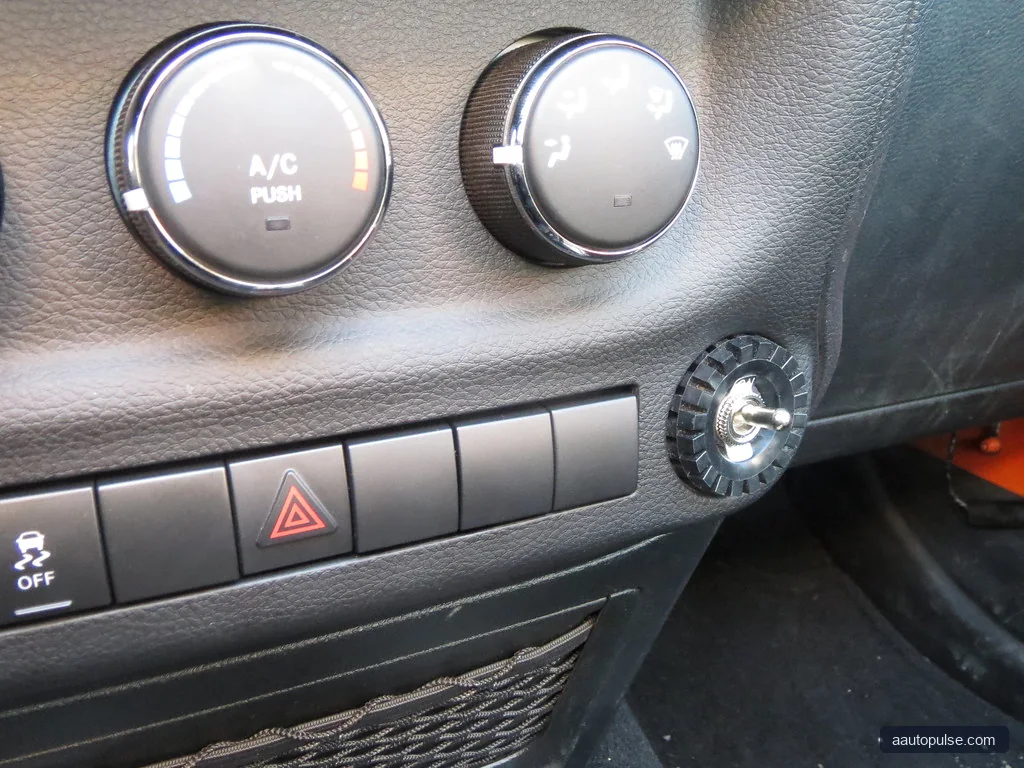
There are limited situations where turning it off can help, such as getting unstuck in deep snow or loose mud where some wheel spin may be needed. Even then, use caution and turn it back on once you are back on stable ground. Your owner’s manual will usually explain how and when your vehicle allows this feature to be disabled.
| Situation | Keep traction control on? | Why |
|---|---|---|
| Dry roads, normal commuting | Yes | Best balance of safety and efficiency |
| Rain, snow, ice, or gravel | Yes | Helps manage slip |
| Stuck in snow or mud | Sometimes no | Limited wheel spin may help free the vehicle |
FAQ
Does traction control waste fuel in bad weather?
It can use a little more fuel if it is working often, but the difference is usually small. In bad weather, traction control may actually help overall efficiency by reducing tire spin. The bigger issue is slower travel and cautious driving, not the system itself.
Should I turn off traction control to save gas?
No, not for normal driving. Turning it off does not create a meaningful gas-saving benefit, and it can reduce safety. It is better to keep it on and focus on smoother acceleration and steady speeds.
Does cruise control save gas on the highway?
Often yes, especially on flat highways with light traffic. It helps avoid speed changes that waste fuel. On hills, in traffic, or in slippery conditions, it may be less helpful.
Is it better to drive slower or faster for fuel economy?
Usually, a bit slower is better, but only up to a point. Very high speeds hurt fuel economy because air resistance rises quickly. The best approach is a steady, moderate speed that fits traffic and road conditions.
Does putting your car in neutral save gas while coasting?
Usually no, and it can reduce control. Modern vehicles often already reduce fuel use when you lift off the accelerator in gear. Safe, smooth driving is a much better fuel-saving strategy than coasting in neutral.
Conclusion
So, does traction control use more gas? In most cases, only a tiny amount, and often not enough to matter. The system is built for traction and safety, not fuel economy, but it does not normally hurt mileage in a major way. If it has to work a lot, that is usually a sign of slippery roads or aggressive driving.
For the best fuel savings, keep traction control on, drive smoothly, maintain your tires, and use steady speeds. If you want the most accurate guidance for your vehicle, check the owner’s manual for driving modes, tire pressure, and service intervals.