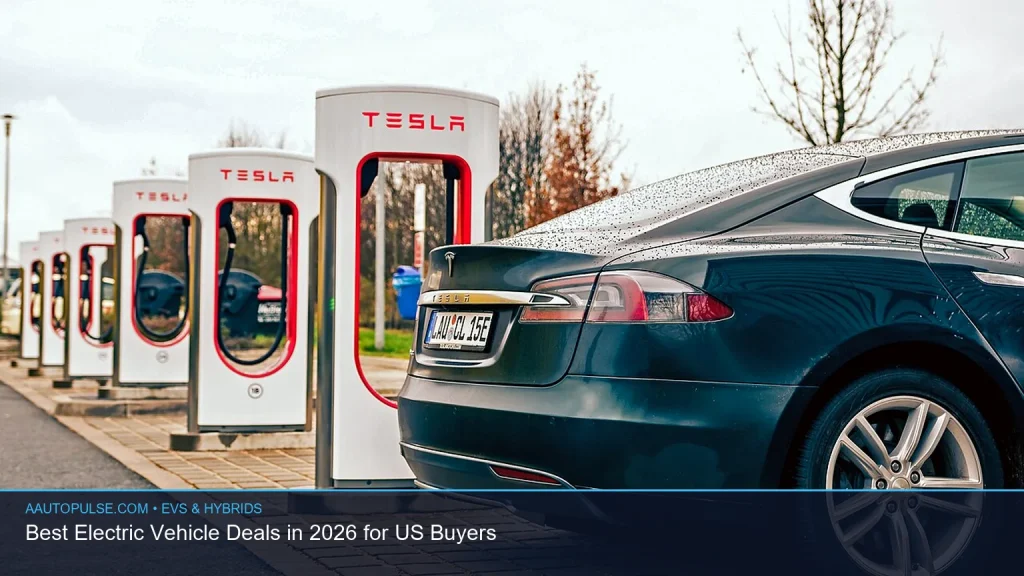
If you are looking for the best electric vehicle deals in 2026, the smartest move is to compare total cost, not just sticker price. The best option for you may be a lease, a financing offer, or a new model with a strong incentive package. This guide breaks down where electric vehicle deals are usually strongest, how to compare them, and which buyer type should choose each path. Because incentives and lease offers can change fast, always verify final terms with the seller and check current federal, state, and utility programs before you sign.
📖 Table of Contents
- Why 2026 EV Deals Deserve a Closer Look
- Best Electric Vehicle Deal Types to Compare
- How to Spot the Best Electric Vehicle Lease Deals
- Who Should Choose a Lease, and Who Should Buy?
- What to Check Before You Sign Any EV Deal
- Are EV Deals Different by State?
- FAQ: Electric Vehicle Deals in 2026
- Conclusion: The Best EV Deal Is the One That Fits Your Driving Life
📌 Key Takeaways
- For many US buyers, the best electric vehicle deals come from leases, not purchases, because lease support can lower monthly payments.
- Look beyond the monthly number. Compare down payment, mileage limits, residual value, fees, and whether incentives are already built in.
- The best deal depends on your driving habits, home charging access, and how long you plan to keep the vehicle.
- Always verify current incentives, inventory, and contract terms. EV offers can change by region, trim, and credit approval.
Why 2026 EV Deals Deserve a Closer Look
EV pricing is still moving. As more models reach the market and automakers compete for buyers, deal structures can change quickly. That creates chances for shoppers, but it also makes careful comparison more important.
In 2026, many buyers are likely to see the strongest value in lease support, dealer incentives, and special financing tied to specific trims or inventory levels. The catch is that these offers may be limited by region, credit profile, or vehicle availability. That is why the “best” deal is not always the cheapest monthly payment.
For US buyers, the right question is simple: do you want the lowest upfront cost, the lowest monthly payment, or the best long-term ownership value? Once you answer that, the search becomes much easier.
Best Electric Vehicle Deal Types to Compare
There are several ways to get a strong EV offer, and each works best for a different kind of buyer. The main choices are lease deals, finance incentives, and purchase discounts tied to stock on the lot.
| Deal type | Best for | Strengths | Limitations |
|---|---|---|---|
| Electric vehicle lease | Drivers who want lower monthly cost and flexible terms | Lower payment, easier refresh every few years, may include strong lease support | Mileage limits, wear charges, no ownership at the end unless you buy out |
| Finance offer | Buyers who plan to keep the EV long term | You build equity, no mileage cap, easier if you drive a lot | Often a higher monthly payment than leasing |
| Cash or purchase incentive | Shoppers with strong down payments or trade-ins | Reduces price directly, can improve long-term value | May not lower the monthly payment as much as a lease |
How to read an electric vehicle lease deal
An electric vehicle lease can look attractive because the monthly payment is often lower than financing. That happens because you are paying for the vehicle’s depreciation during the lease term, not the full purchase price.
Still, you should check the full structure. Look at due-at-signing costs, mileage caps, acquisition fees, disposition fees, and the end-of-lease buyout price if you may want to keep the car.
When financing makes more sense
If you drive a lot or want to keep the car beyond the warranty period, financing may be the better value. It can also make sense if the lease offers in your area are weak or if the car’s resale value is uncertain.
For buyers who want long-term ownership, the best electric vehicle deal is often the one with the lowest total cost over five to seven years, not the lowest first payment.
How to Spot the Best Electric Vehicle Lease Deals
Many shoppers search for the best electric vehicle lease deals because leasing can unlock lower monthly payments and less risk. That said, not every lease offer is a bargain. Some deals rely on high fees, strict mileage terms, or large drive-off costs.
Use this simple filter before you sign:
- Compare the monthly payment after taxes and fees, not just the advertised number.
- Check the annual mileage limit and make sure it fits your driving habits.
- Ask whether the incentive is already applied to the lease calculation.
- Review wear-and-tear rules so you are not surprised at turn-in.
- Confirm whether you can buy the vehicle at lease end, and at what price.
A true bargain usually balances all five items. A low payment with high fees may cost more than a slightly higher payment with cleaner terms.
| Selection criterion | What to look for | Why it matters |
|---|---|---|
| Mileage allowance | Enough for your annual driving plus a cushion | Overages can erase lease savings |
| Upfront costs | Low due-at-signing amounts, clear fee list | Reduces cash needed to drive away |
| Residual value | A buyout number that makes sense if you may keep the car | Affects end-of-lease decision |
| Incentives | Current lease cash, finance cash, or loyalty offers | Can make or break the final deal |
Who Should Choose a Lease, and Who Should Buy?
The best electric vehicle deal depends on your goals. A lease is often best for drivers who want lower payments, new tech, and a predictable term. Buying is often better for those who want freedom, high mileage, or long-term value.
If your commute is short and you like changing vehicles every few years, a lease can be a smart fit. If you travel often, take long road trips, or keep cars for many years, financing may be the stronger choice.
Clear verdict by buyer type
- Choose a lease if you want a lower monthly payment, plan to upgrade often, and can stay within mileage limits.
- Choose financing if you drive a lot, want to own the car outright, or plan to keep it for many years.
- Choose a cash/incentive purchase if you have a strong trade-in or down payment and want the simplest path to ownership.
For many shoppers, the best electric vehicle lease deals are ideal during a transition period, such as when you are testing EV ownership for the first time. For committed EV buyers, ownership can be the better long-term play.
What to Check Before You Sign Any EV Deal
Even a strong offer can become expensive if you skip the fine print. Review the contract carefully and confirm the vehicle details match the advertised offer.
Use this checklist before you commit:
- Confirm the exact trim, battery configuration, and drivetrain.
- Ask whether the vehicle is new, dealer stock, or a demo unit.
- Verify all fees, including destination, doc, acquisition, and registration.
- Check whether incentives require a specific credit tier or captive lender.
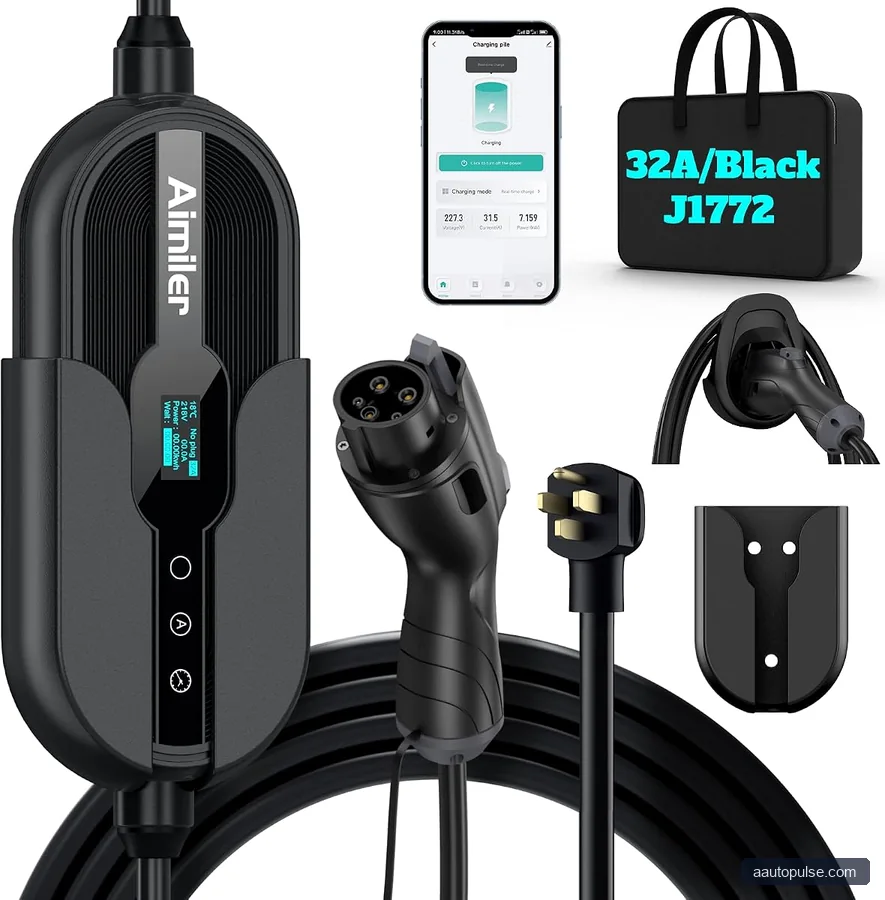
- Review charging access at home and on your regular routes.
If you are considering safety as part of the decision, look for current NHTSA star ratings and IIHS crashworthiness results for the exact model year and trim. Those ratings can change by configuration, so verify the vehicle you are buying rather than assuming every version is the same.
Quick troubleshooting table for deal comparison
| If you see this problem | What it may mean | What to do |
|---|---|---|
| Very low monthly payment | High due-at-signing costs or strict mileage terms | Ask for the total lease cost over the full term |
| Deal looks better online than in-store | Extra fees may not be shown in the ad | Request an itemized out-the-door quote |
| Incentive requires specific financing | Offer may not apply to every buyer | Verify eligibility before submitting credit info |
Are EV Deals Different by State?
Yes. EV offers can vary a lot by state, metro area, and even dealer group. Some states add local rebates, reduced registration fees, HOV lane access, or utility programs that can improve the value of a purchase or lease.
That means a deal that looks average in one region may be very strong in another. Shoppers should check current state energy office sites, utility websites, and local dealer inventory before assuming a national ad reflects the best available offer.
If you live in a cold-weather region, also factor in charging convenience and winter range loss. A deal is only valuable if the vehicle fits your daily life.
FAQ: Electric Vehicle Deals in 2026
Are electric vehicle lease deals usually better than buying?
They can be, especially if you want a lower monthly payment and do not plan to keep the car long term. But buying may be better if you drive a lot, want no mileage limits, or plan to own the vehicle for many years.
How do I know if an electric vehicle lease is a good deal?
Compare the full lease cost, not just the monthly payment. Include upfront costs, mileage caps, fees, taxes, and the residual or buyout price if you may keep the car later.
What is the best way to compare electric vehicle deals across brands?
Use the same checklist for every offer: total out-of-pocket cost, lease or finance term length, mileage allowance, fees, and available incentives. That makes it easier to compare apples to apples.
Should I wait for a better EV deal?
Waiting can help if inventory is high or if a new incentive cycle is expected, but there is no guarantee that a better offer will appear. If you find a deal that fits your budget, driving needs, and local incentives, it may be smarter to move forward.
Do I need to verify federal tax credits separately?
Yes. Eligibility can depend on the vehicle, final assembly rules, battery sourcing, income limits, and the tax year. Always confirm current federal guidance and ask whether the credit is applied at sale or claimed later.
Conclusion: The Best EV Deal Is the One That Fits Your Driving Life
The strongest electric vehicle deals in 2026 will likely reward buyers who compare total cost, not just advertised payment. For many shoppers, that means checking electric vehicle lease offers first, then comparing them with purchase incentives and financing terms.
Start with your daily mileage, charging access, and how long you want to keep the vehicle. Then verify current incentives, get a written out-the-door quote, and review the lease or finance contract line by line. That is the best way to find a deal that is truly worth it.