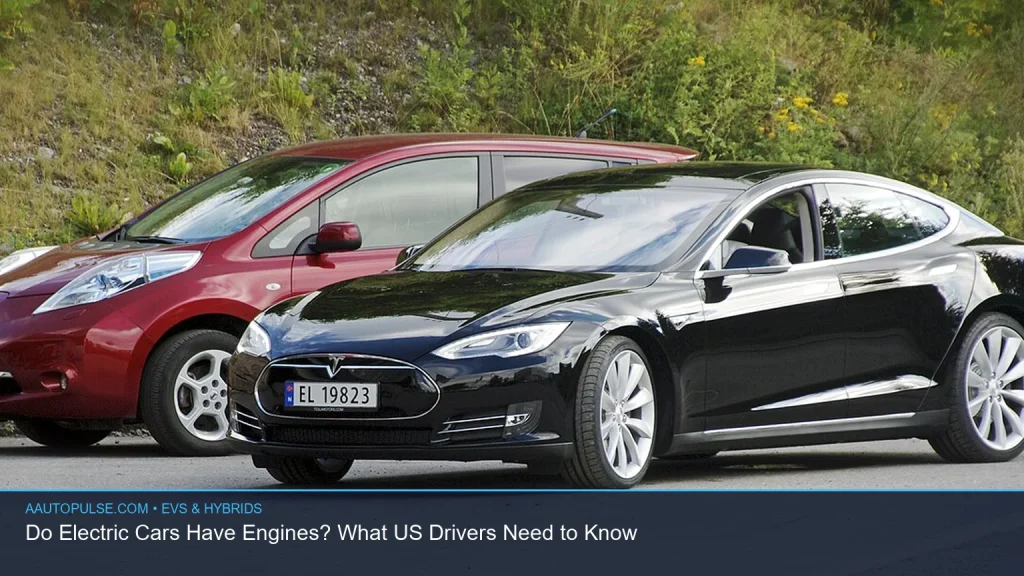
Do electric cars have engines? Not in the way gas cars do. Most electric vehicles use an electric motor instead of a fuel-burning engine. That motor turns electrical energy from a battery into motion. Some EVs also have a transmission, but it is usually much simpler than the multi-gear setup in a gasoline car. If you are shopping, driving, or just trying to understand EV basics, the key difference is simple: electric cars move with electricity, not combustion.
📖 Table of Contents
📌 Key Takeaways
- Most electric cars do not have a gasoline engine; they use an electric car motor powered by a battery.
- Many EVs still have a transmission, but it is often a simple single-speed unit rather than a traditional multi-gear system.
- EV maintenance is usually different from gas cars because there are no oil changes, spark plugs, or exhaust systems to service.
- If you are comparing EVs, look at range, charging speed, battery warranty, and safety ratings such as NHTSA 5-star scores and IIHS crashworthiness results.
What “engine” means in an electric car
In a gas car, the engine burns fuel to make power. In an EV, that job is handled by an electric motor. So when people ask, do electric cars have engines, the short answer is usually no. They have a motor, an inverter, and a battery pack that work together to move the car.
This is why EVs feel so different to drive. Power comes on quickly, and the car does not need to rev through gears like a traditional vehicle. That also changes the sound, maintenance needs, and the way the car delivers acceleration.
How an electric car motor works
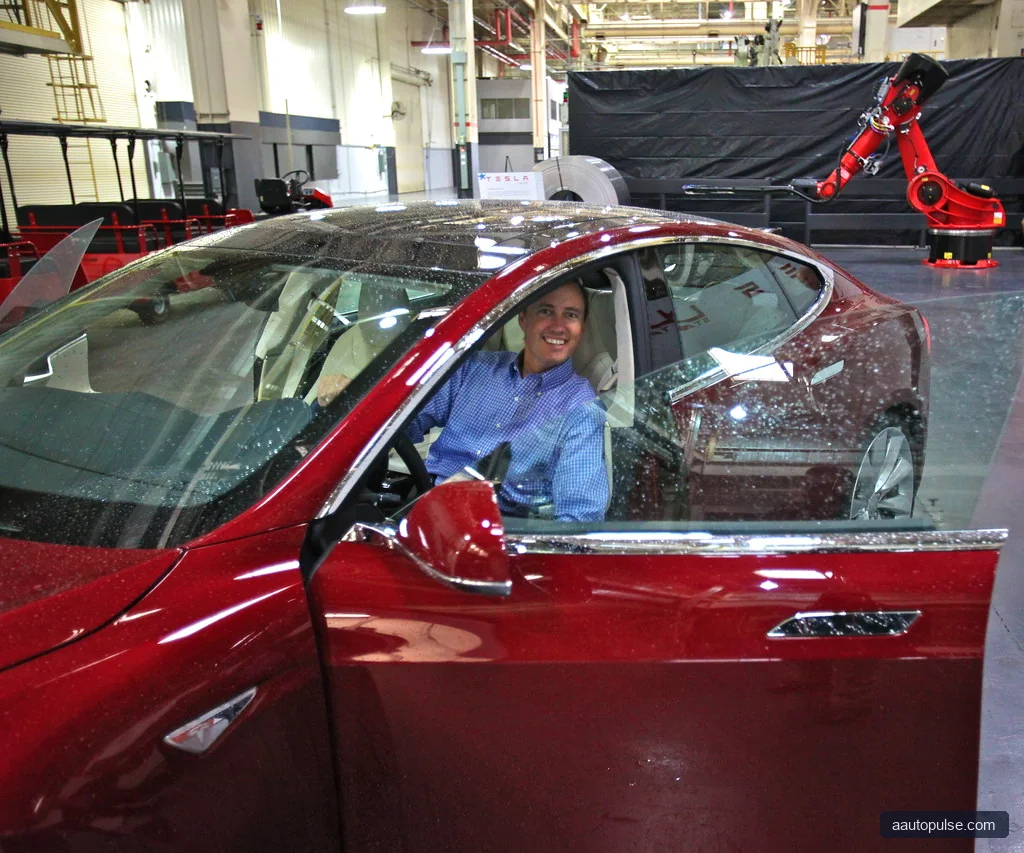
An electric car motor uses electricity from the battery to create motion. The battery sends power to the inverter, which helps control how that power reaches the motor. The motor then spins the wheels through a drive unit, and the car moves.
There are a few common motor types, but the main idea is the same: electric energy becomes wheel movement. That is why many EVs are smoother and quieter than gas vehicles. They also waste less energy as heat compared with a combustion engine.
Why EVs feel different on the road
Electric motors deliver strong torque right away. Torque is the turning force that helps a car launch from a stop and pass other vehicles. In simple terms, that means many EVs feel quick even without a traditional engine roar or gear shifts.
Do electric cars have transmissions?
Yes, many do, but not in the same way as gas cars. If you are wondering, do electric cars have transmissions, the answer is often yes, though the setup is usually much simpler. Most EVs use a single-speed transmission or reduction gear system.
That means the vehicle does not need a long list of gears to keep the engine in its best power range. Since an electric motor can work efficiently across a wide speed range, one gear is often enough for everyday driving. Some EVs may use more advanced systems, but they are still not the same as a classic automatic or manual transmission.
| Feature | Gas Car | Electric Car |
|---|---|---|
| Power source | Gasoline or diesel engine | Battery and electric motor |
| Transmission | Multi-speed automatic or manual | Usually single-speed or reduction gear |
| Routine service | Oil changes, spark plugs, exhaust, etc. | Tires, brakes, coolant checks, software, battery care |
| Driving feel | Gear shifts, engine sound | Quiet, smooth, instant torque |
Selection tip: If you want familiar driving behavior and broad repair familiarity, a gas car may feel more predictable. If you want fewer moving parts and smoother acceleration, an EV is often the better fit.
What changes when there is no engine

Without a combustion engine, an EV skips several common service items. There is no motor oil to change, no timing belt in the usual sense, and no exhaust system to maintain. That does not mean EVs need no care. It means the care looks different.
You still need to watch tire wear, brake health, cabin air filters, coolant for thermal management systems, and battery condition. Many EVs also rely on software updates and onboard diagnostics, so the vehicle’s computer system matters more than many drivers expect.
Common maintenance differences
- No oil changes: There is no combustion engine oil to replace.
- Brake service may be less frequent: Regenerative braking can reduce pad wear, though brakes still need inspection.
- Tires may wear faster: EVs can be heavier and deliver instant torque, both of which affect tires.
- Battery cooling matters: Some EVs use coolant loops that should be checked at the intervals in the owner’s manual.
As always, verify your vehicle’s maintenance schedule in the owner’s manual. Service intervals can vary by make, model, climate, and battery design.
How to think about EV diagnostics and warning signs
When an EV has trouble, the issue may involve the battery, charging system, motor, inverter, or software. Because there is no traditional engine, some warning signs look different from those in a gas car. A dashboard alert may point to reduced power, charging faults, or thermal management problems.
If you are trying to decide whether a symptom is serious, start with the warning lights and driving changes. Then check the manual and, if needed, have a qualified technician inspect the vehicle. EV systems run on high voltage, so do not guess your way through repairs.
| Symptom | Possible EV-related cause | What to do |
|---|---|---|
| Reduced range | Battery aging, cold weather, tire pressure, driving style | Check tire pressure and recent conditions; review charging habits |
| Slow charging | Charger issue, cable issue, battery temperature, software limit | Try another charger if safe, then inspect the charging equipment |
| Warning light or “reduced power” message | Motor, inverter, battery, or cooling-system fault | Stop if the car drives poorly; schedule service promptly |
What US drivers should compare before buying an EV
If you are moving from a gas car, do not focus only on whether the car has an engine. Instead, compare the factors that shape daily ownership. Range, charging access, battery warranty, cargo room, and safety ratings usually matter more than the presence or absence of a traditional engine.
For safety, look for standard third-party testing such as NHTSA 5-star ratings and IIHS crashworthiness categories. Those results help you compare structure, restraint performance, and crash protection across vehicles. Because ratings can change by model year and trim, confirm current results before you buy.
| What to compare | Why it matters | Best for |
|---|---|---|
| Charging access | Affects convenience and daily usability | Apartment dwellers and road-trippers |
| Range | Determines how far you can drive per charge | Commuters and long-distance drivers |
| Safety ratings | Measures crash protection and crashworthiness | Families and safety-focused shoppers |
| Maintenance needs | Affects long-term ownership cost and service visits | Budget-conscious buyers |
Who should choose what: Choose an EV if you can charge at home or work, want a quiet drive, and value lower routine maintenance. Choose a gas car or hybrid if you need maximum refueling flexibility or do not have reliable charging access.
FAQ
Do electric cars have engines at all?
Most do not have a gasoline engine. They use an electric motor instead. Some people still say “engine” out of habit, but the correct term for most EVs is electric motor.
Do electric cars have transmissions like regular cars?
Some do, but usually not a traditional multi-speed transmission. Many EVs use a single-speed reduction gear because the motor can deliver power across a wide speed range. That is one reason EVs drive so smoothly.
What is the difference between an electric car motor and a gas engine?
A gas engine burns fuel to create movement. An electric car motor uses electricity from the battery to spin the wheels. The EV setup has fewer moving parts and usually needs less routine maintenance.
Do EVs need oil changes?
No, not in the same way gas vehicles do. Since there is no combustion engine, there is no engine oil to replace. Still, EVs may need other fluids checked, such as coolant, depending on the model.
Are EVs harder to repair?
Not always, but repairs can be different. EVs use high-voltage systems, so service should be done by qualified technicians. Software, batteries, and power electronics are also more specialized than many gas-car parts.
Conclusion: the simple answer for US drivers
Do electric cars have engines? Usually no. They use an electric motor, and many also use a simple transmission system that is very different from what you find in a gas car. If you are considering an EV, focus on charging, range, safety ratings, and maintenance needs instead of looking for a traditional engine.
The best next step is to check the owner’s manual or official manufacturer details for any model you are considering. That will give you the most accurate information on service intervals, drivetrain design, and battery care.