If you want your Buick to stay smooth, quiet, and dependable, the best place to start is with consistent buick car maintenance. Most problems that lead to expensive repairs begin as small, easy-to-fix issues like low fluids, worn filters, or skipped tire rotations. The good news is that a Buick does not need exotic care to perform well. It just needs regular attention, the right service intervals, and a few smart habits that help you spot trouble early.
📖 Table of Contents
- Why Buick Maintenance Matters More Than You Think
- Follow the Core Service Intervals
- Build a Smart Buick Maintenance Routine
- Pay Attention to the Parts That Wear First
- Know Which Maintenance Can Be DIY and Which Should Be Professional
- Use a Preventive Mindset to Lower Repair Costs
- FAQ
- Conclusion: Stay Ahead of Problems, Not Behind Them
📌 Key Takeaways
- Follow your owner’s manual first, then adjust for severe driving like towing, short trips, or extreme heat.
- Oil changes, tire rotations, brake checks, and fluid inspections are the core of reliable Buick ownership.
- Small warning signs like rough starts, vibration, or shifting changes often point to maintenance needs before major damage happens.
- Many maintenance habits are similar across brands, whether you compare Buick with Chevy car maintenance, GMC car maintenance, Honda car maintenance, or Mazda car maintenance.
Why Buick Maintenance Matters More Than You Think
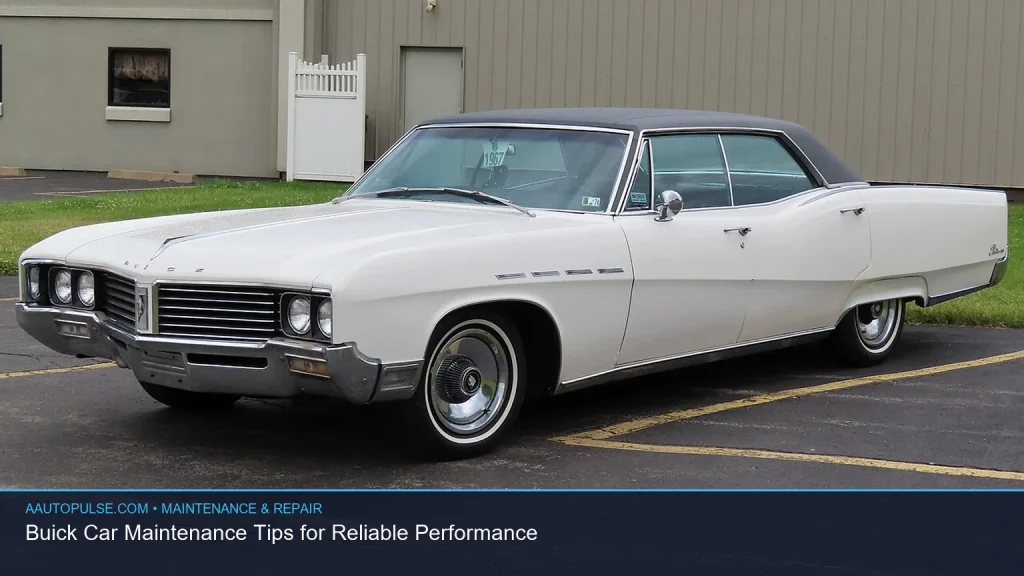
Buick models are built for comfort, quiet rides, and steady daily use. That makes routine care especially important, because small issues can affect ride quality long before they become safety problems. A well-maintained Buick usually feels smoother, shifts cleaner, and uses fuel more efficiently.
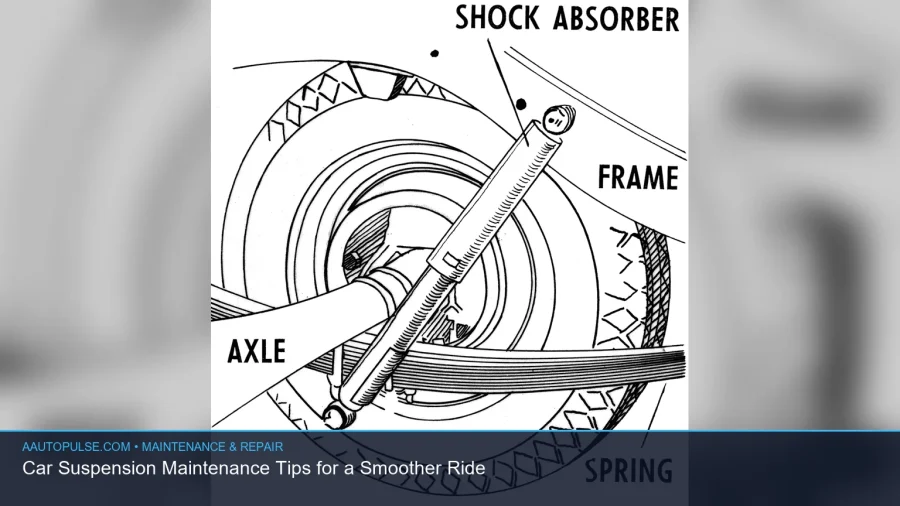
Regular service also helps protect major systems like the engine, transmission, suspension, and cooling system. If you delay basic care, wear can spread to other parts and cost more to fix later. That is why buick car maintenance should be treated as prevention, not just repair.
If you have owned other brands, the logic will feel familiar. Dodge car maintenance, Subaru car maintenance, Cadillac car maintenance, and BMW car maintenance all reward consistency, even if the service schedules differ. The same is true for Buick.
Follow the Core Service Intervals
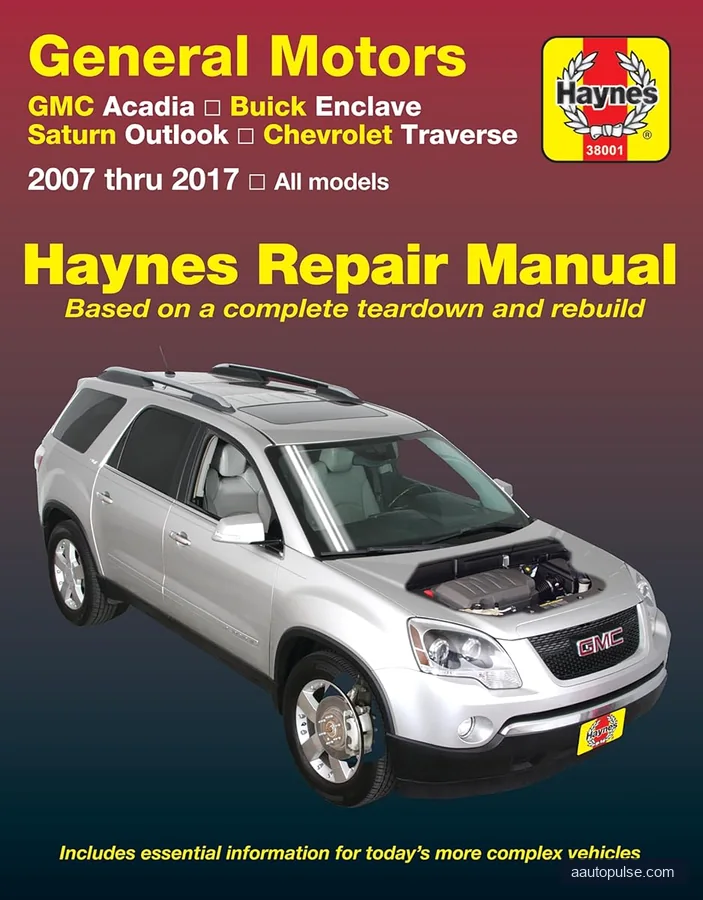
Your owner’s manual is the final word, but most Buick models follow a fairly standard maintenance rhythm. The exact interval depends on engine type, model year, and driving conditions. Always verify the manual for your specific vehicle before you book service.
Common Buick service guide
| Service item | Typical interval | Why it matters |
|---|---|---|
| Engine oil and filter | Often 5,000 to 7,500 miles, depending on engine and oil type | Protects engine parts from heat, wear, and sludge |
| Tire rotation | About every 5,000 to 7,500 miles | Helps tires wear evenly and improves handling |
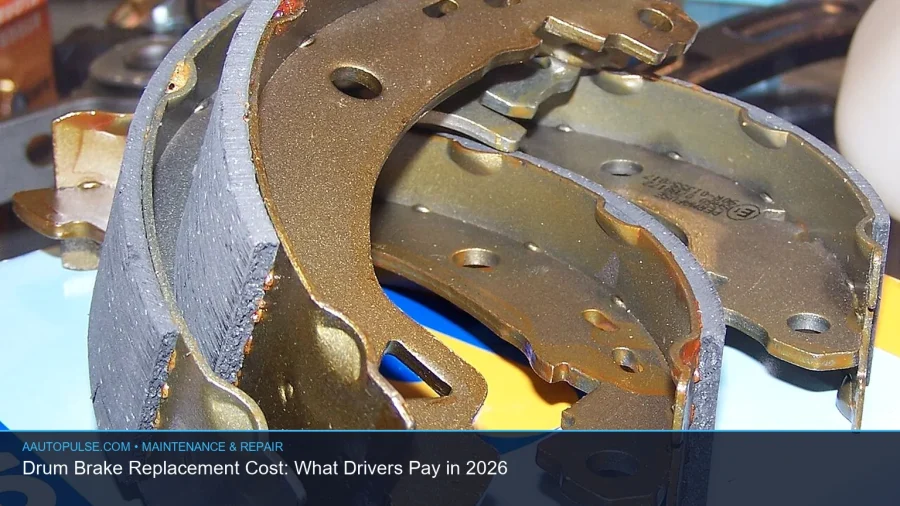
| Brake inspection | Every oil change or at least twice a year | Catches worn pads, warped rotors, or fluid issues early |
| Cabin and engine air filters | Usually every 15,000 to 30,000 miles | Supports airflow, comfort, and engine protection |
| Coolant, transmission, and brake fluid checks | At regular service visits; replace by manual schedule | Prevents overheating, poor shifting, and brake fade |
Some newer Buick engines use low-viscosity full synthetic oil, often with capacities that vary by model and engine. For example, many four-cylinder engines may take around 4 to 6 quarts, while V6 setups can vary more. Do not guess on fill amounts or oil grade; check the manual or under-hood service label.
Build a Smart Buick Maintenance Routine
A strong routine makes maintenance easier to remember and cheaper over time. It also helps you notice patterns, like a tire losing pressure or a fluid level dropping faster than normal. Those patterns can reveal a problem before a warning light appears.
- Check tire pressure once a month. Use the door placard, not the tire sidewall, for the correct PSI.
- Inspect tire tread and wear. Uneven wear can point to alignment or suspension issues.
- Watch fluid levels. Look at engine oil, coolant, brake fluid, and washer fluid when the engine is cool and parked on level ground.
- Listen for changes. New squeaks, grinding, ticking, or humming often signal wear.
- Track service dates and mileage. A simple note on your phone works well.
If you drive mostly short trips, in heavy traffic, or in very hot or cold weather, your Buick may need service sooner than the basic schedule. That is also true for many vehicles used in tougher conditions, including Hertz car maintenance fleets, Chevy car maintenance plans, or Honda car maintenance programs. “Severe service” does not mean your car is failing; it just means the car works harder.
Pay Attention to the Parts That Wear First

Some maintenance items deserve more attention because they wear faster than others. Brakes, tires, batteries, belts, and filters are common examples. When these parts begin to age, the signs are often easy to notice if you know what to look for.
Common Buick symptom checklist
- Brakes: squealing, grinding, longer stopping distance, steering wheel shake during braking
- Tires: vibration at speed, low pressure, pulling to one side, uneven tread wear
- Battery: slow cranking, dim lights, clicking noise on start-up
- Belts and hoses: chirping sounds, visible cracks, coolant smell, leaking fluid
- Air filters: weak airflow, reduced acceleration, lower fuel economy
Many of these symptoms overlap with other brands too. Mazda car maintenance, Subaru car maintenance, and Alto car maintenance owners often look for the same warning signs, even though the cars are different. The key is to react early, not wait for a breakdown.
If your Buick starts to idle rough, shifts late, or loses fuel economy, do not assume the worst. Start with the basics: scan for warning lights, check fluid levels, inspect the air filter, and review recent service history.
Know Which Maintenance Can Be DIY and Which Should Be Professional
Some jobs are simple enough for many owners to handle at home. Others are better left to a trained technician with the right tools and diagnostic equipment. Choosing the right line can save time, money, and stress.
| Task | DIY friendly? | Best choice |
|---|---|---|
| Tire pressure check | Yes | Great for most drivers |
| Cabin air filter replacement | Often yes | Good if access is simple |
| Oil change | Sometimes | Best only if you have proper tools and disposal access |
| Brake service | Usually no | Professional for safety and inspection |
| Transmission or cooling system concerns | No | Professional diagnosis is best |
Selection criteria: choose DIY only if the task is simple, low-risk, and clearly described in your manual. Choose a professional if the repair affects braking, steering, engine cooling, or transmission performance. If you are unsure, it is safer to ask for an inspection first.
Who should choose what: hands-on owners can safely handle tire pressure, washer fluid, and sometimes filters. Drivers who want convenience, warranty peace of mind, or deeper diagnostics should use a qualified shop or dealership service center. That approach is similar to how Audi care maintenance plan customers often prefer structured service schedules.
Use a Preventive Mindset to Lower Repair Costs
Preventive maintenance is not just about keeping the car running. It also protects resale value and helps avoid stacked problems. A neglected filter can strain the engine, which can then affect fuel economy, which can then make the car feel less responsive.
Start with the basics that matter most: clean oil, proper tire care, healthy brakes, and fresh fluids. From there, pay attention to small changes in steering feel, braking sound, and transmission response. Those clues often tell you more than a dashboard light.
If you ever compare Buick ownership with Cadillac car maintenance or BMW car maintenance, you will notice the same pattern: the more advanced the vehicle, the more important it is to stay on schedule. Buick may be easier to maintain than some luxury brands, but it still benefits from disciplined care.
FAQ
How often should I change the oil in my Buick?
Many Buick models need oil changes every 5,000 to 7,500 miles, but the right interval depends on the engine, oil type, and driving conditions. Short trips, stop-and-go traffic, and extreme temperatures can require earlier service. Always confirm the exact schedule in your owner’s manual.
What maintenance helps a Buick ride more quietly?
Start with tire rotations, proper tire pressure, alignment checks, and brake inspections. Quiet cabin feel can also suffer if the air filter is clogged or if suspension parts are worn. If the ride becomes noisy or harsh, have the tires and suspension checked first.
Is Buick maintenance expensive compared with other brands?
It is usually more moderate than some premium brands, but the final cost depends on model, age, mileage, and repair history. In general, Buick car maintenance is easier to control when you keep up with routine service. Skipping maintenance usually costs more than staying on schedule.
What warning signs mean I should service my Buick right away?
Do not wait if you see a check engine light, low oil pressure light, overheating, brake warning light, or severe vibration. Other urgent signs include burning smells, fluid leaks, hard shifting, or a battery that keeps dying. These symptoms can point to a safety issue or a larger mechanical problem.
Does Buick maintenance differ much from Chevy or GMC maintenance?
Many service habits are similar because Buick, Chevy, and GMC share engineering roots in several model lines. The difference is in the exact parts, fluids, and service intervals for your specific vehicle. Honda car maintenance and Subaru car maintenance can follow a similar preventive approach, but every manual still matters most.
Conclusion: Stay Ahead of Problems, Not Behind Them
Reliable Buick ownership comes from steady habits, not last-minute repairs. If you keep up with oil changes, tire care, brake checks, and fluid inspections, your car is more likely to stay smooth, quiet, and dependable for the long run. Use your owner’s manual, watch for early warning signs, and do not ignore small changes in how the vehicle feels.
For the best results, set a simple service schedule today and review your Buick’s maintenance history at the next fill-up. That small step can save money, reduce stress, and help your Buick perform the way it should.