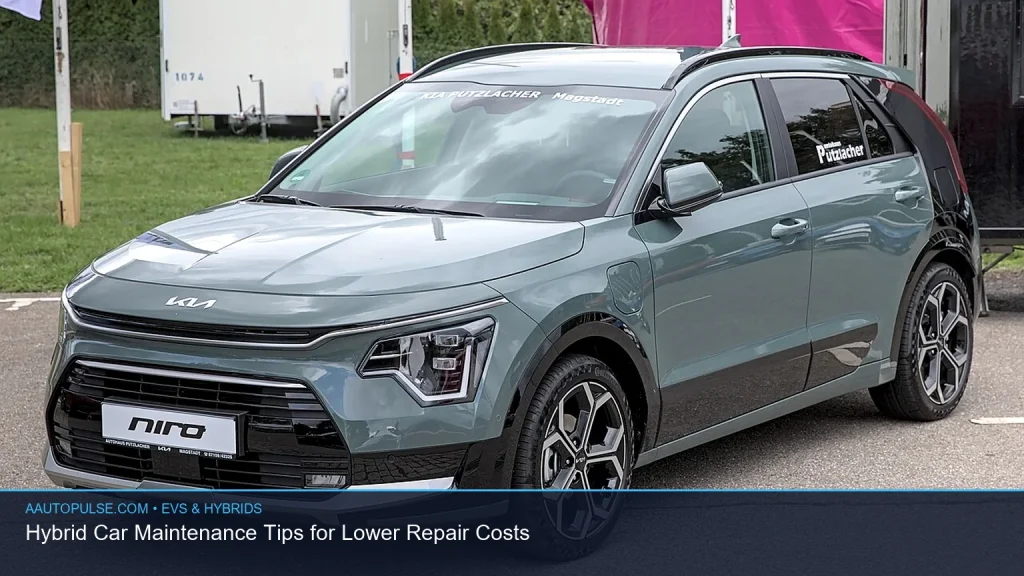
Hybrid car maintenance does not have to be complicated or expensive. In fact, most hybrids can stay reliable for years when you follow a simple care routine, watch for early warning signs, and service the parts that wear out fastest. The big advantage is that hybrids often brake gently, idle less, and reduce engine strain. The catch is that they still need regular attention to fluids, filters, brakes, tires, and the high-voltage battery system. Here’s how to keep repair costs lower without overdoing service.
📖 Table of Contents
- Why Hybrid Car Maintenance Matters
- Follow the Maintenance Schedule, Not Guesswork
- Protect the Parts That Usually Cost the Most
- How Hybrid Maintenance Saves Money on Brakes, Tires, and Fluids
- Watch for Early Warning Signs Before They Become Repairs
- DIY Checks You Can Do Between Service Visits
- FAQ: Hybrid Car Maintenance Tips
- Conclusion: Keep It Simple and Stay Ahead of Repairs
📌 Key Takeaways
- Hybrid repair costs stay lower when you follow the owner’s manual and service routine on time.
- Brakes, tires, 12-volt batteries, coolant, and cabin filters are common wear items to watch closely.
- Hybrids and EVs need less engine service, but electric car maintenance still includes tires, brakes, coolant checks, and battery care.
- Small warning signs like reduced fuel economy, odd noises, or warning lights should be checked early to avoid bigger repairs.
Why Hybrid Car Maintenance Matters
Hybrids blend a gas engine with an electric motor, so they can lower fuel use and reduce wear in some areas. But that does not make them maintenance-free. In many cases, the same basics still apply: clean fluids, healthy tires, working brakes, and a strong battery system.
Good hybrid car maintenance helps you catch small problems before they grow. That matters because hybrid repairs can be more expensive when ignored, especially if a weak 12-volt battery, overdue coolant, or neglected brakes starts causing other issues.
What makes hybrids different
Many hybrids shut off the gas engine at stops and use regenerative braking to capture energy. That can reduce engine wear and brake pad wear. At the same time, it places more importance on electrical parts, software updates, battery cooling, and scheduled inspections.
If you are comparing hybrid upkeep with maintenance on electric cars, the pattern is similar in one way: fewer oil changes, but not zero maintenance. The question is not whether you need service. It is which parts need it and how often.
Follow the Maintenance Schedule, Not Guesswork

The fastest way to lower repair bills is to follow the maintenance schedule in your owner’s manual. That schedule is built around your exact model, engine type, and driving conditions. If you drive in hot weather, heavy traffic, short trips, or dusty areas, you may need service sooner.
As a general guide, many hybrids still need routine checks around every 5,000 to 10,000 miles, depending on the vehicle and oil type. Oil change intervals often fall near 5,000 to 10,000 miles, but some models may differ. Always verify the interval, fluid type, and torque specs in your manual before acting.
Common maintenance items to track
- Engine oil and oil filter
- Engine air filter
- Cabin air filter
- Coolant for the engine and hybrid system
- Brake fluid
- Tire rotation and alignment
- 12-volt battery testing
- Hybrid battery cooling intake cleaning, if equipped
For plug-in hybrids, the gas engine may run less often, but that does not remove the need for fluid checks. In some cases, low-use engines can still develop problems from old oil, moisture buildup, or neglected coolant.
Protect the Parts That Usually Cost the Most
Hybrid systems are designed to help your vehicle run smoothly, but a few parts deserve extra attention. These are the items most likely to affect repair costs if they are ignored for too long.
| Maintenance item | What to watch | Why it matters |
|---|---|---|
| 12-volt battery | Slow starts, warning lights, strange electronics behavior | A weak 12-volt battery can trigger false hybrid faults or leave the car unable to boot |
| Brake system | Noise, vibration, reduced pedal feel, uneven pad wear | Regenerative braking helps, but brake fluid and hardware still need service |
| Cooling system | Low coolant, overheating, warning messages | Hybrids may have more than one cooling circuit, and repairs can be costly if neglected |
| Tires | Uneven wear, low tread, pressure loss | Poor tire care hurts fuel economy and can stress suspension and drivetrain parts |
Selection criteria: choose service based on age, mileage, driving style, and symptoms. If your vehicle has a hybrid-specific coolant pump, inverter cooling loop, or battery cooling fan, those systems should be checked on the schedule listed by the manufacturer.
Strengths of early care: lower risk of surprise failures, better fuel economy, and fewer tow bills. Limitations: some parts can still wear even with perfect care, especially on older vehicles or high-mileage commuter cars.
Who should choose what: if your hybrid is under warranty or has low mileage, follow the manual closely and keep records. If it is older or out of warranty, a more frequent inspection cadence can be worth it, especially for brakes, tires, and cooling.
How Hybrid Maintenance Saves Money on Brakes, Tires, and Fluids
Hybrids often save money because regenerative braking reduces friction brake use. That means pads may last longer, but it does not mean you can skip brake inspections. Moisture, rust, seized slide pins, and old brake fluid can still cause expensive repairs.
Tire care matters just as much. Because hybrids are often heavier than similar gas cars, and because instant electric torque can wear tires faster, correct inflation and rotation are key. Check tire pressure monthly and rotate tires around every 5,000 to 7,500 miles unless your manual says otherwise.
Simple habits that help
- Check tire pressure when the tires are cold.
- Rotate tires on schedule and inspect for uneven wear.
- Listen for grinding, squealing, or pulsing in the brakes.
- Replace brake fluid at the interval your manual lists, often every 2 to 3 years for many vehicles.
- Use the correct oil grade and exact fluid type specified by the manufacturer.
Fluid care is a major money saver. Old oil can thicken and lose protection, while stale coolant can reduce heat transfer and damage pumps, seals, or electronics. Even if the engine runs less often, fluids age with time, not just miles.
Watch for Early Warning Signs Before They Become Repairs
Many costly hybrid problems start as small warning signs. The best defense is to spot them early and act before the issue spreads. If you notice a change in how the car starts, drives, or sounds, do not wait for a bigger failure.
| Symptom | Possible cause | What to do |
|---|---|---|
| Reduced fuel economy | Low tire pressure, worn plugs, weak battery, dirty filters | Check tires and service records first, then scan for codes if needed |
| Brake squeal or vibration | Pad wear, rotor rust, sticky caliper, contaminated fluid | Schedule a brake inspection soon |
| Warning lights on the dash | 12-volt battery issue, hybrid system fault, sensor problem | Do not ignore it; read codes and verify the cause |
| Overheating or strong fan noise | Low coolant, blocked cooling path, failing pump | Stop driving if temperature rises and inspect promptly |
If you are comparing this to what maintenance does an electric car need, the answer is similar on several points: tires, brakes, cabin filters, coolant on some models, and battery system checks. Full EVs skip engine oil changes, but they still rely on the same basics of safety, wear, and inspection.
DIY Checks You Can Do Between Service Visits
You do not need to be a technician to help your hybrid last longer. A few quick checks each month can catch small issues before they turn into shop visits. Keep these simple and safe.
- Check tire pressure and look for visible damage or uneven wear.
- Inspect fluid levels if your manual says they are user-checkable.
- Look at the cabin air filter if airflow seems weak or the air smells stale.
- Watch the dashboard for warning lights or unusual messages.
- Pay attention to driving changes like rough starts, weak acceleration, or odd brake feel.
Be careful around hybrid high-voltage parts. Do not open orange cables, battery cases, or electrical connectors. For anything beyond basic checks, use a trained technician who is familiar with hybrid systems.
FAQ: Hybrid Car Maintenance Tips
How often should hybrid car maintenance be done?
It depends on the vehicle, but many routine checks happen every 5,000 to 10,000 miles. Oil changes, tire rotations, and inspections often follow that pattern, while brake fluid, coolant, and filters may have longer or time-based intervals. Your owner’s manual is the best source for exact timing.
Do hybrids need less maintenance than gas cars?
Often yes, but not always by a huge amount. Hybrids may use brakes and engines less, which can reduce wear. But they still need tires, fluids, filters, cooling system care, and battery-related checks.
What maintenance does an electric car need compared with a hybrid?
A full EV usually needs less mechanical service because it has no engine oil changes or spark plugs. Still, electric car maintenance includes tires, brakes, cabin filters, coolant on some models, battery system checks, and software updates. Hybrids need all of that plus engine-related service.
Is it bad if a hybrid sits unused for a long time?
Yes, it can be. Long storage may weaken the 12-volt battery, allow fluids to age, and create tire flat spots. If a hybrid will sit for weeks or months, check the manual for storage steps and battery care recommendations.
Should I use a dealer or an independent shop?
Choose a shop that has hybrid experience, proper scan tools, and a good record with your make and model. Dealer service may be helpful for complex warranty or software issues. A skilled independent shop can be a smart choice for routine work if they know hybrid systems well.
Conclusion: Keep It Simple and Stay Ahead of Repairs
Lower repair costs usually come from simple habits: follow the manual, service fluids on time, keep tires inflated, and check warning signs early. That is the core of smart hybrid car maintenance. It does not require guesswork, and it does not require over-servicing either.
Start with the basics today. Review your maintenance schedule, inspect your tires and brakes, and make a note of when key services were last done. A little attention now can save a lot later.