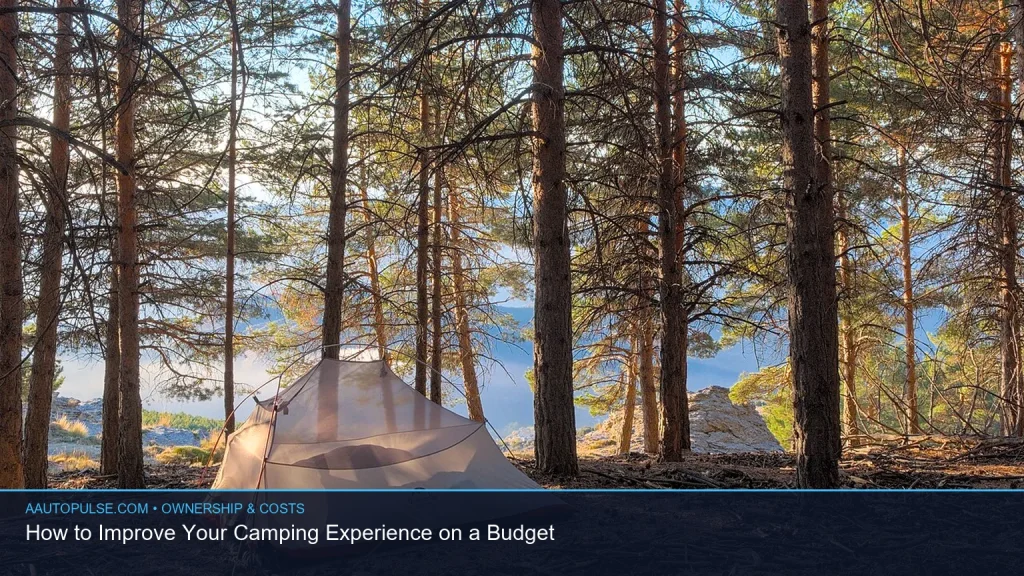
Improving your camping experience on a budget is mostly about smart choices, not expensive gear. With the right planning, a few low-cost upgrades, and better habits at camp, you can sleep better, stay organized, and enjoy the outdoors more without overspending. The best approach is to spend where comfort and safety matter most, then save on everything else. This guide breaks down practical ways to stretch your money and make every trip more comfortable, simple, and enjoyable.
📖 Table of Contents
- Start with the basics that matter most
- Make smart gear choices without buying everything new
- Plan meals to save money and reduce stress
- Improve comfort with low-cost campsite upgrades
- Choose the right campsite and timing
- Use planning habits that prevent wasted money
- Know when to spend a little more
- FAQ
- Conclusion
📌 Key Takeaways
- Focus your budget on the items that most affect comfort: sleep, shelter, and food storage.
- Use simple planning steps to avoid common camping mistakes that waste money and reduce comfort.
- Small upgrades like better lighting, insulation, and organization can make a big difference.
- Borrow, buy used, and repurpose gear when possible to improve your camping experience without buying everything new.
Start with the basics that matter most
The fastest way to improve your camping experience is to build around the essentials. A dry shelter, a warm sleep setup, and a simple meal plan will do more for comfort than a cart full of extra gear. If those basics are weak, even a short trip can feel stressful.
Think in terms of priorities. Spend first on what keeps you dry, warm, rested, and fed. Save on items that are nice to have, but not necessary for a safe and pleasant trip.
Use a simple priority list
- Shelter: tent, tarp, ground cover, and rain protection.
- Sleep: sleeping pad, sleeping bag, blanket layers, and pillow support.
- Food and water: cooler, reusable containers, water storage, and easy meal tools.
- Light and safety: flashlight, lantern, first aid basics, and backup batteries.
- Comfort extras: camp chair, table, games, and small organizers.
If you are missing one of the first three items, improve that before buying extras. A small upgrade in insulation or sleep support often gives a bigger comfort boost than a decorative or premium item.
Make smart gear choices without buying everything new
You do not need brand-new gear to enjoy a good trip. Used equipment, hand-me-downs, and borrowed items can work well if they are in good condition. This is especially true for items like chairs, storage bins, cookware, and outer layers.
Before buying, ask what problem the item is solving. If your tent already keeps you dry, you may get more value from a better sleeping pad than from a fancier tent. That kind of thinking keeps your budget focused on real improvements.
| Budget Choice | Best For | Strengths | Limitations | Who Should Choose It |
|---|---|---|---|---|
| Buy used gear | General savings | Lower cost, often good quality | May need inspection and cleaning | Campers who want to save most of their budget |
| Borrow gear first | First-time campers | Low risk, helps you learn what you need | Not always available | Anyone testing whether camping is a regular hobby |
| Upgrade one comfort item | Sleep and rest | Big comfort gain for modest cost | Does not solve every camping need | Campers who want the biggest improvement per dollar |
Plan meals to save money and reduce stress
Food is one of the easiest places to overspend on a camping trip. Prepacked snacks, last-minute store runs, and eating out near the campsite can add up fast. A simple meal plan helps you spend less and still eat well.
Choose meals that use a short ingredient list and overlap ingredients. For example, tortillas, rice, canned beans, eggs, oats, pasta, and fruit are easy to store and can work across several meals. When you keep the menu simple, you also reduce prep time and cleanup.
Practical food-saving steps
- Make a meal list before you leave.
- Pack snacks in reusable containers instead of buying single-serve items.
- Choose foods that do not require a lot of refrigeration.
- Prep ingredients at home when possible.
- Bring a basic cooler plan so cold items stay safe longer.
For safety, keep raw and ready-to-eat foods separated. If your trip depends on a cooler, pack it tightly and open it less often. The less you rely on emergency store trips, the more predictable your budget will be.
Improve comfort with low-cost campsite upgrades
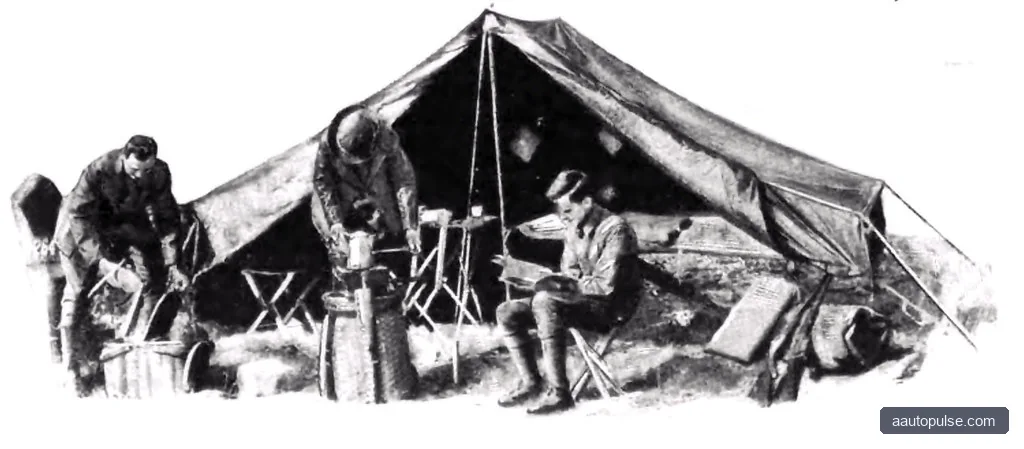
Some of the best improvements to your camping experience cost very little. A better ground layer can reduce cold and dampness. A simple hanging organizer can keep small items from getting lost. A headlamp frees your hands and makes evening tasks easier.
These upgrades are not flashy, but they solve real problems. When your gear is easier to use, your whole trip feels smoother. That matters even more on family trips or weekend outings where time is limited.
Low-cost upgrades that often deliver strong value
- Ground tarp or footprint: helps protect the tent floor from moisture and wear.
- Sleeping pad or extra padding: improves sleep quality and insulation.
- Headlamp or lantern: makes cooking, packing, and night movement easier.
- Plastic bins and stuff sacks: keep gear organized and dry.
- Chair or seat pad: adds comfort around camp without much setup.
- Reflective cord or simple markers: helps with visibility and reduces trip hazards.
If your campsite feels chaotic, start with organization before buying more gear. Neat storage often solves more problems than extra equipment does. A calm, tidy setup can make the trip feel more relaxing right away.
Choose the right campsite and timing
Location affects comfort as much as gear does. A shaded site can stay cooler in summer, while a more protected spot may block wind and help you sleep better. Even small details, like level ground and nearby water access, can improve the trip.
Timing matters too. Avoiding peak dates can mean fewer crowds and a calmer experience. Weekdays, shoulder seasons, and less busy campgrounds often offer a better feel without changing your budget much.
What to look for when selecting a campsite
- Level ground: helps sleeping gear work better.
- Drainage: avoids puddles if it rains.
- Wind protection: can make evenings more comfortable.
- Shade or sun balance: helps manage heat and morning wake-up time.
- Distance from noise: supports better rest.
If you are using a reservation system, review campground maps and recent comments when available. Current conditions can change, so it is smart to verify access rules, fire restrictions, and water availability before you go.
Use planning habits that prevent wasted money
Many budget problems happen before the trip even starts. Forgetting a stove connector, buying duplicates, or packing the wrong clothing can force costly last-minute purchases. A short checklist can prevent most of these issues.
Another smart habit is to test your setup at home. Pitch the tent, check that the stove works, and make sure every major item is complete. It is far cheaper to discover a missing piece in your driveway than at a campsite store.
Simple pre-trip checklist
- Check shelter, stakes, and guylines.
- Test lights and pack backup power if needed.
- Review weather and pack layers for the forecast.
- Confirm food, water, and cooking items.
- Pack trash bags, wipes, and basic cleanup supplies.
- Look over the route, campground rules, and any permit needs.
| Common Problem | Likely Cause | Quick Fix | Prevention |
|---|---|---|---|
| Poor sleep | Thin pad, cold ground, uneven site | Add insulation or move to flatter ground | Test your sleep setup before the trip |
| High food costs | Too many convenience buys | Stick to planned meals and snacks | Shop with a written list |
| Clutter at camp | No storage system | Use bins and labeled bags | Pack by category from the start |
Know when to spend a little more
Budget camping does not mean choosing the cheapest version of everything. Some items are worth spending a bit more on because they affect safety, sleep, or durability. If a low-cost option is likely to fail quickly, it can cost more in the long run.
Spend more when it improves reliability, warmth, or dryness. Save money on accessories and extras that do not change the core experience. That balance gives you the best value over time.
Good places to invest a little more
- Sleeping gear: comfort and warmth matter every night.
- Shelter quality: wet gear can ruin a trip fast.
- Footwear and layers: dryness and comfort affect the whole day.
- Safety items: light, first aid basics, and weather protection.
Still, do not overbuy. A modest setup used well often performs better than a large collection of gear that is hard to manage. The goal is a camping experience that feels easy, not one that feels expensive.
FAQ
What is the easiest way to improve a camping experience on a tight budget?
Start with sleep comfort. A better sleeping pad, a dry campsite, and a simple insulation layer can improve rest more than almost any other low-cost change. Good sleep makes every other part of the trip easier.
Should I buy new gear or used gear?
Used gear is a good option for many items if you can inspect it first. It often works well for chairs, bins, cookware, and some clothing. For sleep and shelter items, check carefully for damage, leaks, mold, and missing parts.
How can I save the most money on camping food?
Plan meals ahead, use overlapping ingredients, and avoid buying convenience items at the campsite. Simple foods that travel well and store easily are usually the best value. Packing snacks from home also helps control costs.
What gear should I not skimp on?
Do not skimp on shelter, sleep insulation, and basic safety items. If these fail, the whole trip can become uncomfortable or unsafe. Save money elsewhere first.
How do I know if a campsite will be comfortable?
Look for level ground, drainage, wind protection, and a layout that matches your needs. If possible, review maps and current campground info before you go. Small site details often make a big difference in comfort.
Conclusion
Improving your camping experience on a budget comes down to planning, priorities, and a few smart upgrades. Focus on the basics first, simplify meals, choose your campsite carefully, and use gear that solves real problems. With those steps, you can enjoy a better trip without spending more than you need to.
Start with one change before your next outing, whether that is a better sleep setup, a tighter meal plan, or better camp organization. Small improvements add up fast and can make every camping trip feel more relaxed and rewarding.