

If you’re trying to sort out the kinds of car seats for a child in the back seat, this guide will help you choose the right one for your child’s age, size, and stage. Car seats are not one-size-fits-all. The best choice depends on how your child fits the seat, how your vehicle is set up, and what safety rules apply. Below, you’ll find a clear breakdown of each seat type, how it works, and how to pick the safest option for your family.
📖 Table of Contents
- What Are the Main Kinds of Car Seats?
- How to Choose Between the Kinds of Car Seats
- Rear-Facing vs. Forward-Facing: Why the Difference Matters
- When a Booster Seat Becomes the Right Choice
- How to Install and Use a Car Seat Safely
- What Safety Ratings and Testing Tell You
- Common Mistakes Parents Make With Car Seats
- FAQ About the Kinds of Car Seats
- Conclusion: Choose the Right Seat for the Right Stage
📌 Key Takeaways
- There are four main kinds of car seats: rear-facing, forward-facing, booster seats, and convertible or all-in-one seats.
- The safest seat is the one that fits your child’s height, weight, age, and your vehicle correctly.
- Rear-facing is the safest position for infants and toddlers until they outgrow the seat’s limits.
- Always check both the car seat manual and your vehicle owner’s manual before installing any seat.
What Are the Main Kinds of Car Seats?
Child passenger safety starts with knowing the basic seat types. The main kinds of car seats are designed to match a child’s growth, from newborn to older child. Each type has a different role, and using the wrong one can reduce protection in a crash.
Some seats are built for one stage only, while others can adapt as your child gets bigger. That flexibility can be useful, but the right fit matters more than the number of features.
1. Rear-Facing Car Seats
Rear-facing seats are for infants and young toddlers. They support the head, neck, and spine in a crash by spreading force across the back of the seat.
This is the safest position for very young children, especially because their bodies are still developing. Use the rear-facing mode until your child reaches the seat’s height or weight limit, not just until a birthday passes.
2. Forward-Facing Car Seats
Forward-facing seats are for children who have outgrown rear-facing limits. These seats use a harness to secure the child and help hold the body in place during a crash.
They are often used after the child has the right size and maturity for this stage. Even then, the harness should fit snugly, and the seat should be installed exactly as directed by the manufacturer.
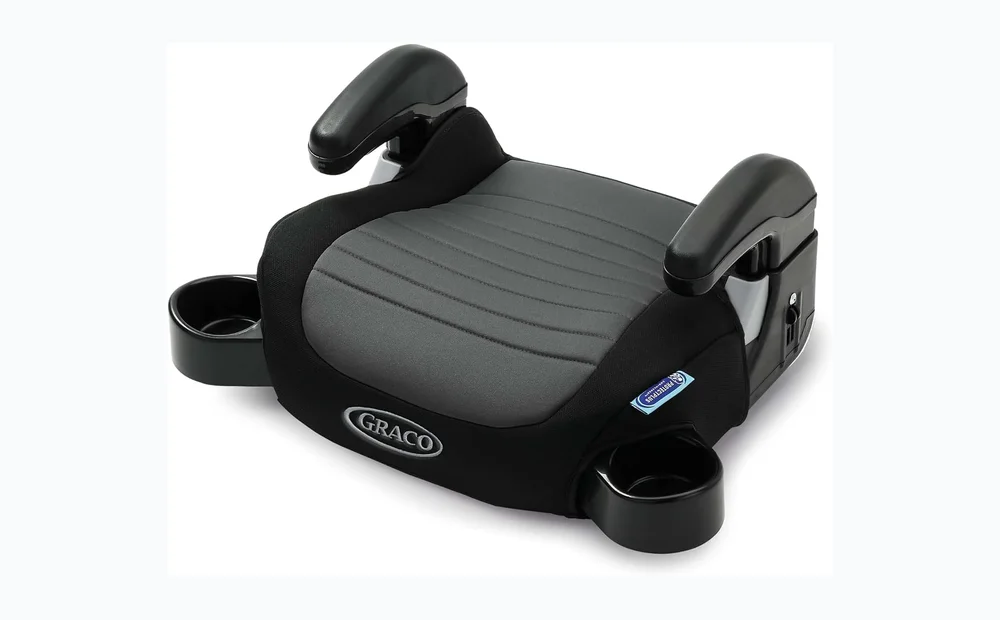
3. Booster Seats
Booster seats help older children fit the adult seat belt correctly. They raise the child so the lap and shoulder belts sit on the strongest parts of the body.
A booster is needed until a child is big enough for the seat belt to fit properly without it. In many vehicles, this means the belt should lie across the upper thighs and center of the shoulder, not the neck or stomach.
4. Convertible and All-in-One Seats
Convertible seats can move from rear-facing to forward-facing. All-in-one seats can usually do even more, often including booster mode as well.
These seats can be a practical choice for families who want one seat for multiple stages. Still, you must use each mode within the listed size limits and set up the seat the right way each time.
How to Choose Between the Kinds of Car Seats
The best seat is not always the most advanced one. It is the one that matches your child and your vehicle today.
Start with your child’s current age, weight, and height. Then compare that to the seat’s labeled limits. After that, check whether the seat fits well in your car and whether you can install it with confidence.
| Car Seat Type | Best For | Strengths | Limitations | Who Should Choose It |
|---|---|---|---|---|
| Rear-facing | Infants and young toddlers | Excellent head, neck, and spine support | Outgrown sooner than other seats | Parents of babies and small toddlers |
| Forward-facing | Children who outgrew rear-facing mode | Secure harness system | Not ideal before rear-facing limits are met | Families with toddlers ready for the next stage |
| Booster | Older kids who still need belt positioning help | Improves seat belt fit | No built-in harness protection | Parents of school-age children |
| Convertible / all-in-one | Families wanting multi-stage use | Can reduce seat switching | May be bulky and harder to install | Parents looking for long-term use |
Verdict: If your child is an infant or toddler, rear-facing is usually the right starting point. If your child has outgrown that stage, move to forward-facing only when the seat limits allow it. Booster seats are for older children who no longer need a harness but still need help fitting the seat belt. Convertible and all-in-one seats are best for families who want one seat that can grow with the child.
Rear-Facing vs. Forward-Facing: Why the Difference Matters
The biggest safety difference comes from how each seat handles crash forces. Rear-facing seats cradle the child’s body and help protect the neck and spine, which are especially vulnerable in young children.
Forward-facing seats use a harness to hold the child in place, but they do not offer the same support for an infant’s developing body. That is why moving a child too early can reduce protection.
As a rule, keep your child rear-facing as long as the car seat allows. When the child reaches the maximum rear-facing height or weight listed by the manufacturer, then it is time to switch.
When a Booster Seat Becomes the Right Choice
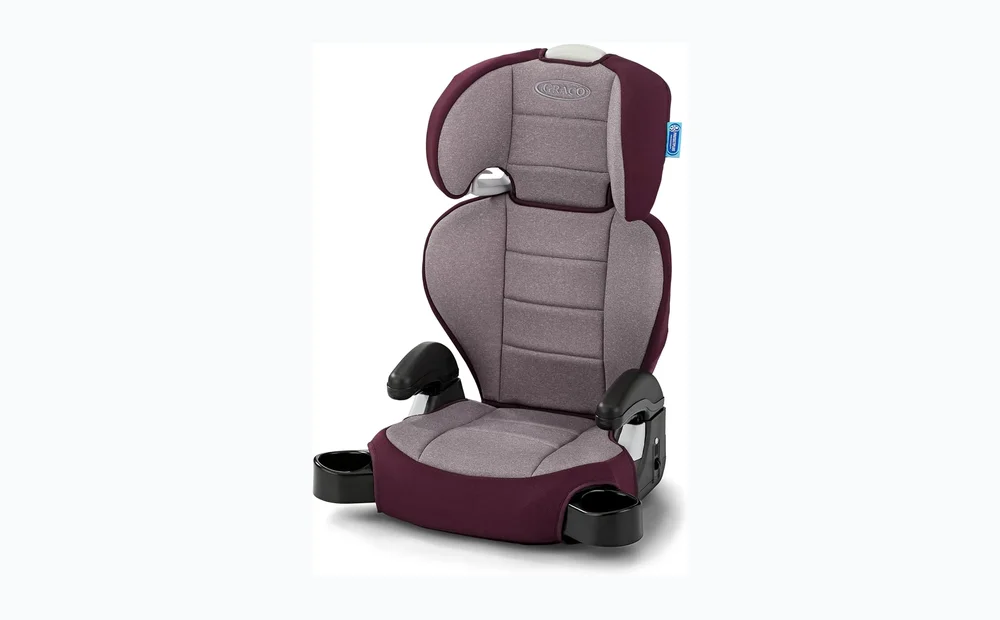
A booster is not a step to rush. It is the stage that helps a child use the vehicle seat belt safely after outgrowing a harnessed seat.
The goal is proper belt placement. The lap belt should sit low on the hips, and the shoulder belt should rest across the chest and shoulder, not the neck or face.
Signs Your Child May Be Ready for a Booster
- The child has outgrown the forward-facing harness by height or weight.
- The child can sit upright without leaning, slouching, or moving out of position.
- The lap-and-shoulder belt fits properly with the booster in place.
- The child can stay seated correctly for the whole ride.
Even after moving to a booster, some children are still not ready for the seat belt alone. Keep using the booster until the belt fits well without it in your vehicle.
How to Install and Use a Car Seat Safely
Correct installation matters as much as seat type. A well-designed seat can still protect poorly if it is installed wrong or used the wrong way.
- Read the car seat manual and the vehicle owner’s manual before installation.
- Choose the correct seating position, usually in the back seat.
- Secure the seat with either the lower anchors or the seat belt, following the manual.
- Check that the seat does not move too much at the belt path.
- Make sure the harness or belt is snug and positioned correctly on the child.
Some families use LATCH, while others use the seat belt. Both can be safe when used correctly, but do not use both unless the manuals specifically allow it.
If your vehicle has advanced safety features, such as rear seat reminders or child occupant detection, those can help. Still, they do not replace correct seat use or proper installation.
What Safety Ratings and Testing Tell You
Car seat shoppers often look at safety claims, but it helps to know what official evaluations mean. For vehicles, you may see NHTSA 5-star ratings and IIHS crashworthiness categories, which evaluate how well a vehicle performs in crash tests.
Those ratings are for the vehicle itself, not the child seat. Even so, they matter because a safe car seat also depends on a compatible vehicle and a secure installation.
When reviewing safety information, focus on the following:
- How the seat fits in your vehicle.
- Whether the seat is easy to install correctly.
- Whether your child fits within the seat’s labeled limits.
- Whether the vehicle’s back seat offers enough room for the seat type.
If you are comparing vehicles as part of your child safety plan, check current NHTSA and IIHS data for the exact model year. Ratings can change from one year to the next.
Common Mistakes Parents Make With Car Seats
Many car seat problems come from simple misuse, not from the seat itself. The good news is that most of these mistakes are easy to avoid once you know what to watch for.
| Mistake | Why It Matters | What to Do Instead |
|---|---|---|
| Switching to forward-facing too early | Can reduce protection for the head and neck | Keep rear-facing until the seat limit is reached |
| Loose harness straps | The child may move too much in a crash | Tighten until snug and follow the pinch test |
| Wrong seat belt path | Can weaken the installation | Use the exact belt path shown in the manual |
| Using a booster too early | Seat belt may fit poorly | Use a harnessed seat until the child is ready |
If you are ever unsure, a certified child passenger safety technician can help you check the install. That can be a smart step before long trips or after moving the seat to a different vehicle.
FAQ About the Kinds of Car Seats
What are the four main kinds of car seats?
The four main kinds of car seats are rear-facing seats, forward-facing seats, booster seats, and convertible or all-in-one seats. Each one serves a different stage of a child’s growth. The right choice depends on the child’s size and the seat’s labeled limits.
Can my child stay rear-facing longer than the minimum age?
Yes. In fact, many children should remain rear-facing as long as they fit within the seat’s rear-facing height and weight limits. That position offers strong protection for the head, neck, and spine.
When can my child use a booster seat?
A child can use a booster after outgrowing the forward-facing harness by size and when they can sit properly for the entire ride. The seat belt should fit across the upper thighs and shoulder. If it does not, the child still needs a booster.
Are convertible seats and all-in-one seats the same?
Not exactly. Convertible seats usually switch from rear-facing to forward-facing. All-in-one seats often add booster mode too. Both can be useful, but only if they fit your child and your car well.
Where is the safest place for a child car seat?
The back seat is generally the safest place for a child restraint system. The center rear seat is often preferred when it can be used correctly, but not every vehicle or seat setup allows that. Always follow the car seat and vehicle manuals.
Conclusion: Choose the Right Seat for the Right Stage
Understanding the kinds of car seats makes it easier to protect your child on every drive. Start with the right stage, follow the seat’s height and weight limits, and make sure the seat is installed correctly in your vehicle.
If you are unsure, verify the fit in your owner’s manuals and check current safety guidance before switching stages. The safest car seat is the one your child fits in today, installed the right way, and used every time.


