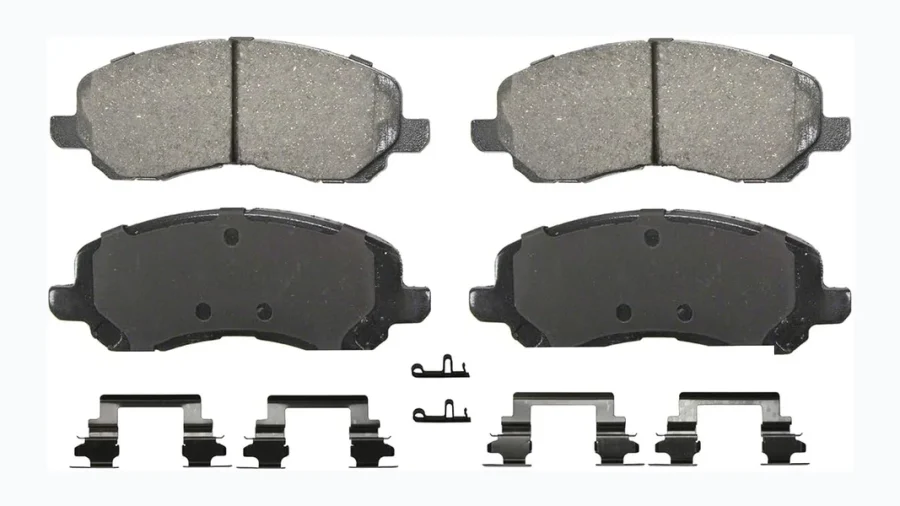
Brake pads and rotors wear at different rates and fail for different reasons. In short: brake pads usually need replacement sooner than rotors, but rotors often need attention when pads are worn, warped, or below the manufacturer’s minimum thickness. This guide explains typical timing, key inspection steps, what symptoms to watch for, and a clear comparison to help you decide whether to replace pads, rotors, or both.
📖 Table of Contents
- How often to replace brake pads vs rotors: general timing and why they differ
- Common signs that it’s time to replace pads, rotors, or both
- How to inspect brakes: step-by-step checks (ordered)
- Quick comparison: brake pads vs rotors
- Selection criteria, strengths, limitations, and who should choose what
- When to resurface rotors vs replace them
- Maintenance tips to extend pad and rotor life + troubleshooting
- FAQ
- Conclusion and next step
📌 Key Takeaways
- Brake pads usually wear faster—expect replacement sooner than rotors, but intervals vary with driving and materials.
- Replace rotors when they’re warped, scored deeply, or thinner than the manufacturer’s minimum; resurfacing is an option only if within spec.
- Inspect visually and by simple tests (noise, pedal feel, runout/pulse). When in doubt, follow the vehicle manual or have a pro measure rotor thickness.
- If pads are badly worn or contaminated, replace pads and evaluate rotors at the same time to avoid early rework.
How often to replace brake pads vs rotors: general timing and why they differ
Brake pads and rotors serve different roles: pads create friction against rotors to slow the car. Pads are sacrificial and wear by design. Rotors can last longer but degrade from heat, wear patterns, and damage. Expect pads to need replacement more frequently, while rotors are typically replaced less often—but timing depends on driving habits, pad material, and maintenance.
Common signs that it’s time to replace pads, rotors, or both
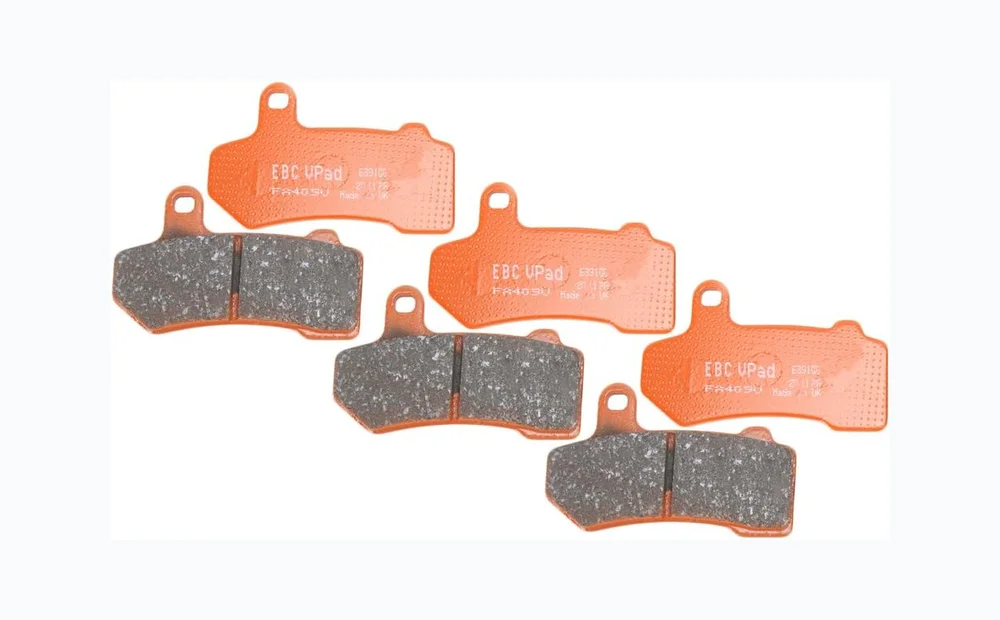
Look for clear, actionable symptoms. Some indicate pad wear, some rotor damage, and some both.
- Pad-only signs: Squealing or high-pitched noise (wear indicator), thin visible pad lining, or brake warning light.
- Rotor-only signs: Vibration or pulsing in the pedal or steering wheel under braking (warped rotor), deep scoring or grooves visible on the rotor face.
- Both: Longer stopping distances, brake grabbing, uneven pad wear, or grinding noises (metal-to-metal contact).
How to inspect brakes: step-by-step checks (ordered)
- Park on level ground, set parking brake, and remove the wheel to expose the brake assembly.
- Visually check pad thickness. If the friction material is thin (a few millimeters), plan to replace pads soon. Consult your owner’s manual for specific recommendations.
- Rotate the rotor and inspect the surface. Look for deep grooves, rust pits, or scoring that could indicate replacement.
- Push the brake pedal slowly while the wheel is off (chock wheels first) to observe caliper movement and even pad contact.
- Test drive at low speed and apply the brakes progressively to sense pulsing, noise, or reduced effectiveness.
- If available, measure rotor thickness with a micrometer and compare to the service manual minimum. If you don’t have tools or the spec, have a trusted shop measure it.
Caution: If you’re not comfortable lifting the car or removing wheels, have a professional inspect the brakes. Brake work affects safety.
Quick comparison: brake pads vs rotors
| Component | Typical wear pattern | Main replacement trigger |
|---|---|---|
| Brake pads | Even thinning of friction material; sometimes uneven when calipers stick | Pad thickness low, audible wear indicator, grinding noise |
| Rotors | Surface scoring, glazing, lateral runout (warping), decreased thickness | Vibration when braking, deep grooves, below minimum thickness |
Selection criteria, strengths, limitations, and who should choose what
Deciding whether to replace pads, rotors, or both depends on condition, cost, and goals. Below are the main factors to weigh.
Selection criteria
- Pad thickness and wear pattern.
- Rotor surface condition and measurable thickness.
- Brake performance: noise, pedal feel, vibration.
- Vehicle use: daily commuting, towing, or performance driving.
- Budget and willingness to pay for full rotor replacement vs. resurfacing.
Strengths and limitations
- Replacing pads only: Faster, cheaper short-term fix. Effective when rotors are within spec and undamaged. Limitation: new pads on worn rotors can lead to uneven wear and noise.
- Replacing rotors only: Useful when pads still have life but rotors are damaged. Limitation: often paired with pads to ensure proper bedding and longevity.
- Replacing both: Most reliable solution for restoring braking performance and avoiding rework. Higher upfront cost but reduces chance of repeat service.
- Resurfacing rotors: Cheaper than replacement if rotor thickness is sufficient and damage is minor. Limitation: reduces thickness and may only be possible once or twice.
Who should choose what
- Choose pads only if pads are worn but rotors are smooth, within thickness spec, and no vibration occurs.
- Choose rotors only if pads are relatively new and rotors show warping, deep scoring, or other damage that impairs braking.
- Choose both when pads and rotors show significant wear, when grinding has occurred, or when you want the most reliable restoration of braking feel.
When to resurface rotors vs replace them
Resurfacing turns can remove minor scoring and restore a flat contact surface. It’s acceptable only if the rotor remains above the manufacturer’s minimum thickness and the runout is correct. Replacement is necessary if resurfacing would make the rotor too thin, if heat cracking is present, or if the rotor is severely scored.
| Condition | Resurface | Replace |
|---|---|---|
| Minor scoring / light glazing | Yes, if thickness allows | No |
| Deep grooves, cracking, or heat spots | No | Yes |
| Below minimum thickness | No | Yes |
Maintenance tips to extend pad and rotor life + troubleshooting
Simple habits can slow wear and reduce the frequency of replacements.
- Avoid heavy braking when possible; use engine braking on descents.
- Keep brake fluid and calipers maintained; sticky calipers accelerate pad wear.
- Replace pads in axles as pairs (both front or both rear) to maintain balanced braking.
- Bedding new pads and rotors according to the pad manufacturer’s recommendations improves longevity and feel.
Use this troubleshooting table to decide next steps based on common problems:
| Symptom | Likely issue | Recommended action |
|---|---|---|
| Squeal at light braking | Pad wear indicator or glazed pads | Inspect pads; replace if thin or glazed |
| Grinding sound | Pad worn to backing plate; rotor damage | Replace pads and inspect/replace rotors |
| Pulsing pedal or steering vibration | Rotor runout/warping | Measure runout; resurface if within spec, otherwise replace |
| Uneven pad wear | Sticking caliper or guide pins | Service caliper and replace pads; inspect rotor |
FAQ
How long do brake pads and rotors last?
There is no single answer: pad life varies widely with material and driving from relatively short to very long. Rotors generally last longer but should be inspected periodically. Check your vehicle manual for manufacturer guidance.
Can I replace just the pads if the rotors are slightly scored?
Yes, if the rotors are within thickness specs and not warped. Slight surface scoring can sometimes be tolerated, but new pads on badly scored rotors may wear unevenly and cause noise.
Is resurfacing rotors a good idea?
Resurfacing is a cost-saving option for mild rotor damage when thickness and runout remain acceptable. It shortens rotor life and is not a fix for severe damage.
Will new pads reduce rotor vibration?
New pads alone rarely fix rotor vibration caused by runout or thickness variation. If the rotor is warped or uneven, resurfacing or replacement is usually needed.
Conclusion and next step
Brake pads typically need replacement before rotors, but rotors require attention when damaged or below spec. Start with a visual and functional inspection: check pad thickness, listen for noises, and test for vibration. If you find concern or lack the tools to measure rotor thickness and runout, schedule a brake inspection with a reputable shop. That inspection will give a clear, vehicle-specific recommendation on whether to replace pads, rotors, or both.