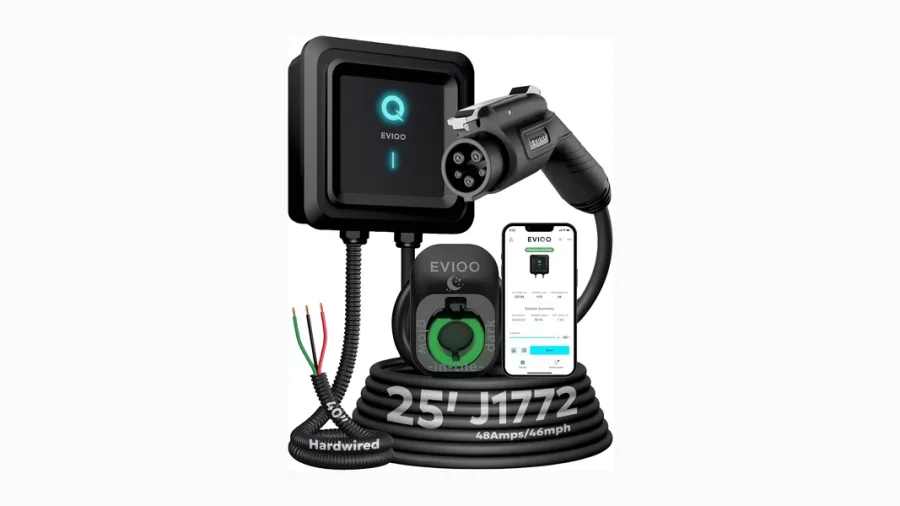
To install an EV charger at home, first choose the charging level, confirm your electrical panel has enough capacity, check permits and utility rules, and hire a licensed electrician for any new 240-volt circuit. Many drivers can use a standard 120-volt outlet, but a Level 2 charger offers faster, more practical daily charging. The main decision is whether your home, driving needs, and budget support a plug-in or hardwired Level 2 setup. This guide covers that choice, the installation process, key safety rules, and common problems to avoid.
📖 Table of Contents
📌 Key Takeaways
- A standard 120-volt outlet may work for light daily driving, while Level 2 charging is better for larger batteries and regular use.
- A licensed electrician should assess panel capacity, circuit size, grounding, permits, and current local code.
- Hardwired chargers often suit outdoor or permanent installations; plug-in units may offer easier replacement or relocation.
- Do not use an extension cord, an unverified adapter, or an overloaded shared circuit to charge an EV.
Choose the Right Type of Home EV Charging
Before planning electrical work, decide how much charging speed you actually need. Your daily mileage, parking time, vehicle limits, and existing electrical service matter more than choosing the highest available output.
| Option | Best for | Strengths | Limitations |
|---|---|---|---|
| Level 1 | Short commutes, plug-in hybrids, or overnight recovery of modest mileage | May use a suitable standard 120-volt household outlet; little or no new wiring may be needed | Slow charging; the outlet and circuit must still be safe and appropriate |
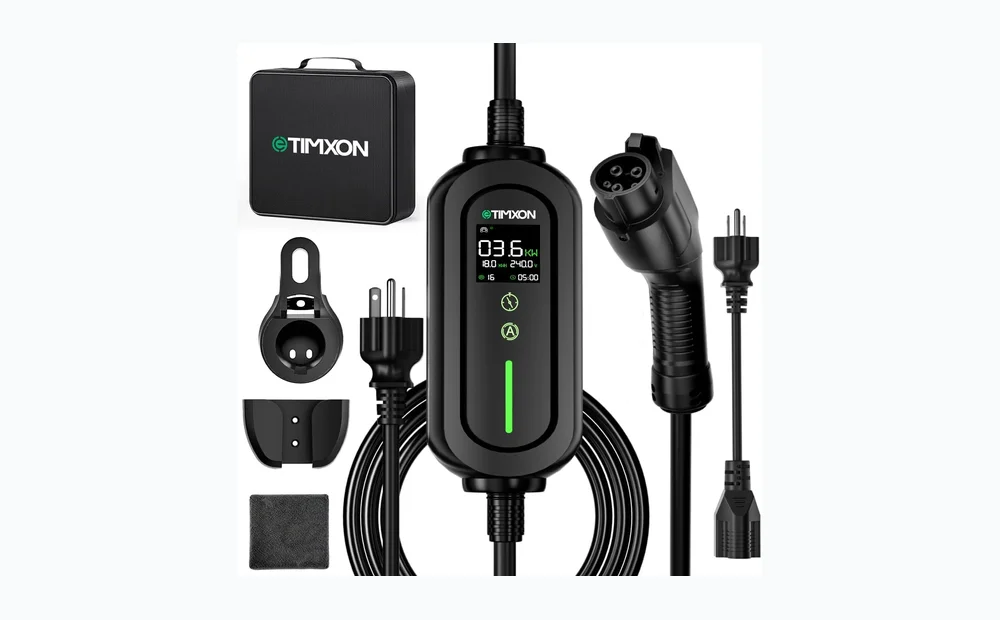
| Plug-in Level 2 | Drivers who want faster charging and the option to remove the unit | Convenient to replace or move when a compatible 240-volt receptacle is available | Requires the correct receptacle and circuit; local rules may add protection requirements |
| Hardwired Level 2 | Permanent, higher-use, or outdoor installations | Fewer connection points; often a clean choice for fixed installations | Moving or replacing it may require an electrician |
Who should choose what? Choose Level 1 if your daily driving is low and the vehicle can remain plugged in for long periods. Choose Level 2 if you need dependable overnight recovery after longer trips. A hardwired setup is often the practical choice outdoors, while a plug-in setup may suit a garage where flexibility is important.
Your vehicle sets a limit on how much AC power it can accept. Installing a more powerful circuit will not force the car to charge faster than its onboard equipment allows. Check the vehicle manual and the charger maker’s current installation instructions before selecting circuit capacity.
What to Check Before Installing an EV Charger
Electrical panel capacity
An electrician should perform a load calculation rather than judge the panel by its main breaker rating alone. Large household loads such as electric heating, air conditioning, a range, a dryer, or a water heater affect how much capacity remains.
If capacity is limited, the answer is not always a full service upgrade. A lower charging setting or an approved energy-management system may be possible. Whether those options are allowed depends on the equipment and local electrical authority.
Charger location and cable reach
Place the unit close enough for its cable to reach the vehicle’s charge port without stretching across a walkway. Think about how the car is parked now and whether a future vehicle might place its charge port elsewhere.
For outdoor use, select equipment listed and rated for the planned environment. The electrician should also protect wiring and equipment from water, impact, heat, and physical damage.
Permits, utility rules, and incentives
Many jurisdictions require an electrical permit and inspection for a new EV charging circuit. Permit rules, adopted electrical codes, and utility requirements vary by city, county, and state, so verify them before work begins.
Your utility may offer a special EV rate, rebate, managed charging plan, or separate meter option. These programs can change and may require approved equipment or installation records. Confirm current terms directly with the utility or program administrator.
How to Install an EV Charger at Home Safely
Installing a 240-volt circuit is not a basic do-it-yourself task. Incorrect conductor sizing, grounding, breaker selection, or terminations can create shock and fire risks. Use these steps to plan and oversee the project, while leaving electrical work to a licensed professional.
- Review your driving and parking needs. Note average daily mileage, how long the car stays parked, the charge-port location, and whether charging will occur indoors or outside.
- Check the vehicle and charger instructions. Confirm the vehicle’s AC charging limit, connector compatibility, mounting clearances, environmental rating, and required circuit details.
- Request an electrical assessment. Ask a licensed electrician to inspect the service panel, grounding system, route to the parking space, and available capacity. The electrician should complete any required load calculation.
- Choose plug-in or hardwired installation. Match the connection type to the site, local code, charger instructions, and need for portability. Do not convert between plug-in and hardwired use unless the equipment maker permits it.
- Obtain permits and utility approval. The homeowner, contractor, or both may be responsible for permits. Check this before installation rather than assuming the electrician will handle every filing.
- Install a dedicated circuit. EV charging is treated as a continuous electrical load. The breaker, conductors, receptacle if used, disconnect requirements, and charging setting must be coordinated under the current locally adopted code.
- Mount and connect the charging equipment. The unit should be firmly supported and positioned to reduce cable strain and trip hazards. Outdoor connections and penetrations must be properly protected from weather.
- Inspect, test, and document the work. Complete any required inspection. Test charging at the approved setting, confirm that cables and connections do not show abnormal heat, and keep the permit, invoice, and equipment instructions.
Important Electrical and Fire Safety Rules

EV charging can place a substantial load on a circuit for several hours. That makes sound connections and correct circuit design vital. A dedicated branch circuit is generally used so other appliances do not compete for the same capacity.
- Do not use a household extension cord. It may not be designed for continuous EV charging and can add weak or exposed connection points.
- Do not use an adapter unless specifically approved. A plug that physically fits does not prove the circuit or adapter is safe for the charging load.
- Do not rely on an old receptacle without inspection. Loose contacts, damage, corrosion, or poor wiring can cause excess heat.
- Do not increase charging current on your own. The charging setting must stay within the capacity of the complete circuit and the equipment instructions.
- Protect the cable. Keep it away from moving garage doors, sharp edges, standing water, and vehicle tires.
- Use listed equipment. Look for certification by a recognized testing laboratory and verify that the unit is approved for its location and connection method.
The National Electrical Code provides broad requirements for EV charging, but the enforceable version is the one adopted in your area. Local amendments can affect receptacle protection, disconnects, mounting, and outdoor installations. Your electrician and local authority having jurisdiction should confirm current requirements.
Troubleshooting Common Home Charging Problems
| Problem | Possible cause | Safe next step |
|---|---|---|
| Charging will not start | Vehicle schedule, loose connector, charger fault, or loss of circuit power | Reseat the connector and check vehicle settings and status lights. Follow the manual before resetting equipment. |
| Breaker trips | Circuit fault, damaged equipment, incorrect setting, or installation issue | Stop charging. Do not repeatedly reset the breaker; contact the installer or a licensed electrician. |
| Charging is slower than expected | Vehicle limit, reduced charger setting, cold battery, shared power management, or scheduled charging | Check the vehicle display, charger settings, and manual. Confirm that the circuit setting matches the approved installation. |
| Plug, receptacle, or wall feels hot | Loose or worn connection, damaged receptacle, or excess resistance | Stop using the charger and have the connection inspected. Do not touch visibly damaged or discolored parts. |
| Outdoor unit reports a fault | Moisture, damaged cable, grounding issue, or equipment fault | Disconnect only as directed by the manufacturer and arrange qualified service. |
Slight warmth may occur during normal operation, but a hot plug, burning odor, buzzing, discoloration, or repeated shutdown is not something to ignore. Stop charging and have the system checked before using it again.
Frequently Asked Questions
Can I install an EV charger myself?
You may be able to mount certain equipment if local rules and the manufacturer allow it, but new circuits and hardwired connections should be handled by a licensed electrician. Permits and inspection may also be required.
Do I need to upgrade my electrical panel?
Not always. The answer depends on a formal load calculation, available breaker space, the desired charging rate, and local code. Lower-power charging or approved load management may avoid an upgrade in some homes.
Can I plug an EV into a regular wall outlet?
Many EVs support Level 1 charging from a suitable 120-volt outlet. The outlet should be grounded, in good condition, and on an appropriate circuit. Have an electrician inspect it if its age or wiring is uncertain.
Is a hardwired charger better than a plug-in charger?
Neither is best for every home. Hardwiring works well for a fixed or outdoor installation, while a plug-in charger is easier to remove. Code rules, environmental exposure, and circuit needs should guide the choice.
Can I install the charger far from the electrical panel?
Yes, but a longer route can require more wiring, conduit, trenching, or wall repair. Voltage drop and conductor sizing may also need attention. Ask for an estimate based on the actual route, not just straight-line distance.
Plan the Installation Before Buying Equipment
Learning how to install an EV charger at home starts with the site, not the charger. Confirm your vehicle’s needs, panel capacity, parking layout, local permit rules, and utility programs before choosing equipment.
Your next step is to gather the vehicle and charger requirements, take clear photos of the panel and parking area, and request an on-site assessment from a licensed electrician. A planned, permitted installation will provide safer and more dependable charging for years to come.