If your car feels bouncy, leans in turns, or makes clunks over bumps, the suspension may need attention. Good car suspension maintenance helps your tires stay planted, improves comfort, and can support safer handling. The basic idea is simple: inspect wear parts often, fix small issues early, and follow your owner’s manual for service intervals. In this guide, you’ll learn practical maintenance tips, warning signs to watch for, and the steps that can help you keep your ride smoother for longer.
📖 Table of Contents
- What Suspension Maintenance Does for Your Car
- Common Suspension Parts to Watch
- Car Suspension Maintenance Tips for a Smoother Ride
- Warning Signs You Should Not Ignore
- How Often Should You Inspect or Replace Suspension Parts?
- DIY Checks vs. Professional Inspection
- Simple Troubleshooting Steps Before You Book a Repair
- FAQ
- Conclusion
📌 Key Takeaways
- Suspension wear often shows up as bouncing, uneven tire wear, steering pull, or clunking noises.
- Simple checks like tire pressure, tire wear, and visible leaks can catch issues early.
- Many suspension parts last a long time, but shocks, struts, bushings, and ball joints should be inspected regularly.
- Always verify service intervals and torque specs in your owner’s manual, since they vary by vehicle.
What Suspension Maintenance Does for Your Car
Your suspension does more than soften bumps. It helps keep the tires in contact with the road, supports steering control, and reduces body roll in corners. When parts wear out, the car may still drive, but it can feel less stable and less predictable.
That is why car suspension maintenance matters. Small problems can affect braking distance, tire life, and comfort. The sooner you spot them, the easier and often cheaper they are to fix.
Common Suspension Parts to Watch
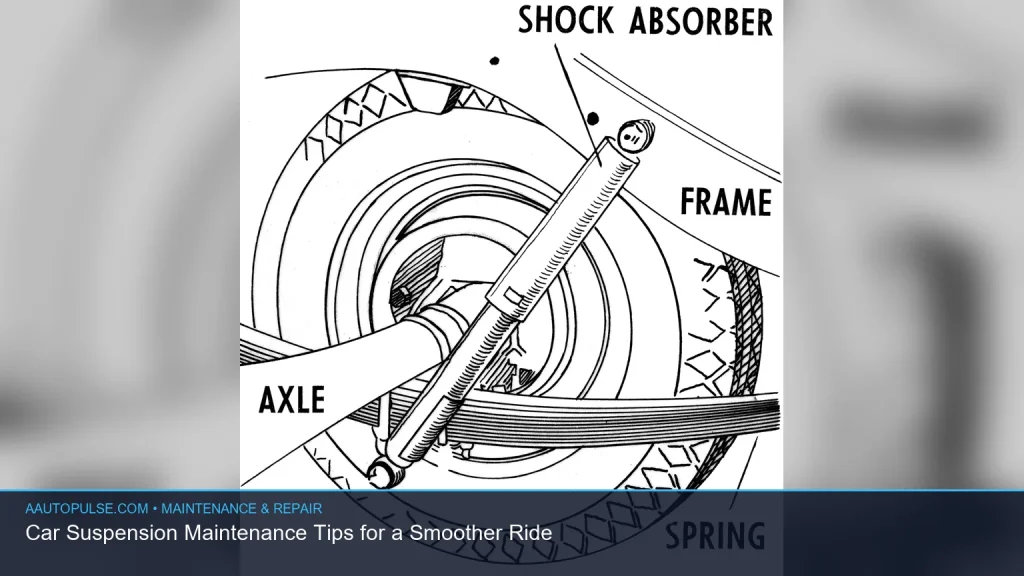
Most passenger cars use a mix of springs, shocks or struts, control arms, bushings, ball joints, sway bars, and tie-rod ends. Not every car has the same layout, so check your owner’s manual or service guide before assuming a part looks the same across vehicles.
Parts that often wear first
- Shocks and struts: Help control bounce and body movement.
- Bushings: Reduce vibration and allow joints to move smoothly.
- Ball joints: Support steering and suspension movement.
- Tie-rod ends: Affect steering response and alignment.
- Sway bar links and bushings: Help limit body roll in turns.
These parts do not all fail at the same mileage. Some may last well past 100,000 miles, while others wear sooner based on road conditions, climate, load, and driving style. If you drive rough roads often, inspect them more often.
Car Suspension Maintenance Tips for a Smoother Ride
Good car suspension maintenance is mostly about inspection, prevention, and timely repair. You do not need to tear the car apart to stay ahead of wear. Start with the basics below.
- Check tire pressure every month. Low or uneven tire pressure can mimic suspension problems and make the ride feel worse. Use the pressure listed on the driver-side door placard, not the number on the tire sidewall.
- Inspect tire wear patterns. Cupping, feathering, or inside-edge wear can point to worn shocks, bad alignment, or loose suspension parts. Uneven wear is one of the easiest clues to catch early.
- Look for fluid leaks near shocks or struts. If you see oily residue on a shock body, it may be failing. A leaking unit usually cannot control bounce well.
- Listen for new noises. Clunks, squeaks, or rattles over bumps may signal worn bushings, loose hardware, or failing links. Noise alone is not proof, but it is worth checking soon.
- Test for excessive bounce. Press down firmly on one corner of the car and release. If it keeps bouncing more than once or twice, the damping may be weak.
- Keep the undercarriage clean. Dirt, salt, and road grime can speed up wear and corrosion. This matters even more in snowy states where roads are salted in winter.
- Do wheel alignments when needed. If you hit a curb, replace steering or suspension parts, or notice the car pulling, alignment should be checked. Many shops also recommend checking alignment after major suspension work.
As a general rule, have suspension and steering components inspected at least once a year or around every 12,000 miles, whichever comes first. If you drive on rough roads, tow often, or carry heavy loads, shorter intervals make sense. Your owner’s manual should always have the final word.
Warning Signs You Should Not Ignore
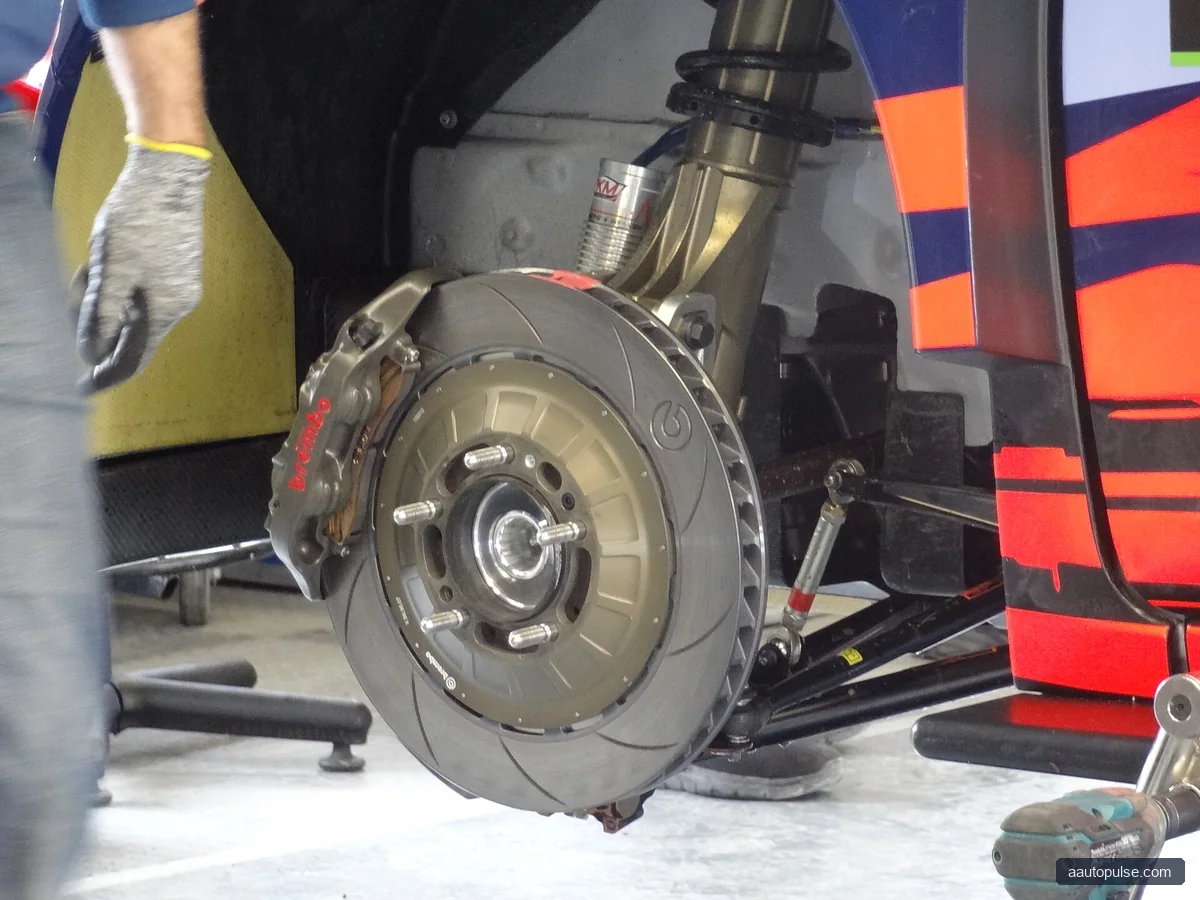
Some suspension symptoms are easy to dismiss at first. But if the ride quality changes, the car may be trying to tell you something important. Use this checklist to decide when to inspect sooner.
| Symptom | Possible Cause | What to Do |
|---|---|---|
| Bouncy ride | Worn shocks or struts | Inspect damping and leaks |
| Car pulls to one side | Alignment issue, tire issue, or worn parts | Check tires first, then alignment and suspension |
| Clunking over bumps | Loose sway bar links, bushings, or mounts | Have the front end inspected |
| Uneven tire wear | Alignment, worn components, or tire pressure issues | Check pressure, rotate tires, and inspect suspension |
| Nose dives when braking | Weak shocks or struts | Schedule a suspension check soon |
If you notice steering looseness, strong vibrations, or a loud knocking sound, do not wait too long. These can signal parts that affect control, not just comfort. If the car feels unsafe, reduce driving and get it checked promptly.
How Often Should You Inspect or Replace Suspension Parts?
There is no single mileage rule that fits every vehicle. Still, some common maintenance habits can help you stay ahead of problems. Many owners have shocks and struts inspected around 50,000 miles, then more often as the car ages, but the right interval depends on the vehicle and road use.
For daily use, a practical schedule looks like this: inspect tires and ride quality monthly, check suspension at each oil change, and do a more detailed inspection yearly. If your car has hit a major pothole, curb, or road hazard, inspect it sooner even if the mileage is low.
Also remember that suspension work can affect other systems. After replacing parts like struts, control arms, or tie rods, an alignment is often needed. Torque settings should also be checked against factory specs, since under- or over-tightening can cause noise or wear.
DIY Checks vs. Professional Inspection
Some suspension checks are easy to do at home. Others need tools, a lift, or a trained eye. A smart approach is to do simple visual checks yourself and leave deeper diagnosis to a shop when symptoms continue.
| Task | DIY-Friendly? | Best For |
|---|---|---|
| Tire pressure check | Yes | Monthly routine care |
| Visual leak and wear check | Yes | Quick inspection after washing the car |
| Bounce test | Yes | Spotting weak shocks or struts |
| Alignment check | No | After part replacement or pull |
| Ball joint and bushing diagnosis | Usually no | When noises or play are present |
Who should choose what? If your symptoms are mild, start with DIY checks and keep notes on what changed. If the car pulls hard, feels unstable, or makes repeated suspension noise, choose a professional inspection. That is the safest path when diagnosis is unclear.
Simple Troubleshooting Steps Before You Book a Repair
If the ride feels off, use a basic order of checks. This can help you avoid guesswork and may reveal a smaller issue before you spend on major repairs.
- Verify tire pressure at all four corners and adjust to the door placard.
- Inspect tires for uneven wear, bulges, or damage.
- Look under the car for fluid leaks, cracked bushings, or broken parts.
- Note when the symptom happens: bumps, braking, turning, or highway speeds.
- Check whether the issue started after a pothole, curb strike, or repair.
- Schedule an inspection if the symptom persists or worsens.
Keep in mind that more than one issue can exist at once. A worn shock can cause uneven tire wear, which can then make the car feel noisy or shaky. That is why good diagnosis matters as much as the repair itself.
FAQ
How do I know if my shocks or struts are worn out?
Common signs include a bouncy ride, nose-diving under braking, leaking fluid, and uneven tire wear. A car that keeps bouncing after a bump is another clue. If these symptoms show up, have the suspension inspected.
Can bad suspension affect fuel economy?
Yes, indirectly. Poor suspension can lead to bad alignment and uneven tire wear, which increases rolling resistance. It can also make the car less stable and less efficient to drive smoothly.
Should I replace suspension parts in pairs?
Often, yes. Replacing shocks or struts in pairs helps keep handling balanced from side to side. Your vehicle and the part in question may change the recommendation, so verify in the service manual or with a qualified technician.
Is alignment needed after suspension work?
Usually, yes. If a part that affects wheel angle or positioning is replaced, alignment should be checked. This helps prevent pulling, tire wear, and poor steering feel.
How often should I inspect suspension if I drive on rough roads?
More often than the standard yearly check. Rough roads, potholes, and heavy loads can speed up wear. A good rule is to inspect after any hard impact and at least during regular service visits.
Conclusion
Car suspension maintenance does not need to be complicated. Start with tire pressure, watch for leaks and uneven wear, and pay attention to changes in ride feel or steering. If symptoms grow or the car starts to feel unsafe, get it inspected before the problem gets worse. For the best results, follow your owner’s manual and use it as the final guide for service intervals and repair needs.