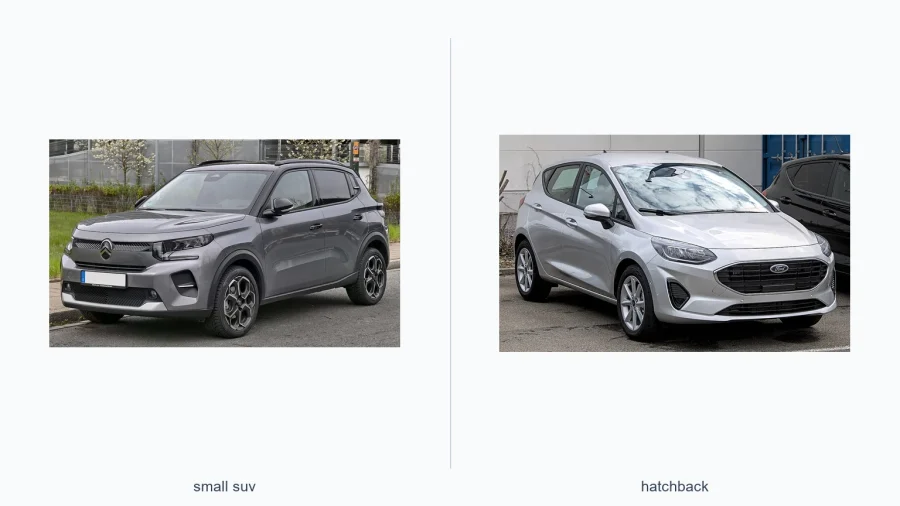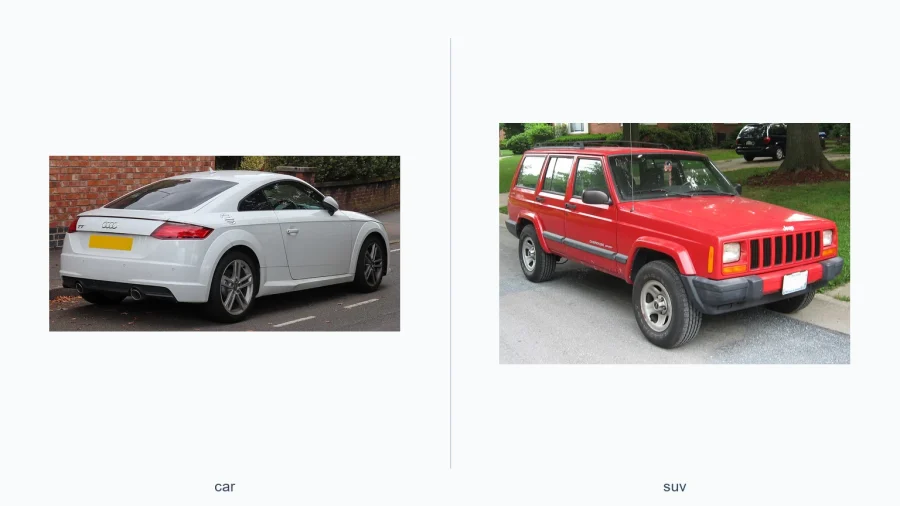
If you’re asking are SUVs safer than sedans, the short answer is: sometimes, but not always. SUVs often feel safer because of their taller ride height, heavier mass, and stronger presence in a crash with a smaller vehicle. But sedans can also be very safe, and real-world safety depends on crash structure, crash tests, driver behavior, and modern safety tech. If you’re choosing between them, the best answer is not “SUV or sedan” in the abstract. It’s which specific vehicle has strong crash ratings, good active safety features, and fits your needs without trading safety for size alone.
📖 Table of Contents
- What “safer” really means in an SUV vs. sedan comparison
- Why SUVs can feel safer on the road
- Where sedans can be just as safe, or safer in some cases
- Crash tests and safety ratings matter more than body style
- What SUV buyers and sedan buyers should weigh before deciding
- Best sedan for road trips: what matters most
- How to choose the safer vehicle for your family
- FAQ
- Conclusion
📌 Key Takeaways
- SUVs are not automatically safer than sedans. Safety depends on crash ratings, vehicle design, and safety tech.
- Heavier, taller vehicles can have an advantage in some crashes, especially in collisions with smaller vehicles.
- Sedans often handle better and can be safer in some situations, especially when equipped with strong crash protection and driver-assist systems.
- Check NHTSA and IIHS results, not just body style, before deciding what to buy.
What “safer” really means in an SUV vs. sedan comparison
When people ask is an SUV safer than a sedan, they usually mean crash protection. But safety also includes avoiding a crash in the first place. That means braking performance, visibility, handling, and driver-assist features matter too.
Two vehicles can look similar on paper and perform very differently in a crash. The safest choice is usually the one with strong results in standard testing, including NHTSA 5-star ratings and IIHS crashworthiness categories such as small overlap front, moderate overlap front, side, roof strength, and head restraint performance.
Why SUVs can feel safer on the road
SUVs have a few traits that make many drivers feel more protected. They sit higher, so drivers often see farther ahead in traffic. They also tend to weigh more than sedans, and that can help in some crash scenarios.
In a collision between two vehicles, the larger and heavier one often has an edge. That said, this does not mean every SUV is safer than every sedan. A poorly designed SUV with weak crash ratings can be less safe than a well-engineered sedan with excellent protection.
Common SUV safety advantages
- Higher seating position: Better road view for many drivers.
- More mass: Can help in certain two-vehicle crashes.
- Available safety tech: Many newer SUVs come with automatic emergency braking, lane keeping assist, and blind-spot monitoring.
- Practical family space: Easier child-seat loading and cargo flexibility can reduce daily stress.
Where sedans can be just as safe, or safer in some cases
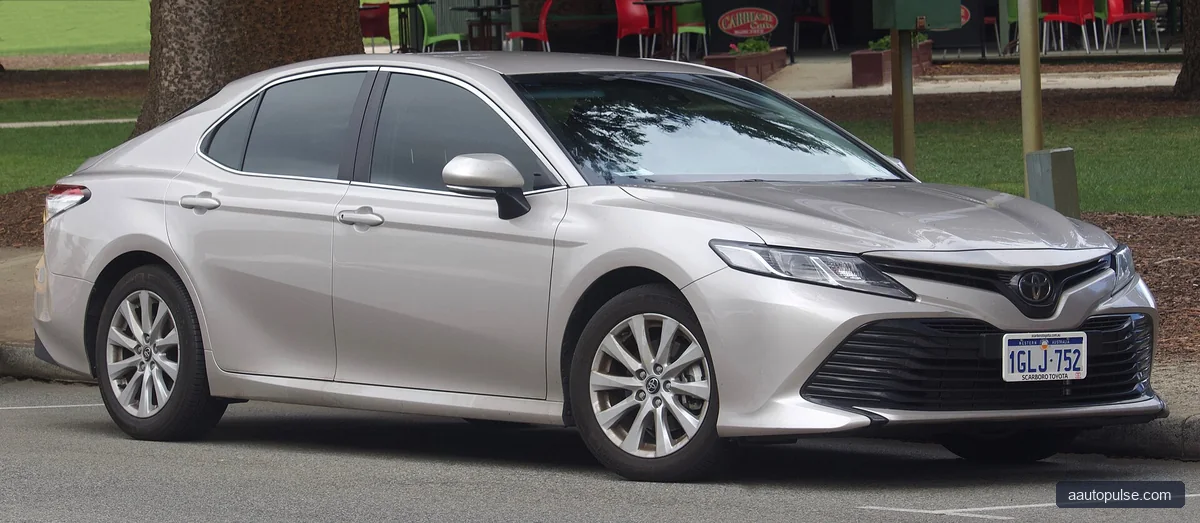
Sedans often have a lower center of gravity, which helps stability. That can reduce the chance of rollover, especially in emergency maneuvers. Many sedans also earn top marks in crash tests because manufacturers design them with strong occupant cabins and advanced restraint systems.
In some cases, a sedan with excellent crash ratings, standard driver-assist features, and a well-tuned chassis may be a smarter safety pick than a larger SUV with weaker results. So, the phrase are SUVs safer than sedans does not have a one-size-fits-all answer.
Common sedan safety advantages
- Lower rollover risk: Helpful for stability and control.
- Often strong crash performance: Many sedans perform very well in IIHS and NHTSA testing.
- Usually easier handling: Lower weight and lower height can help with cornering and emergency avoidance.
- Better efficiency: While not a direct safety feature, fewer fuel stops can be convenient for long trips.
Crash tests and safety ratings matter more than body style
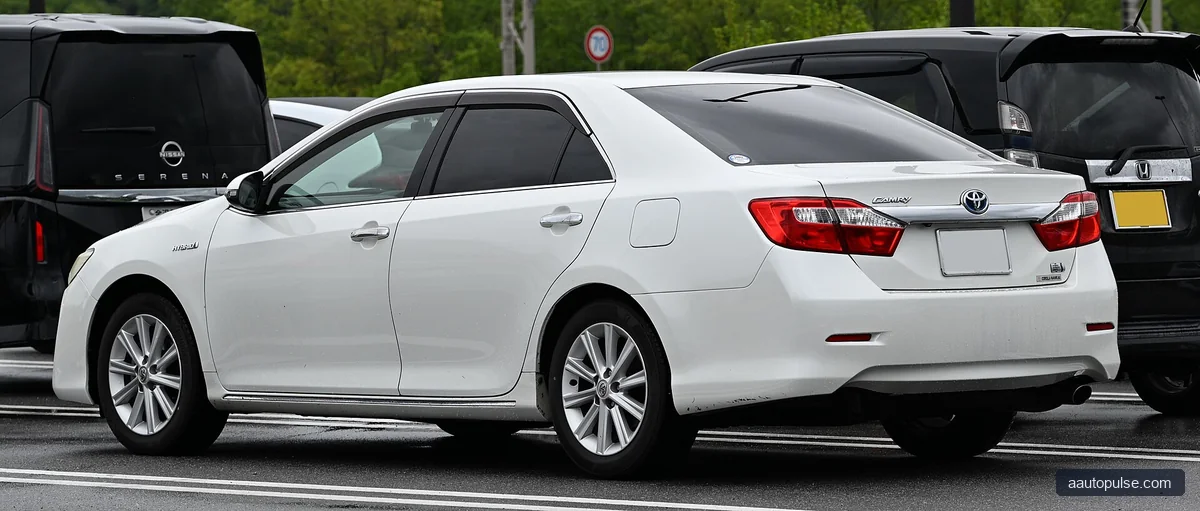
If you want a real answer, start with test data. NHTSA gives overall vehicle safety ratings on a 5-star scale, and IIHS evaluates crash protection in specific scenarios. A vehicle that scores well in these tests has shown better performance in controlled safety evaluations.
Look for strong results in the most demanding categories. For IIHS, that includes small overlap front crash tests, side impact protection, headlights, and the effectiveness of front crash prevention systems. For NHTSA, check frontal crash, side crash, and rollover ratings.
| Selection Criteria | Why It Matters | What to Look For |
|---|---|---|
| Crash ratings | Shows how the vehicle performs in standardized tests | NHTSA 5-star results, IIHS Top Safety Pick or strong crashworthiness scores |
| Active safety tech | Can help prevent a crash | Automatic emergency braking, lane-keep assist, blind-spot monitoring |
| Vehicle size and weight | Can affect crash energy and collision outcomes | Balanced size, not just the biggest option available |
| Rollover risk | Important for taller vehicles | Lower center of gravity, stability control, strong rollover score |
What SUV buyers and sedan buyers should weigh before deciding
Safety is not only about impact protection. It’s also about how you use the vehicle every day. A family with kids, frequent highway miles, or poor winter roads may value different things than a solo commuter.
That is why the best choice is personal. The safest vehicle is the one that is easy to drive, fits your routine, and reduces risk without creating new problems like poor visibility, oversize blind spots, or harder parking.
Who should choose an SUV?
- You want a higher driving position.
- You need more cargo space or easier child-seat access.
- You drive in snow, rain, or rougher road conditions and want a vehicle with available all-wheel drive.
- You are comparing specific models with strong safety ratings, not assuming all SUVs are safer.
Who should choose a sedan?
- You want stable handling and a lower rollover risk.
- You do a lot of highway driving and care about comfort and efficiency.
- You prefer a vehicle that is easy to park and maneuver.
- You want a strong safety performer and are willing to compare ratings carefully.
Best sedan for road trips: what matters most
If you are comparing long-distance comfort and safety, people often search for the best sedan for road trips. In that case, safety is only one piece of the puzzle. You also want supportive seats, calm highway manners, low cabin noise, good visibility, and useful driver-assist features.
For road trips, a sedan can be an excellent choice because it is often quiet, efficient, and easy to keep on course. A well-rated sedan with adaptive cruise control, lane centering, and strong headlights may feel less tiring on long drives than a larger vehicle that is harder to place in traffic.
Simple road-trip comparison
| Factor | SUV | Sedan |
|---|---|---|
| Crash protection | Often strong, but model-specific | Often strong, but model-specific |
| Visibility | Usually higher seating position | Lower, but often easier to place in traffic |
| Long-trip comfort | Good if seats and ride are tuned well | Often very good for highway cruising |
| Efficiency | Usually lower | Usually better |
How to choose the safer vehicle for your family
Use a simple process instead of relying on image or size. First, compare the exact models you are considering. Then check current NHTSA and IIHS results, because safety can vary from one trim to another.
Next, look at the standard safety equipment. Some features are only available on higher trims, so it helps to confirm that the version you plan to buy includes them. Finally, think about your daily use. A safe vehicle that is too large for your garage or too hard to park may not be the right fit.
- Check the vehicle’s NHTSA and IIHS ratings.
- Confirm standard safety tech on the trim you want.
- Review visibility, seating position, and blind spots.
- Compare rollover risk and stability control performance.
- Choose the body style that fits your real driving needs, not just your impression of safety.
Strengths, limitations, and final verdict
| Body Style | Strengths | Limitations | Who Should Choose What |
|---|---|---|---|
| SUV | Higher seating, more cargo room, can feel more commanding | Can have more blind spots, higher rollover risk, often lower efficiency | Best for drivers who want space and height and are comparing strong-rated models |
| Sedan | Stable handling, lower rollover risk, often efficient and easy to drive | Less cargo flexibility, lower seating position | Best for drivers who value control, comfort, and a strong safety record |
FAQ
Are SUVs safer than sedans in a crash?
Sometimes, but not always. SUVs may have an advantage in a collision with a smaller vehicle because of their size and weight. But a sedan with stronger crash ratings and better safety engineering can be equally safe or safer in many situations.
Is an SUV safer than a sedan for families?
Not automatically. For families, the safest choice is the vehicle with the best crash ratings, strong rear-seat protection, useful child-seat access, and standard driver-assist features. That can be either an SUV or a sedan.
What safety ratings should I check before buying?
Look at NHTSA 5-star ratings and IIHS crashworthiness results. Also check whether the vehicle has strong headlights, front crash prevention, and good results in side and small overlap tests.
Is a sedan or SUV better for long road trips?
Either can work well. If you want the best sedan for road trips, focus on seats, cabin quiet, adaptive cruise control, and lane-centering features. If you need cargo room and a higher seat, a well-rated SUV may be the better fit.
Should I buy the bigger vehicle for safety?
Not by default. Bigger can help in some crashes, but it can also bring more blind spots, more weight, and less efficiency. A well-rated vehicle that fits your needs is usually the smarter safety choice.
Conclusion
So, are SUVs safer than sedans? The honest answer is that it depends on the exact model, its crash-test results, and how you drive. SUVs can offer a size advantage and a higher seating position, while sedans often deliver excellent crash protection, better stability, and easier handling.
Before you choose, compare NHTSA and IIHS ratings, check the standard safety tech, and think about your real-world needs. The safest vehicle for you is the one that protects well, fits your routine, and makes safe driving easier every day.