If you need a check engine light reset, the right move is usually to fix the problem first, then clear the code the proper way. In many cases, the light will turn off on its own after a few drive cycles once the fault is repaired. If it does not, you can reset it with an OBD-II scanner or, in some vehicles, by disconnecting the battery—but that is not always the best choice. This guide shows the safe steps, what to avoid, and when the light means you should stop driving and get help.
📖 Table of Contents
📌 Key Takeaways
- Do not clear the check engine light until you know why it came on, or the issue may come right back.
- The safest way to clear check engine light codes is with an OBD-II scanner after a repair or confirmed false alarm.
- If the light is flashing, or the car runs rough, stop driving and diagnose the problem first.
- Some vehicles need a few drive cycles before the light stays off, even after the repair is complete.
What the check engine light really means
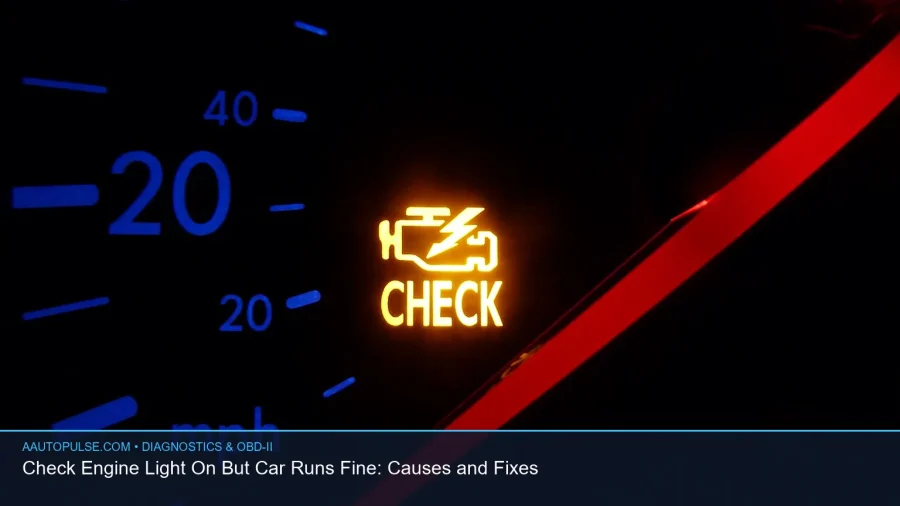
The check engine light is part of your vehicle’s onboard diagnostics system, also called OBD-II. When the computer sees a fault in the engine, fuel, ignition, emissions, or related systems, it stores a code and turns on the light. That is why the search for how to erase check engine light is really a search for how to fix the cause and then clear the alert.
A steady light often points to a non-emergency issue such as a loose gas cap or a sensor problem. A flashing light is more urgent and can signal a misfire that may damage the catalytic converter. If you are trying to turn off engine light warnings, start by reading the code before you reset anything.
How to check engine light reset the right way
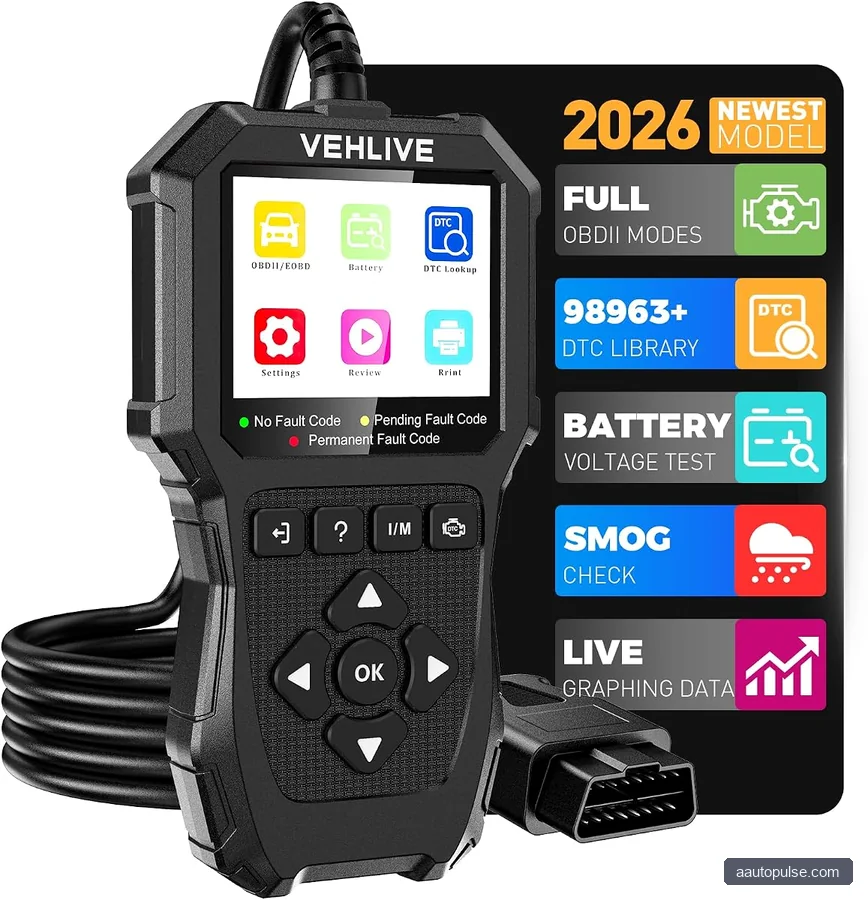
The best method depends on the cause. For a true repair, an OBD-II scan tool is the cleanest way to clear check engine light codes after the fault is fixed. A battery disconnect can sometimes remove the warning, but it also clears useful memory data and may not solve the root issue.
Step 1: Read the code
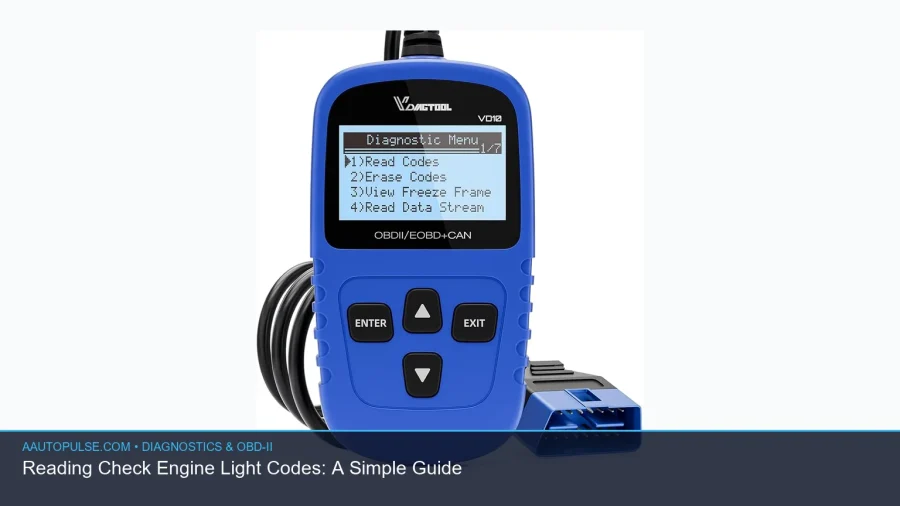
Plug in an OBD-II scanner under the dash and record the trouble code. Common examples include loose fuel cap codes, oxygen sensor faults, and misfire codes. If you do not have a scanner, many auto parts stores can read codes for you, but they may not diagnose the full problem.
Step 2: Repair the cause
Do not use a simple trick to turn off check engine light without fixing the issue. If the gas cap is loose, tighten or replace it. If there is a misfire, inspect spark plugs, ignition coils, and related wiring. If the light came on after recent work, check that connectors, hoses, and vacuum lines were reattached correctly.
Step 3: Clear the code with a scanner
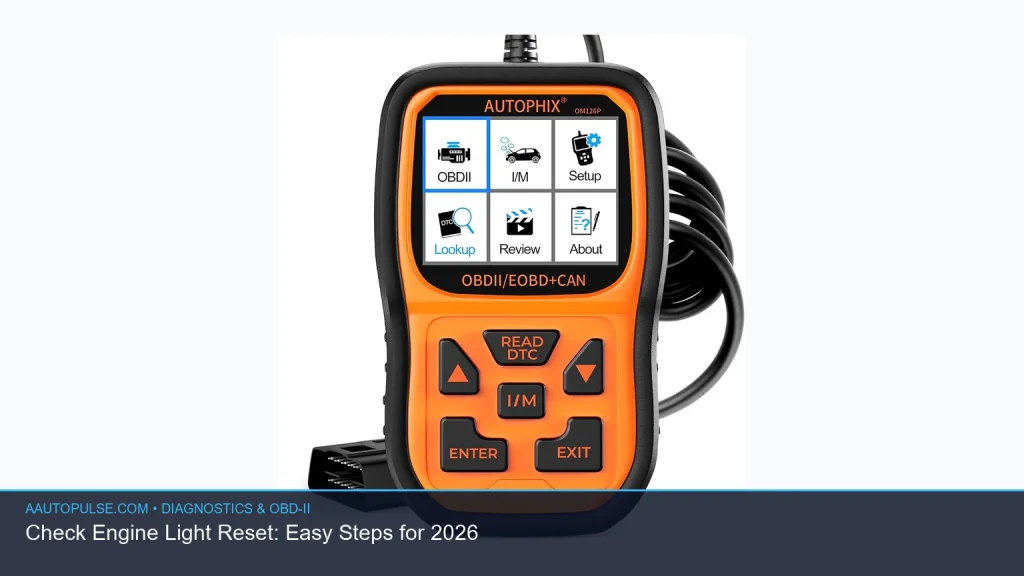
Once the repair is done, use the scan tool’s “clear” or “erase” function to reset the light. This is the most direct way to clear engine light warnings and reset readiness monitors. Keep in mind that emissions monitors may need to complete several trips before the system is fully ready for inspection.
Step 4: Drive and recheck
Take the vehicle for a normal drive that includes city and highway conditions. If the problem was solved, the light should stay off. If it returns, the original fault is still present or a second issue exists.
When a reset works, and when it does not
Not every warning needs the same fix. Sometimes you can turn off check engine light alerts after a simple repair. Other times, the light comes back because the root cause was never handled. That is why the safest approach is to use the code as a clue, not just a nuisance to remove.
| Situation | Best action | Can you reset now? |
|---|---|---|
| Loose gas cap | Tighten or replace cap, then drive | Yes, after confirming it was the cause |
| Steady light, no drivability issue | Scan, repair, then clear code | Yes, after repair |
| Flashing light | Stop driving and diagnose | No, not until fixed |
| Light returns after reset | Re-scan for active codes and pending codes | Not yet |
Common ways people try to clear the light
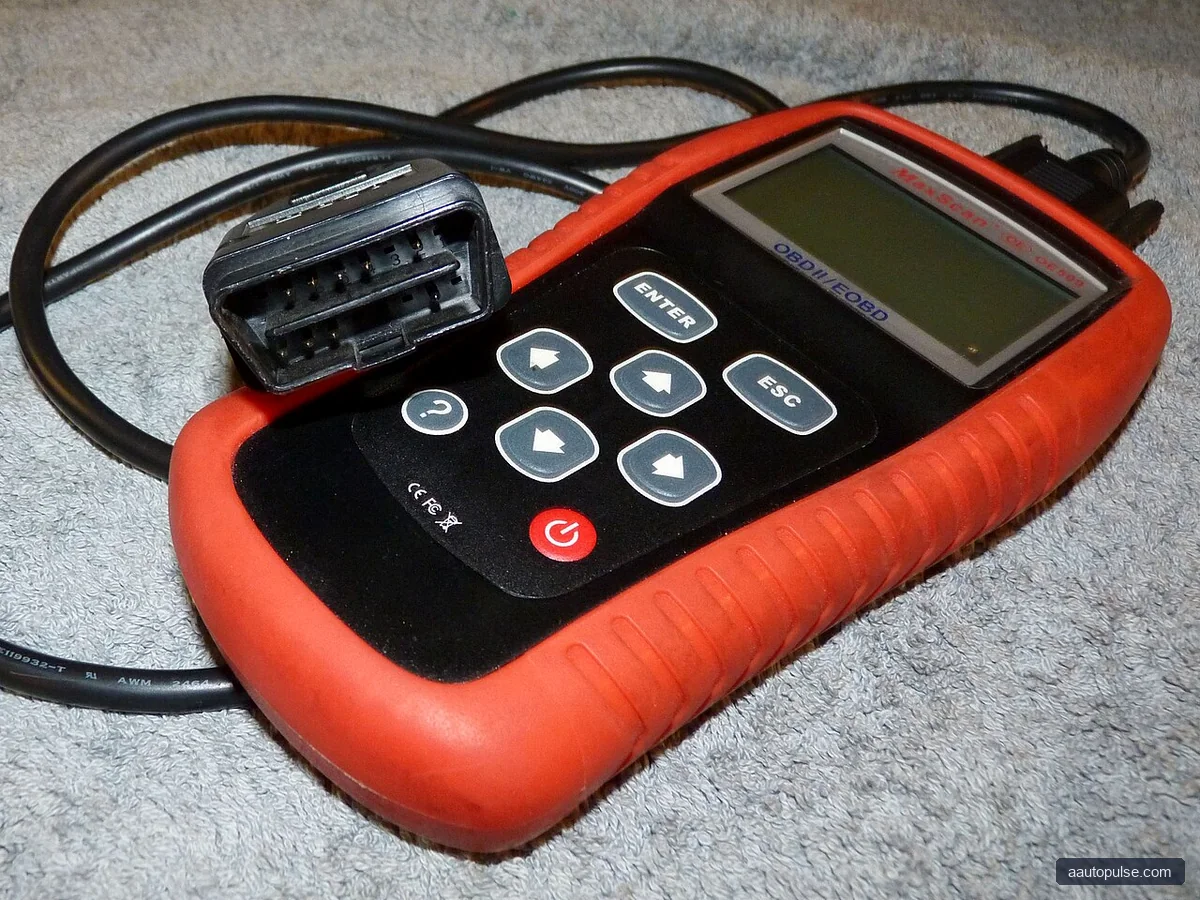
There are a few common methods people use when they want to clear check engine light warnings. Some are better than others. The right choice depends on whether you need a temporary reset, a proper repair confirmation, or a quick way to verify that the issue is gone.
| Method | Strengths | Limitations | Best for |
|---|---|---|---|
| OBD-II scanner | Clears codes cleanly, reads data, helps confirm repair | Requires tool access and basic know-how | Most drivers and DIY repairs |
| Battery disconnect | May reset some lights without a scanner | Can erase memory settings and does not show code history | Older vehicles or basic temporary reset needs |
| Waiting for drive cycles | No tools needed after repair | May take several trips and does not work if the fault remains | Minor issues that have already been fixed |
Who should choose what: if you want the most reliable way to clear engine light codes, use an OBD-II scanner. If you only need to see whether the light was caused by a loose cap or another simple fix, driving a few days after the repair may be enough. If you are tempted by a “how to shut off check engine light” shortcut, remember that shortcuts can hide a real problem.
Important cautions before you reset the light
Resetting the light can erase helpful diagnostic history, which makes future troubleshooting harder. It can also clear readiness monitors, which matters if you need an emissions test. If your state requires an inspection, a fresh reset may cause the car to fail until the monitors complete their self-checks.
Also watch for symptoms that suggest the problem is not minor. Rough idling, poor fuel economy, hesitation, smoke, fuel smell, or a flashing light all deserve a proper diagnosis. In those cases, the goal is not just to remove check engine light warnings but to protect the engine and emissions system.
Quick symptom checklist
- Steady light only, no drivability change
- Flashing light or repeated misfire
- Hard starting or long cranking
- Loss of power or poor acceleration
- Strong fuel smell or unusual exhaust odor
If you see more than one of these at once, do not rely on a simple “clear check engine light” step. Diagnose first, reset second.
How long it can take for the light to go off on its own
After a repair, some vehicles need several drive cycles before the computer confirms the issue is gone. A drive cycle usually means a mix of cold start, idle, city driving, and highway cruising. Depending on the fault and the vehicle, it may take one day or several days for the warning to disappear without a manual reset.
Vehicle systems vary, so always check the owner’s manual for your specific make and model. That is especially true if you are dealing with emissions monitors, service reminders, or a recent battery replacement. If the light stays on after a normal driving period, re-scan the vehicle to see whether the same code returned.
FAQ
How do I get check engine light off after fixing the problem?
The safest way is to use an OBD-II scanner to clear the code after the repair. If the issue is truly fixed, the light should stay off after a drive cycle or two. If it comes back, the fault is still active or there is another related problem.
Is there a simple trick to turn off check engine light?
There is no reliable trick that replaces proper diagnosis. A loose gas cap is one of the few simple causes that may be fixed quickly, but most warnings need a code check and repair. Any shortcut that only hides the light can delay a real fix.
Can I just disconnect the battery to remove the check engine light?
Sometimes, but it is not the best method. Battery disconnect may wipe stored settings and can make diagnosis harder later. It may also fail to solve the cause, so the light can return once the system runs its checks again.
Why did the light come back after I cleared it?
If the code returns, the vehicle still sees the same problem. That could mean the repair was incomplete, a part is failing intermittently, or there is another code that was not addressed. Re-scan for both active and pending codes before doing another reset.
Will clearing the check engine light pass inspection?
Not always. Many inspection systems check readiness monitors, not just whether the dash light is off. If you recently reset the code, the car may need more driving before it is ready for testing. Check local rules and your owner’s manual before heading to an emissions inspection.
Conclusion
A proper check engine light reset starts with the cause, not the warning. Read the code, fix the problem, then clear it with a scanner or allow the vehicle to confirm the repair through normal driving. If the light is flashing, the engine runs poorly, or the code keeps returning, stop chasing shortcuts and diagnose the fault fully. That is the safest way to turn off engine light alerts and keep the vehicle running well.