If you want to drive with more ease, more safety, and less guesswork, it helps to know which car features actually matter. Today’s vehicles offer everything from basic driver aids to smart tech that can make daily commuting simpler and road trips less tiring. In this guide, we’ll break down the most useful car features, explain what they do, and help you understand which ones are worth your attention. Whether you are buying soon or just want to get more from your current car, this overview will help you make smarter choices.
📖 Table of Contents
- Why car features matter more than ever
- Core car features that improve everyday driving
- Smart car features that make driving easier
- Safety-focused car features worth prioritizing
- How to choose the right car features for your needs
- Features that sound useful but may not be priorities
- Common questions about car features
- Conclusion
📌 Key Takeaways
- Not all car features add the same value; the best ones improve safety, comfort, and driver awareness.
- Advanced driver-assist systems can help, but they do not replace careful driving or full attention.
- Smart connectivity, visibility tools, and parking aids can make daily driving easier in real-world situations.
- When choosing features, focus on your commute, weather, parking needs, and how long you plan to keep the vehicle.
Why car features matter more than ever
Modern vehicles are packed with technology, but more features do not always mean a better car. The best car features are the ones that fit your driving habits and reduce stress behind the wheel. A feature that helps in stop-and-go traffic may be far more useful than one that only sounds impressive on a spec sheet.
For many US drivers, the most valuable features are the ones that improve safety, convenience, and comfort at the same time. That might mean a rearview camera for tight parking, blind-spot monitoring for busy highways, or adaptive cruise control for long trips. The goal is not to collect the most options. It is to choose tools that make driving simpler and safer.
Core car features that improve everyday driving

Some features have become essential because they solve common driving problems. These are the car features most drivers should understand first.
1. Backup camera
A backup camera gives you a clear view behind the car when reversing. It is especially useful in crowded parking lots, driveways, and neighborhoods with children or pets. Many drivers now treat it as a must-have because it improves awareness in a low-speed area where mistakes still happen often.
2. Blind-spot monitoring
This system alerts you when another vehicle is in the lane next to you. It can be helpful during lane changes on highways and in heavy traffic. It does not remove the need to check mirrors and look over your shoulder, but it adds another layer of warning.
3. Lane departure warning
Lane departure warning tells you when the car starts to drift out of its lane without a turn signal. This can help reduce unintentional lane drifting caused by fatigue, distraction, or long drives. On some vehicles, lane keeping assist can also provide gentle steering input to help guide the car back.
4. Adaptive cruise control
Adaptive cruise control helps maintain a set speed, but it also adjusts following distance based on traffic ahead. That makes it useful for highway driving and longer trips. It can reduce fatigue, though drivers still need to stay alert and ready to brake.
5. Automatic emergency braking
This feature can detect a likely front-end collision and apply the brakes if the driver does not react fast enough. It is one of the most important modern safety tools because it may help reduce the number or severity of crashes in certain situations. If you are comparing vehicles, this is one of the car features worth prioritizing.
Smart car features that make driving easier
Convenience features may not prevent crashes, but they can make the driving experience much smoother. These are especially helpful if you spend a lot of time in your car or deal with daily parking and traffic hassles.
Infotainment with smartphone integration
Apple CarPlay and Android Auto let you connect your phone to the vehicle display. If your car lacks it, a wireless CarPlay adapter can add it. That makes it easier to use maps, calls, texts, and music with fewer distractions. For many drivers, this is one of the most practical tech upgrades because it keeps familiar apps within easy reach.
Keyless entry and push-button start
These features can make it easier to enter and start the vehicle without reaching for a traditional key. They are convenient in bad weather, when your hands are full, or when you are moving quickly. Still, it is wise to understand the security settings and theft-prevention features that come with the system.
Remote start
Remote start can be useful in hot or cold weather because it lets the cabin begin warming or cooling before you get in. That may improve comfort and can also help with windshield clearing. It is a convenience feature, not a necessity, but many drivers appreciate it during seasonal extremes.
Wireless charging and extra USB ports
These are small features, but they can make a big difference on busy days. A charged phone is useful for maps, emergencies, and communication. If you often travel with passengers, multiple charging options can keep everyone happier.
| Feature | Best For | Main Strength | Limitation |
|---|---|---|---|
| Backup camera | City drivers, tight parking | Improves rear visibility | Does not show everything behind the vehicle |
| Blind-spot monitoring | Highway commuters | Adds lane-change awareness | Should not replace mirror checks |
| Adaptive cruise control | Frequent highway drivers | Reduces fatigue in traffic | Still requires active supervision |
| Smartphone integration | All drivers | Simplifies navigation and media | Depends on phone compatibility |
Safety-focused car features worth prioritizing
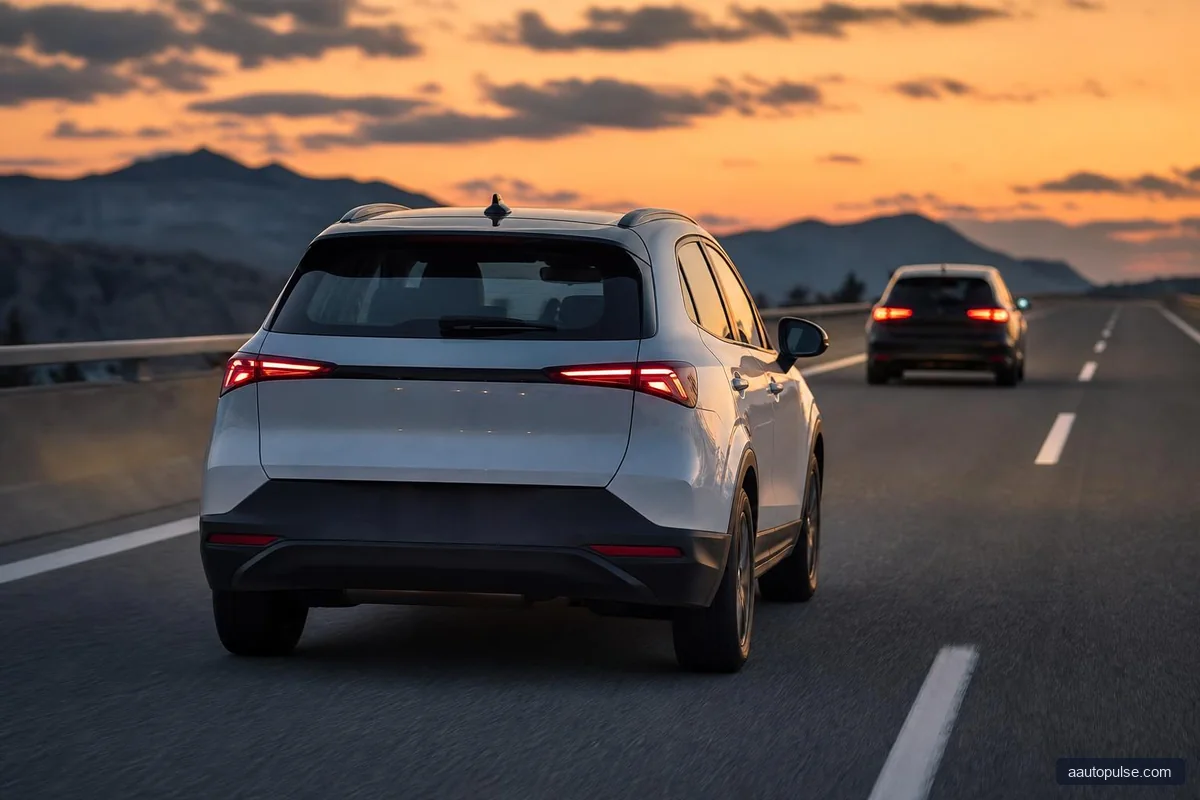
If safety is your top concern, focus on features that help you avoid a crash or reduce its severity. Standard crash test ratings can also help guide your search. In the US, the NHTSA 5-star ratings use a 5-star system, while the IIHS crashworthiness ratings cover categories such as crashworthiness and crash avoidance. Those ratings are useful because they give you a better sense of how a vehicle performs in real testing.
It is a good idea to look for vehicles that score well in both areas when possible. A strong safety package may include automatic emergency braking, lane-keeping support, blind-spot monitoring, and a rear seat reminder. For a closer look at one of these systems, read our guide to the blind spot monitoring system. These tools do not eliminate risk, but they can help you stay more aware in everyday driving.
How to use safety ratings when comparing vehicles
- Check the NHTSA star rating for overall safety performance.
- Review IIHS results for front crash prevention, side impact, and crashworthiness categories.
- Look at which safety features are standard, not just available on higher trims.
- Compare ratings for the exact model year you are considering, since results can change.
Always verify current test results before buying, since ratings and feature availability can vary by year and trim. A vehicle with strong safety tech is useful, but the details matter.
How to choose the right car features for your needs
The best choice depends on how, where, and how often you drive. A long-distance commuter needs different tools than someone who mostly drives in the city. Start by thinking about your most common driving problems, not just your wish list.
Use the steps below to narrow your options.
- List your top driving pain points. For example: parking, night driving, traffic, winter weather, or long highway trips.
- Match features to the problem. Parking issues may point to a backup camera and parking sensors. Highway stress may point to adaptive cruise control.
- Decide what is essential versus nice to have. Safety tools usually deserve priority over cosmetic or entertainment upgrades.
- Check trim-level availability. Some key car features may only appear on higher trims or in optional packages.
- Test the interface. A feature only helps if it is easy to use without confusion.
| Driving Need | Best Feature Match | Why It Helps |
|---|---|---|
| City parking | Backup camera, parking sensors | Makes close-quarter maneuvering easier |
| Highway commuting | Adaptive cruise control, blind-spot monitoring | Helps with lane changes and traffic flow |
| Bad weather | Heated mirrors, remote start, strong defogging system | Improves visibility and comfort |
| Family use | Rear seat reminders, extra USB ports, driver alerts | Supports convenience and safety for passengers |
Features that sound useful but may not be priorities
Some car features look impressive in ads but may not matter much in daily use. Large touchscreens, premium audio, ambient lighting, and animated displays can be appealing, but they should not come before core safety and visibility tools. If you are on a budget, it often makes sense to protect your money for the features you will use every day.
That does not mean these extras are bad. It only means they should be evaluated after the essentials. A simple, well-equipped vehicle can be a smarter choice than a more expensive one with flashy tech you rarely touch.
Selection criteria to keep in mind
- Usability: Is the feature easy to understand while driving?
- Frequency: Will you use it every week, or only once in a while?
- Safety value: Does it help prevent mistakes or reduce risk?
- Long-term value: Will it still be useful several years from now?
- Ownership fit: Does it match your commute, climate, and parking situation?
Who should choose what: If you drive mostly in cities, prioritize backup cameras, parking sensors, and smartphone integration. If you spend more time on highways, adaptive cruise control and blind-spot monitoring may be better choices. If you have a family, look closely at rear seat reminders, easy-to-use infotainment, and strong safety ratings. The right answer is the one that fits your routine, not the longest option list.
Common questions about car features
Are advanced driver-assist features the same as self-driving?
No. Driver-assist features can help with tasks like braking, lane keeping, or speed control, but they do not make the car fully autonomous. You still need to stay alert and in control at all times.
Which car features are most useful for new drivers?
Backup cameras, blind-spot monitoring, lane departure warning, and automatic emergency braking are especially helpful for newer drivers. These tools can support awareness and reduce stress during common driving situations.
Do I need every safety feature to stay protected?
No, but more helpful features can add layers of protection. A vehicle with strong crash test results and a few important driver aids may be a better choice than one with many convenience extras and weaker safety performance.
Should I pay extra for luxury tech or focus on safety?
For most drivers, safety and visibility features should come first. Comfort and entertainment upgrades can be nice, but they usually come after the essentials are covered.
Conclusion
The smartest way to think about car features is to focus on the problems they solve. Good features make driving safer, easier, and less tiring, especially when they match your real routine. Before you buy or upgrade, compare safety ratings, review the standard equipment, and think about how you drive every day. That approach will help you choose features that truly improve your time on the road.