If your ride feels bouncy, noisy, or unstable, the problem may be the struts on a vehicle. Struts are a core part of the suspension system, and worn ones can hurt comfort, braking, steering, and tire life. In this guide, you’ll learn what struts do, common failure signs, replacement costs, and how to decide whether your car needs new struts, shocks, or both. If you are comparing repair options, the safest move is to check your owner’s manual and have the suspension inspected before you buy parts.
📖 Table of Contents
📌 Key Takeaways
- Struts support the vehicle’s weight, help keep the tires planted, and affect steering, braking, and ride quality.
- Common bad strut signs include bouncing, clunking, uneven tire wear, nose dive under braking, and poor handling.
- Replacement cost depends on the vehicle design, labor time, and whether you replace one side or both sides together.
- Always verify the repair plan with a hands-on inspection, and use your owner’s manual for the correct service guidance.
What Struts Do on a Vehicle
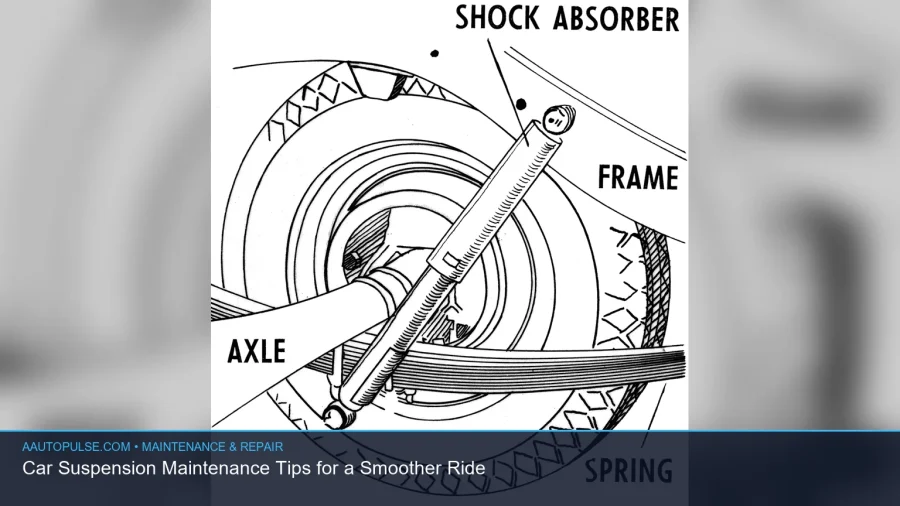
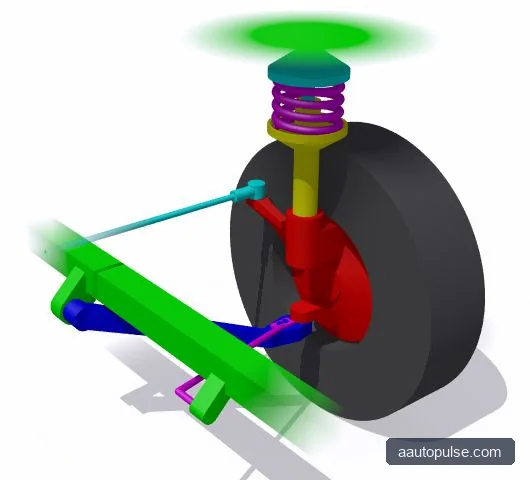
Struts are a major part of many front suspensions, and on some vehicles they are used in the rear as well. Unlike a simple automotive shock absorber, a strut is a structural part of the suspension that helps locate the wheel and support the chassis. That is why people often use the terms struts for cars and shocks together, even though they are not always the same part.
If you have ever wondered what do shocks do on a car, the short answer is that they control spring movement so the tires stay in contact with the road. Struts do that too, but they also play a bigger role in wheel alignment and suspension geometry. When struts wear out, the car may still move, but it may not handle, stop, or feel safe the way it should.
Struts vs. shocks in plain language
Think of suspension shocks and struts as cousins with different jobs. A shock absorber mainly controls bouncing, while a strut combines damping with structural support. Many sedans and compact SUVs use front struts and rear shocks, while some cars use struts at all four corners.
If your vehicle has a rear shock absorber instead of a rear strut, the replacement process and cost can be different. That is why it is important to confirm the exact suspension design before you buy parts or schedule a repair.
Symptoms of Worn Struts
Bad struts usually show clear warning signs. Some symptoms are mild at first, but they often get worse as the suspension continues to wear. A quick visual and road test can reveal a lot before you spend money on parts.
- Excess bouncing: The car keeps moving after hitting a bump instead of settling quickly.
- Clunking or knocking noises: Worn mounts, loose hardware, or internal wear can make noise over rough roads.
- Nose dive when braking: The front end dips more than normal during stops.
- Body roll in turns: The vehicle leans heavily in corners or feels less stable.
- Uneven tire wear: Cupping, scalloping, or patchy wear can point to suspension trouble.
- Steering problems: The wheel may feel loose, vague, or slow to respond.
- Fluid leakage: Oil on the strut body often means the seal has failed.
These symptoms do not always mean the struts are the only issue. Tires, ball joints, control arm bushings, wheel alignment, and even tire pressure can create similar complaints. A proper inspection should check the whole suspension, not just the visible part.
How to Tell If You Need Struts, Shocks, or Both
Some drivers search for vehicle shock absorber problems when the real issue is worn struts. The difference matters because the repair can involve different parts, different labor, and a different alignment need. The best decision starts with identifying where the noise or handling problem comes from.
| Issue | Likely Cause | Best Next Step |
|---|---|---|
| Front-end bounce, poor steering feel | Front struts | Inspect struts, mounts, and alignment |
| Rear bounce, tail sag, rough rear ride | Rear shock absorber | Check rear shocks and springs |
| Clunking over bumps | Mounts, links, bushings, or worn strut internals | Road test and inspect hardware |
| Uneven tire wear on one axle | Weak damping or alignment issue | Check tire wear, then align after repair |
Who should choose what: if the front of the car is loose, bouncy, or noisy, start with the front struts. If the rear feels floaty or unstable, inspect the rear shock absorber first. If both ends show wear or the vehicle has high mileage, replacing paired components on the same axle is often the cleaner choice.
Replacement Cost and What Affects It

Strut replacement cost varies widely because every vehicle is different. Labor time can be short on some cars and much longer on others, especially when the strut is part of a complex assembly. Since part prices and labor rates change by region, verify current pricing with a local shop or parts supplier.
Several factors affect the final bill: whether the car uses complete strut assemblies or separate components, whether mounts and bearings are replaced, and whether an alignment is needed after the repair. In many cases, an alignment is strongly recommended whenever suspension geometry changes.
Common cost drivers
- Vehicle design: Some suspension layouts are easier to service than others.
- Parts type: Full assemblies usually save labor, while component-only repairs may cost less in parts.
- Extra hardware: Mounts, boots, bump stops, and hardware can add to the job.
- Alignment: This is often needed after front strut replacement and sometimes after rear suspension work.
- Rust or corrosion: Older vehicles may take more labor to disassemble safely.
If you are pricing out suspension shocks or struts, ask for an estimate that separates parts, labor, and alignment. That makes it easier to compare repair options and avoid surprise charges. Because model-specific service needs vary, always confirm the exact procedure in the owner’s manual or service information for your vehicle.
How Strut Replacement Works
Strut replacement is not a simple bolt-on swap on every vehicle. On many cars, the strut must be removed carefully, compressed or replaced as a full assembly, and then reinstalled with proper torque. Because the strut affects steering and alignment, this repair should be done with caution.
- Confirm the problem: Inspect for leaks, worn mounts, uneven tire wear, and road-test symptoms.
- Identify the suspension type: Check whether the vehicle has struts, shocks, or both.
- Replace in pairs when needed: Most technicians replace left and right parts on the same axle together for balanced handling.
- Inspect related parts: Check spring seats, mounts, sway bar links, and bushings.
- Perform alignment: Front strut work usually calls for a wheel alignment afterward.
- Road test: Listen for noise, check steering feel, and confirm the car tracks straight.
Caution: Coil springs can store a lot of energy. Spring compression tools can be dangerous if used incorrectly. If you do not have the right tools and experience, this is a job best left to a qualified repair shop.
Maintenance Tips and When to Replace Struts
There is no single mileage rule for strut replacement. Some last much longer than others, depending on road quality, driving style, climate, and vehicle weight. A common approach is to inspect them regularly after the 60,000-mile mark and again at higher mileage, but the owner’s manual and actual condition should guide the final decision.
Watch for a pattern, not just one symptom. For example, a car that bounces, wears tires unevenly, and dives hard under braking is sending a stronger warning than a car with a single minor noise. If the vehicle still passes a basic bounce test but the tires are cupping, the problem may still be suspension-related even if the struts are not fully failed.
Simple inspection checklist
- Look for oil or wetness on the strut body.
- Check for cracked bushings or torn dust boots.
- Inspect tire wear for cupping or scalloping.
- Listen for clunks over bumps or driveways.
- Test for excessive bounce after a speed bump.
- Check whether the car pulls or wanders after repair or alignment changes.
It also helps to keep the rest of the vehicle in good shape. Proper tire pressure, regular rotations, and timely alignment checks reduce stress on the suspension. If your car is due for other maintenance, review the manufacturer’s schedule for items like fluids, filters, and brake service at the same time.
FAQ About Struts on a Vehicle
How long do struts usually last?
Strut life varies a lot by vehicle and driving conditions. Many drivers do not think about them until ride quality changes, but inspections often become more important as mileage climbs. The best answer is to follow the owner’s manual and have the suspension checked when symptoms appear.
Can I drive with bad struts?
You may still be able to drive, but it is not a good idea to ignore bad struts. Worn struts can reduce braking stability, hurt steering control, and increase tire wear. If the car feels unstable or bottoms out, get it checked soon.
Do struts always need to be replaced in pairs?
In many cases, yes. Replacing struts in pairs on the same axle helps keep the vehicle balanced from side to side. That said, the final decision depends on inspection results, mileage, and your repair plan.
What is the difference between a shock absorber and a strut?
A shock absorber mainly controls spring movement. A strut does that too, but it also supports the suspension structure and can affect wheel alignment. That is why strut replacement is often more involved than replacing a rear shock absorber.
Will new struts fix uneven tire wear?
They can help if worn struts caused the wear pattern, but they will not fix every tire issue. Alignment, tire pressure, rotation habits, and other suspension parts also matter. After replacement, an alignment is usually part of the repair plan.
Conclusion
The struts on a vehicle have a big impact on comfort, control, and safety. If you notice bouncing, clunking, uneven tire wear, or sloppy handling, do not ignore it. Start with a proper inspection, confirm whether you need struts, shocks, or both, and follow the vehicle maker’s service guidance before choosing parts or repairs.
Next, compare the symptoms to the checklist above, ask for a detailed estimate, and make sure alignment is included if needed. A careful repair now can help restore ride quality and protect your tires, brakes, and steering system later.