If your back brakes are making noise, feeling weak, or shaking when you stop, it may be time for service. The rear braking system works with the front brakes to slow and stabilize your vehicle, so ignoring warning signs can raise repair costs and safety risk. In many vehicles, rear pads or shoes wear more slowly than the front, but they still need regular checks. This guide explains the most common signs of worn back brakes, what replacement may cost, and when it is smart to act before the problem gets worse.
📖 Table of Contents
📌 Key Takeaways
- Back brakes can wear out from heat, rust, or normal use, even if the front brakes still look fine.
- Common warning signs include squealing, grinding, vibration, longer stopping distance, and a soft brake pedal.
- Many rear pads last around 30,000 to 70,000 miles, but your driving style and vehicle design matter more than any average.
- Replace back brakes before metal-on-metal wear, fluid leaks, or warped rotors create higher repair bills and safety concerns.
What Back Brakes Do and Why They Matter
Back brakes help slow your car and keep it stable when you stop. On many vehicles, the front brakes do more of the stopping because weight shifts forward during braking. Still, the rear brakes play an important role in balance, control, and even tire wear.
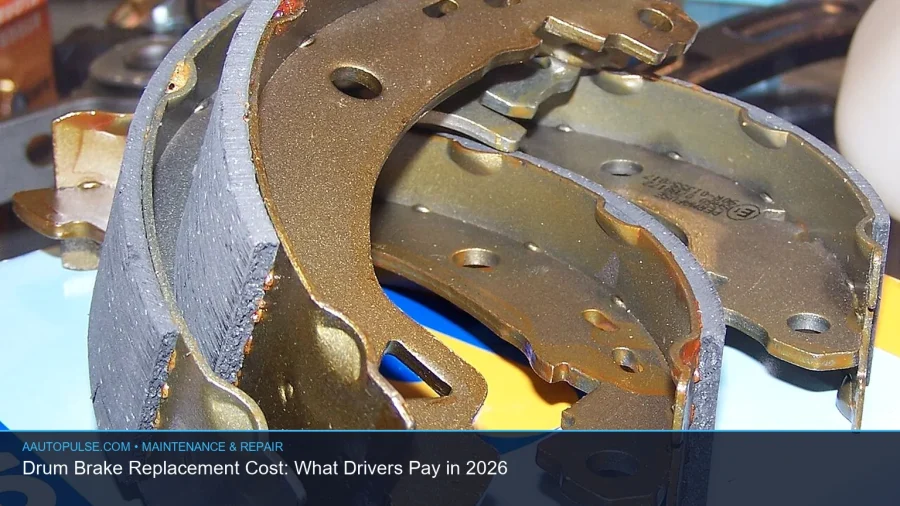
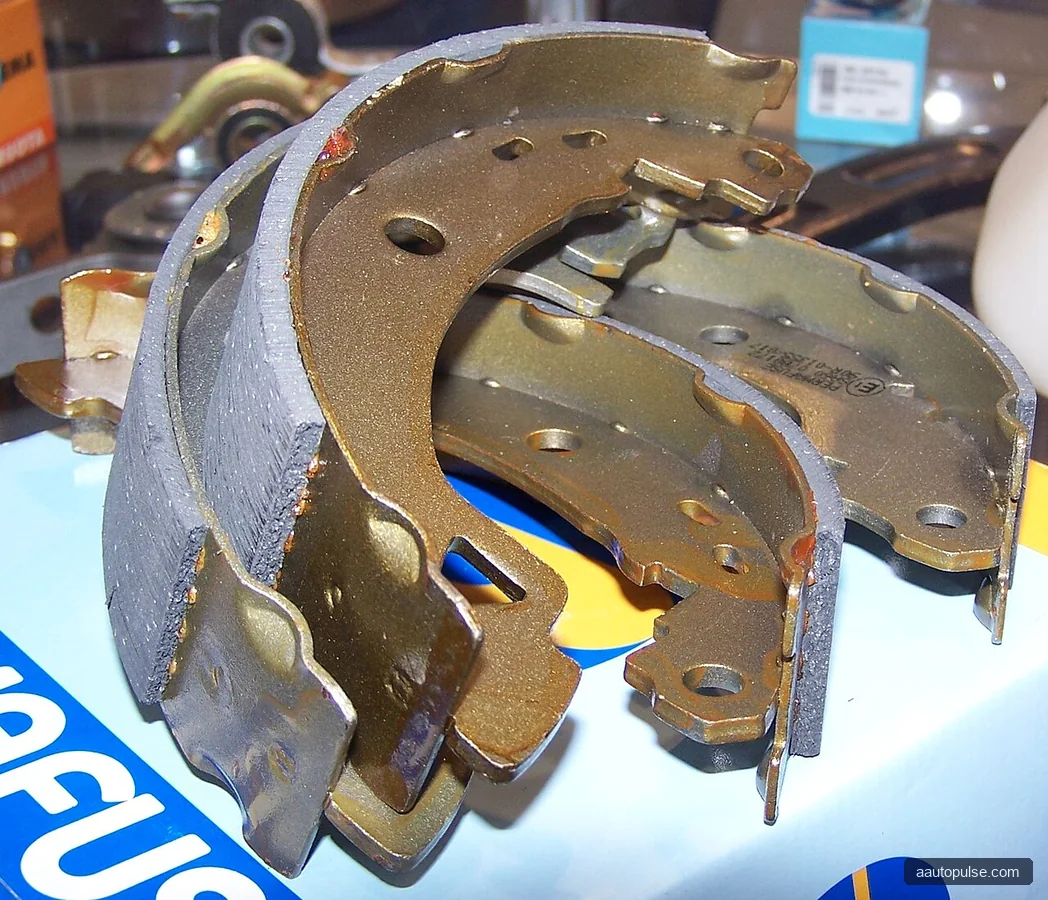
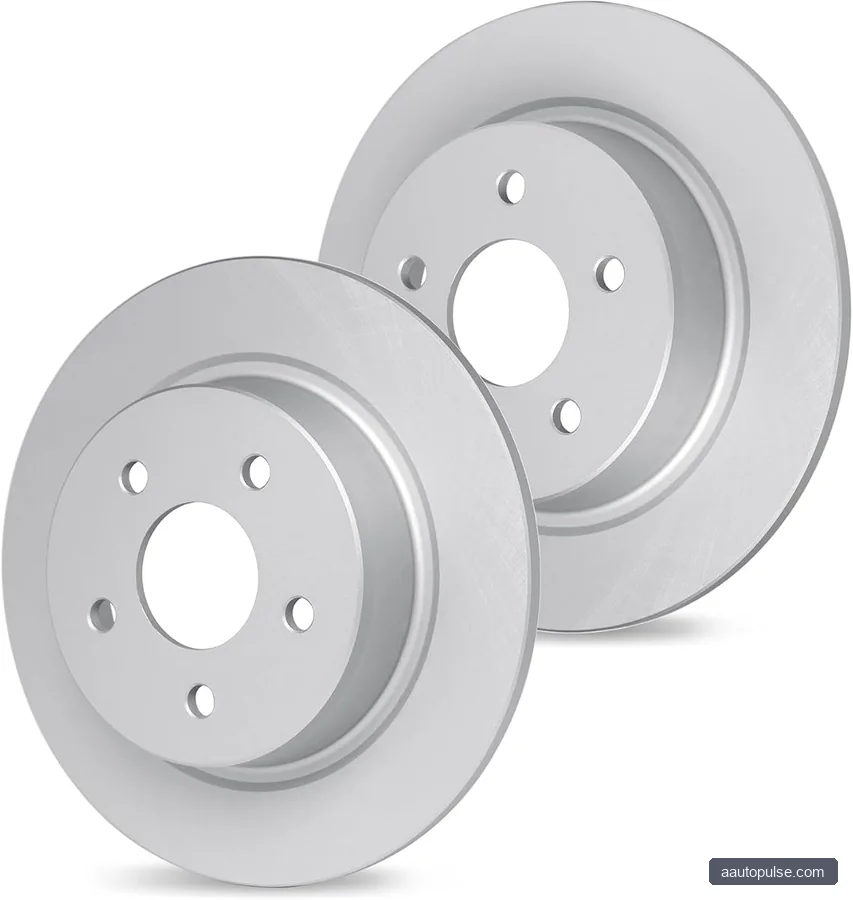
Depending on the vehicle, the rear system may use disc brakes, drum brakes, or an electronic parking brake setup. Each design wears a little differently, but all of them need attention. If the rear brakes are weak or uneven, stopping can feel less smooth and less predictable.
Common Signs Your Back Brakes Need Attention
Most brake problems start with small changes in sound, feel, or response. Catching them early can keep repair costs lower. A quick check is often enough to tell whether the issue is minor or urgent.
Watch for these symptoms
- Squealing or squeaking: Often means the pads or shoes are worn or the wear indicator is touching the rotor.
- Grinding: A more serious sign that brake material may be gone and metal parts could be contacting each other.
- Vibration or pulsing: May point to warped rotors, uneven wear, or debris in the system.
- Longer stopping distance: Your vehicle may take more room to stop if the rear brakes are weak.
- Pulling or instability: Uneven rear braking can make the car feel off-balance during stops.
- Soft or low pedal feel: Can suggest air in the brake lines, worn components, or fluid issues.
- Parking brake problems: If the parking brake feels loose or does not hold well, rear hardware may need inspection.
Some rear brake problems are easy to miss because the front brakes often mask them. If you hear noise only at low speeds or notice a slight delay in stopping, do not wait for the problem to get louder. A brake inspection is the safest next step.
How Long Back Brakes Usually Last
There is no single mileage rule for rear brake life. In many cars, rear pads may last somewhere around 30,000 to 70,000 miles, while some drivers get more and others get less. City driving, mountain roads, towing, and heavy stop-and-go traffic can shorten brake life.
Rear brake shoes on drum systems may last a long time, but they can still wear unevenly or collect rust. Vehicles with regenerative braking, common in many hybrids and EVs, may use rear friction brakes less often, yet they still need inspection because parts can corrode from light use. Always check your owner’s manual for service intervals and brake-specific guidance.
What affects wear speed?
- Driving style: Hard braking and late stops increase heat and wear.
- Vehicle weight: Heavier vehicles place more demand on the system.
- Road conditions: Salt, rain, and grit can speed up rust and corrosion.
- Brake design: Some vehicles use smaller rear components that wear faster than expected.
- Maintenance habits: Skipping inspections can let minor wear become major damage.
What Back Brake Replacement May Cost
Brake repair costs vary a lot because vehicles use different parts, labor times, and brake designs. Rear pads, shoes, rotors, drums, calipers, and parking brake hardware may all affect the total. Since no product or pricing data was provided here, it is best to treat any estimate as vehicle-specific and confirm with a trusted shop.
In general, the bill is lower when you replace wear items before they damage other parts. For example, worn pads that are caught early may need only pads and labor, while neglected brakes can also require rotors, hardware, calipers, or fluid service. That is why timely inspection matters.
| Repair Scenario | What It Often Includes | Typical Strength | Main Limitation |
|---|---|---|---|
| Pad or shoe replacement only | New rear friction material, inspection, basic labor | Best when caught early | May not fix worn rotors or hardware |
| Pads/shoes plus rotors or drums | Friction parts, rotor or drum service, labor | More complete and smoother stopping | Higher cost than a simple pad job |
| Brake system repair | Calipers, hoses, parking brake parts, fluid work | Addresses deeper problems | Usually needed only when damage or leaks are present |
Selection criteria: Choose the smallest repair that fully fixes the issue, but do not reuse worn parts if they are below spec. If rotors are scored, drums are out of round, or calipers are sticking, a partial repair may not last. A good shop should explain what can safely be reused and what should be replaced.
When to Replace Back Brakes Right Away
Some brake symptoms can wait for a scheduled visit, but others need prompt attention. If you hear grinding, feel a major loss of braking power, or notice brake fluid under the vehicle, do not keep driving. Brake problems can escalate quickly once friction material is gone or hydraulic parts are leaking.
If the rear brakes are uneven, it can also affect tire wear and vehicle control. In some cases, the parking brake may not hold the car on a slope. That is a clear reason to schedule service soon.
| Symptom | Likely Meaning | What to Do |
|---|---|---|
| Squealing at low speed | Wear indicator or thin pads/shoes | Book an inspection soon |
| Grinding sound | Possible metal-on-metal contact | Stop delaying; inspect now |
| Soft brake pedal | Air, fluid loss, or hydraulic issue | Do not ignore; check immediately |
| Car pulls during braking | Uneven rear braking or caliper issue | Have the system inspected |
How a Brake Inspection Usually Works
A proper brake inspection checks the pads or shoes, rotors or drums, calipers or wheel cylinders, brake lines, and fluid condition. The mechanic may also test the parking brake and look for rust, leaks, or uneven wear. If your car has an electronic parking brake, that system may need a scan tool to inspect and service it correctly.
You can also do a basic visual check at home if you are comfortable and it is safe to do so. Look for obvious pad wear through the wheel, brake dust patterns, fluid leaks near the wheels, or warning lights on the dash. But a visual check is not a full diagnosis, so it should not replace a professional inspection if symptoms are present.
Simple troubleshooting steps
- Listen for noise at low speed and during gentle stops.
- Notice whether the pedal feels soft, firm, or spongy.
- Check for warning lights on the dashboard.
- Look for pulling, vibration, or parking brake weakness.
- Schedule an inspection if any symptom repeats.
Caution: Do not keep driving if braking distance suddenly increases, the pedal sinks, or you smell burning from the wheels. Those can be signs of serious wear or overheating. If you are unsure, it is safer to tow the vehicle than risk brake failure.
How to Make Back Brakes Last Longer
Good driving habits can help rear brakes last longer and perform better. Smooth stops, more following distance, and less hard braking reduce heat and wear. Regular service also matters because brake dust, rust, and sticking hardware can shorten part life.
Ask for brake inspections at routine maintenance visits, especially if you drive in heavy traffic, on salted roads, or in hilly areas. Your owner’s manual may suggest inspection intervals based on mileage or time, and those recommendations should guide your schedule. If the manual and the shop disagree, ask the shop to explain why before approving work.
FAQ
How often should back brakes be replaced?
There is no one rule for every vehicle. Many rear pads last tens of thousands of miles, but driving habits, vehicle weight, and brake design all affect wear. Check your owner’s manual and inspect the brakes if you hear noise or feel changes in stopping.
Can I replace only the back brakes and not the front?
Yes, if the front brakes still have enough life and are working properly. Each axle wears at a different rate. A mechanic should measure both front and rear components to make sure the repair plan is safe and balanced.
Why do my back brakes wear unevenly?
Uneven wear can come from sticking calipers, damaged hardware, rust, bad brake fluid, or worn suspension parts. It can also happen if one side gets more heat than the other. A full inspection is the best way to find the cause.
Do rear brakes matter as much as front brakes?
Yes. The front brakes may do more stopping on many cars, but the rear brakes help keep the vehicle stable and balanced. Weak rear brakes can affect control, stopping feel, and parking brake performance.
Conclusion
Back brakes are easy to overlook, but they are a key part of safe stopping. If you notice squealing, grinding, vibration, a soft pedal, or a parking brake that no longer holds well, do not wait. The sooner you inspect and replace worn parts, the more likely you are to avoid larger repairs.
Start with your owner’s manual, then get a brake inspection if any warning sign appears. If the diagnosis is unclear, ask the shop to show the worn parts and explain the repair plan before you approve the work. That simple step can save money and help keep your vehicle safe.
Featured image: Photo: Phil_Parker / CC BY 2.0 via flickr