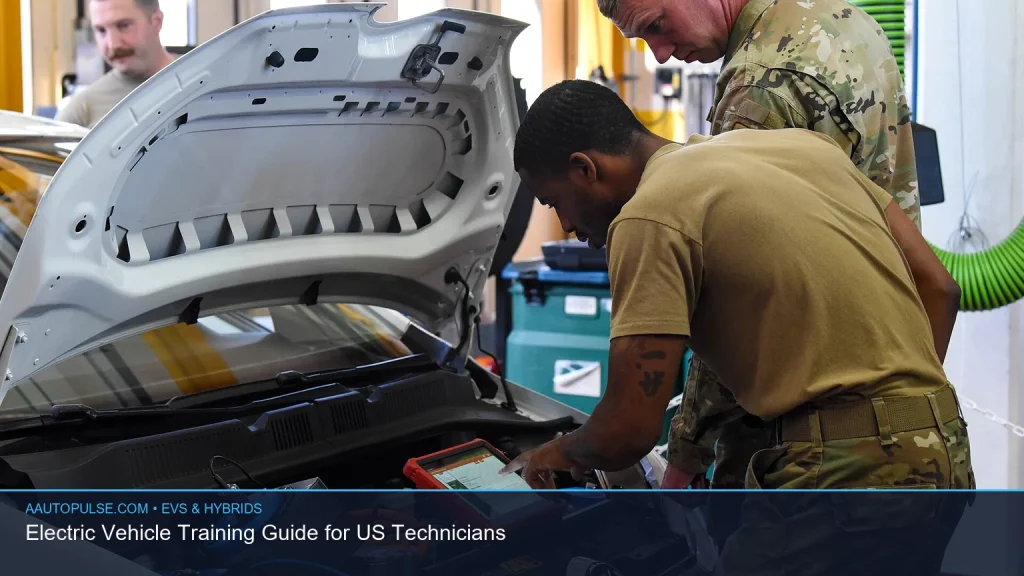
Electric vehicles are now common in U.S. repair bays, and that means technicians need a clear path into electric vehicle training. The best training helps you work safely around high-voltage systems, diagnose EV problems with confidence, and understand what is different from gas-powered vehicles. This guide explains what to learn, how to choose a training path, and which skills matter most for modern EV service. If you are starting from scratch or adding EV work to your current shop role, this article will help you decide what to focus on first.
📖 Table of Contents
- Why electric vehicle training matters now
- What technicians should learn first
- How to choose the right electric vehicle training program
- Electric vehicle training topics that should not be skipped
- A practical step-by-step path for technicians
- Common EV technician mistakes and how to avoid them
- FAQ: electric vehicle training for U.S. technicians
- Conclusion: the smartest next step
📌 Key Takeaways
- Electric vehicle training should start with high-voltage safety, then move into diagnostics, thermal systems, charging, and battery service.
- Technicians gain the most from training that includes hands-on lab work, OEM service information, and real fault-finding practice.
- EVs are not just “gas cars without an engine”; they require new habits, new tools, and a strong understanding of isolation, lockout, and battery risks.
- The best training path depends on your current role, shop type, and whether you need entry-level awareness or advanced repair skills.
Why electric vehicle training matters now
EVs change how technicians diagnose, isolate, and repair vehicles. Instead of chasing fuel, spark, and exhaust issues, you may be dealing with traction batteries, inverters, electric drive units, onboard chargers, and software faults. That means the old habits that work on ICE vehicles are not enough on their own.
Good training also helps reduce risk. High-voltage systems can be dangerous if a technician skips isolation steps, uses the wrong meter, or misunderstands service disconnects. For that reason, electric vehicle training is both a safety investment and a career move.
For U.S. shops, the value is practical. More EVs on the road means more customers asking for charging checks, warning light diagnosis, cooling system service, and battery-related inspections. A technician who understands these systems can become more useful to the shop right away.
What technicians should learn first
The best training follows a simple order. Start with safety, then build diagnostic skill, then move into component service. Skipping straight to complex repairs can create dangerous gaps in knowledge.
1. High-voltage safety fundamentals
This should be the first module in any program. Technicians need to understand PPE, insulated tools, approach distances, orange cable identification, lockout/tagout steps, and how to verify that a system is de-energized. They should also learn how to treat a vehicle after a crash, flood event, or battery fault.
2. EV architecture and component location
Technicians should know the main parts of an EV and how they connect. That includes the traction battery, battery management system, inverter, DC-DC converter, electric motor, onboard charger, and charging inlet. Knowing where these parts are located reduces wasted time and helps prevent mistakes during service.
3. Diagnostic strategy
EV diagnosis often starts with scan tool data, service codes, freeze frame data, and live readings from battery and thermal control modules. Training should cover how to read faults without assuming the battery itself is always the problem. Many drivability complaints come from sensors, cooling issues, charging hardware, or software logic.
4. Charging systems and thermal management
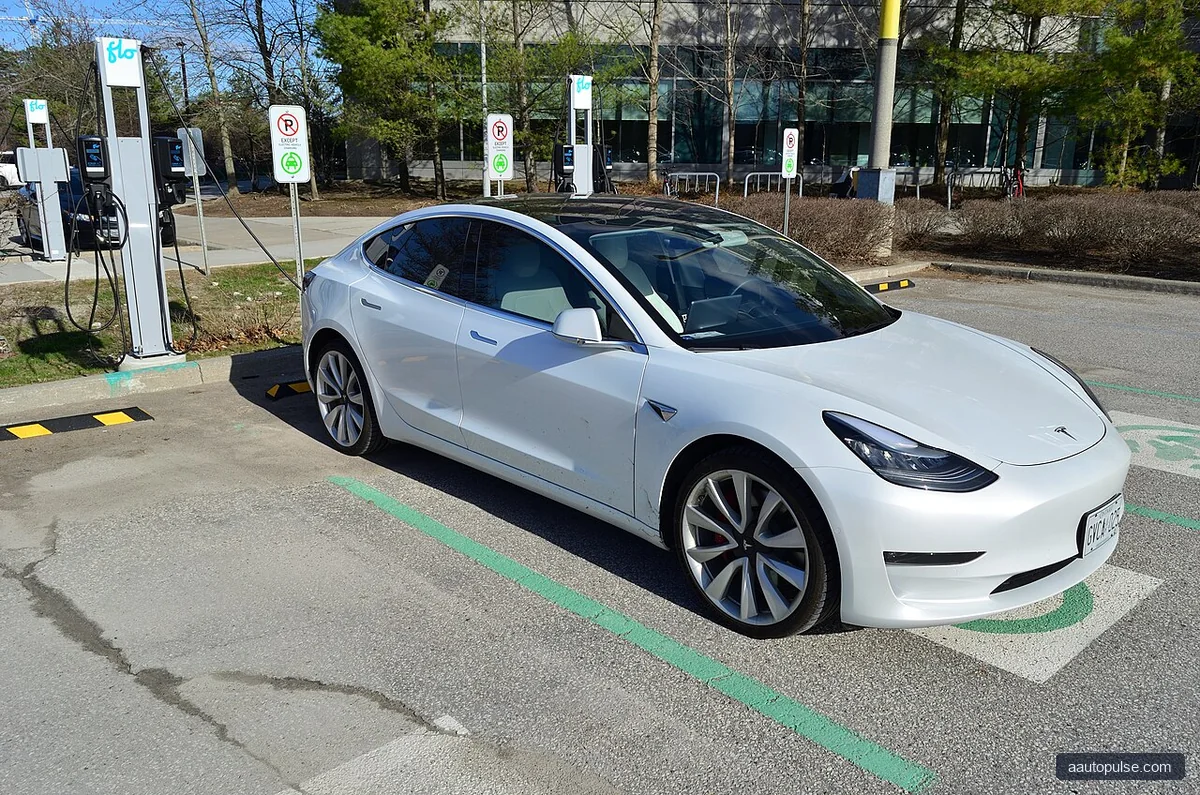
Charging complaints are common and can involve the EVSE, inlet, communication errors, or onboard charger faults. Thermal systems matter too, because batteries and power electronics depend on temperature control. Technicians should learn how to inspect coolant circuits, pumps, valves, and heat exchangers as part of normal EV service.
How to choose the right electric vehicle training program
Not every course fits every technician. The right choice depends on your current skill level, your shop’s service mix, and how much hands-on practice is included. A short awareness course may be enough for a lube or tire tech, while a dealership or independent EV specialist will need much deeper coverage.
| Training Type | Best For | Strengths | Limitations |
|---|---|---|---|
| Intro safety course | Entry-level staff, service writers, general techs | Builds safety awareness fast; useful for basic shop procedures | Not enough for complex repair or advanced diagnosis |
| Hands-on technician course | ASE techs, independent shops, fleet technicians | Better for real-world troubleshooting and service workflows | Requires time, equipment, and a stronger baseline knowledge |
| OEM-specific training | Brand specialists and dealer technicians | Best access to service procedures, wiring info, and model-specific faults | Narrower scope and tied to one brand’s platform |
| Advanced battery repair training | Experienced EV specialists | Prepares techs for module-level and battery-pack work | High risk, more complex, and not needed for every shop |
Selection criteria: look for clear learning goals, current EV coverage, strong lab time, access to service documentation, and an emphasis on safety procedures. If the course only gives theory and no practical steps, it may not prepare you for bay work.
Who should choose what: if you are new to EVs, start with safety and system overview training. If you already diagnose modern vehicles daily, choose a hands-on course with scanning, charging, and high-voltage isolation practice. If your shop supports a single brand, OEM training is often the smartest next step.
Electric vehicle training topics that should not be skipped
Some subjects matter more than others because they come up in real service work. A solid program should cover the issues below in enough depth for you to use the information in the bay.
Battery health and state-of-charge basics
Technicians do not need to be chemists, but they do need to understand battery state of charge, state of health, cell imbalance, and pack temperature. These terms affect range complaints, charging performance, and warning lights. Training should also explain why one weak module can trigger a larger system concern.
Isolation testing and meter use
Proper meter selection and isolation testing are critical. Technicians should know when to use a CAT-rated meter, how to confirm safe voltage levels, and how to avoid probe mistakes. This is one area where a small error can have major consequences, so practice matters.
Charging diagnostics
Many EV owners report that a vehicle “won’t charge,” but the root cause may not be the battery at all. A good workflow checks the EVSE, inlet condition, communication handshake, onboard charger status, and related codes. Training should help techs separate equipment problems from vehicle problems.
Cooling and lubrication service
EVs still have fluids, seals, filters, and thermal control systems. Cooling loops may require inspection for leaks, air pockets, pump operation, and proper service procedures. Some EV drive units also have gear oil or lubricant service needs, so technicians should always verify the schedule in the owner’s manual or factory information.
A practical step-by-step path for technicians
If you want a simple path into the field, follow the steps below. This approach works well for technicians who want to build skill without rushing into advanced repairs too early.
- Start with safety training. Learn high-voltage hazards, PPE, disconnect procedures, and emergency response basics.
- Study EV system layout. Learn where the major components are and how they interact.
- Practice with scan tools and service data. Read EV codes, live data, and wiring diagrams before touching high-voltage hardware.
- Train on charging and thermal systems. These are common complaint areas and often more approachable than pack-level repair.
- Move into component-level diagnostics. Learn how to test sensors, relays, contactors, coolant systems, and control modules.
- Keep learning model-specific procedures. EV service changes fast, so current OEM data is essential.
Caution: always follow manufacturer service steps before opening a battery case, disconnecting a pack, or handling orange cables. If the vehicle has crash damage, water intrusion, or an active insulation fault, stop and use the proper safety procedure first.
Common EV technician mistakes and how to avoid them
Many EV service problems come from process errors, not broken parts. Training should help technicians avoid the most common mistakes before they become expensive comebacks.
| Common mistake | Why it matters | Better approach |
|---|---|---|
| Skipping safety checks | Creates shock and arc-flash risk | Use the full isolation and verification process every time |
| Assuming the battery is the fault | Can lead to wrong repairs and high costs | Check charging, cooling, software, and wiring first |
| Using generic repair habits | EVs often need model-specific steps | Follow factory procedures and current service data |
| Ignoring software updates | Some concerns are calibration-related | Check technical service information and update history |
A useful habit is to create a repeatable EV diagnosis checklist for your shop. That checklist should include scan tool verification, safety isolation, visual inspection, charging confirmation, and a review of service bulletins. Over time, this makes the repair process faster and safer.
FAQ: electric vehicle training for U.S. technicians
Do I need EV training if I only do basic maintenance?
Yes, at least a safety-level course is smart. Even if you do tires, brakes, or inspections, you may still encounter high-voltage components, charging hardware, or damaged vehicles. Basic awareness training helps reduce risk for everyone in the shop.
How long does electric vehicle training usually take?
It depends on the depth of the course. Safety overview classes may be short, while hands-on diagnostic programs can take much longer. If you need advanced repair skills, expect a deeper learning path rather than a single quick class.
Is OEM training better than independent training?
Neither is always better for every technician. OEM training is usually best for model-specific procedures and brand systems, while independent training can be broader and more flexible. The right choice depends on the vehicles you service most often.
What tools should I know before starting EV work?
At minimum, you should be comfortable with a scan tool, digital multimeter, service information software, and insulated safety tools. Some jobs may also require a thermal camera, battery support equipment, or charging test tools. Always match the tool to the task and the manufacturer procedure.
Can EV training help my career even if my shop is not EV-focused?
Yes. EV skills are increasingly useful across dealerships, fleet shops, independent repair facilities, and inspection centers. Even a basic certification or safety course can make you more adaptable as the market changes.
Conclusion: the smartest next step
The best electric vehicle training starts with safety, then builds toward diagnosis, charging systems, and model-specific repair. If you are new to EVs, begin with an entry-level course and a strong shop safety process. If you already work on modern vehicles, choose a hands-on class that includes real diagnostic practice and current service information.
Before enrolling, compare the course content to the kind of EV work you want to do. Then keep learning through OEM resources, factory procedures, and ongoing practice. That is the most reliable way to turn EV knowledge into usable shop skill.
Featured image: Photo: U.S. Air Force photo by Airman Sydney Franklin / Public domain via Wikimedia Commons