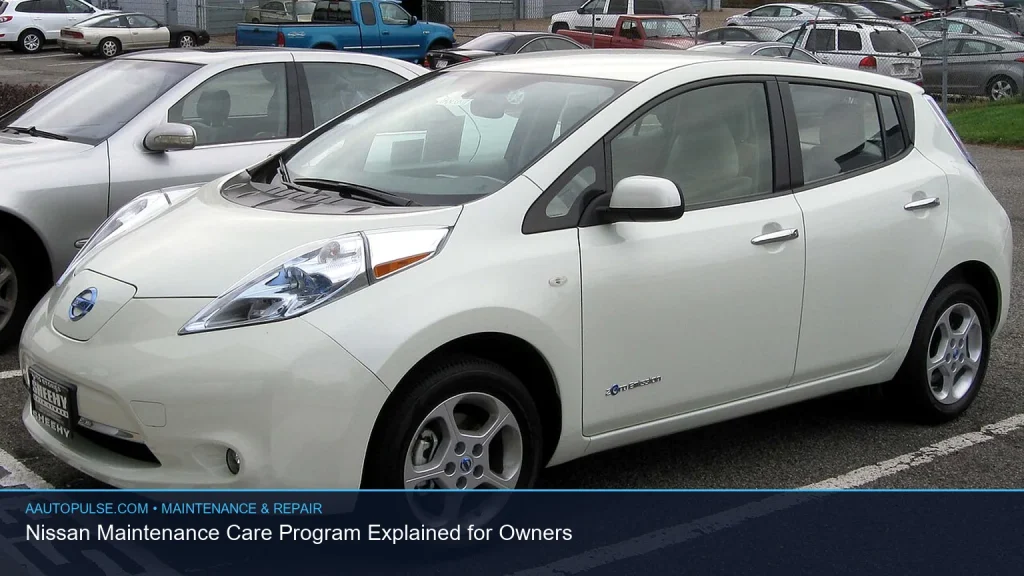
If you own a Nissan, the nissan maintenance care program can make routine service easier to understand and plan for. In simple terms, it is Nissan’s way of helping owners stay on top of basic factory-recommended maintenance, usually tied to scheduled visits at approved service intervals. This guide explains how the program works, what it typically covers, what it does not, and how it compares with similar plans like Honda Care Maintenance, Toyota Care maintenance plan, and Kia Care Choice maintenance plan.
📖 Table of Contents
📌 Key Takeaways
- The nissan maintenance care program is designed to simplify routine factory-recommended service, not replace your owner’s manual.
- Coverage details can vary by model year, trim, and purchase/lease agreement, so always verify your specific plan terms.
- Most maintenance plans focus on scheduled basics like inspections, oil changes, tire rotations, and fluid checks at set intervals.
- Comparing Nissan with Honda, Toyota, and Kia plans helps you judge value, convenience, and coverage length before you commit.
What the Nissan Maintenance Care Program Is
The nissan maintenance care program is a service package meant to help owners keep up with scheduled maintenance during the early ownership period. Depending on the vehicle and purchase terms, it may bundle basic routine services that Nissan recommends at specific mileage or time intervals.
Think of it as an organized way to handle the regular care your car already needs. It is not a repair contract for worn parts or accident damage, and it does not replace your owner’s manual maintenance schedule.
How it usually works
Maintenance care plans are often tied to factory service intervals. Those visits may include inspections and common maintenance tasks, such as oil and filter changes, tire rotations, fluid top-offs, and multi-point checks.
Because Nissan programs can differ by region, model, and sale type, the exact benefits and timing should be confirmed through your dealer paperwork and the vehicle’s maintenance guide.
What the Program Typically Covers
Coverage usually centers on routine care that keeps the vehicle running smoothly. For many gasoline models, that means visits around standard mileage points such as 5,000 miles, 10,000 miles, and then similar intervals after that, though your manual may call for different timing.
Always verify the service schedule in your owner’s manual first. Driving style, climate, towing, and short-trip use can all change how often service is needed.
| Service Area | Often Included in Maintenance Plans | What to Confirm |
|---|---|---|
| Oil and filter changes | Common on many factory maintenance schedules | Oil type, interval, and whether synthetic is required |
| Tire rotations | Often scheduled at regular mileage intervals | Whether AWD, FWD, or rear-drive changes the pattern |
| Fluid inspections | Brake, coolant, washer, and other checks | Exact inspection items and top-off limits |
| Multi-point inspection | Often part of dealer service visits | Which wear items are checked and documented |
How to Tell What Your Nissan Actually Needs
Before you assume any maintenance program covers everything, start with the owner’s manual. Nissan models can have different intervals based on engine type, drivetrain, and whether the car is used under severe conditions such as lots of stop-and-go traffic or repeated short trips.
A compact checklist can help you decide what matters most during each visit.
Simple owner checklist
- Check the maintenance section in your owner’s manual.
- Look for the official service interval by mileage and time.
- Confirm whether your driving fits “normal” or “severe” use.
- Review your plan paperwork for covered items and exclusions.
- Ask the dealer to print the service line items before work begins.
Some Nissan vehicles will call for inspections every 5,000 miles, while others may have longer or different timing depending on the powertrain and oil specification. For example, some modern vehicles require specific synthetic oil grades and exact fill amounts, which should be verified in the manual rather than guessed at the counter.
Nissan Maintenance Care vs Honda, Toyota, and Kia Plans
Shoppers often compare Nissan’s maintenance program with similar offers from other brands. That makes sense, because the best plan is not always the one with the longest name. It is the one that matches your driving habits, ownership length, and service expectations.
| Program | Typical Strengths | Common Limits | Best For |
|---|---|---|---|
| Nissan Maintenance Care Program | Convenient factory-aligned service, helpful for routine upkeep | Coverage details vary by model and agreement | Owners who want simple scheduled maintenance support |
| Honda Care Maintenance | Often easy to align with routine dealer service | Plan terms can differ by model and purchase timing | Drivers who prefer brand-service consistency |
| Toyota Care Maintenance Plan | Known for straightforward included maintenance on many new vehicles | Usually limited to early ownership period | Buyers who want a simple new-car service window |
| Kia Care Choice Maintenance Plan | Can support planned maintenance budgeting | Coverage and terms may vary by dealer or package | Owners who want predictable service planning |
Who should choose what?
- Choose Nissan maintenance care if you want routine factory service organized around your Nissan’s schedule and you plan to service at the dealer.
- Choose Honda Care maintenance if you are comparing branded service support and want to see how the plan aligns with your model’s recommended intervals.
- Choose Toyota Care maintenance plan if you value a simple early-ownership maintenance window and want predictable first-service coverage.
- Choose Kia Care Choice maintenance plan if you want a maintenance budgeting tool and are comfortable reviewing dealer-specific terms closely.
The right choice comes down to coverage period, dealer access, and how much of the routine work is already included. If two plans look similar, compare the scheduled services line by line rather than the marketing summary.
What the Program Does Not Cover
This is where many owners get confused. A maintenance plan is not the same as a warranty. It usually does not pay for broken parts, worn brake pads, tire replacement, windshield damage, batteries outside the plan terms, or repairs caused by accidents or misuse.
It also may not cover every fluid exchange or every filter beyond the routine schedule. For example, cabin filters, engine air filters, spark plugs, brake fluid, transmission service, and coolant service may have longer intervals or special conditions depending on the vehicle.
Common exclusions to watch for
- Wear items such as tires and brake pads
- Damage from accidents, potholes, or road hazards
- Services outside the stated interval
- Work done by non-approved shops if the plan requires dealer service
- Extra maintenance not listed in the contract
Read the fine print carefully. If your plan sounds generous, make sure it still matches the exact service schedule for your specific Nissan.
How to Use the Program Wisely
The best way to get value from a maintenance plan is to treat it like a schedule, not a backup option. Waiting too long between visits can cause missed services, especially on vehicles driven in heavy traffic, hot climates, or dusty areas.
Good maintenance habits also help with resale value. A clean record of routine care can make a car easier to explain to a future buyer or appraiser.
Practical tips for owners
- Save every service invoice or digital record.
- Ask for a printed checklist at each visit.
- Confirm the mileage in and mileage out on the repair order.
- Check oil level and tire pressure between visits.
- Use the exact fluid and filter specifications listed in the manual.
If you ever notice symptoms like rough idle, warning lights, poor fuel economy, vibration, or strange noises, do not wait for the next routine visit. A maintenance plan is not a substitute for diagnosis when something feels wrong.
FAQ
Is the Nissan maintenance care program the same as a warranty?
No. A maintenance plan covers scheduled service, while a warranty covers certain defects or failures. They solve different problems, so do not use one as a substitute for the other.
Does the plan cover all Nissan models the same way?
Not always. Coverage can vary by model year, trim, powertrain, sale type, and dealer agreement. Always check the documents tied to your exact vehicle.
How often should I service my Nissan if I am not using a plan?
Follow the owner’s manual first. Many vehicles need routine checks around 5,000 miles, but the correct interval depends on the engine, oil type, and driving conditions.
Can I compare Nissan’s plan with Toyota Care maintenance plan or Honda Care maintenance?
Yes, and that is smart. Compare the included services, length of coverage, service locations, and exclusions line by line. The best plan is the one that fits your ownership timeline and driving habits.
What if my vehicle has a problem between scheduled services?
Get it checked right away. Strange noises, leaks, dashboard warnings, or poor performance should be diagnosed as soon as possible, even if your next maintenance visit is not due yet.
Conclusion
The nissan maintenance care program can be a helpful way to keep routine service simple, especially if you like dealer-based maintenance and want a clear schedule to follow. But the value depends on the exact coverage, your driving needs, and the details in your owner’s manual.
Before you sign or use the plan, compare the included services, review the exclusions, and confirm the correct maintenance intervals for your Nissan. That way, you protect your vehicle, avoid surprises, and get the most from every scheduled visit.