Hot weather can be hard on your car. Tires, batteries, fluids, and cooling systems all work harder in summer, which can raise the risk of breakdowns and unsafe driving conditions. The good news is that a few smart summer car maintenance steps can help you stay safe, avoid surprise repairs, and keep your vehicle running smoothly through the season. This guide covers the most useful checks, simple DIY tasks, and warning signs to watch for before your next road trip or daily commute.
📖 Table of Contents
- Why Summer Car Maintenance Matters
- Start With the Most Important Summer Car Maintenance Tips
- What to Check Before a Road Trip
- How to Know If Your Car Is Overheating or Struggling in the Heat
- Summer Car Maintenance Tips for Brakes, A/C, and Visibility
- Comparison: What Summer Car Maintenance Matters Most?
- Simple Summer Car Maintenance Checklist
- FAQ
- Conclusion
📌 Key Takeaways
- Heat can weaken batteries, dry out fluids, and increase tire pressure, so summer car maintenance should start with these core systems.
- Check tires, coolant, oil, brakes, and air conditioning before long drives to reduce the chance of a roadside emergency.
- Most maintenance intervals depend on your vehicle, so always verify your owner’s manual for fluid specs and service timing.
- Small warning signs like overheating, squealing brakes, or weak A/C often point to problems that are easier and cheaper to fix early.
Why Summer Car Maintenance Matters
Summer driving sounds easy, but heat changes how your car behaves. High temperatures can make engine components run hotter, increase tire stress, and shorten battery life. Add stop-and-go traffic, long highway trips, and heavy A/C use, and your vehicle can be pushed harder than you expect.
That is why summer car maintenance is not just about comfort. It is about safety, reliability, and helping your car avoid preventable wear. A simple pre-season check can lower the chance of a breakdown when you are far from home or stuck in traffic on a hot day.
Start With the Most Important Summer Car Maintenance Tips
These are the checks that matter most before peak heat arrives. You do not need to do everything at once, but these basics should be at the top of your list.
1) Check tire pressure and tread
Heat increases air pressure inside tires, and underinflation or overinflation can both affect handling and wear. Check tire pressure when the tires are cold, and compare it with the recommended PSI on the driver’s door placard, not the number molded into the tire sidewall.
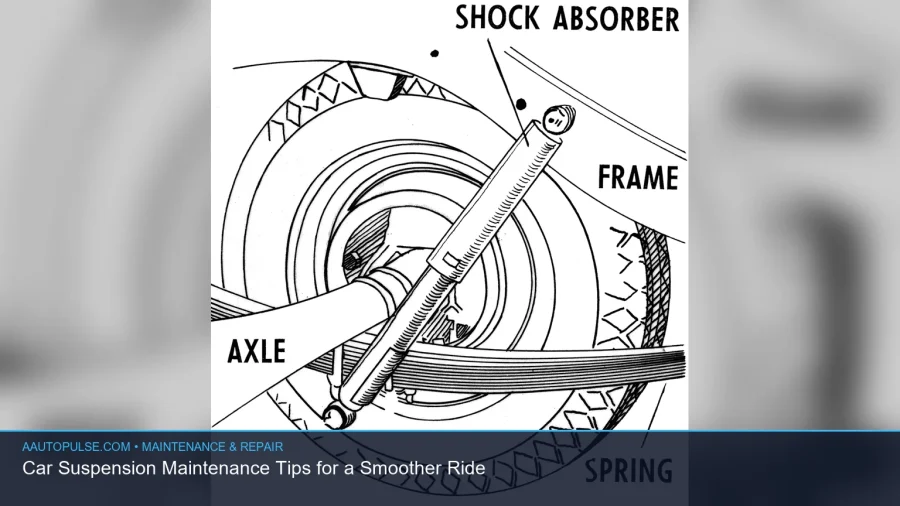
Also inspect tread depth and look for uneven wear, cracks, bulges, or embedded debris. If your tread is low or wear is uneven, have the alignment and suspension checked. Summer road trips demand good grip, especially in sudden rain.
2) Inspect coolant and the cooling system
Your engine’s cooling system does the heavy lifting in hot weather. Low coolant, old coolant, or a leaking radiator hose can quickly lead to overheating. Check the coolant level only when the engine is cool, and use the correct type listed in your owner’s manual.
Look for damp spots under the car, cracked hoses, loose clamps, or a sweet smell near the engine bay. If your temperature gauge climbs higher than normal or you see warning lights, stop driving and get the car checked right away.
3) Test the battery
Many drivers think winter is the only battery season, but summer heat can also shorten battery life. Heat speeds up internal wear and can expose weak batteries that were already near the end of their service life.
If your battery is more than three years old, have it tested before long trips. Watch for slow cranking, dim lights, corrosion on the terminals, or a battery warning light. These are common signs it may be time for a replacement.
4) Replace worn wiper blades and top off washer fluid
Summer storms and road spray can reduce visibility fast. If your wiper blades streak, chatter, or leave spots, replace them. This is a simple fix that can make a big difference during sudden rain.
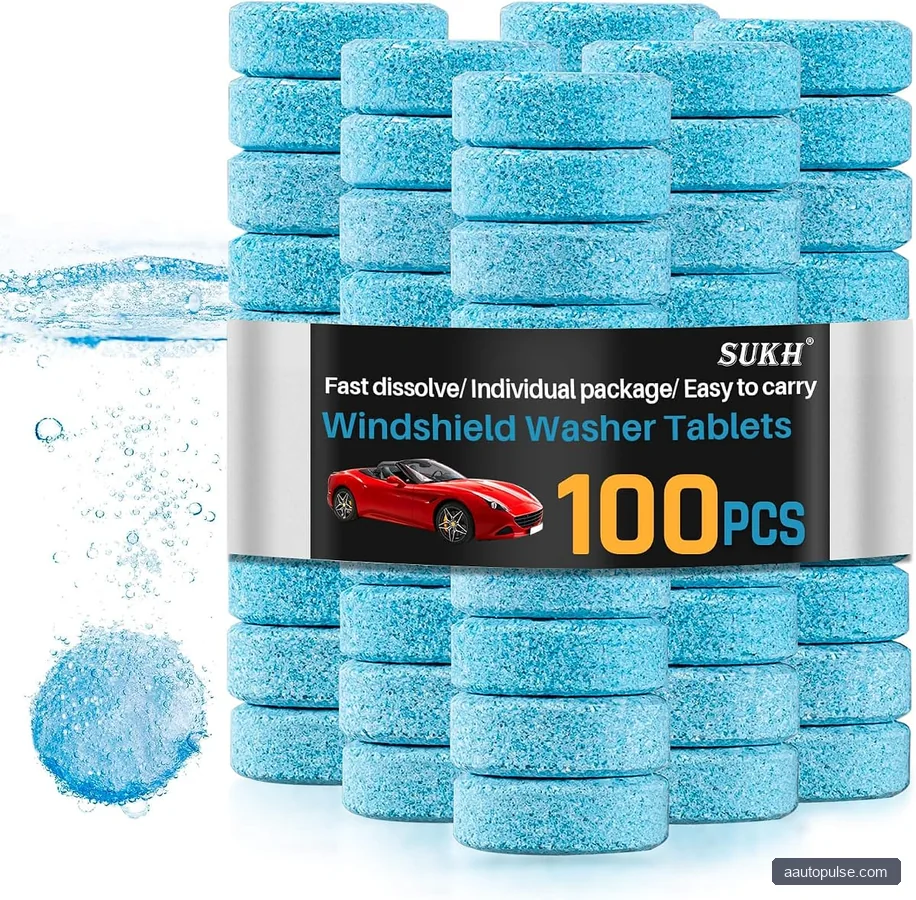
Keep washer fluid topped off and make sure the spray nozzles are clear. If bugs and dust are building up on your windshield, use a summer blend washer fluid if recommended for your area.
What to Check Before a Road Trip
If you are planning a long drive, it helps to go beyond the basics. A more complete inspection can catch issues before they turn into delays on the highway.
- Check all fluid levels including engine oil, coolant, brake fluid, power steering fluid if applicable, and windshield washer fluid.
- Inspect the belts and hoses for cracks, fraying, swelling, or softness. A worn belt can leave you stranded.
- Test the air conditioning to make sure it cools quickly and blows consistently. Weak airflow may point to a cabin air filter issue, a refrigerant leak, or a failing component.
- Confirm the brakes feel normal with no grinding, pulling, vibration, or soft pedal feel.
- Pack emergency supplies such as water, a phone charger, a flashlight, basic tools, and a first-aid kit.
For many vehicles, oil changes are often recommended around 5,000 to 10,000 miles, depending on the engine, oil type, and driving conditions. Some cars also have specific oil capacities that matter during service, so verify the exact amount in your owner’s manual before topping off or changing oil. The same applies to coolant type and brake fluid grade.
How to Know If Your Car Is Overheating or Struggling in the Heat
Overheating can show up in more than one way, and early warning signs are easy to miss. Paying attention to symptoms can help you act before the problem gets serious.
| Symptom | What It May Mean | What to Do |
|---|---|---|
| Temperature gauge runs high | Coolant problem, thermostat issue, radiator blockage, or failing fan | Pull over safely and let the engine cool |
| Steam from the hood | Possible coolant leak or severe overheating | Turn off the engine and call for help if needed |
| Sweet smell or puddle under the car | Coolant leak | Have the cooling system inspected |
| Weak A/C and hot air at idle | Cooling fan, refrigerant, or compressor issue | Schedule a diagnostic check |
If the engine starts to overheat, do not keep driving and hope it clears up. Turn off the A/C, turn the heater on high if needed to pull heat from the engine, and pull over as soon as it is safe. Never remove a radiator cap when the engine is hot.
Summer Car Maintenance Tips for Brakes, A/C, and Visibility
Heat does not just affect the engine. It can also expose weak spots in systems you depend on every day, especially brakes and climate control.
Brakes
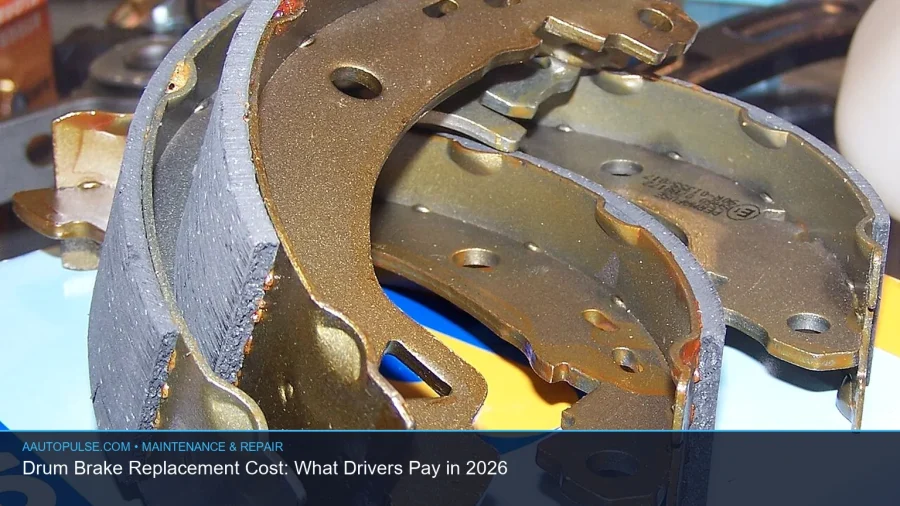
Brakes should feel firm and predictable. If you hear squealing, feel vibration in the pedal, or notice the car pulling to one side, have the system inspected. Worn pads, warped rotors, or low brake fluid can all reduce stopping power.
Brake fluid is often replaced on a time-based schedule, commonly every 2 to 3 years for many vehicles, but the exact interval varies. Check your manual and service records.
Air conditioning
Your A/C should cool the cabin within a few minutes. If it only blows warm air, cools weakly, or smells musty, you may need a cabin air filter replacement, refrigerant service, or leak diagnosis. A weak A/C system can also make long drives tiring and less safe.
Visibility
Clean headlights, windows, and mirrors often. Summer bug buildup and dusty roads can quickly cut visibility. If your headlights look hazy, they may need restoration or replacement to maintain safe nighttime driving.
Comparison: What Summer Car Maintenance Matters Most?
If you are deciding where to start, this quick comparison can help. It is best to handle the highest-risk items first, especially before a road trip or heat wave.
| Maintenance Area | Why It Matters Most in Summer | Strengths | Limitations | Who Should Choose What |
|---|---|---|---|---|
| Tires | Heat and long drives increase pressure and wear | Easy to check, major safety impact | May need repair or replacement if damage is found | Start here if you drive often or plan a trip |
| Cooling system | Overheating risk rises in high temperatures | Protects the engine from costly damage | May require professional diagnosis | Best for older cars or vehicles with heat symptoms |
| Battery | Heat can speed up battery wear | Simple test can prevent no-start problems | Replacement may be needed if it is weak | Choose this if your battery is older than 3 years |
| A/C and visibility | Comfort and clear sight matter more in summer traffic and storms | Improves comfort and reaction time | May need filter, refrigerant, or lighting service | Prioritize if you drive in heat, rain, or at night |
Verdict: If you can only focus on a few things, choose tires, cooling, and battery checks first. Those systems have the biggest impact on both safety and breakdown prevention. Then handle brakes, A/C, and visibility for a more comfortable and predictable drive.
Simple Summer Car Maintenance Checklist
Use this short checklist before a heat wave, a weekend trip, or the start of the season. It can help you stay organized and avoid missing the basics.
- Check tire pressure and tread depth.
- Inspect coolant level and look for leaks.
- Test the battery and clean corrosion if present.
- Top off washer fluid and replace worn wiper blades.
- Check engine oil level and change it if due.
- Make sure the A/C cools properly.
- Listen for brake noise or vibration.
- Confirm all lights work, including headlights and brake lights.
- Review the owner’s manual for service intervals and fluid specs.
If your car has an oil life monitor or service reminder, use it as a guide, but do not ignore obvious symptoms. A dashboard light, strange smell, or new noise deserves attention even if the next service is not due yet.
FAQ
How often should I do summer car maintenance?
Do a quick check at the start of the season and again before long trips. Tires, fluids, battery condition, and A/C performance should be inspected more often if you drive daily in extreme heat or if your vehicle is older.
What is the best summer car maintenance tip for road trips?
The most important tip is to inspect tires and cooling systems before you leave. Those two areas are among the biggest breakdown risks in hot weather. Also make sure you know your tire pressure, spare tire condition, and fluid levels before you head out.
Can hot weather damage my car battery?
Yes. Heat can speed up internal battery wear and shorten its usable life. If your battery is older or has shown any starting problems, have it tested before summer driving gets more intense.
How do I know if my car needs a coolant flush?
Common signs include overheating, rusty or dirty coolant, frequent low coolant levels, or service records showing the coolant is overdue. But the right interval depends on the vehicle. Check your owner’s manual for the recommended schedule and coolant type.
Should I inflate tires more in summer?
No, not unless your owner’s manual or door placard says to. Tires should be set to the vehicle manufacturer’s recommended pressure when cold. Overinflating can reduce grip and increase uneven wear.
Conclusion
Summer car maintenance does not have to be complicated. If you focus on tires, coolant, battery health, brakes, A/C, and visibility, you can reduce the risk of heat-related problems and drive with more confidence. Start with the simple checks on this list, then follow your owner’s manual for any vehicle-specific intervals or fluid requirements. A little attention now can help keep your summer safe, smooth, and stress-free.