If you want to keep your Toyota reliable, safe, and efficient, the best place to start is the toyota service schedule. Most models follow a simple pattern: basic checks and fluid inspections at regular mileage intervals, then larger services as the miles add up. The exact timing can vary by model year, engine, and driving conditions, so your owner’s manual should always be the final word. Below, you’ll learn what to do at each milestone, what Toyota commonly recommends, and how to spot the services that matter most.
📖 Table of Contents
- What Toyota’s maintenance schedule is designed to do
- At 5,000 miles: the foundation of Toyota car maintenance
- At 15,000 to 25,000 miles: where the toyota service schedule starts to expand
- At 30,000 to 60,000 miles: bigger services and worn parts
- How to read your Toyota recommended maintenance schedule
- Comparison: dealer service, independent shop, or do-it-yourself
- Warning signs that mean service is overdue
- FAQ
- Conclusion
📌 Key Takeaways
- Most Toyota models use a mileage-based maintenance plan with oil changes, tire rotation, fluid checks, and inspections at set intervals.
- The first major milestone often lands around 5,000 to 10,000 miles, while bigger services build around 15,000, 25,000, 30,000, and 60,000 miles.
- Driving style matters: short trips, heavy traffic, towing, and extreme weather can make maintenance due sooner than the standard schedule.
- Always verify your vehicle’s owner’s manual for exact intervals, because the right toyota recommended maintenance schedule depends on model, engine, and year.
What Toyota’s maintenance schedule is designed to do
The goal of a toyota car maintenance schedule is simple: prevent small issues from turning into expensive repairs. Regular service helps preserve engine life, brake performance, fuel economy, and long-term resale value. It also makes it easier to catch leaks, worn parts, and fluid breakdown before they become a problem.
In practice, Toyota scheduled maintenance is a mix of routine items and milestone services. Some tasks repeat often, such as oil and filter changes, tire rotation, and inspections. Others show up at larger intervals, like spark plugs, coolant, or transmission fluid service depending on the vehicle.
If you are trying to schedule Toyota maintenance, think in two layers: what needs attention now, and what should be coming up in the next few months. That makes it easier to plan around mileage instead of waiting for a warning light.
At 5,000 miles: the foundation of Toyota car maintenance

For many Toyota models, the first common milestone is around 5,000 miles, especially if the vehicle uses conventional oil or sees more severe driving. This is often when owners should expect an oil and filter change, tire rotation, and a multi-point inspection. Some newer Toyota models using synthetic oil may allow longer intervals, so check the manual before assuming 5,000 miles is required.
This early service is part of good maintenance Toyota owners can count on. It helps confirm tire wear is even, fluids are topped off, and nothing obvious is developing under the hood. If you drive mostly in stop-and-go traffic or take many short trips, this visit matters even more.
Common 5,000-mile items
- Engine oil and oil filter change, if due
- Tire rotation
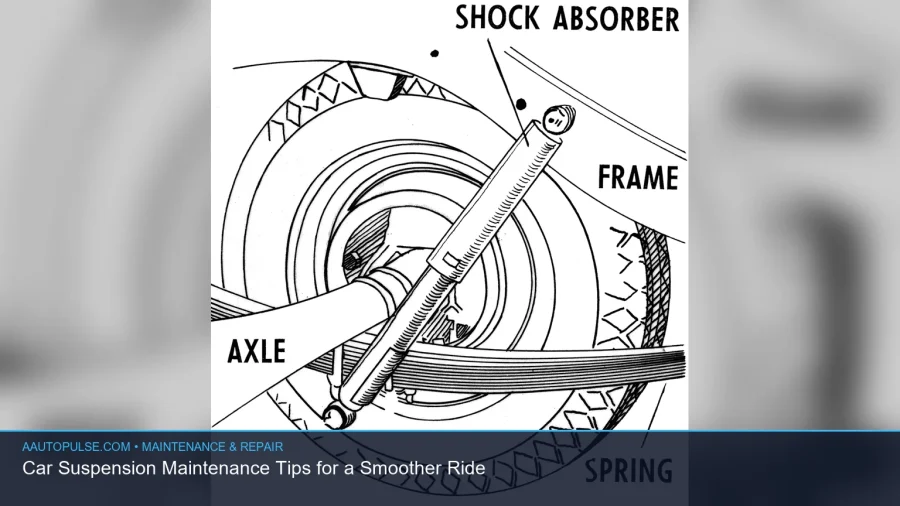
- Brake, steering, and suspension inspection
- Fluid level check
- Wiper and light inspection
At 15,000 to 25,000 miles: where the toyota service schedule starts to expand
By 15,000 miles, the service list usually becomes more detailed. Many owners will still need oil changes and rotations, but the inspection may also include cabin air filter checks, brake condition review, and a closer look at belts, hoses, and driveline components. This is where a strong toyota car maintenance schedule starts paying off with fewer surprises later.
At 25,000 miles, some owners look specifically for a toyota 25000 mile service. The exact items vary by model, but this is a smart time to verify filters, brake wear, tire condition, and all fluid levels. If your car is used for commuting, rideshare work, or harsh weather, this checkpoint is especially important.
If you drive a Toyota Camry, this mileage range often includes the kind of routine toyota camry service that keeps the sedan smooth and dependable. The Camry may have model-specific intervals, so the owner’s manual remains the best guide, but the overall logic is the same: inspect early, replace worn items on time, and keep records.
| Mileage milestone | Typical service focus | Why it matters |
|---|---|---|
| 5,000 miles | Oil, rotation, inspection | Builds a baseline and catches early wear |
| 15,000 miles | Filters, brakes, fluid checks | Keeps the car efficient and safe |
| 25,000 miles | Expanded inspection, wear-item review | Helps prevent costly mid-life repairs |
At 30,000 to 60,000 miles: bigger services and worn parts

Once a Toyota reaches 30,000 miles and beyond, the service plan becomes more about replacing wear items before they fail. Depending on the model, this may include engine air filters, cabin air filters, brake fluid checks, coolant inspections, and transmission-related maintenance. Some vehicles also call for spark plug inspection or replacement later in this range or beyond it.
This is also when owners should pay close attention to symptoms. Rough idle, slower acceleration, longer stopping distances, or a pulsing brake pedal can point to maintenance that is due now. If you notice these issues, do not wait for the next mileage marker.
For toyota engine maintenance required at this stage, the emphasis is on clean oil, clean air, proper cooling, and timely ignition maintenance. That is why Toyota engine maintenance best practices 2025 still start with the basics: use the correct oil grade, keep intervals consistent, and service the engine according to your specific model’s needs rather than a one-size-fits-all rule.
Typical 30,000- to 60,000-mile checks
- Engine air filter replacement or inspection
- Cabin air filter replacement
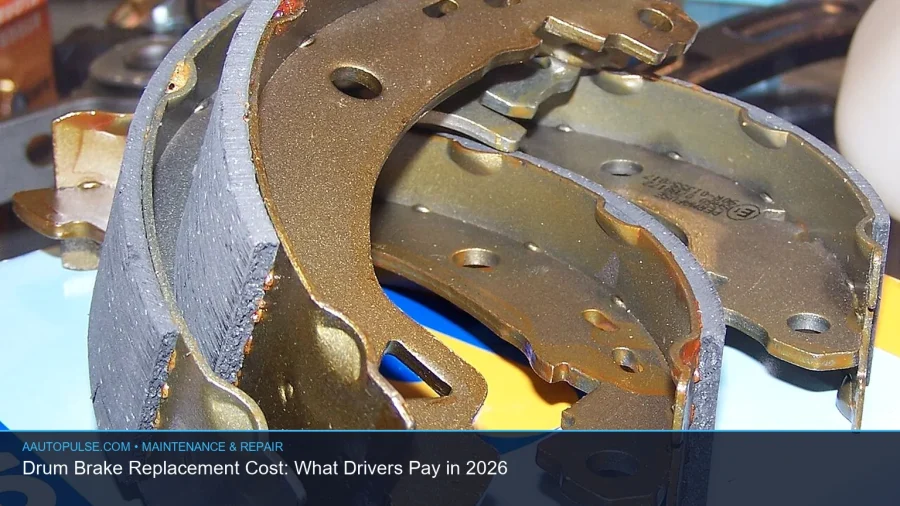
- Brake system inspection
- Coolant level and condition check
- Transmission fluid inspection or service if specified
- Spark plug inspection on some models
- Battery and charging system check
How to read your Toyota recommended maintenance schedule
The official Toyota recommended maintenance schedule is the best source for exact timing. It usually separates “normal” and “severe” driving conditions, and that difference matters more than many owners realize. Short commutes, dusty roads, heavy traffic, frequent towing, mountain driving, and extreme heat or cold can all justify shorter intervals.
Here is a simple way to use the schedule:
- Find your model year and engine in the owner’s manual.
- Check the mileage and time interval for each maintenance item.
- Compare your driving habits to normal or severe service conditions.
- Mark the next three services, not just the next one.
- Keep a record of dates, mileage, and work completed.
This approach makes it easier to maintenance Toyota vehicles correctly without overdoing service. It also helps you avoid skipping important items like brake fluid or coolant checks because oil changes get the most attention.
Comparison: dealer service, independent shop, or do-it-yourself
There is more than one way to follow a toyota service schedule. The best option depends on your comfort level, the age of your vehicle, and whether the service is routine or more technical. Use the table below to compare the main choices.
| Option | Strengths | Limitations | Best for |
|---|---|---|---|
| Toyota dealer | Factory familiarity, model-specific procedures, easy recordkeeping | Can be less flexible on timing or labor choices | Owners who want a model-matched service path |
| Independent repair shop | Flexible, often convenient, good for routine work | Quality varies by shop and technician | Drivers who want local service and trusted basics |
| DIY maintenance | Low cost for simple tasks, good for learning your car | Not ideal for complex diagnostics or underbody work | Owners comfortable with basic maintenance |
Who should choose what? If you want the easiest path for a newer Toyota, the dealer is often the most straightforward choice. If you mainly need routine car service for Toyota and already trust a local shop, an independent mechanic can be a practical fit. If you can handle oil changes, filters, or tire pressure checks, DIY is fine for basic upkeep, but leave complex diagnosis to a pro.
Warning signs that mean service is overdue
Even with a solid toyota maintenance schedule, the car may tell you something is wrong before the next interval arrives. That is why owners should watch for changes in how the vehicle sounds, feels, and drives. Service reminders are helpful, but symptoms matter more.
Use this quick checklist if your Toyota starts acting differently:
- Dashboard warning lights stay on
- Engine feels rough, weak, or hesitant
- Brakes squeal, grind, or pulse
- Steering feels loose or pulls to one side
- Oil, coolant, or other fluid spots appear under the car
- Fuel economy drops without a clear reason
- Cabin air smells dusty, damp, or musty
If you notice more than one of these symptoms, move the service date up. That is especially true for toyota engine maintenance required items like oil, cooling, and air filtration, since engine wear can accelerate when these basics are neglected.
FAQ
How often should I follow the Toyota maintenance schedule?
Most owners should follow mileage-based intervals plus time-based checks, such as annual fluid inspections or replacements. The exact timing depends on the model and how you drive. Your owner’s manual is the best source for the official toyota car maintenance schedule.
Is 5,000 miles still the right oil change interval for Toyota?
Not always. Some Toyota models and oil types can go longer between oil changes, while severe driving may call for shorter intervals. Always verify the correct interval for your engine instead of assuming one rule fits every Toyota.
What is included in a Toyota 25,000-mile service?
A toyota 25000 mile service usually focuses on oil and filter work if due, tire rotation, fluid checks, and a broader inspection of brakes, filters, and other wear items. Exact items vary by year and model, so check your maintenance guide before booking.
What is the best maintenance for a Toyota engine in 2025?
The best Toyota engine maintenance best practices 2025 are still the basics: use the right oil, keep up with fluid changes, replace filters on time, and inspect cooling and ignition components regularly. Good records matter just as much as the work itself.
Can I ignore maintenance if the car seems fine?
It is not a good idea. Many problems develop slowly, with no obvious symptoms at first. Following the toyota recommended maintenance schedule is the safest way to prevent hidden wear and keep repair costs lower over time.
Conclusion
A smart toyota service schedule is less about chasing every possible repair and more about staying ahead of the basics. Start with regular oil changes, rotations, and inspections, then handle the larger milestone services as mileage builds. If your driving is severe or your car shows warning signs, move sooner rather than later. For the most accurate plan, match these guidelines to your owner’s manual and keep your maintenance records up to date.