Luxury cars are built for smooth power, quiet cabins, and refined handling. To keep that feel for the long haul, luxury car maintenance has to be more than a basic oil change schedule. It means staying ahead of fluid wear, brake and tire issues, electronics faults, and engine service needs before they turn into expensive repairs. In this guide, you’ll learn the most important maintenance habits, the intervals that often matter, and how to decide when a specialist shop is worth it.
📖 Table of Contents
- Why Luxury Car Maintenance Needs a Smarter Approach
- Core Maintenance Tasks That Protect Performance
- Signs Your Luxury Car Needs Service Now
- A Simple Preventive Maintenance Plan for Busy Owners
- Choosing the Right Shop for Luxury Service
- How to Protect Performance Between Service Visits
- FAQ
- Conclusion
📌 Key Takeaways
- Luxury cars need tighter care routines because their engines, brakes, electronics, and suspension systems are often more complex.
- Follow the owner’s manual first, but many vehicles benefit from checks every 5,000 to 7,500 miles for oil, tires, and fluid levels.
- Small warning signs like uneven tire wear, delayed shifting, weak AC, or new dashboard alerts can point to bigger problems.
- Choosing the right shop for preventive maintenance near me can protect performance and lower repair costs over time.
Why Luxury Car Maintenance Needs a Smarter Approach
Luxury vehicles often use advanced engines, air suspension, adaptive brakes, turbocharging, and more software-based controls than standard cars. That means one missed service can affect several systems at once. A warning light may not be the whole problem; it may only be the first sign.
Regular luxury car maintenance helps preserve ride quality, resale value, and fuel efficiency. It also lowers the chance of breakdowns from worn fluids, dirty filters, or neglected electronics. For most owners, the best approach is simple: maintain the car before symptoms become failures.
What makes these cars different
Many luxury models use parts and systems that are more sensitive to heat, fluid condition, and tire health. A small tire mismatch can affect handling, drivetrain stress, or stability control. Even routine car engine maintenance matters more when the engine is turbocharged or tightly packaged.
Core Maintenance Tasks That Protect Performance
Some service items matter on nearly every luxury vehicle. The exact interval can vary by make and model, so always verify the owner’s manual. Still, these rules of thumb are useful for most US drivers.
1. Change engine oil on time
Fresh oil helps cool and protect the engine. Many modern luxury cars call for synthetic oil and oil changes around every 5,000 to 10,000 miles, depending on driving style and manufacturer guidance. Short trips, heavy traffic, and hot weather can shorten that window.
When checking oil, look for low level, dark color, or a burnt smell. If the engine is noisy on startup or the oil light flickers, schedule service soon. Good car engine maintenance starts with clean oil and the right filter.
2. Keep fluids in shape
Brake fluid, coolant, transmission fluid, power steering fluid, and washer fluid all matter. Brake fluid is often inspected every 2 years, while coolant may last longer but still needs periodic testing and replacement. Transmission service can range widely, so rely on the manual, not guesswork.
Low or dirty fluid can lead to harsh shifting, overheating, weak braking, or steering issues. These systems are expensive on luxury cars, so fluid care should be treated as preventive maintenance, not optional upkeep.
3. Rotate and inspect tires
Tires influence comfort, grip, noise, and fuel use. Many vehicles do well with rotations every 5,000 to 7,500 miles, but staggered setups may limit rotation options. Check tread depth, sidewalls, and tire pressure monthly.
Luxury sedans and SUVs are often sensitive to tire quality and wear pattern. Uneven wear may point to alignment problems, worn suspension parts, or underinflation. If the car pulls to one side or vibrates at speed, do not ignore it.
4. Replace filters before airflow drops
Engine air filters and cabin air filters should be checked regularly. A dirty engine filter can reduce throttle response and efficiency. A clogged cabin filter can weaken airflow and make the HVAC system work harder.
In dusty areas or heavy city driving, these filters may need attention sooner. This is one of the easiest ways to support both comfort and performance.
Signs Your Luxury Car Needs Service Now
Luxury vehicles often give subtle warnings before major failures. Pay attention to changes in feel, sound, smell, and dashboard alerts. Fast action can prevent a simple repair from becoming a major one.
| Symptom | Possible Cause | Action |
|---|---|---|
| Rough idle or hesitation | Spark plugs, fuel delivery, air intake, sensor issue | Book diagnostics soon |
| Brake vibration or squeal | Worn pads, warped rotors, brake contamination | Inspect brakes immediately |
| Uneven tire wear | Alignment, suspension, tire pressure issues | Check alignment and rotation |
| Transmission delay or harsh shifts | Fluid condition, software, internal wear | Scan and inspect promptly |
| Weak AC or odd odors | Cabin filter, refrigerant, mold, HVAC fault | Schedule climate system service |
If your car shows several symptoms at once, do not wait for the next routine visit. That is especially true for overheating, brake warnings, or repeated check-engine lights. Early diagnosis is usually less costly than waiting for a failure.
A Simple Preventive Maintenance Plan for Busy Owners
If you are searching for preventive maintenance near me or car preventive maintenance near me, look for a shop that follows a clear inspection process, uses the right fluids, and explains what is urgent versus what can wait. A good plan should fit your driving habits, climate, and mileage.
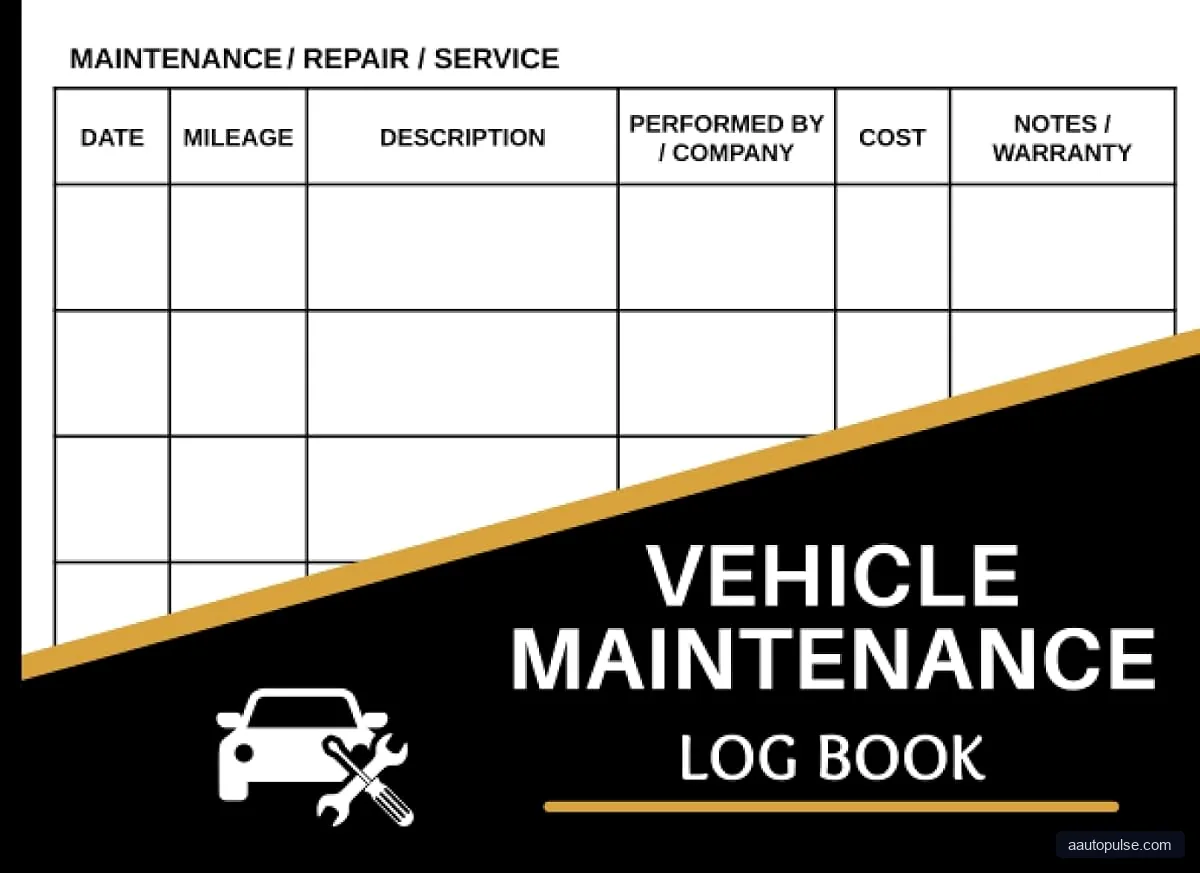
- Track mileage and service dates. Keep a log for oil changes, tire rotations, brake checks, and fluid services.
- Inspect monthly. Look at tire pressure, tire wear, fluid levels, lights, wipers, and dashboard warnings.
- Service by condition and interval. Follow the manual, but shorten intervals if you drive in heat, traffic, or short trips.
- Use diagnostics early. Do not reset warning lights without finding the cause.
- Keep records. Clean records help with resale and make future repairs easier to trace.
For many luxury vehicles, a smart routine also includes battery testing, alignment checks, and software updates when available. Modern cars depend on healthy voltage, and weak batteries can trigger false warnings or electronics glitches.
Typical intervals to verify in your manual
These ranges are common, not universal. Your exact model may differ.
- Oil and filter: about every 5,000 to 10,000 miles
- Tire rotation: about every 5,000 to 7,500 miles
- Brake fluid: about every 2 years
- Cabin and engine air filters: about every 12,000 to 30,000 miles
- Alignment check: after impact, uneven wear, or steering pull
- Battery test: yearly, especially after year 3
Choosing the Right Shop for Luxury Service
Not every repair shop is set up for premium vehicles. The best one should understand brand-specific systems, have proper scan tools, and know how to protect sensitive trim and electronics. Ask clear questions before you book.
| Selection Criteria | What to Look For | Why It Matters |
|---|---|---|
| Diagnostic equipment | Brand-capable scan tools and updated software | Helps find exact fault codes and system issues |
| Service documentation | Clear recommendations and written estimates | Makes future maintenance easier to track |
| Fluid and parts match | OEM-spec or approved equivalents only | Protects warranty and system performance |
| Experience with luxury brands | Familiarity with air suspension, turbo engines, and ADAS systems | Reduces the risk of misdiagnosis |
Strengths of a specialist shop: better diagnostics, brand familiarity, and stronger attention to detail. Limitations: higher labor cost in some markets and longer wait times. Who should choose what: choose a specialist for complex faults, warranty-sensitive work, or brand-specific systems; choose a trusted general shop for basic services only if it can document OEM-level parts and procedures.
For shoppers comparing vehicles or planning for resale, safety matters too. If you are researching a used luxury car, check both NHTSA 5-star ratings and IIHS crashworthiness categories. Strong maintenance history and strong crash results together give a fuller picture of ownership quality.
How to Protect Performance Between Service Visits
Daily habits make a real difference. Gentle warm-up, proper tire pressure, and avoiding hard acceleration on a cold engine can all help. So can keeping the car clean, since road salt and grime can shorten the life of underbody parts and brake hardware.
Use this quick approach between visits:
- Check tire pressure at least once a month and before long trips.
- Listen for new noises from brakes, suspension, or the engine.
- Watch for changes in fuel economy or shifting feel.
- Let the car idle briefly in very cold weather before driving off gently.
- Fix small issues early, before they affect several systems.
If you notice repeated alerts after a battery replacement, oil service, or tire change, ask for a diagnostic scan. Some luxury cars need system resets or adaptations after service. That is one reason generic maintenance shortcuts can fail on premium vehicles.
FAQ
How often should luxury car maintenance be done?
It depends on the model, but many luxury cars need oil service every 5,000 to 10,000 miles, tire rotations every 5,000 to 7,500 miles, and fluid inspections at least once a year. Always check the owner’s manual first, since turbo engines, hybrid systems, and performance packages can change the schedule.
Is luxury car maintenance more expensive than regular car maintenance?
Usually, yes. The parts, fluids, and labor can cost more because the systems are more advanced and sometimes harder to access. Still, preventive care is often cheaper than fixing neglected brakes, transmissions, or engine problems later.
What should I ask when looking for car preventive maintenance near me?
Ask whether the shop uses OEM-spec fluids, has brand-specific scan tools, and provides written inspection notes. Also ask if they can service your exact model’s brakes, suspension, and electronics. That is especially important when searching for preventive maintenance near me for a luxury vehicle.
Can I use a general repair shop for luxury car service?
Yes, for some basic jobs like oil changes or tire rotations, if the shop follows the correct procedures. For diagnostics, software issues, air suspension, or transmission concerns, a luxury-focused shop is usually the safer choice.
What is the most important car engine maintenance item on a luxury vehicle?
Keeping the correct oil level and oil change interval is one of the most important items. Clean oil protects turbochargers, timing components, and internal engine parts. If your manual calls for a special synthetic grade, use that exact spec.
Conclusion
Luxury car maintenance is about protecting the systems that make the car feel special. Stay on top of oil, fluids, tires, brakes, and diagnostics, and use the owner’s manual as your final guide. If you want lasting performance, treat small changes in sound, feel, or warning lights as early clues, not minor annoyances.
Next, review your service schedule, check your tire pressure, and make a short list of symptoms to discuss at your next visit. That simple routine can keep your luxury vehicle smoother, safer, and more dependable for years.
Featured image: Photo: conner395 / CC BY 2.0 via flickr