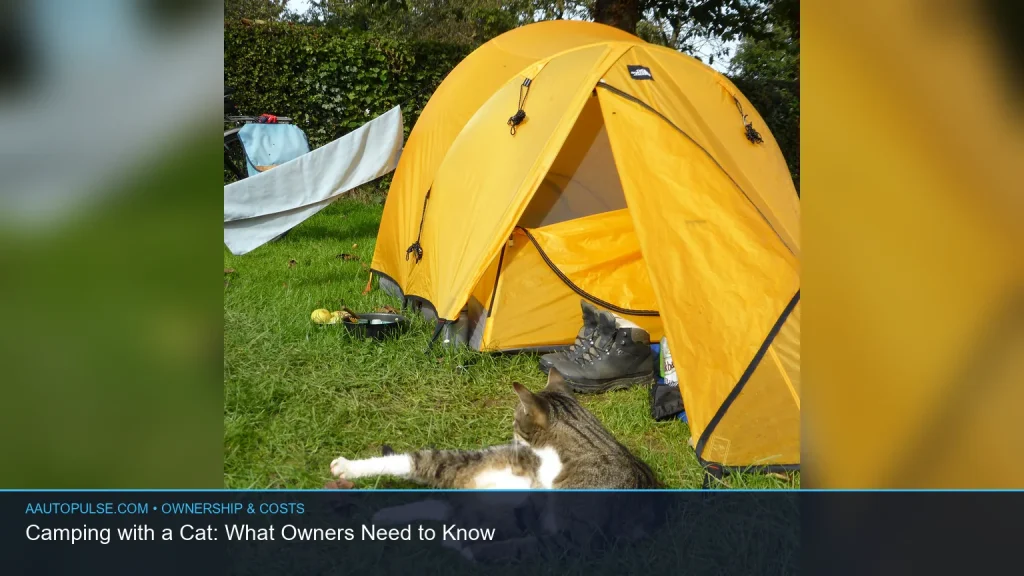
Camping with a cat can work, but it takes more planning than taking a dog. Some cats adapt well to a quiet tent, RV, or cabin stay, while others feel stressed by new sounds, smells, and open space. The key is to judge your cat’s temperament, prepare the right gear, and set up a safe routine before you go. If you want a calm trip, the safest approach is to treat camping with a cat as a controlled outing, not a free-roam adventure.
📖 Table of Contents
- Is Camping with a Cat a Good Idea?
- How to Know if Your Cat Is Ready
- Camping with a Cat: What to Pack and Prepare
- Safety Rules That Matter Most Outdoors
- Choosing the Right Camping Style for Your Cat
- How to Make the Trip Less Stressful
- Common Problems and What to Do
- FAQ About Camping with a Cat
- Conclusion
📌 Key Takeaways
- Not every cat is suited for camping. Calm, confident cats usually do better than shy or highly reactive ones.
- Safety matters most: use secure carriers, ID tags, a harness, and a leash or enclosed setup at all times.
- Plan for stress, heat, weather, wildlife, and escape risks before you leave home.
- Start with short practice sessions and a low-key campsite if you want the best chance of success.
Is Camping with a Cat a Good Idea?
For some owners, yes. For others, no. The best answer depends on your cat’s personality, health, and how you plan to camp. A confident cat that tolerates travel may enjoy a quiet outdoor routine, while a fearful cat may become overwhelmed fast.
Think less about whether a cat can camp and more about whether your specific cat should. If your cat hates carriers, hides from strangers, or panics at new sounds, a trip may create more stress than fun. In that case, boarding, a sitter, or staying home may be the kinder choice.
Also consider the type of camping. An RV or cabin is usually easier than a busy tent site. The more control you have over noise, temperature, and escape routes, the safer and calmer the experience will be.
How to Know if Your Cat Is Ready
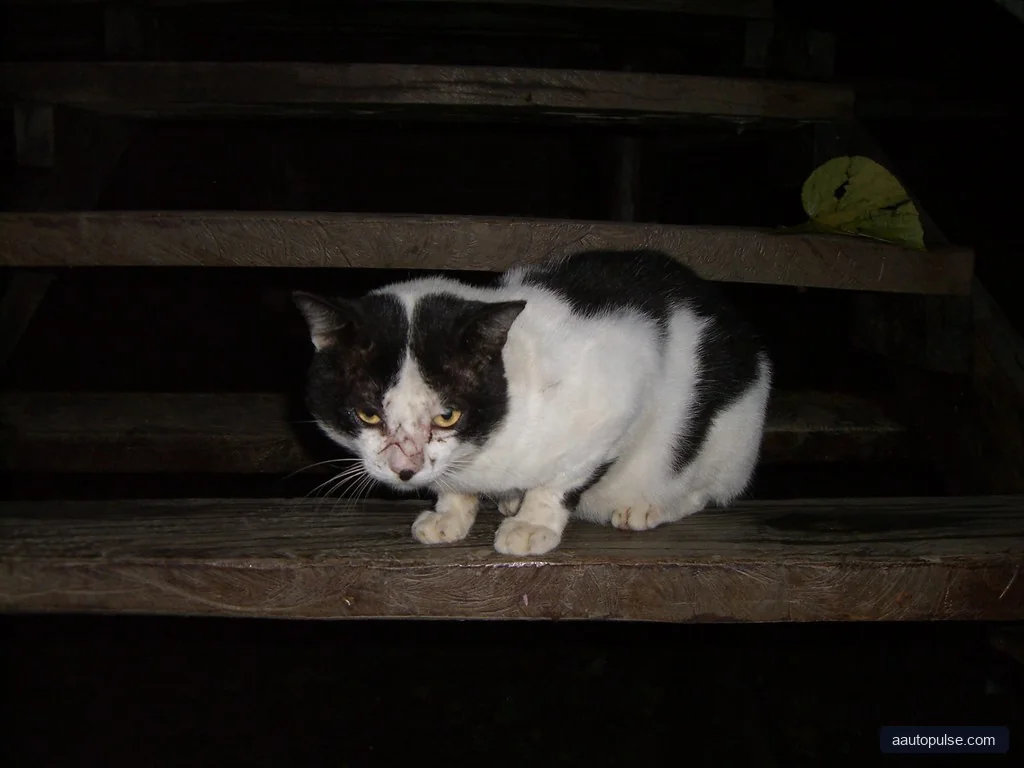
Before you commit, look at your cat’s day-to-day behavior. A cat that handles car rides, new rooms, and handling without major panic is a better candidate than one that freezes or fights when routines change. Comfort at home is not enough; you need signs of flexibility.
Good signs your cat may do well
- Uses a carrier without extreme distress
- Accepts a harness or leash with practice
- Recovers quickly after new sounds or visitors
- Stays calm in a car for short trips
- Does not bolt for open doors
Warning signs your cat may not be ready
- Heavy panting, drooling, or vocal panic during travel
- Repeated hiding or refusal to eat in new places
- Escape attempts whenever doors open
- A history of stress-related illness
- A strong fear of harnesses, noise, or handling
If your cat shows several warning signs, start with home-based training first. A cat that cannot calmly tolerate a short car ride is not ready for a campsite.
Camping with a Cat: What to Pack and Prepare
Preparation makes the biggest difference. Cats do best when their environment feels familiar, even in a new place. Bring items that smell like home, and keep your cat’s routine as steady as possible.
- Use a secure carrier. Your cat should travel in a sturdy carrier, not loose in the car.
- Bring ID and backup ID. Use a collar with a breakaway design and current ID tags, and make sure microchip information is up to date.
- Pack a harness and leash. Use them only if your cat has already been trained to accept them.
- Carry familiar food and water. Sudden diet changes can upset the stomach.
- Bring a litter box setup. A low-stress, covered, or familiar-style box can help your cat use it more reliably.
- Include bedding and comfort items. A blanket or bed from home can reduce anxiety.
- Pack cleaning supplies. Bring waste bags, paper towels, and a safe pet cleaner for accidents.
If you plan to camp often, create a dedicated cat travel kit so you do not forget basics. Before departure, check that all gear is clean, secure, and in good condition.
Safety Rules That Matter Most Outdoors
The outdoors adds hazards that do not exist at home. Wildlife, traffic, poison plants, sharp gear, and open campfires all create risk. A cat should never be allowed to wander freely at a campsite.
Use a leash, carrier, enclosed tent space, or screened area whenever your cat is outside. Even calm cats can bolt when startled by a dog, a loud voice, or a sudden movement. If your campsite is crowded, keep your cat inside or in a controlled setup most of the time.
Watch temperature closely. Cats can overheat in warm weather and get chilled fast when wet or windy. If the weather turns extreme, move indoors or leave the trip early.
Common campsite hazards to avoid
- Open campfires and hot cookware
- Loose food that attracts wildlife
- Untethered pets nearby
- Open vehicle doors and tent zippers
- Poisonous plants, pesticides, or antifreeze around campground facilities
Never assume your cat will “stay close.” Cats are fast, quiet, and hard to recover once they slip away. A microchip helps, but prevention is far better than rescue.
Choosing the Right Camping Style for Your Cat
Not all camping setups are equal. Some offer more control, shade, and security than others. The best option is the one that matches your cat’s tolerance level and your ability to supervise closely.
| Camping style | Strengths | Limitations | Best for |
|---|---|---|---|
| RV camping | More climate control, familiar interior space, easier containment | Still needs escape prevention and heat management | Cats that travel better indoors and need a stable environment |
| Tent camping | Simple, flexible, low cost | More exposure to noise, temperature swings, and escape risk | Highly calm cats with strong carrier and leash habits |
| Cabin or glamping | More shelter, often easier cleanup and supervision | Rules vary, and the cat still needs control indoors | First-time trips or cats that need a quieter setup |
Who should choose what? If your cat is new to travel, start with the most controlled option you can find, usually a cabin or RV. Tent camping is best saved for cats that already handle carriers, harnesses, and change with ease. If your cat is sensitive or hard to manage, the safest choice may be not to camp at all.
How to Make the Trip Less Stressful
Success depends on routine. Feed on schedule, offer water often, and keep introductions slow. Give your cat one quiet space that feels like a base camp, and avoid constant movement between areas.
A short practice run helps a lot. Try the carrier, car ride, and harness at home before the actual trip. You can also do a short overnight in the driveway or a nearby low-risk location to see how your cat responds.
At the campsite, let your cat settle before expecting any exploration. Some cats will hide for hours. That can be normal, but you should still monitor breathing, appetite, litter box use, and overall behavior.
Simple stress-reduction tips
- Keep loud voices and sudden handling to a minimum
- Cover the carrier partway if visual stimulation is too much
- Use consistent feeding and litter times
- Avoid introducing unfamiliar animals
- Stop the outing if your cat seems truly overwhelmed
Common Problems and What to Do
Even careful planning cannot prevent every issue. The goal is to spot problems early and respond before they turn into a bigger risk. If your cat is not eating, will not use the litter box, or is trying to escape, treat that as a warning sign.
| Problem | Possible cause | What to do |
|---|---|---|
| Refuses to eat | Stress, motion sickness, unfamiliar surroundings | Keep things quiet, offer familiar food, and monitor closely |
| Won’t use litter box | Anxiety, poor setup, too much change | Place the box in a quiet, stable spot and reduce stressors |
| Escapes or keeps trying to bolt | Fear, overstimulation, weak containment | Stop outdoor exposure and tighten containment right away |
| Panting or extreme hiding | High stress, heat, or illness | Move to a cooler, quieter place and seek veterinary help if it continues |
If your cat shows severe stress, end the trip early. A failed outing is still useful information, and your cat’s comfort matters more than finishing the plan.
FAQ About Camping with a Cat
Can all cats go camping?
No. Some cats adapt well, but many do not. Cats that are fearful, highly territorial, or very sensitive to change often struggle outside their normal environment.
Should my cat wear a harness and leash while camping?
Only if your cat is already trained and comfortable with them. A harness and leash can help with control, but they are not a substitute for supervision or secure containment.
Is it safe to let a cat roam at a campsite?
No. Roaming adds serious risks, including getting lost, encountering wildlife, and slipping away when startled. Cats should stay contained or closely controlled at all times.
What is the best first camping setup for a cat?
A quiet cabin or RV is usually the easiest starting point because it gives you more control over temperature, noise, and escape routes. A well-managed tent site may work later if your cat handles the first trip well.
When should I cancel a camping trip with my cat?
Cancel or leave early if your cat stops eating, seems panicked, cannot stay contained, or shows signs of illness. A calm, safe return home is better than pushing through stress.
Conclusion
Camping with a cat is possible, but it is not automatic. The safest approach is to match the trip to your cat’s personality, use secure containment, and keep the environment as predictable as you can. Start small, watch for stress, and be ready to adjust your plans.
If you are unsure, test your cat’s comfort with a short car ride, a carrier session, and a low-pressure overnight before planning a full trip. When in doubt, choose the option that keeps your cat safest and least stressed.
Featured image: Photo: Kitty Terwolbeck / CC BY 2.0 via flickr