If you’re thinking about buying or already own automotive antiques, the big question is not just what they are worth, but what they cost to keep. Ownership expenses can range from modest, if the car is lightly driven and well documented, to surprisingly high when parts are rare, storage is poor, or restoration work keeps piling up. This guide explains the main cost drivers for 2026, shows where budgets usually go, and helps you decide whether an antique car fits your goals, time, and wallet.
📖 Table of Contents
- What Counts as Automotive Antiques in 2026?
- The Main Cost Buckets You Should Plan For
- What Routine Maintenance Usually Looks Like
- Common Ownership Costs by Use Case
- How to Budget for Automotive Antiques in 2026
- How Classic Car Types Affect Long-Term Costs
- Safety, Reliability, and When to Walk Away
- FAQ: Automotive Antiques Ownership Costs
- Conclusion: Plan Before You Buy
📌 Key Takeaways
- Ownership cost is driven by condition, rarity, and storage. A clean, well-kept car usually costs less than a tired project with missing parts.
- Insurance, maintenance, and secure storage are the core recurring expenses. Restoration and parts sourcing create the biggest spikes.
- Classic vs antique car matters. The older and rarer the vehicle, the more likely you are to face specialty parts, expert labor, and slower repairs.
- The best choice depends on use. Driver-grade cars suit weekend use, while museum-style automotive antiques may make sense for collectors focused on preservation.
What Counts as Automotive Antiques in 2026?
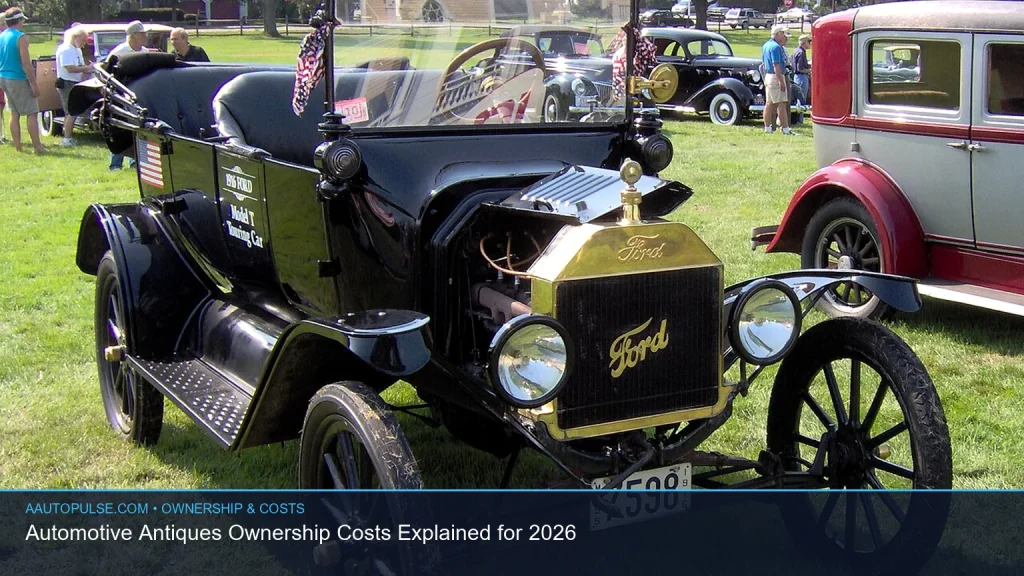
The term automotive antiques is often used for very old vehicles that are preserved, restored, or collected for their historical value. In the U.S., people often group these cars with classic and vintage vehicles, but the labels are not always the same. The exact meaning can vary by state, insurer, club, or auction house.
That matters because the category can affect registration, insurance, and the kind of maintenance plan you need. Some owners use “classic car types” to describe everything from early brass-era cars to 1980s collectibles, while others reserve “antique” for much older vehicles only.
Classic vs antique car: why the label changes costs
The difference between a classic vs antique car is often about age, originality, and how the car is used. Antique vehicles are usually older and more delicate, which can mean harder-to-find parts and more careful upkeep. Classic cars may have better parts support and more mechanics willing to work on them.
That distinction affects more than pride of ownership. It can change storage needs, annual service planning, and even how fast you can get a repair done when something breaks.
The Main Cost Buckets You Should Plan For
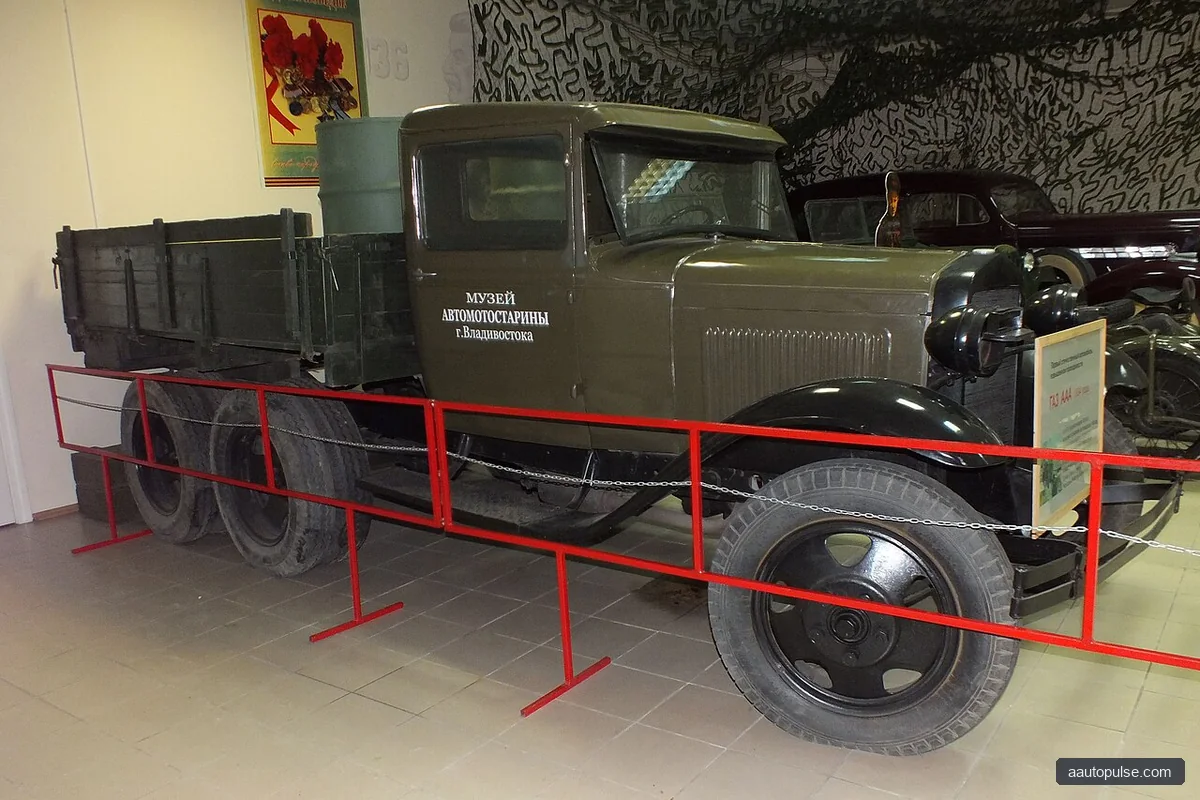
Most ownership costs fall into a handful of categories. If you can estimate each one before you buy, you will avoid many surprises later.
1. Purchase price and restoration spread
The initial price is only part of the real cost. A cheaper car that needs metal work, paint, upholstery, and mechanical sorting can end up costing more than a better-preserved example.
When comparing classic car models, look closely at what is already done and what is still missing. Cars with solid bodies, complete trim, and a documented service history are usually safer bets than unfinished projects.
2. Insurance and registration
Insurance for automotive antiques is often different from regular auto coverage. Many owners use specialty or agreed-value policies, but rules vary by carrier and state. You will usually need to verify mileage limits, storage requirements, and whether the car is used for shows, parades, or occasional drives.
Registration can also differ if the vehicle qualifies for antique plates. Check local DMV rules before you count on lower fees or restricted-use benefits.
3. Storage and climate control
Storage is one of the most underrated expenses. A dry, secure garage can help protect paint, chrome, tires, wiring, and interior trim. If your vehicle sits outside, you may see faster wear, more rust risk, and more frequent cleaning and repair needs.
For many owners, indoor storage and a battery maintainer are not optional. They are part of protecting the car’s long-term value.
4. Maintenance and repairs
Mechanical upkeep on automotive antiques is often more hands-on than on modern vehicles. Rubber hoses age, seals harden, carburetors need attention, and old electrical systems can develop intermittent faults. Even when mileage is low, age itself creates service needs.
A good rule is to budget for both scheduled maintenance and surprise repairs. Old cars rarely fail in neat, predictable ways.
What Routine Maintenance Usually Looks Like
Exact service intervals vary by make and model, so always verify the owner’s manual or a trusted marque guide. Still, many antique and classic vehicles follow a similar maintenance rhythm, especially if they are driven a few hundred to a few thousand miles per year.
| Service Area | Typical Watch Point | What to Check |
|---|---|---|
| Engine oil | Often every 3,000 miles or yearly for lightly driven older cars | Level, color, leaks, oil pressure behavior |
| Cooling system | Seasonal inspection | Hoses, belts, coolant condition, thermostat, radiator leaks |
| Brakes | Before each driving season and at first warning signs | Pedal feel, fluid leaks, shoe/pad wear, pull to one side |
| Fuel system | Annual inspection or after long storage | Stale fuel smell, clogged filters, hard starts, carburetor issues |
| Battery and charging | Monthly during storage | Voltage, terminals, corrosion, slow cranking |
For service capacity details, use your manual or model-specific literature. Many older engines and drivetrains have unique oil capacities, coolant volumes, and fluid specs that should not be guessed. If you are unsure, confirm with a marque club, restoration shop, or factory documentation.
Common Ownership Costs by Use Case
The way you use the car may matter more than the badge on the hood. A garage-kept weekend car usually costs less than a driver that sees frequent road miles, long trips, or harsh weather.
| Use Case | Strengths | Limitations | Best Fit |
|---|---|---|---|
| Show car | Lower annual miles, careful preservation, often easier to keep original | Storage costs, detailing, limited use, some parts may degrade from sitting | Collectors focused on originality |
| Weekend driver | Enjoyable, more reliable exercise for mechanical systems | More wear than a show car, regular upkeep required | Owners who want use and preservation |
| Project car | Lower entry price, room for customization | Highest risk of overruns, hidden rust, missing parts, labor surprises | Experienced hobbyists with time and patience |
Who should choose what: If you want the most predictable ownership experience, choose a well-sorted driver or show-quality car with records. If you want a hands-on restoration journey, a project may be right, but only if you have extra time, a realistic budget, and access to specialty help.
How to Budget for Automotive Antiques in 2026
A smart budget starts before the purchase. The goal is to estimate not just what the car costs now, but what it will cost to keep it usable and protected over time.
- Set a total ownership budget. Include purchase price, transport, initial repairs, insurance, storage, and a repair reserve.
- Inspect the car for age-related wear. Check rust, wiring, brakes, tires, seals, fuel lines, and evidence of poor past repairs.
- Confirm parts support. Ask how easy it is to source trim, glass, engine parts, and body panels for that model.
- Get documentation. Service records, build sheets, restoration photos, and title history can save money later.
- Plan for specialist labor. Some jobs need vintage carburetor knowledge, bodywork skill, or model-specific expertise.
One practical caution: a car that seems “finished” may still need sorting after purchase. Small issues such as cooling quirks, charging problems, door gaps, or brake fade can become expensive if they are ignored.
How Classic Car Types Affect Long-Term Costs
Different classic car types bring different expense patterns. A simple body-on-frame cruiser may be easier to service than a rare luxury coupe with unique trim and hard-to-find body parts. Sports cars may need more frequent attention if they were built for performance rather than relaxed touring.
These differences also show up in labor. A car with widely available reproduction parts can be easier to keep on the road, while a rare car may require fabrication, restoration-grade chrome work, or long waits for original pieces.
Signs a car may cost more than it looks
- Rust in structural areas or underbody panels
- Non-original wiring with poor splices
- Missing trim, badges, or interior hardware
- Hard-start, overheating, or charging-system issues
- Evidence of incomplete restoration work
- No records for major repairs or engine work
If you see several of these at once, expect higher ownership costs. The purchase price may be only the opening bid.
Safety, Reliability, and When to Walk Away
Older vehicles were built under very different safety standards. They may not offer modern crash protection, electronic stability control, or advanced airbags. If you are comparing them to newer vehicles, remember that current safety evaluation often uses NHTSA 5-star ratings and IIHS crashworthiness categories, which many antique vehicles were never designed to meet.
That does not mean an antique cannot be enjoyed safely. It does mean you should be realistic about braking performance, visibility, tire age, lighting, and structural integrity.
Troubleshooting guide for common warning signs
| Symptom | Likely Cause | What to Do Next |
|---|---|---|
| Hard starting after storage | Stale fuel, weak battery, carburetor buildup | Check battery health, fuel freshness, and ignition basics |
| Overheating in traffic | Cooling system wear, clogged radiator, weak fan performance | Inspect coolant flow, belts, hoses, and radiator condition |
| Pulling under braking | Brake adjustment, fluid issue, uneven wear | Stop driving and inspect the brake system promptly |
| Electrical flicker or dead accessories | Ground faults, corroded connectors, aging harness | Test grounds and inspect wiring before parts swapping |
If a safety issue affects steering, brakes, or fuel delivery, treat it as urgent. Antique ownership should be enjoyable, but it should never depend on wishful thinking.
FAQ: Automotive Antiques Ownership Costs
Are automotive antiques more expensive to insure than regular cars?
Not always. Specialty policies for automotive antiques can be affordable compared with standard daily-driver coverage, especially if the car is stored securely and driven limited miles. But the exact cost depends on agreed value, usage rules, and where you live, so current quotes should be verified with insurers directly.
What is the biggest hidden cost with antique cars?
Unplanned restoration work is often the biggest surprise. Rust repair, missing trim, wiring fixes, and specialty labor can add up quickly. In many cases, the true cost appears only after the first deep inspection.
How do classic car models affect budget planning?
Some classic car models have strong parts support, active owner communities, and many repair guides. Others have scarce parts and fewer specialists. That difference can change both your repair speed and total cost.
Should I buy a project car or a finished antique?
If your goal is lower risk and more predictable spending, a finished or well-sorted car is usually the safer choice. A project car can be rewarding, but it is best for buyers who understand fabrication, have storage space, and can handle delays.
How often should I drive an antique car?
There is no single rule. Many owners drive them enough to keep systems active, then store them properly between outings. The key is to avoid long periods of neglect, use fresh fluids, and follow the maintenance schedule in the owner’s manual or marque guide.
Conclusion: Plan Before You Buy
Automotive antiques can be deeply rewarding, but they are not cheap to own by default. The smartest buyers think beyond purchase price and budget for storage, insurance, maintenance, and the chance of specialty repairs. If you compare classic vs antique car options carefully, check parts support, and verify service needs with the manual, you will make a much better decision.
Before you buy, inspect the car, set a reserve fund, and decide whether you want a show piece, a weekend driver, or a restoration project. That one choice will shape almost every cost that follows.