Classic car restoration challenges can be exciting, but they can also get expensive fast. The biggest issues are usually rust, missing parts, hidden damage, and labor costs that climb as soon as the car is stripped down. If you are wondering how much does it cost to restore a classic car, the honest answer is: it depends on the car’s condition, your goals, and how much work you can do yourself. Below, we break down the main problems, the real cost drivers, and how to decide whether a project is worth it.
📖 Table of Contents
- Why Classic Car Restoration Becomes So Challenging
- The Main Classic Car Restoration Challenges to Watch
- How Much Does It Cost to Restore a Classic Car?
- A Practical Way to Decide Whether a Project Is Worth It
- How to Restore a Car Without Losing Control of the Budget
- What About Safety, Inspection, and Long-Term Value?
- FAQ: Classic Car Restoration Challenges and Costs
- Conclusion: Start Smart, Not Fast
📌 Key Takeaways
- Rust, hidden damage, and missing parts are the most common classic car restoration challenges.
- The classic car restoration cost can range widely because labor, bodywork, and parts often cost more than expected.
- Buying a cheaper project car is not always cheaper if the shell, frame, or trim is badly damaged.
- A smart restoration starts with a clear plan, a realistic budget, and a full inspection before you buy.
Why Classic Car Restoration Becomes So Challenging
Restoring an old car is very different from basic repair work. With vehicle restoration, you are often dealing with age, wear, previous repairs, and parts that may no longer be easy to find. What looks like a simple project can turn into a long list of metal repair, wiring work, upholstery, and engine cleanup once the car is fully inspected.
The biggest challenge is that old cars hide problems well. Paint can cover rust, fresh carpet can hide floor damage, and a running engine does not always mean the rest of the car is sound. That is why many restorations cost more than the buyer first expects.
The Main Classic Car Restoration Challenges to Watch
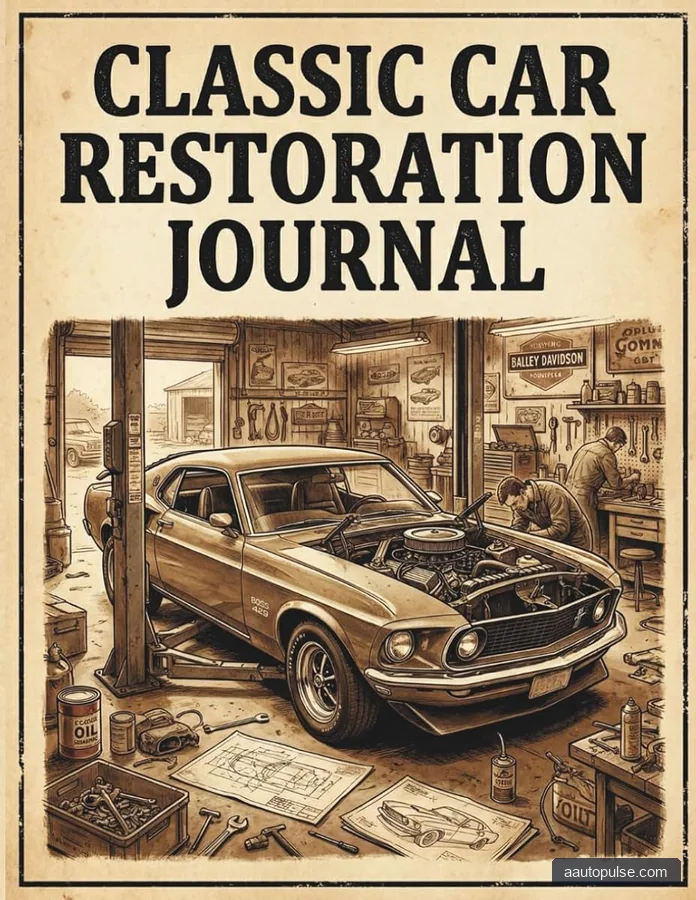
Most projects run into the same few problems. Knowing them early helps you avoid expensive surprises and decide whether the car is a good candidate for restoration.
Rust and structural damage
Rust is one of the most serious issues in classic car restoration. Surface rust may be manageable, but rust in floors, rocker panels, frame rails, suspension mounts, or around the windshield can affect safety and value. If rust has reached structural areas, the project can move from cosmetic repair to major metal fabrication.
Many buyers ask, how do people restore rusted classics? The answer is usually a mix of cutting out damaged metal, welding in repair panels, treating hidden corrosion, and sealing everything carefully. This is skilled work, and it can take far more time than expected.
Missing or incorrect parts
Old cars are often incomplete. Trim, badges, glass, brackets, interior pieces, and even small clips can be missing. Some parts are reproduced, but others must be sourced used, rebuilt, or custom-made, which adds time and cost.
Incorrect parts are another issue. A car may look complete but have replacement pieces from a different year or trim level. That can make the restoration harder because fit and authenticity become a problem.
Hidden mechanical wear
An engine that starts does not guarantee a healthy drivetrain. Older cars can have worn seals, weak cooling systems, tired brakes, leaky fuel lines, and electrical problems. If the car has been sitting for years, rubber parts and fluids may also be degraded.
Before you plan your budget, check common maintenance points. For example, engine oil capacity, transmission fluid needs, brake system condition, and service intervals should always be confirmed in the owner’s manual or service guide for the exact vehicle. Generic advice can help, but old cars vary a lot by model and engine.
Poor previous repairs
Some classic cars have already been repaired once or twice. Unfortunately, old repairs may be low quality or done with the wrong materials. Body filler can hide damage, wiring may be patched poorly, and previous collision work can affect panel alignment.
These problems are hard to spot at first glance. A careful inspection with lights, magnets, and a qualified body shop estimate can help reveal what is beneath the paint.
How Much Does It Cost to Restore a Classic Car?
The short answer is that classic car restoration cost depends on the car’s starting condition and your target result. A driver-quality refresh costs much less than a full frame-off restoration. The more complete, original, and road-ready you want the car to be, the more you should expect to spend.
Labor is often the biggest cost. Bodywork, paint, engine rebuilding, upholstery, chrome plating, and electrical repair can each add up quickly. Even if parts are available, shipping and fabrication can raise the total.
| Restoration Level | Typical Scope | Best For | Main Tradeoff |
|---|---|---|---|
| Driver refresh | Basic mechanical service, minor cosmetics, safety items | Owners who want to enjoy the car sooner | Less originality and fewer show-quality details |
| Partial restoration | Body repairs, paint, select mechanical rebuilds, interior work | Buyers balancing cost and appearance | Costs can still rise fast if rust is found |
| Full restoration | Full tear-down, rust repair, complete repaint, engine, interior, trim | Collectors and long-term owners | Highest time and money commitment |
Who should choose what? If you want a fun weekend cruiser, a driver refresh may be the best fit. If you want showroom results, a full restoration makes sense, but only if the car is solid enough to justify the investment. If the car has major rust or missing major components, even a “cheap” project may not be the best value.
A Practical Way to Decide Whether a Project Is Worth It
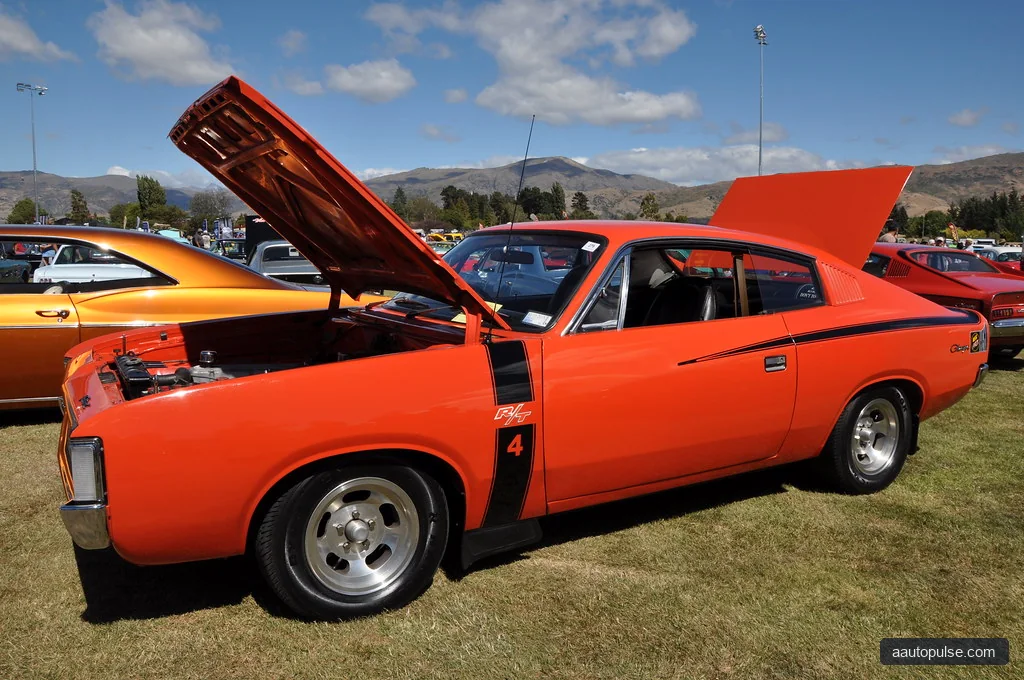
Before you buy, treat the car like a decision, not a dream. A clean-looking classic can still be a poor project if the shell is weak or parts are hard to find. Use a simple inspection process to estimate risk before you commit.
- Inspect the structure first. Check floors, frame rails, rocker panels, trunk drops, suspension mounts, and door hinges.
- Look for rust patterns. Surface rust is not the same as deep corrosion. Soft metal or bubbling paint usually means bigger trouble.
- Check part availability. Confirm whether major trim, glass, interior pieces, and mechanical parts are still reproduced or easy to source.
- Review the drivetrain. Determine whether the engine, transmission, brakes, and cooling system need full rebuilds or basic service.
- Estimate labor honestly. If you cannot weld, paint, or rebuild an engine, budget for professional help.
- Add a contingency fund. Old cars always uncover something unexpected, so build in extra room.
| Problem | What It Usually Means | Best Next Step |
|---|---|---|
| Bubbling paint | Rust beneath the surface | Probe the area and inspect behind panels |
| Oil leaks and smoke | Worn seals, rings, or gaskets | Compression test and leak-down check |
| Weak brakes | Old fluid, seized parts, worn rubber lines | Inspect hydraulics and replace aged components |
| Electrical glitches | Corrosion, bad grounds, worn wiring | Test circuits before opening the harness |
How to Restore a Car Without Losing Control of the Budget
If you are asking how to restore a car without getting buried in costs, the answer is to restore in stages. Start with safety and drivability, then move to appearance. That approach helps you enjoy the car sooner and keeps the project from becoming overwhelming.
Many owners begin with braking, steering, tires, fuel system cleanup, and basic engine service. After that, they move to rust repair, paint, trim, and interior work. This staged method is often the most realistic path for a home garage project.
Useful cost-control habits
Plan parts purchases in advance, keep a written list, and compare reproduction versus used pieces. Also, do not chase perfection in areas that will not change the car’s reliability or safety. A clean, solid driver can be a better result than a half-finished show car.
If the car needs mechanical maintenance, verify intervals and fluid specs for the exact model. Many classics have unique service needs, and some engines or transmissions can be damaged by the wrong oil grade, fluid type, or fill level. Use the manual or a trusted model-specific guide for confirmation.
What About Safety, Inspection, and Long-Term Value?
Safety matters even more in old cars because design standards were different when they were built. Classic cars were not tested to modern benchmarks like NHTSA 5-star ratings or IIHS crashworthiness categories in the way new cars are today. That means you should focus on mechanical soundness, brake performance, steering play, tire condition, and structural rust before the car returns to the road.
If you are restoring for value, originality and documentation also matter. Matching numbers, correct trim, factory-style finishes, and a good paper trail can help, but only if the car itself is sound. A very expensive restoration on a rough car may not always return its full cost at resale.
FAQ: Classic Car Restoration Challenges and Costs
How much does it cost to restore a classic car?
There is no single number. The classic car restoration cost depends on rust, mechanical condition, parts availability, and how much work you hire out. A basic driver refresh is usually far less expensive than a full restoration, but hidden damage can change the budget quickly.
What is the biggest challenge in classic car restoration?
Rust is often the biggest challenge because it can affect safety, structure, and bodywork all at once. After that, missing parts and poor previous repairs are usually the next biggest headaches.
Can I restore a classic car myself?
Yes, many owners do. The best DIY projects are cars with solid structure, good parts support, and manageable mechanical needs. If the car needs major welding, paint, or electrical repair, you may still want professional help for those steps.
How do people restore rusted classics without replacing the whole car?
They usually cut out damaged metal, weld in repair sections, treat hidden corrosion, and protect the area with primer, seam sealer, and paint. The key is to repair rust correctly, not just cover it.
What should I check before buying a restoration project?
Check the frame, floors, rocker panels, engine condition, wiring, trim completeness, and whether parts are still available. Also inspect for signs of past collision damage and ask for any service records or restoration notes.
Conclusion: Start Smart, Not Fast
Classic cars can be rewarding, but the best projects begin with a clear-eyed look at the work ahead. The main classic car restoration challenges are rust, hidden damage, missing parts, and labor costs that grow as the job gets deeper. If you inspect carefully, budget realistically, and restore in stages, you will have a much better chance of finishing a car you can enjoy.
Before you buy, study the car’s condition, confirm parts support, and verify service needs with the correct manual or guide. A smart first decision can save you from the most expensive surprises later.