Choosing the best all terrain tires for snow ice and rain means balancing traction, durability, and road manners. For drivers who need one tire to handle wet highways, slushy city streets and light off-road trails, choose an all-terrain with deep siping, a winter-rated compound (look for the 3PMSF symbol), and a tread pattern that evacuates water. Below I’ll walk through what to look for, compare tire types, list strengths and limits, and help you pick the right tire for your use.
📖 Table of Contents
- The basics: How all-terrain tires handle snow, ice, and rain
- Key features to look for when shopping
- Types compared: All-terrain vs all-season vs all-weather vs winter
- Strengths and limitations of all-terrain tires for snow, ice, and rain
- Who should choose what — clear recommendations
- How to choose and fit the right all-terrain tire: selection criteria
- Maintenance, driving tips, and safety cautions
- FAQ
Products mentioned
- ZORYX 100LBS Heavy Duty Walk-Behind Broadcast Spreader, 13″ All-Terrain Tires, Carbon Steel Frame, Adjustable Push Spreader for Fertilizer, Seed, Salt & Ice Mel
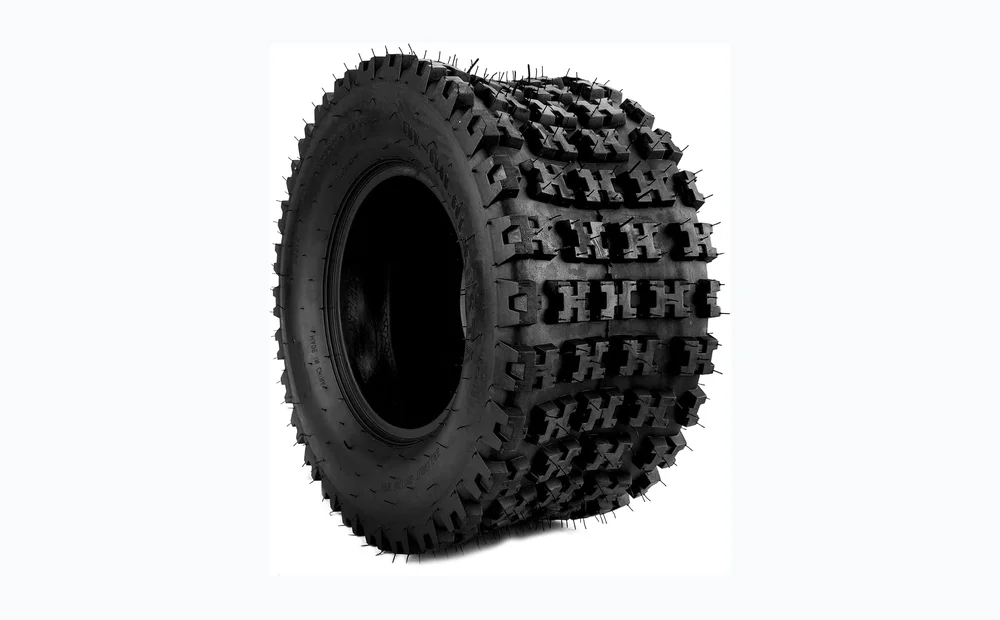
View current product details - PHILTOP ATV UTV All-Terrain Tires 20×10-9,Go Kart Mini Bike Tire,4PR, Set 1
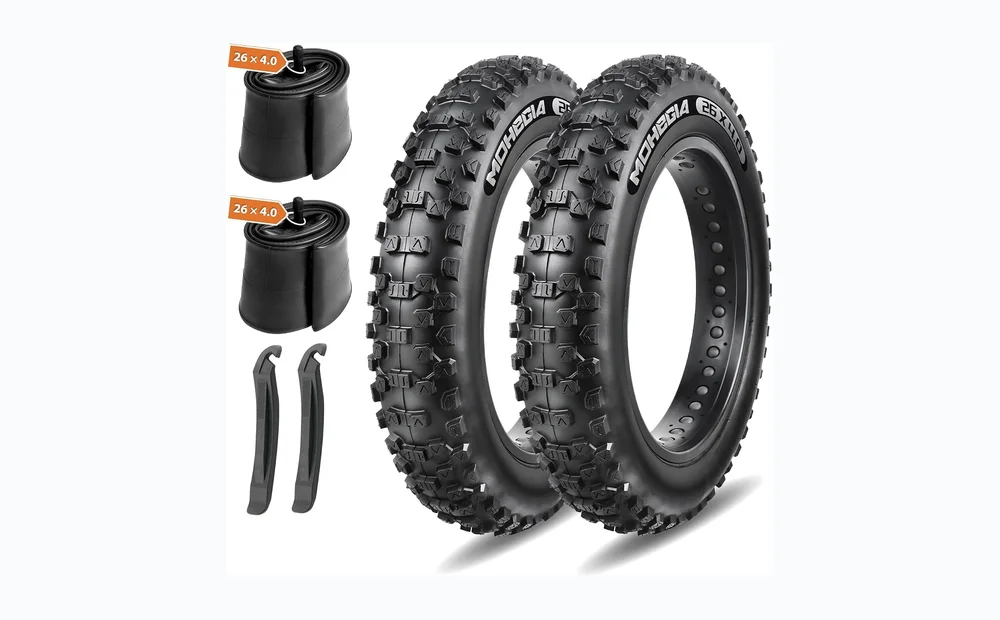
View current product details - MOHEGIA Ebike Fat Tire: 20×4.0/26×4.0 Inch E-Bike Mountain Bicycle Tire Replacement,High-Performance and All-Terrain Folding Electric MTB Tire with Offroad or T
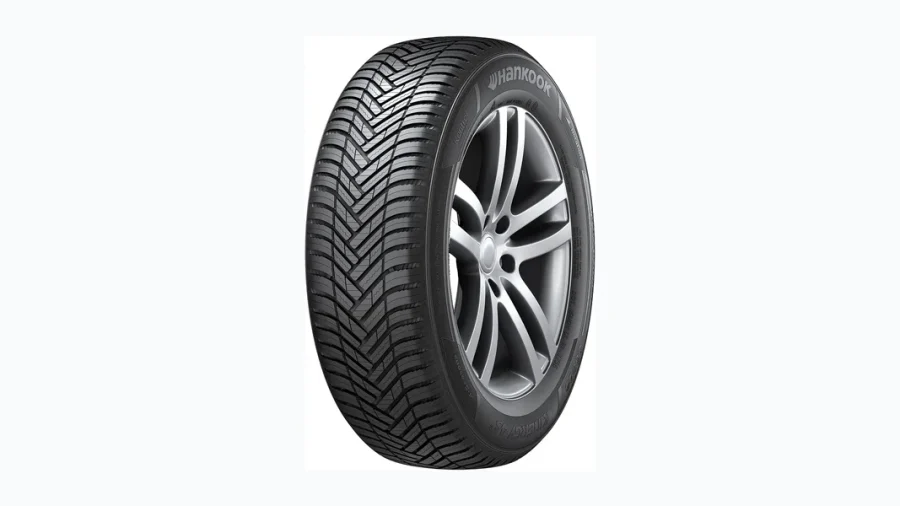
View current product details - Hankook Kinergy 4S2 (H750) All Weather 205/65R16 95H Passenger Tire
View current product details
Availability, specifications, and prices can change; verify them on the product page.
📌 Key Takeaways
- Look for an all-terrain tire that carries the 3PMSF (mountain snowflake) mark for credible winter capability.
- Siping, a softer winter compound, and wide circumferential grooves improve grip on snow, ice, and standing water.
- All-terrain tires trade some road comfort and fuel economy for off-road traction; choose based on where you drive most.
- If you drive mainly on plowed roads with occasional trails, a winter-rated all-terrain is a strong compromise; if you face frequent ice, consider dedicated winter tires.
The basics: How all-terrain tires handle snow, ice, and rain
All-terrain tires are built to work on dirt and pavement. For snow and ice, performance depends on tread design, rubber compound, and siping. Rain traction needs channels to move water away from the contact patch. No single design is perfect for every condition, but modern AT tires with winter certification can provide reliable year-round performance for many drivers.
Key features to look for when shopping
When comparing tires, focus on several measurable features rather than marketing claims. These will tell you how the tire will behave in wet, snowy, and icy conditions.
- 3PMSF (Three-Peak Mountain Snowflake) — indicates the tire meets a defined winter traction standard. Prefer this for snow and slush.
- Siping — small slits in tread blocks increase biting edges for snow and ice grip.
- Groove design — wide, deep circumferential grooves help channel water and slush away.
- Rubber compound — softer compounds stay pliable in cold weather; check manufacturer notes for winter compound claims.
- Tread block arrangement — interlocking blocks reduce squirm on pavement while still offering off-road bite.
Types compared: All-terrain vs all-season vs all-weather vs winter
This quick comparison helps you decide which category matches your driving conditions and priorities.
| Type | Best for | Strengths | Limitations |
|---|---|---|---|
| All-Terrain (AT) | Mixed pavement and light-to-moderate off-road; variable weather | Good off-road traction; robust construction; decent wet traction | Harsher ride, higher noise, and often worse fuel economy than highway tires |
| All-Season | Mostly pavement, mild winters | Quiet and comfortable; long tread life; usable year-round in mild climates | Poor on ice and deep snow; not ideal for off-road |
| All-Weather (AW) | Drivers who want a true year-round compromise | Often carries 3PMSF; better winter grip than all-season; smoother than AT | Less off-road capability than AT; still a compromise for heavy snow/ice |
| Winter (Snow) Tires | Consistent heavy snow and icy roads | Best cold-weather traction; optimized compound and tread for ice/snow | Faster wear in warm weather; lower fuel economy; you’ll need a second set of wheels |
Strengths and limitations of all-terrain tires for snow, ice, and rain
Understanding trade-offs helps you set realistic expectations.
- Strengths: Durable sidewalls, aggressive tread for mud and snow, and good water evacuation on many models.
- Limitations: Often louder and less fuel efficient than highway tires. On pure ice, even winter-rated AT tires may be outperformed by dedicated winter tires.
- Fitment and load: Some AT tires are heavier and have higher rolling resistance. Verify load ratings for your vehicle and consider wheel/tire size compatibility.
Who should choose what — clear recommendations
Pick a tire that matches how you drive most of the time.
- Choose winter tires if you regularly drive on unplowed roads, face frequent ice, or need maximum stopping power in cold months.
- Choose a winter-rated all-terrain (3PMSF) tire if you split time between off-road trails and snowy or rainy roads and want one set year-round.
- Choose all-weather or all-season if you drive mostly on pavement, experience mild winters, and want a smoother, quieter ride.
- Urban drivers with occasional off-road may prefer a milder AT pattern or a dedicated all-weather tire like the Hankook Kinergy 4S2 for passenger applications; check fitment and winter rating with the seller.
How to choose and fit the right all-terrain tire: selection criteria
Follow these steps before you buy and fit tires to your vehicle.
- Check your vehicle’s owner manual for recommended sizes and load ratings.
- Decide your priority: snow/ice stopping distance, off-road traction, or on-road comfort.
- Look for the 3PMSF mark if winter traction is important. Also check manufacturer notes for ice-specific compounds.
- Compare warranty, tread-life statements, and available sizes from reputable dealers.
- Confirm the tire’s speed and load rating match or exceed your vehicle requirements.
- Have tires mounted and balanced by a reputable shop and get a proper alignment after install.
Who to consult
Talk to local tire shops about regional snow and road conditions. If you need a passenger all-weather option, the Hankook Kinergy 4S2 is one example of an all-weather passenger tire that some drivers consider for mixed conditions; verify the specific trim and winter rating with the seller.
Maintenance, driving tips, and safety cautions
Good maintenance and driving technique improve safety in snow, ice and rain.
- Keep tires inflated to the manufacturer’s recommended pressure; cold weather lowers tire pressure.
- Rotate tires per the vehicle’s service recommendations to even out wear.
- Replace tires when tread depth nears 4/32″ for winter safety; check local guidance if unsure.
- Drive slower in cold, wet, or icy conditions and increase your following distance.
- When conditions are severe (black ice, heavy storms), consider switching to dedicated winter tires or delaying travel.
FAQ
-
Q: Can an all-terrain tire really replace a winter tire?
A: A winter-rated all-terrain can be a good compromise for mixed use, but dedicated winter tires typically outperform ATs on ice and deep snow. If you face extreme winter conditions often, a winter set is safer.
-
Q: What does the 3PMSF symbol mean?
A: The three-peak mountain snowflake symbol indicates the tire passed a specific test for snow traction. It’s a useful marker when choosing tires for winter conditions.
-
Q: Will all-terrain tires increase fuel consumption?
A: Many AT tires are heavier and have higher rolling resistance than highway tires, which can reduce fuel economy. Exact impact varies by model and driving style.
-
Q: Are all-terrain tires noisy?
A: Some AT patterns are louder on pavement due to large tread blocks. Milder AT designs offer a quieter ride but may sacrifice some off-road bite.
Conclusion — Practical next step: List your priorities (percent highway vs off-road, frequency of icy roads), confirm your vehicle’s tire size and load rating, then choose a winter-rated all-terrain if you need mixed capability. Visit a trusted tire retailer to compare models and verify the 3PMSF marking and fitment before purchasing.