Electric vehicles are safe for most US drivers when they are built, charged, and used the right way. Like any car, they have risks, but EVs also include strong battery protections, crash-test standards, and advanced driver alerts. If you are weighing an EV or already own one, the key is knowing how electric vehicle safety works in real life: charging, battery care, crash ratings, and what to do in an emergency. This guide breaks it down in plain language so you can drive, charge, and park with more confidence.
📖 Table of Contents
- What electric vehicle safety really means
- How EVs protect drivers in a crash
- Battery safety: what most drivers should know
- Charging safety at home and on the road
- Weather, water, and road hazards
- How to think about EV safety when shopping
- What to do after a crash, fire, or warning alert
- Common EV safety myths
- FAQ
- Conclusion
📌 Key Takeaways
- EVs are designed with battery shields, crash structures, and safety systems that help reduce risk in everyday driving.
- Most safety issues come from charging mistakes, damaged equipment, flooding, or poor repair practices, not normal use.
- Look for standard crash-test results from NHTSA and IIHS when comparing EV safety.
- If an EV is in a crash, flood, or fire, follow the maker’s emergency steps and keep clear of the high-voltage system.
What electric vehicle safety really means
Electric vehicle safety covers much more than a battery pack. It includes crash protection, fire risk, charging safety, software safeguards, and how the vehicle behaves in rain, snow, and heat. For US drivers, the main question is not whether EVs are “safe” in theory, but how to use them safely in daily life.
In many ways, EVs are built around safety from the start. The battery is usually mounted low in the vehicle, which can help lower the center of gravity and reduce rollover risk. Automakers also use reinforced packs, automatic shutdown systems, and warning networks to help protect the driver and passengers.
How EVs protect drivers in a crash
Crash safety is one of the most important parts of EV safety. A good EV should be judged the same way as any other vehicle: by crashworthiness, restraint performance, and overall crash-test results. In the US, the best-known benchmarks are NHTSA 5-star ratings and IIHS crashworthiness categories.
NHTSA ratings help show how a vehicle performs in frontal, side, and rollover tests. IIHS evaluates areas such as moderate overlap front, small overlap front, side impact, roof strength, and head restraints. When you compare EVs, those two sources can tell you more than marketing claims ever will.
What to look for in safety ratings
- NHTSA overall rating: A higher star rating generally means better crash performance.
- IIHS Top Safety Pick or Top Safety Pick+: These are strong signs of good crash protection, but check the exact model year.
- Driver-assist results: Look at automatic emergency braking, lane support, and pedestrian detection when available.
One caution: ratings can change by model year and trim. Always verify the exact vehicle you are shopping for, not just the nameplate.
Battery safety: what most drivers should know
The battery is the part most people worry about, but it is also one of the most closely protected systems in an EV. The pack is built inside a sealed structure, with sensors that monitor temperature, voltage, and system health. If something goes wrong, the car may reduce power, show a warning, or shut down parts of the system.
That said, battery safety depends on proper use. Damage from a crash, water intrusion, poor repairs, or the wrong charging equipment can create risk. This is why EV owners should avoid DIY work on high-voltage components unless they are properly trained.
Warning signs that need attention
- New warning lights related to the battery or charging system
- Loss of range that is sudden or unusual
- Charging that stops early or will not begin
- Burning smell, heat near the battery area, or unusual noises
- Visible damage under the vehicle after a curb strike or crash
If you notice any of these signs, stop charging and contact the manufacturer, dealer, or a qualified repair shop trained to handle EVs. Do not ignore warning messages because they may point to a high-voltage fault.
Charging safety at home and on the road
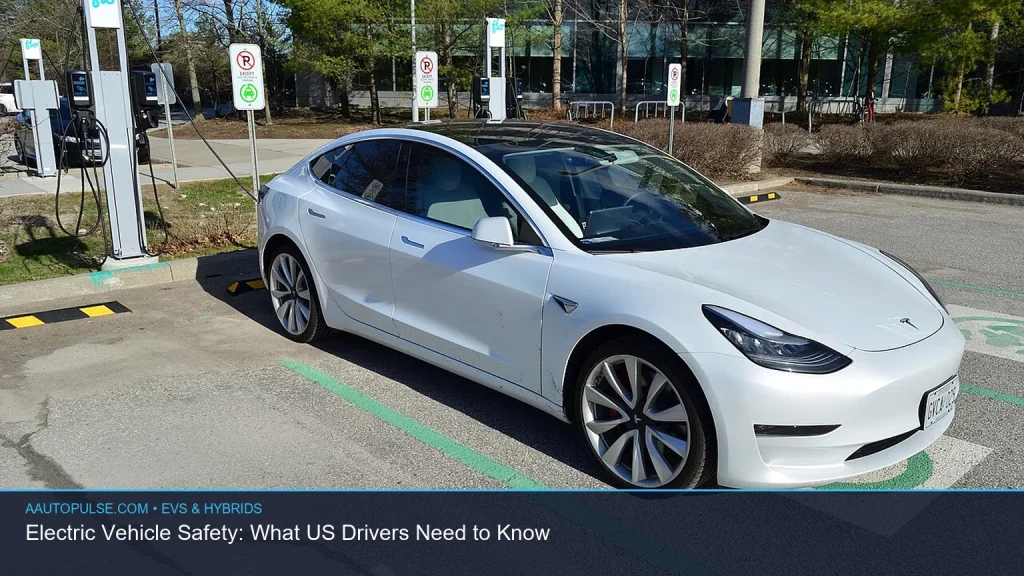
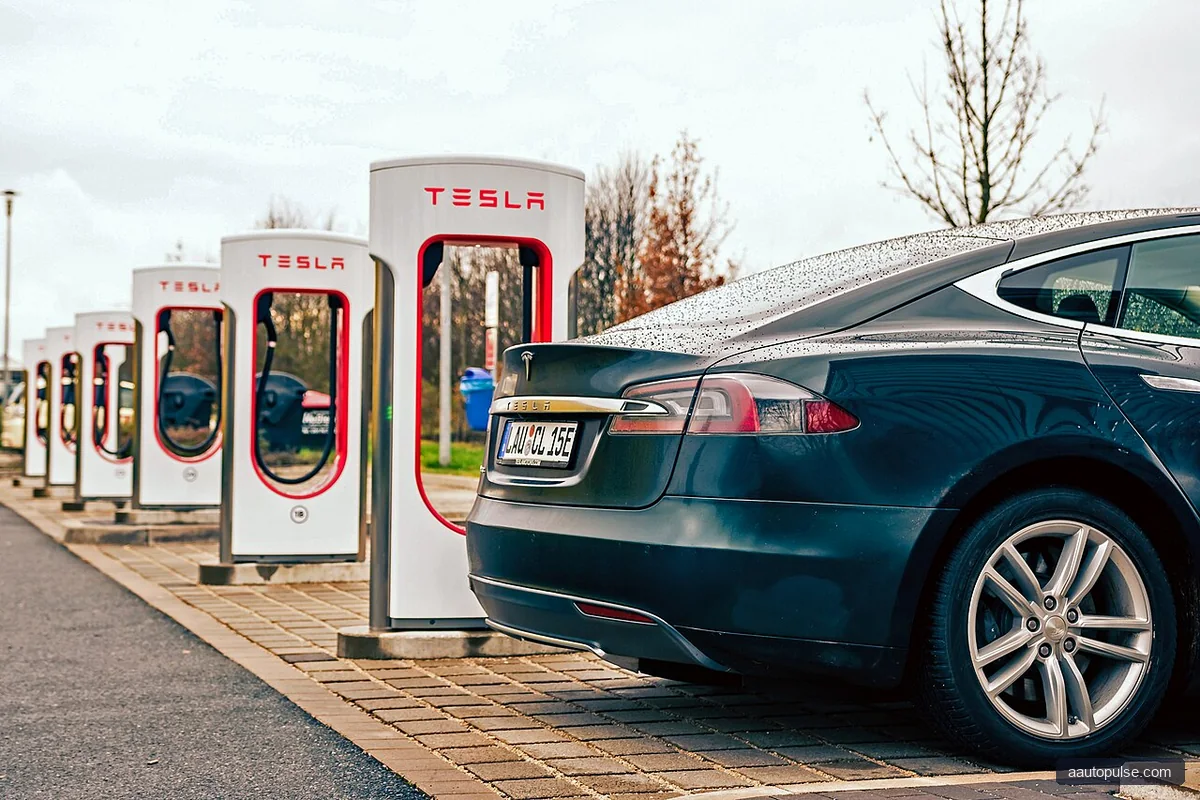
Charging is where many EV safety mistakes happen, and most are preventable. The safest setup is a properly installed charger, used with the correct outlet, breaker, and wiring. For home charging, follow the owner’s manual and, when needed, use a licensed electrician for installation.
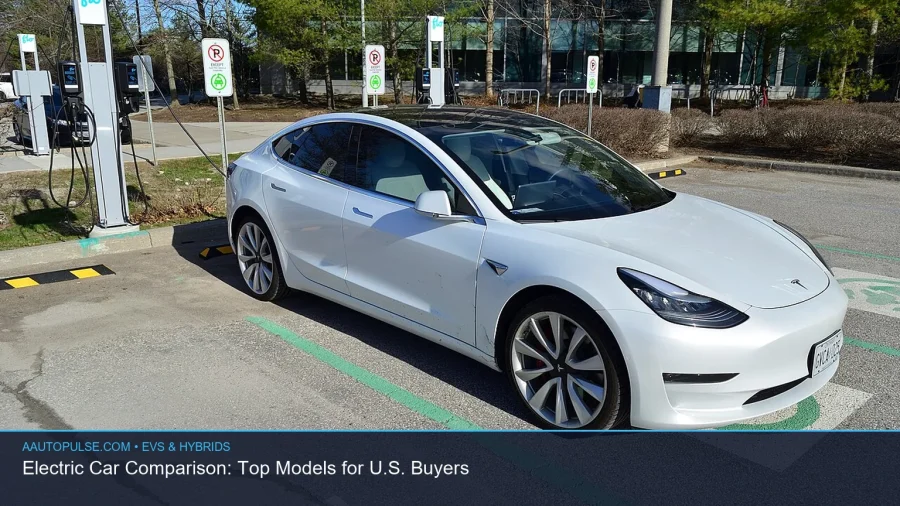
On the road, use public chargers from known networks and inspect the cable and connector before plugging in. If a charger is wet from normal weather, that is usually fine if it is designed for outdoor use, but damaged cords, broken connectors, or loose plugs should not be used.
Simple charging safety checklist
- Use the charging cord and equipment recommended by the automaker.
- Check for cuts, fraying, burn marks, or bent pins.
- Keep the charging area clear and dry where possible.
- Do not use extension cords unless the vehicle and charger manual clearly allow it.
- Stop charging if you see smoke, sparks, or a strong odor.
Weather, water, and road hazards
EVs are designed for normal US weather, including rain, snow, and cold temperatures. Still, weather can affect both safety and performance. Cold weather can reduce range, while wet roads can make any vehicle less stable if tires are worn or pressure is low.
Flooding is a bigger concern. If an EV has been in deep standing water, do not try to start or charge it until it has been inspected. Water damage can affect electrical systems even when the vehicle looks fine on the outside.
After a flood or severe storm
- Do not connect the EV to a charger.
- Do not open battery compartments or high-voltage covers.
- Move the vehicle only if the maker says it is safe to do so.
- Contact roadside assistance, your insurer, or the manufacturer for next steps.
If a vehicle has been submerged, the safest move is professional inspection. The risk may not be obvious right away, and delayed damage can show up later.
How to think about EV safety when shopping
If you are comparing vehicles, use a simple safety checklist instead of relying on one headline feature. Good electric vehicle safety comes from a mix of crash results, battery design, driver-assist tech, and repair support. You also want clear guidance from the maker on charging and emergency response.
| Selection Criteria | Why It Matters | What to Verify |
|---|---|---|
| Crash ratings | Shows how the vehicle protects people in a crash | NHTSA stars and IIHS results for the exact year |
| Charging design | Reduces risk during daily use | Home charging guidance, connector type, safety instructions |
| Driver-assist features | Can help avoid some crashes | Automatic emergency braking, lane support, pedestrian alerts |
| Service network | Important after a crash or battery fault | Local EV-trained repair options and warranty support |
Strengths and limitations to compare
- Strengths: low center of gravity, advanced crash structures, quiet operation, and strong sensor-based safety systems.
- Limitations: charging errors, damaged cords, flood exposure, and limited repair access in some areas.
Who should choose what: If you want the easiest ownership path, choose an EV with strong NHTSA and IIHS results plus clear home-charging guidance. If you live in an area with heavy snow, flooding, or limited repair support, prioritize tire fitment, ground clearance, and nearby service access as well.
What to do after a crash, fire, or warning alert
Most drivers will never face a serious EV emergency, but it helps to know the right steps. The first rule is to stay out of the high-voltage system. Even after the car is off, some parts may still hold dangerous electrical energy.
If the battery is damaged or the vehicle is smoking, move away and call emergency services. Tell responders that the vehicle is electric if you can do so safely. If the car is in a minor crash with no visible damage, still have it inspected before driving or charging again.
Basic emergency steps
- Move to a safe area if the vehicle is drivable and safe to exit.
- Shut off the vehicle if the manual says it is safe to do so.
- Keep people away from the battery area if there is heat, smoke, or odor.
- Call 911 for fire, smoke, or injuries.
- Follow the manufacturer’s post-crash and towing instructions.
Common EV safety myths
Some myths spread faster than facts. One common myth is that EVs are always more likely to catch fire than gas cars. That claim is too broad and can be misleading without current context and verified data. Fire risk exists in all vehicles, and the cause is often linked to crash damage, electrical faults, or maintenance issues.
Another myth is that EVs are unsafe in the rain. Modern EVs are built with sealed battery systems and protective controls for normal weather use. The real problem is usually damaged equipment, poor installation, or ignoring warning signs.
FAQ
Are electric vehicles safe for daily driving?
Yes, most EVs are safe for daily driving when they are maintained properly and charged the right way. To judge safety, check the exact model’s NHTSA and IIHS results, plus the owner’s manual for charging and emergency guidance.
Can an EV be charged in the rain?
Usually yes, if the charging equipment is made for outdoor use and is in good condition. Do not use damaged cords or connectors, and stop if the equipment seems unsafe. Always follow the charger and vehicle instructions.
What should I do if my EV was in a flood?
Do not charge or start it. Have it inspected before use, since water can damage electrical systems even when the outside looks fine. If the vehicle was submerged, contact the manufacturer, insurer, or roadside assistance for next steps.
Do EVs need special emergency care after a crash?
Yes. High-voltage systems require special handling, so responders and repair shops need the right training. After any crash with battery-area damage, smoke, or warning lights, do not drive the vehicle until it has been inspected.
How can I tell if an EV has strong safety features?
Start with crash-test results, then check the driver-assist features and the maker’s battery safety guidance. Look for clear documentation on emergency shutoff, towing, and post-crash inspection.
Conclusion
Electric vehicle safety is not about one feature or one fear. It is about using the car correctly, checking real safety ratings, and knowing what to do if something goes wrong. If you are shopping for an EV, compare NHTSA and IIHS results, review charging guidance, and confirm local repair support. If you already own one, keep your charging gear in good shape and follow the owner’s manual for any warning light, crash, or flood event.
The safest next step is simple: verify the exact model year, learn the charging rules, and keep emergency steps handy before you need them.