If you’re searching for apartments with electric vehicle charging, you likely want more than a parking spot. You want a place that makes daily charging simple, fits your routine, and supports your EV long term. The best apartment choices depend on charger access, utility setup, lease terms, and how often you drive. This guide shows what to look for, how to compare options, and when EV charging access is truly worth choosing one community over another.
📖 Table of Contents
- What “Apartments with Electric Vehicle Charging” Really Means
- How to Compare Apartments with Electric Vehicle Charging
- Questions to Ask Before You Sign a Lease
- Strengths and Limitations of Apartment EV Charging
- Who Should Choose Which Type of Apartment
- How to Evaluate Installation Plans and Building Readiness
- FAQ
- Conclusion
📌 Key Takeaways
- Not all EV charging is equal: Level 2 shared chargers, reserved EV spots, and in-unit or garage outlets all offer very different convenience.
- Ask about access rules: Waiting lists, time limits, billing methods, and guest policies can matter as much as the charger itself.
- Check the building’s setup: A property may support an electric vehicle charging station installation now or be planning one soon, but timing and cost can vary.
- Choose based on your driving habits: Daily commuters, weekend drivers, and long-distance EV owners may need different charging solutions.
What “Apartments with Electric Vehicle Charging” Really Means
The phrase can describe several setups, and each one affects your daily life differently. Some communities have shared charging stations in a garage or lot. Others offer reserved EV spaces, a few outlets, or even tenant-specific charging tied to a parking spot.
Before you compare buildings, ask what type of charging is offered and whether it is currently available to tenants. A listing may mention EV charging, but that does not always mean every resident can use it without restrictions.
Common apartment EV charging setups
- Shared Level 2 chargers: Usually the most practical option for apartment living.
- Reserved EV parking spots: Helpful if you want guaranteed access, though policies may vary.
- 240V garage or outlet access: Can be convenient, but may require approval or an electrician review.
- Future-ready properties: Some buildings are wired for later expansion, which may matter if you plan to stay long term.
If you drive often, the question is not just “Does the building have charging?” It is “Will I be able to charge when I need to, without stress or long waits?”
How to Compare Apartments with Electric Vehicle Charging

A smart apartment search should look beyond the amenities list. Two properties may both advertise EV charging, but one may have easy access while the other has only one shared charger for many residents. That difference can shape your commute and monthly routine.
Use the table below to compare properties in a practical way. It can help you decide whether a building is truly EV-friendly or just using the feature as a marketing point.
| Feature | What to Look For | Why It Matters |
|---|---|---|
| Charger type | Level 1, Level 2, or another setup | Affects charging speed and daily convenience |
| Availability | Open access, reserved spot, or waitlist | Determines whether you can actually charge on schedule |
| Billing | Flat fee, metered usage, or included in rent | Helps you predict total monthly cost |
| Parking rules | Assigned space, guest access, towing policies | Impacts convenience and day-to-day use |
| Installation plans | Existing setup or planned electric vehicle charging station installation | Shows whether the property is growing with EV demand |
Questions to Ask Before You Sign a Lease
EV charging can look great on paper, but the details matter. Ask direct questions before you commit to a lease, especially if charging is one of your main reasons for choosing the property. Property staff should be able to explain how the system works, even if they need to confirm some details with management.
- Who can use the charger? Ask whether it is open to all residents, only certain buildings, or just assigned to a few parking spaces.
- How is charging billed? Find out whether the cost is included in rent, billed by session, or tracked by energy usage.
- Is charging guaranteed? Some properties have waitlists, time limits, or rules that affect daily access.
- What happens if the charger is down? Ask how maintenance requests are handled and how long repairs usually take.
- Can the property support more chargers later? A strong electric vehicle charging station installation plan can be a sign of a future-ready community.
You should also ask whether your lease allows you to install charging equipment in your own space, if needed. In many cases, that depends on property rules, building electrical capacity, and local permitting.
Strengths and Limitations of Apartment EV Charging
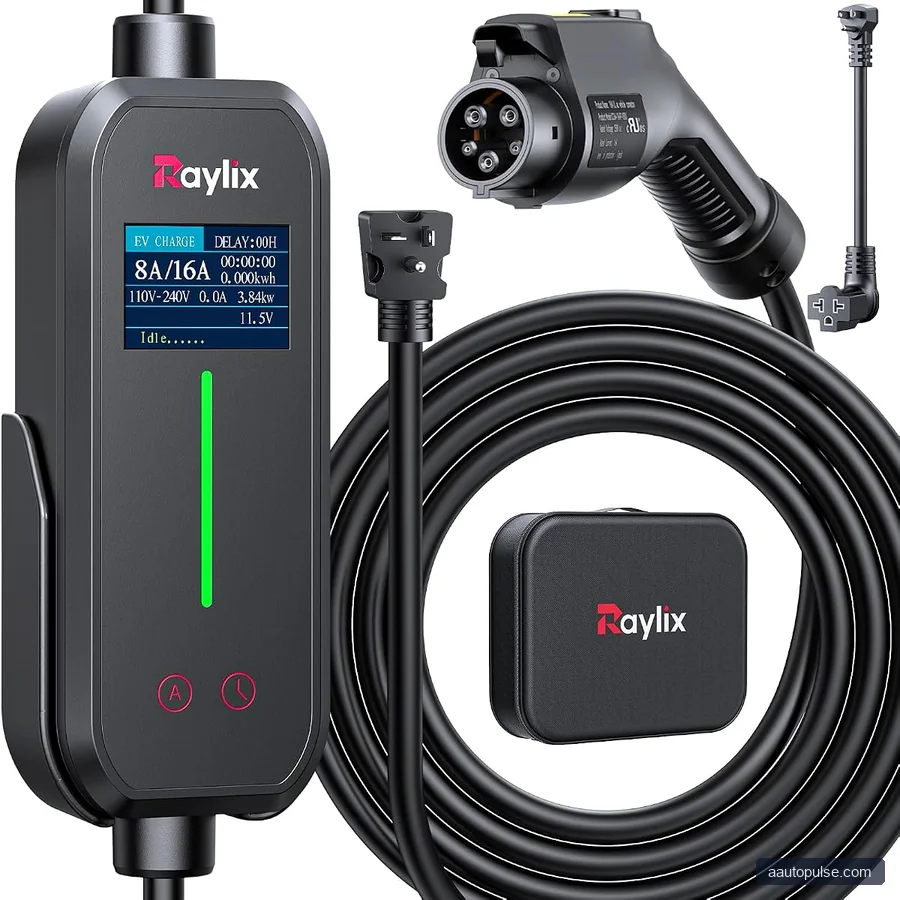
Apartment charging is convenient, but it is not always as simple as charging at a single-family home. Understanding the tradeoffs helps you choose the right property with fewer surprises later.
Strengths
- Daily convenience: You can charge overnight or during downtime without making a separate trip.
- Better EV ownership experience: A nearby charger can reduce range anxiety and make commuting easier.
- Potential long-term value: Buildings that support EVs may be more attractive to future renters as demand grows.
Limitations
- Shared access issues: A single charger may not meet demand during busy hours.
- Policy restrictions: You may face rules on parking duration, charging time, or guest use.
- Variable readiness: Some communities advertise EV support before the full system is installed.
The biggest limitation is often not the charger itself, but the process around it. A good setup is reliable, easy to access, and transparent about cost and availability.
Who Should Choose Which Type of Apartment
The right apartment depends on how you drive and how much flexibility you need. A commuter who charges often has different priorities than a weekend driver who only plugs in occasionally. Use this simple guide to narrow your search.
| Resident Type | Best Fit | Why |
|---|---|---|
| Daily commuter | Apartment with reliable shared Level 2 charging | Needs regular access and predictable turnaround |
| Low-mileage driver | Property with occasional charging access or reserved EV parking | Does not need constant charging but wants convenience |
| Long-term renter | Community with a clear expansion plan or electric vehicle charging station installation roadmap | Benefits from a property that is likely to improve EV access over time |
| High-use EV owner | Assigned charger or reliable private access | Needs the most dependable setup to avoid scheduling conflicts |
Verdict: If you drive often, prioritize guaranteed access over a flashy amenity list. If you drive less, a shared charger may be enough as long as the rules are clear and the location is convenient.
How to Evaluate Installation Plans and Building Readiness
Some apartment communities are already equipped for EVs. Others are still planning upgrades. If a property mentions future charging improvements, ask how the project is being handled and whether the building can support the load safely.
This is where electric vehicle charging station installation becomes important. A well-planned installation should account for electrical capacity, parking layout, permitting, and resident demand. If the building is older or the parking area is crowded, the project may take longer than expected.
What to verify with management
- Whether charging is already live or still in planning
- Whether the property has room for more units later
- Who handles maintenance and inspections
- Whether the system uses a reservation app, a badge, or another access method
- Whether tenants will pay setup or usage fees directly
If the management team cannot answer these questions clearly, treat that as a warning sign. Good EV access depends on more than just hardware; it depends on process, support, and planning.
FAQ
How do I find apartments with electric vehicle charging near me?
Start with apartment search filters, then confirm the details directly with the property. Listings can be incomplete, so ask whether the charging is active, who can use it, and how often it is available.
Is apartment EV charging usually included in rent?
Sometimes, but not always. Some properties include it as an amenity, while others bill separately based on energy use, session length, or a monthly access fee.
What if the apartment says it has EV charging, but there is always a wait?
That usually means the charger is shared and demand is higher than capacity. Ask whether there is a reservation system, time limit, or future expansion plan before you sign a lease.
Can a landlord add EV charging later?
Yes, but the process depends on electrical capacity, parking layout, permits, and the property’s budget. A planned electric vehicle charging station installation can take time, so get the timeline in writing if it matters to you.
What is the best type of charger for apartment living?
For most renters, Level 2 charging is the most practical balance of speed and convenience. If you drive less, a lower-demand setup may still work well, but you should match the charger to your routine.
Conclusion
Finding apartments with electric vehicle charging is about more than spotting an EV icon in a listing. The best choice is a property with real access, clear rules, and a setup that fits your driving habits. Before you lease, confirm charger type, availability, billing, and any future installation plans.
If you are comparing options now, make a short checklist, ask direct questions, and choose the apartment that gives you dependable charging, not just a promise of it.