If you need a tire repair shop, the best choice depends on the damage, your tire type, and how soon you need to drive again. A good shop can patch a simple puncture, inspect for hidden sidewall damage, and tell you when replacement is the safer call. This guide breaks down common services, typical costs, what to ask before you buy, and when a repair is no longer enough. It also covers used tires, new tire pricing, and how to compare options for cars, SUVs, and trucks.
📖 Table of Contents
Products mentioned
- Rhino USA Tire Repair Kit (86-Piece)
View current product details - AUTOWN 72PCS Tire Repair Rubber Nail Kit
View current product details - AUTOWN Flat Tire Repair Kit with Plugs 31pcs, Professional Tire Plug Kit
View current product details - ETENWOLF Flat Tire Repair Kit with Plugs 16 Pcs, Heavy Duty Tire Plug Kit
View current product details - AWELCRAFT 57-Piece Tire Repair Kit – T-Handle Tools with Valve Kit & Case
View current product details - CKAuto 36 pcs Universal Tire Repair Kit with Plugs Heavy Duty Professional
View current product details
Availability, specifications, and prices can change; verify them on the product page.
📌 Key Takeaways
- A tire repair shop can often fix small tread punctures, but sidewall damage, separations, and repeated leaks usually need replacement.
- Always compare repair cost, tire age, tread depth, and your driving needs before choosing repair, used tires, or new tires.
- For safe shopping, ask about patch-plug repairs, balancing, valve stems, and whether the shop follows standard tire repair guidelines.
- If you drive in snow, haul heavy loads, or rely on your vehicle daily, durable tires or the right winter tire can be worth the higher upfront cost.
What a Tire Repair Shop Can Fix
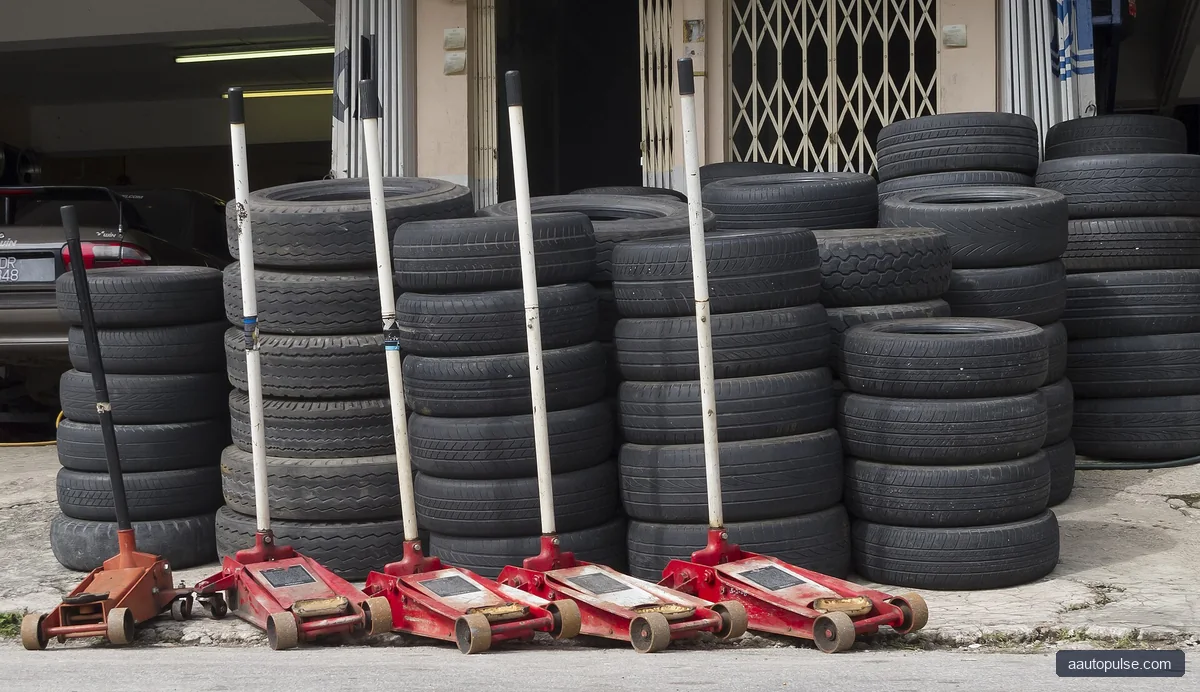
A qualified tire repair shop does more than plug a hole. It should inspect the tire inside and out, check the bead and sidewall, and decide whether the tire is safe to keep in service. For many drivers, that means a small nail or screw in the tread can be repaired, while cuts, bulges, and shoulder damage cannot.
Most shops follow a version of the same basic rule: damage in the tread area is sometimes repairable, but damage on the sidewall or near the shoulder is usually not. If the tire has been driven very low on air, the internal structure may already be damaged even if the outside looks fine. That is why a visual inspection is not enough.
Common services you may see
- Puncture inspection and repair
- Patch-plug repair for eligible tread damage
- Air leak testing with soap solution or water tank methods
- Valve stem or valve core replacement
- Tire balancing after repair or replacement
- Rotation, mounting, and flat tire diagnosis
If you are searching for a general tire shop, look for one that explains why a repair is safe or unsafe, rather than pushing the fastest option. A trustworthy shop will also tell you when the tire is too worn to justify a repair.
How Much Does Tire Repair Cost?
For most drivers, the first question is cost. A basic puncture repair is usually much cheaper than a new tire, but the final bill depends on the vehicle, tire size, and whether the shop adds balancing or valve service. If you are comparing quotes, ask for the total price before authorizing the work.
In many cases, the repair itself is modest, while other services can raise the total. A shop may charge more if the wheel must be removed, the tire remounted, or a sensor needs attention. If the tire is in poor shape, the better value may be replacement instead of repeated fixes.
| Option | Best For | Strengths | Limitations |
|---|---|---|---|
| Repair | Small tread puncture | Lowest cost, fastest fix | Not safe for all damage |
| Used tire | Short-term budget need | Lower upfront cost | Unknown wear, age, and history |
| New tire | Long-term reliability | Full tread life, best selection | Higher upfront cost |
People often ask, how much is a new tire? The answer varies a lot by size, brand, and performance level, so it is best to check current local and online listings. The same goes for 4 new tires cost; a full set can range widely depending on whether you are buying standard all-season tires, premium models, or specialty truck fitments. Always verify the final price with installation, balancing, disposal, and fees included.
When to Repair, Replace, or Buy Used Tires
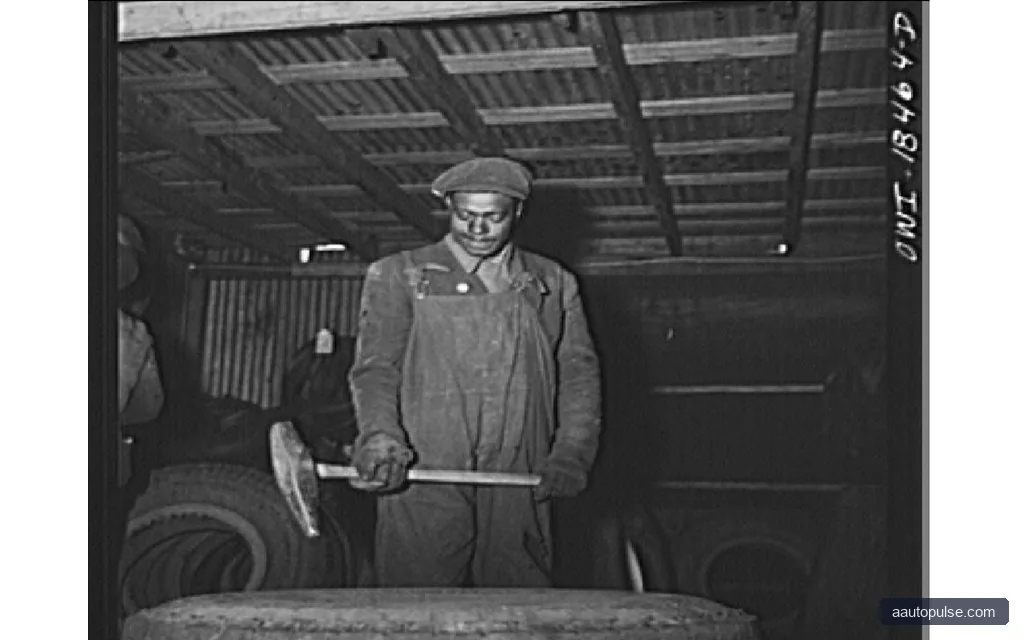
The right choice depends on more than the hole in the tire. Tread depth, age, load needs, and weather all matter. If the tire is nearly worn out or has uneven wear, repair may only buy you a short amount of time.
Used tires can make sense when you need a low-cost temporary fix, but they come with more risk than new ones. If you ask, how much are used tires, the answer changes with size, condition, brand, and local supply. The important part is not just the price, but how much usable tread is left and whether the tire has hidden damage, patches, or dry cracking.
Quick decision guide
| Condition | Best Choice | Why |
|---|---|---|
| Small nail in tread, plenty of tread left | Repair | Usually safest and cheapest |
| Sidewall cut or bulge | Replace | Structural damage cannot be trusted |
| Low budget, short-term use only | Used tire | Cheaper upfront if condition checks out |
| Frequent highway driving, heavy loads, or long commutes | New durable tires | Better long-term confidence and wear |
If you are shopping for durable tires, think beyond tread price. A slightly higher-quality tire can last longer, ride better, and reduce the chance of repeat visits to the shop. That matters even more if your car carries family passengers or sees rough roads often.
Truck Tires, Winter Tires, and Specialty Buying Tips
Truck and winter tire shoppers have different priorities than everyday commuter drivers. If you are looking for cheap truck tires or truck tires for sale, confirm load range, size, and whether the tire is suited for towing or hauling. A bargain tire that cannot handle the load may cost more in the long run.
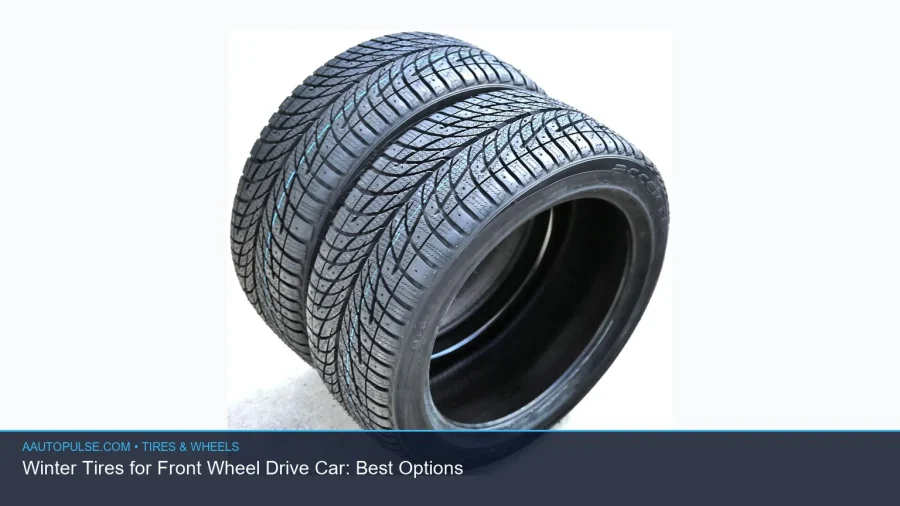
For cold-weather driving, many buyers search for Goodyear winter tires or “snow tires near me.” Winter tires are built for cold temperatures and snow grip, while all-season tires are a compromise. If you live where winter roads are common, a true winter tire can offer better traction than an all-season model, especially when temperatures stay low.
What to check before buying specialty tires
- Correct size and load rating from the door placard or owner’s manual
- Tread pattern for wet, snow, or off-road use
- Whether the tire is new, used, or a closeout
- DOT date code for tire age
- Any required matching on all-wheel-drive vehicles
If you are unsure, a reputable shop can help you compare options and explain whether a winter tire, all-season tire, or truck-specific model fits your driving. That is often better than buying only by price.
How to Evaluate a Tire Repair Kit or DIY Emergency Fix
Some drivers want a road-side backup in case the spare is missing or useless. That is where tire repair kits can help as an emergency tool, not a permanent solution. Research listings such as Rhino USA Tire Repair Kit (86-Piece), AUTOWN 72PCS Tire Repair Rubber Nail Kit, AUTOWN Flat Tire Repair Kit with Plugs 31pcs, ETENWOLF Flat Tire Repair Kit with Plugs 16 Pcs, AWELCRAFT 57-Piece Tire Repair Kit, and CKAuto 36 pcs Universal Tire Repair Kit can help you compare kit styles and included parts.
When comparing kits, focus on what the listing actually confirms. Look for basic items like plugs, insertion tools, a reamer, and a way to store the kit neatly. Do not assume every kit is equally durable or equally suited for every tire size, and do not assume an emergency plug replaces a proper shop repair.
Good selection criteria for DIY kits
- Clear tool count and included parts
- Storage case for keeping pieces organized
- Compatibility with tubeless passenger and light truck tires
- Simple instructions for roadside use
- Enough basic tools for one or two emergency repairs
Use a kit only if the tire damage is small and the tire is otherwise sound. If you are dealing with repeated air loss, a visible bubble, or a leak near the sidewall, drive slowly to a shop or call roadside help instead. A temporary fix should get you to a proper inspection, not replace one.
What to Ask Before You Authorize Work
Before you approve work at a tire repair shop, ask a few direct questions. This helps you compare shops and avoid paying for services you do not need. It also gives you a better sense of whether the shop is recommending repair, replacement, or a different tire type for your use.
- Can the tire be safely repaired, or does it need replacement?
- Will you use a patch-plug repair or another method?
- Does the quote include balancing, valve service, and disposal fees?
- Is this tire better replaced as a pair on the same axle?
- How much tread is left, and what is the tire’s age?
If the shop recommends replacement, ask for the reason in plain language. You should know whether the issue is tread wear, sidewall damage, dry rot, belt separation, or simple age. That makes it easier to compare the cost of repair against new or used tires.
FAQ
Can any puncture be repaired at a tire repair shop?
No. Small punctures in the tread area are often repairable, but sidewall damage, shoulder damage, and tires with structural problems usually are not. If the tire has been run underinflated for too long, the shop may recommend replacement even if the hole looks small.
How much is a new tire compared with a repair?
A repair is usually much cheaper than a replacement, but the exact cost depends on tire size, vehicle type, and shop fees. If the tire is worn down or has other damage, paying for a new tire may be smarter than repairing a tire that will need replacement soon anyway.
Are used tires worth buying?
Used tires can be a budget option, but they carry more uncertainty. You should check tread depth, age, patches, cracking, and uneven wear. If you need a short-term solution, used tires may help, but new tires are usually better for long-term reliability.
What should I know before buying snow tires near me?
Make sure the size matches your vehicle, and verify whether you need a full set or just replacements for one axle. Winter tires work best in cold weather, especially when roads are snowy or icy. If you are comparing options, check current local inventory and verify installation costs before you buy.
Do truck tires need anything special?
Yes. Truck tires should match your load needs, towing plans, and wheel size. If you are shopping for cheap truck tires, do not focus on price alone. Load rating, tread design, and durability matter more for safety and wear.
Conclusion: The best tire repair shop is the one that gives you a clear, safe answer, not the fastest sale. Start with the damage, then compare repair, used tires, and new tires based on tread life, weather, and driving demands. If you are unsure, ask for a written quote, verify your vehicle owner’s manual, and choose the option that gives you the most safety and value for the miles ahead.