Spring is the ideal time to reset your vehicle after winter wear. A smart spring car maintenance routine can help you catch small issues early, improve safety, and keep your car running smoothly as temperatures rise. In this guide, you’ll find a practical checklist for the most important seasonal tasks, plus simple signs that tell you when something needs attention. Use it as a step-by-step plan, then verify key service intervals and fluid specs in your owner’s manual.
📖 Table of Contents
- Why spring car maintenance matters after winter
- Start with a full exterior and underbody inspection
- Check tires for wear, pressure, and alignment
- Inspect brakes, suspension, and steering for winter wear
- Refresh fluids and filters for warmer weather
- Test battery, lights, wipers, and climate control
- Use a simple spring maintenance schedule and know when to get help
- FAQ about spring car maintenance
- Conclusion
📌 Key Takeaways
- Spring is the right time to inspect tires, brakes, fluids, wipers, and the battery after winter stress.
- Many maintenance needs depend on your vehicle’s mileage and model, so always confirm details in the owner’s manual.
- Small warning signs like uneven tire wear, weak A/C, squealing brakes, or fluid leaks should be checked early.
- A simple seasonal checklist can prevent breakdowns, improve comfort, and support safer driving all spring and summer.
Why spring car maintenance matters after winter
Winter can be tough on a car. Cold weather, potholes, road salt, and frequent temperature swings can all speed up wear. By spring, even a car that seems fine may have hidden issues in the tires, battery, brakes, or underbody.
Spring maintenance is not just about cleaning off salt and dirt. It is also a chance to restore visibility, check safety systems, and make sure key fluids and parts are ready for warmer weather. If you drive in a region with snow or ice, this seasonal reset is especially important.
Think of it as preventive care. A little attention now can help you avoid bigger repair bills later and make everyday driving feel more stable and comfortable.
Start with a full exterior and underbody inspection
Begin your spring car maintenance checklist with a walk-around inspection. Look for damage that may have happened over winter, including chips in the paint, cracked trim, loose splash shields, and signs of rust on the body or frame areas you can see.
Pay close attention to the underbody. Salt and moisture can speed corrosion, especially around brake lines, exhaust parts, suspension pieces, and fasteners. If you notice deep rust, fluid drips, or hanging components, a shop inspection is a smart next step.
What to look for
- Scrapes or cracks on bumpers and side skirts
- Rust spots on wheel wells, door edges, or underbody parts
- Loose mud flaps, liners, or shields
- Fluid stains under the parked car
- Broken lights, mirrors, or windshield chips
For windshield damage, even a small chip can spread once temperatures rise. Fixing it early is often easier than waiting for a full crack.
Check tires for wear, pressure, and alignment
Tires are one of the most important parts of any spring car maintenance plan. Winter roads can throw off tire balance, pressure, and alignment, and those problems often show up as uneven wear or a steering wheel that does not feel centered.
Check tire pressure when the tires are cold. Use the pressure listed on the driver-side door sticker or in the owner’s manual, not the number on the tire sidewall. Tire pressure can change with weather, so spring is a good time to reset it correctly.
Tire checks to complete
- Inspect tread depth for wear across the full tire.
- Look for cuts, bulges, punctures, or sidewall cracks.
- Check for uneven wear on the inside or outside edges.
- Verify pressure in all four tires, plus the spare if your vehicle has one.
- Rotate tires if your service schedule calls for it, often around every 5,000 to 7,500 miles, but verify your manual.
If the car pulls to one side, vibrates at highway speed, or chews through tires faster than expected, alignment or balance may be off. These are common after winter potholes.
| Tire symptom | What it may mean | What to do |
|---|---|---|
| Low tire pressure | Normal pressure loss, temperature change, or a slow leak | Inflate to spec and recheck for leaks |
| Uneven tread wear | Alignment, suspension, or rotation issue | Schedule alignment and inspect suspension |
| Vibration at speed | Balance issue, bent wheel, or tire defect | Have wheels balanced and inspected |
| Pulling while driving | Alignment, brake drag, or tire issue | Inspect brakes, pressure, and alignment |
Inspect brakes, suspension, and steering for winter wear
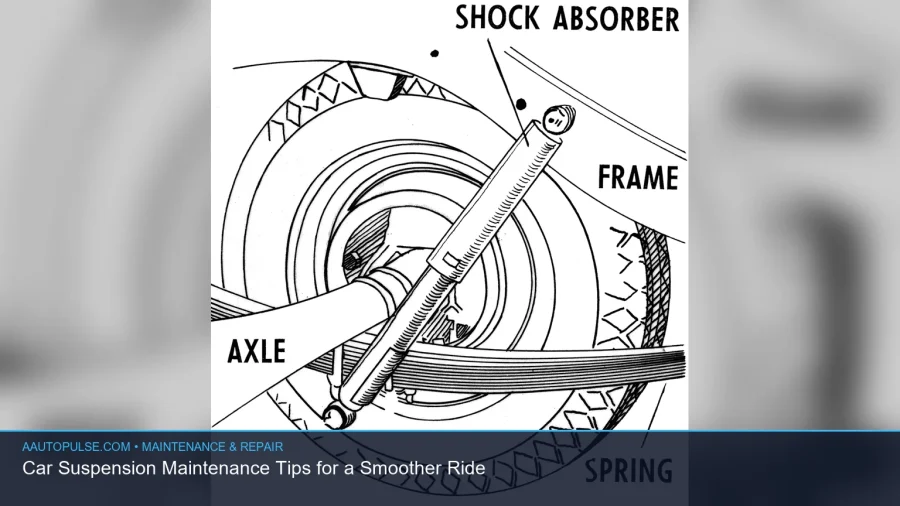
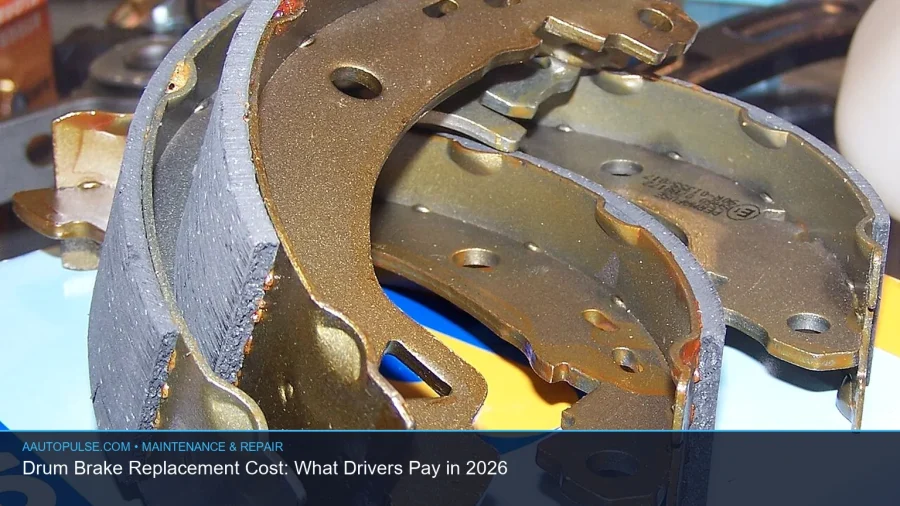
Brakes and suspension parts often take a beating in winter. Salt, slush, and potholes can speed up wear on pads, rotors, bushings, shocks, and struts. Spring is a good time to listen for new noises and feel for changes in how the car handles.
Brake pads do not follow one universal mileage rule. Some last much longer than others, depending on driving style and conditions. Still, warning signs are easy to spot if you know what to watch for.
Brake warning signs
- Squealing or grinding when braking
- Longer stopping distances
- Soft, spongy, or pulsating brake pedal
- Car pulling left or right during stops
- Brake warning light on the dash
If you notice clunking over bumps, loose steering feel, or excessive bouncing, have the suspension checked. Shocks and struts are often not replaced on a fixed spring schedule, but they should be inspected regularly, especially if the car feels less stable than before.
Never ignore a brake warning light or fluid leak. Those are safety issues, not cosmetic ones.
Refresh fluids and filters for warmer weather
Fluids help your engine, transmission, cooling system, and brakes do their jobs. Over winter, some fluids can become dirty or low, and warm weather can make weak cooling or lubrication problems show up fast.
Check the level and condition of each fluid listed below. If anything looks dark, sludgy, or below the minimum line, take a closer look or schedule service.
Key fluids to inspect
- Engine oil: Check the dipstick if your vehicle has one. Oil should be within the safe range and not look burnt or gritty.
- Coolant: Confirm the level in the reservoir only when the engine is cool. Never open a hot radiator cap.
- Brake fluid: Low fluid may point to pad wear or a leak.
- Windshield washer fluid: Refill before spring rain and pollen season.
- Transmission fluid: Some vehicles allow checking at home, while others require a shop procedure. Verify your manual.
Oil capacity and service intervals vary by engine. Many vehicles call for oil changes around every 5,000 to 10,000 miles, but your manual is the best source for the correct interval, oil type, and capacity. The same is true for coolant and transmission service schedules.
Cabin and engine air filters are also worth checking in spring. A clogged cabin filter can reduce airflow and make the A/C feel weak, while a dirty engine air filter can hurt performance and fuel economy.
Test battery, lights, wipers, and climate control
Spring is the season when drivers notice how much winter affected comfort features. A battery that survived the cold may still be weaker than it should be. Wipers that handled snow may leave streaks now, and the air conditioning may reveal issues once the weather warms up.
Start by testing the battery. Look for corrosion on the terminals, a loose hold-down, or slow cranking. If the battery is older or has needed jump-starts recently, it may be time for testing even if the car still starts.
Simple system checks
- Turn on headlights, brake lights, turn signals, and reverse lights.
- Replace worn wiper blades if they streak, chatter, or skip.
- Run the A/C for several minutes and check that air gets cold.
- Make sure the defroster works front and rear.
- Test all dashboard warning lights briefly at startup.
If the A/C blows weak air, warm air, or has a musty smell, there may be an issue with the cabin filter, refrigerant level, or HVAC system. These problems are easier to diagnose early than during the first hot week of the year.
Use a simple spring maintenance schedule and know when to get help
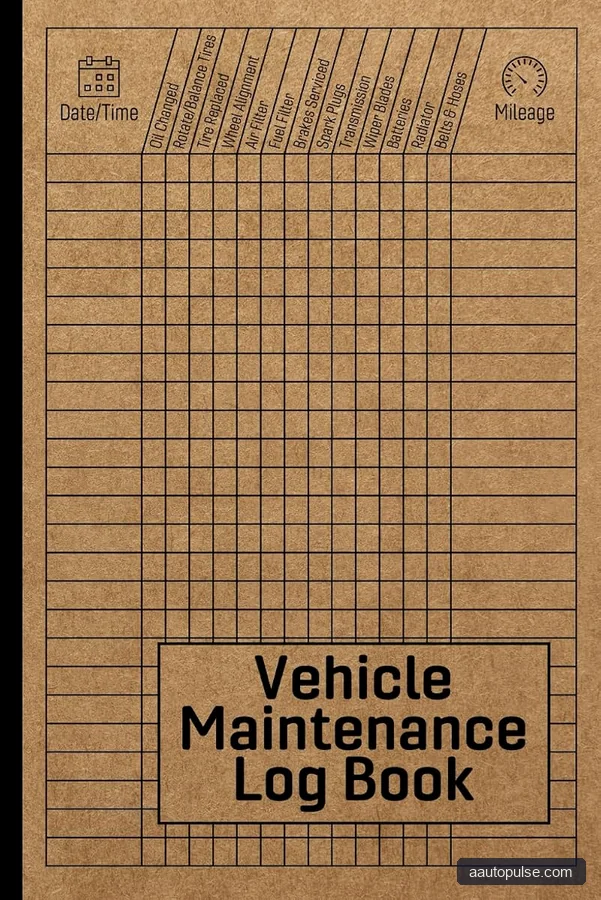
A good spring car maintenance routine works best when it is organized. If you tackle the job in steps, it becomes much easier to notice what needs attention and what can wait until the next service visit.
Below is a practical order for most drivers. It is designed for quick at-home checks first, then professional help for anything that needs deeper inspection.
- Wash the car, including wheel wells and underbody areas if possible.
- Inspect body panels, glass, lights, and underbody parts for winter damage.
- Check tire pressure, tread, and visible wear.
- Test brakes, steering, and suspension during a short drive.
- Top off or inspect fluids according to the owner’s manual.
- Replace wipers and filters if they are worn or dirty.
- Test battery, lights, and A/C before warmer weather arrives.
Some problems are best left to a technician. If you find leaking fluids, repeated low tire pressure, strong brake noise, overheating, or a check engine light that stays on, get the vehicle inspected. Spring maintenance is supposed to prevent surprises, not create new ones.
| Task | Good DIY candidate? | When to involve a shop |
|---|---|---|
| Wash, visual inspection, top off washer fluid | Yes | Only if you spot damage |
| Check tire pressure and tread | Yes | If wear is uneven or pressure keeps dropping |
| Replace wiper blades and cabin filter | Often yes | If access is difficult or parts are not obvious |
| Brake, suspension, and leak diagnosis | No | Yes, especially with noise or warning lights |
FAQ about spring car maintenance
How often should I do spring car maintenance?
Once a year is a good seasonal baseline, usually when winter weather ends. That said, some items like tire pressure, fluid levels, and wiper condition should be checked more often. Your owner’s manual may recommend specific mileage-based service intervals too.
What are the most important things to check first?
Tires, brakes, fluids, battery health, and wipers are the top priorities. Those systems have the biggest effect on safety and day-to-day driving. If time is short, start there.
Do I need an oil change every spring?
Not always. Oil changes should follow your vehicle’s mileage and time schedule, not the season alone. Some cars can go 5,000 miles or more between changes, while others have different intervals, so check the manual for the correct recommendation.
Can I do most spring maintenance myself?
Yes, many basic checks are easy to do at home. You can inspect tires, top off washer fluid, replace wipers, and look for visible damage. Brake, suspension, and leak issues are better left to a professional.
Why does my A/C smell musty in spring?
A musty smell can point to moisture buildup, a dirty cabin filter, or mold in the HVAC system. Start with the cabin filter if your vehicle has one, then have the system checked if the smell continues.
Conclusion
A thorough spring car maintenance check helps your vehicle recover from winter and prepares it for warmer, longer drives. Focus on tires, brakes, fluids, battery health, wipers, and any signs of damage from salt or potholes. Then confirm mileage-based service items in your owner’s manual and handle any warning signs early. A few hours of care now can lead to a smoother, safer season on the road.